Reading comprehension Building Vocabulary Worksheets for Ages 7-8 - Page 4
79 filtered results
-
From - To
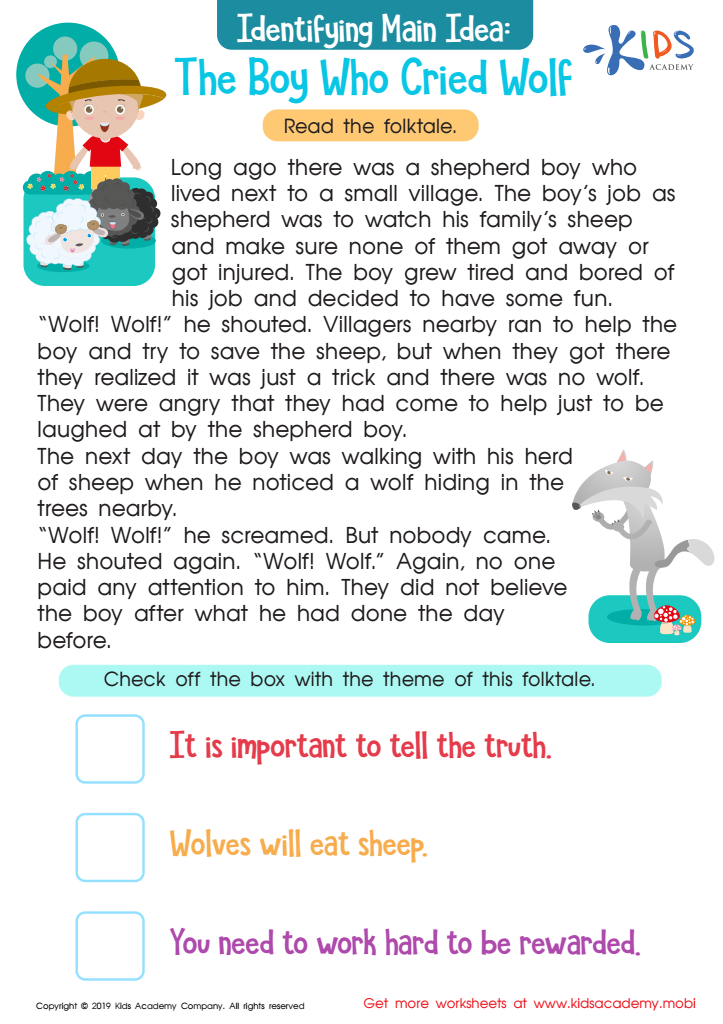
The Boy Who Cried Wolf Part 2 Worksheet
 Assign to My Students











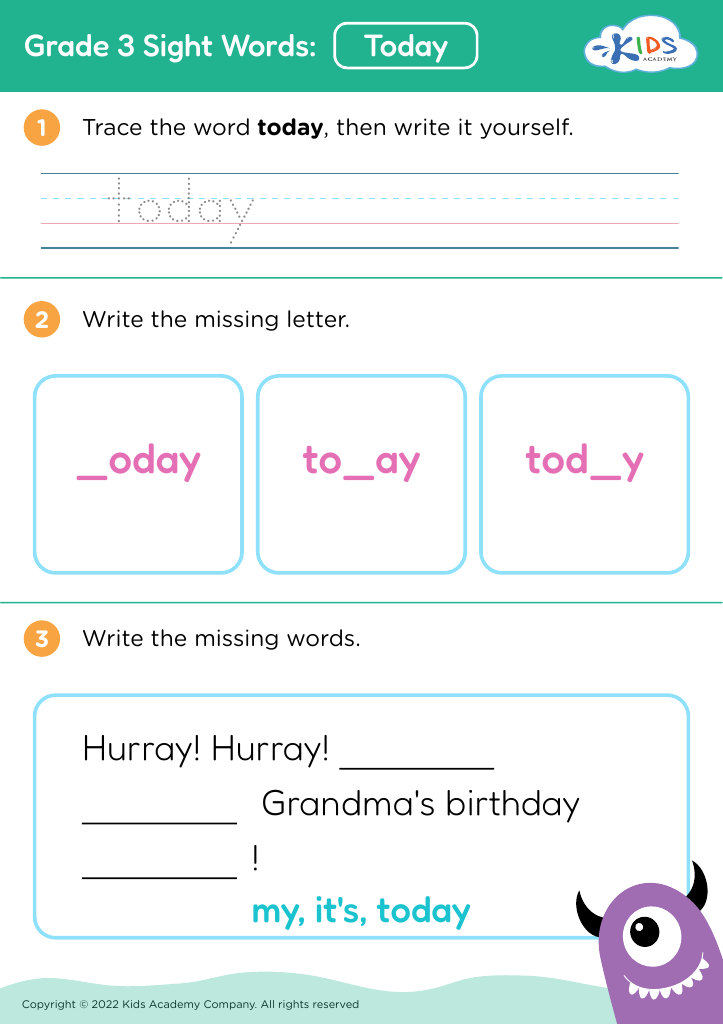
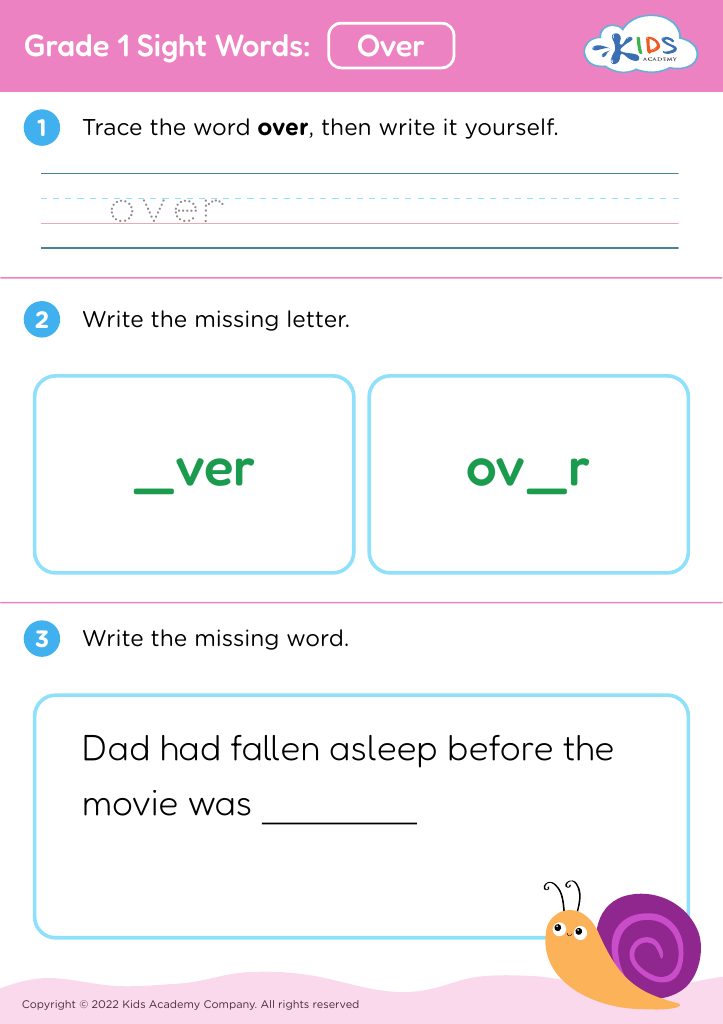
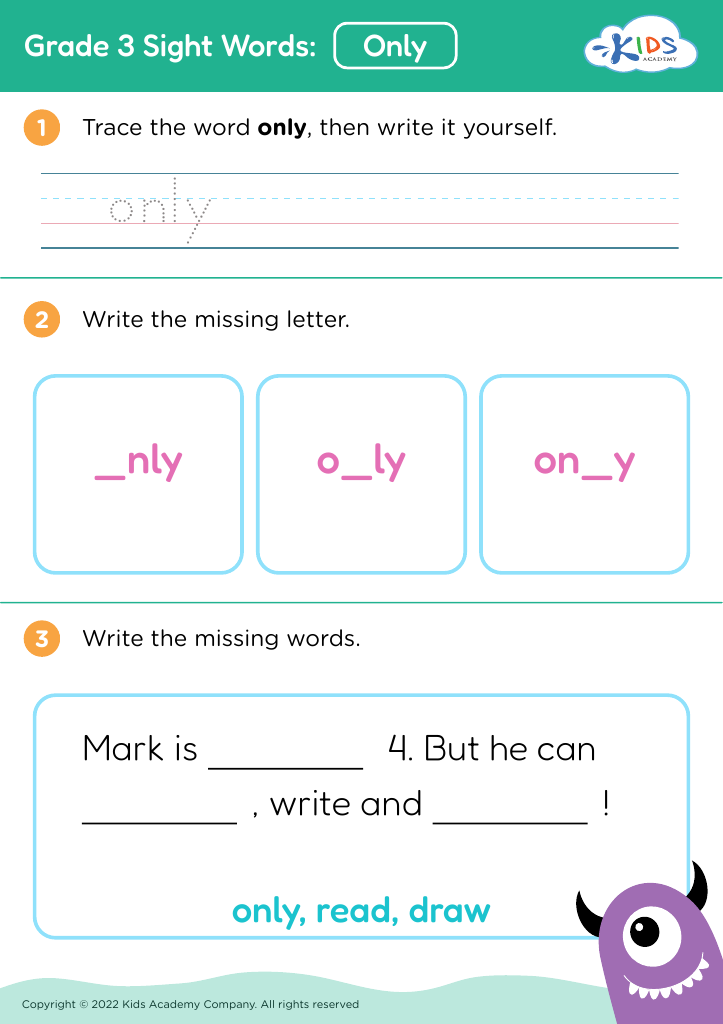



.jpg)


.jpg)

Reading comprehension and vocabulary building are crucial components of literacy development for children aged 7-8. At this stage, children transition from learning to read to reading to learn, making solid comprehension skills vital for their academic success. A robust vocabulary enhances a child's ability to understand and engage with diverse texts, enabling them to interpret concepts, follow narratives, and grasp new ideas.
Increased vocabulary also supports overall cognitive development; children begin to think critically and express their thoughts more effectively. Teachers and parents should prioritize vocabulary building through interactive reading activities, word games, and discussions. Engaging children in conversations about their reading fosters deeper understanding and retention of new words.
Moreover, strong reading comprehension skills contribute to a child’s confidence and motivation. When children can successfully interpret texts, they are more likely to enjoy reading and view it as a valuable skill. Ensuring that children develop these skills not only aids in their immediate academic performance but also lays a foundational literacy skills set that they will rely on throughout their educational journey. Investing time and resources into fostering reading comprehension and vocabulary growth will benefit children both now and in the future.








