Spelling practice Building Vocabulary Worksheets for Ages 7-8
34 filtered results
-
From - To
Boost your child's spelling skills and vocabulary with our "Spelling Practice Building Vocabulary Worksheets" for ages 7-8. Thoughtfully designed to engage young learners, these worksheets offer a variety of fun and educational activities to reinforce correct spelling, enhance word knowledge, and build language proficiency. Each themed worksheet combines engaging exercises with age-appropriate challenges to make learning enjoyable. Empower your child to confidently master spelling while developing a rich vocabulary, essential for their academic success. Discover the perfect resource to support your child's reading and writing journey at Kids Academy!
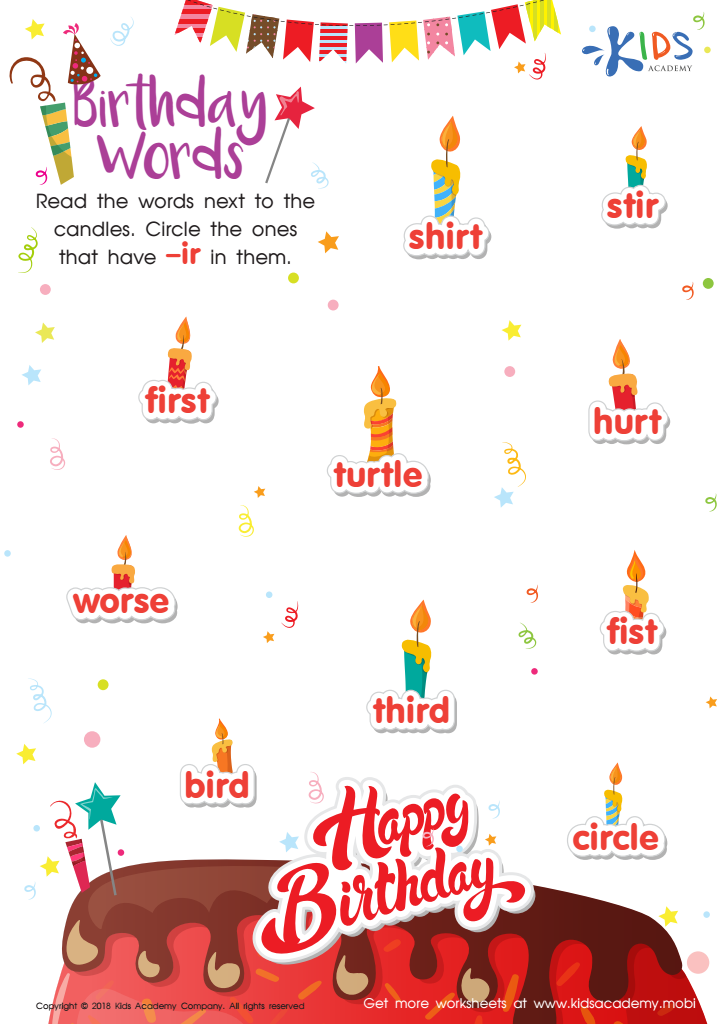
Birthday Words Worksheet
 Assign to My Students











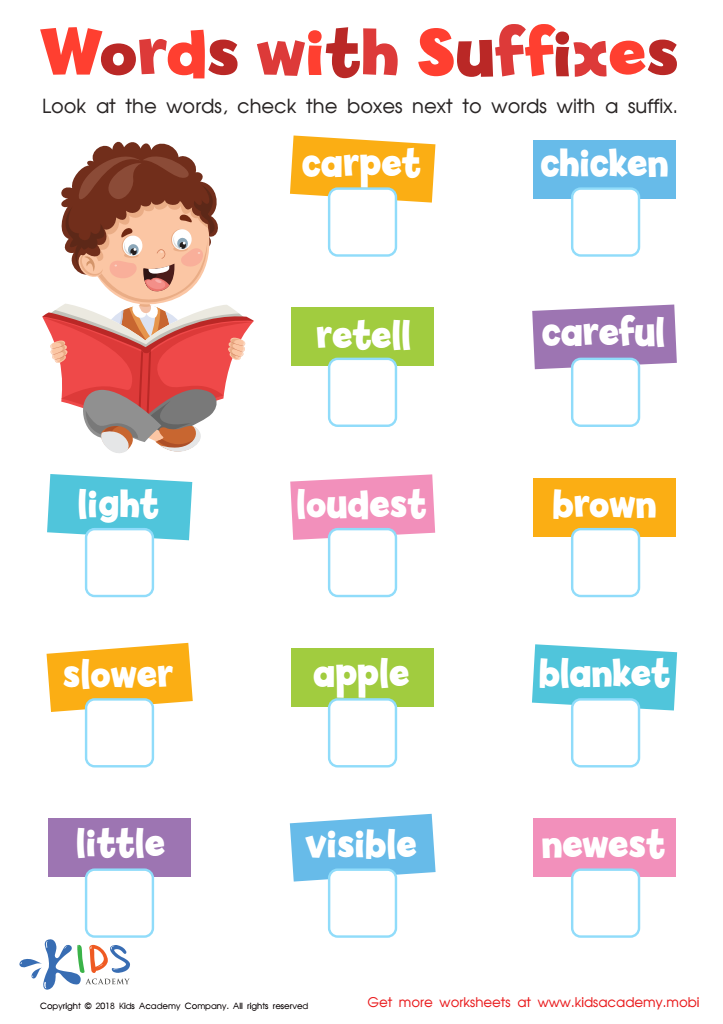
Reading: Words With Suffixes Worksheet
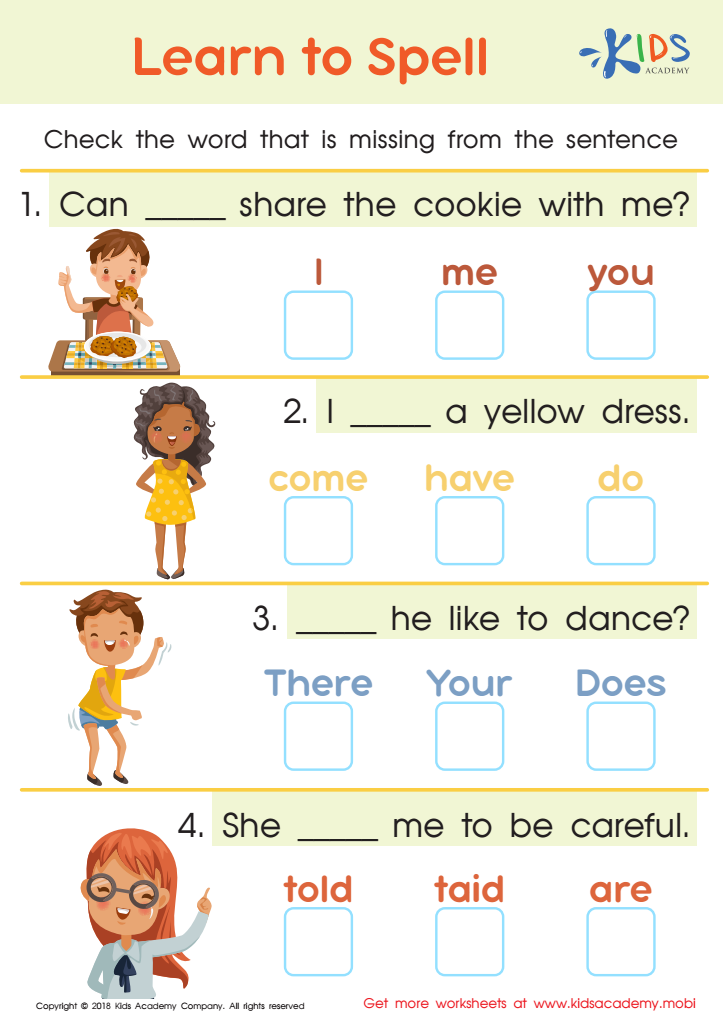
Learn to Spell Worksheet
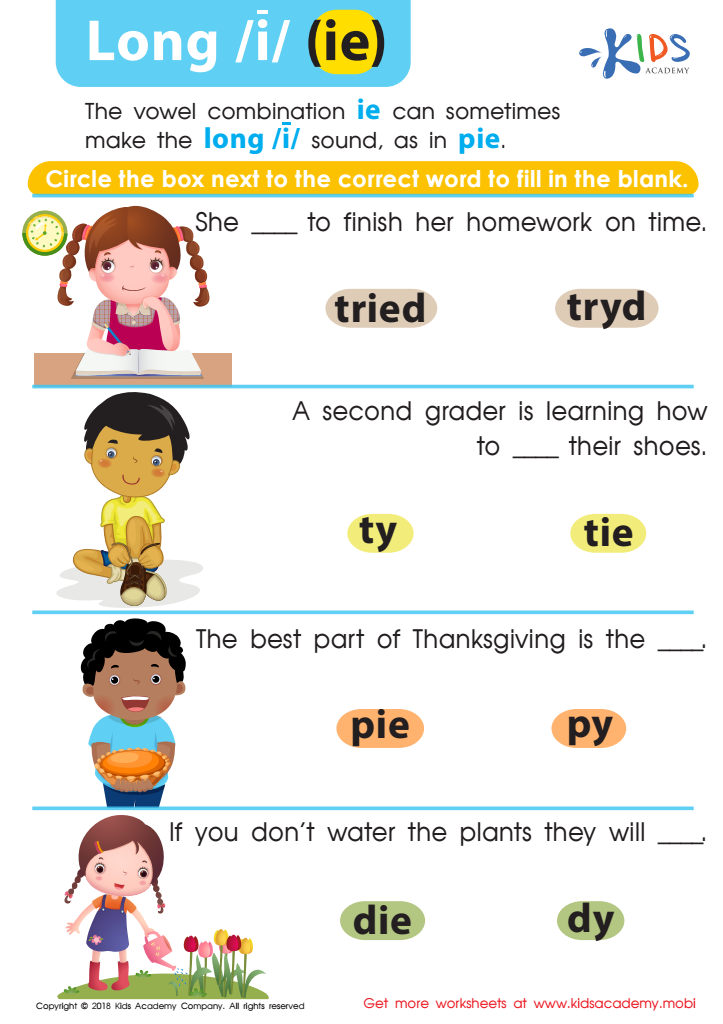
Reading: Long I and IE Worksheet
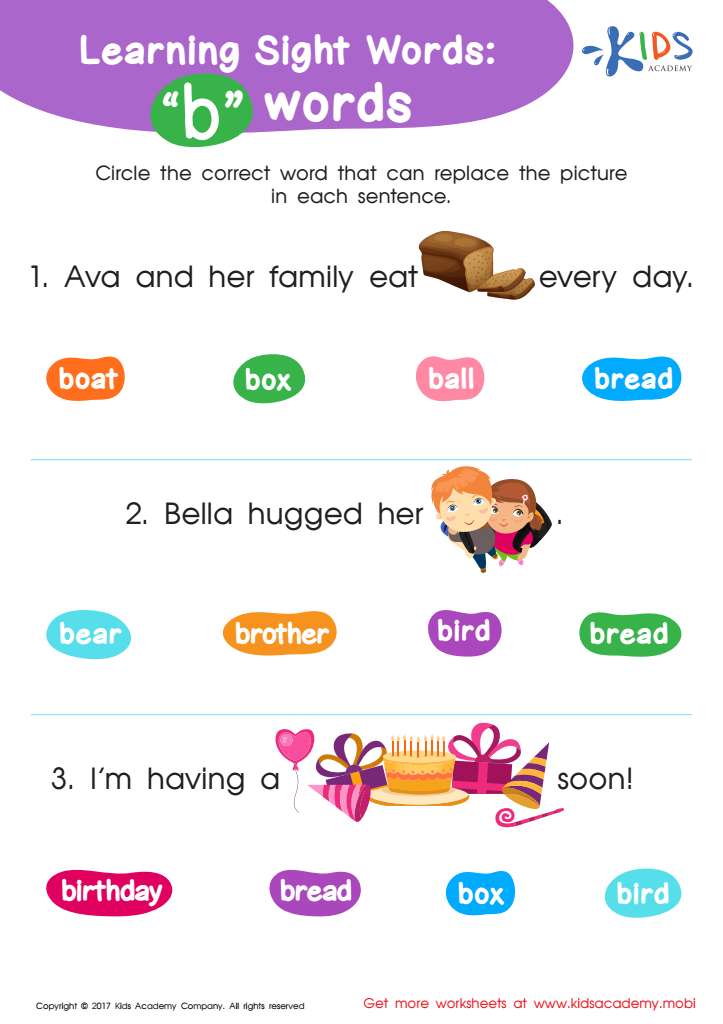
Sight Words Free Worksheet – B Words
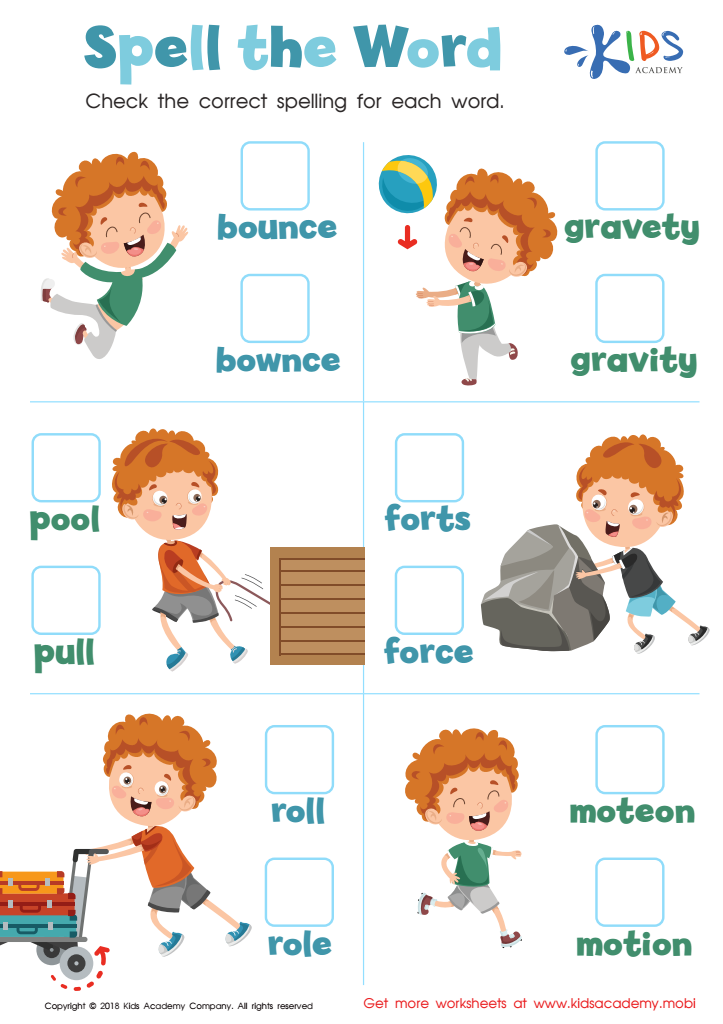
Spell the Word Worksheet
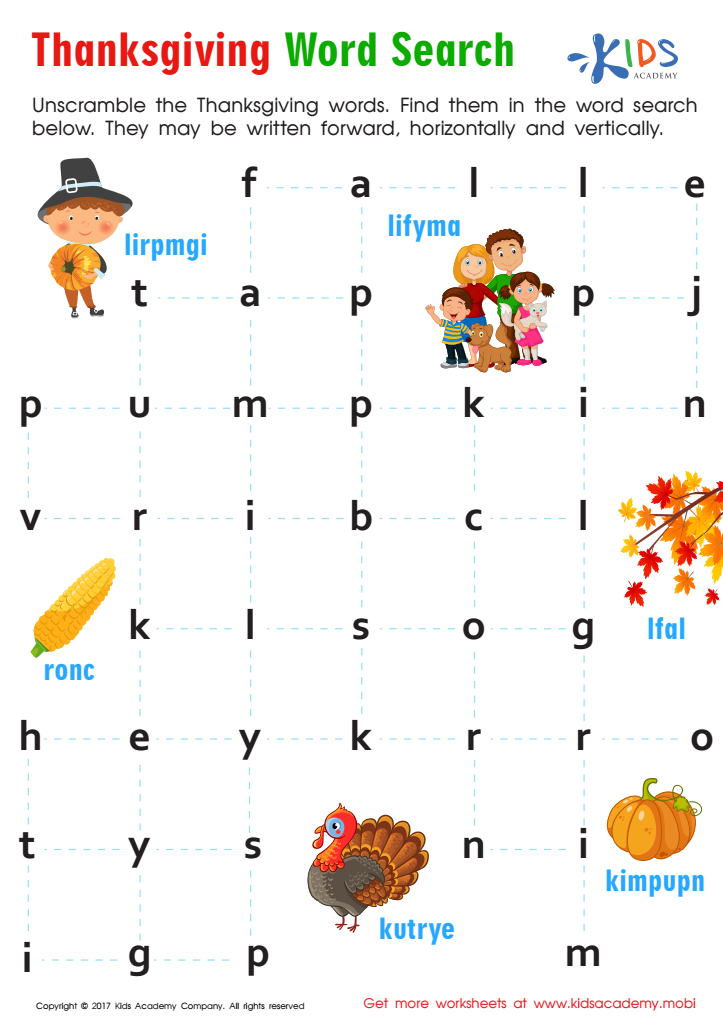
Thanksgiving Word Search Sight Words Worksheet
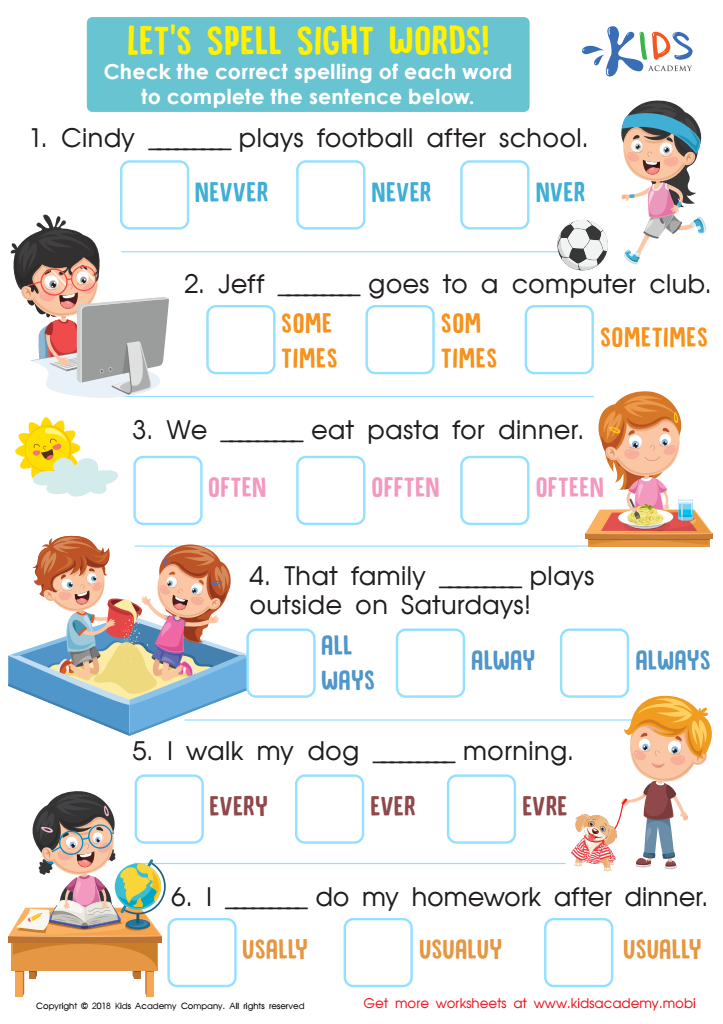
Let's Spell Sight Words Worksheet
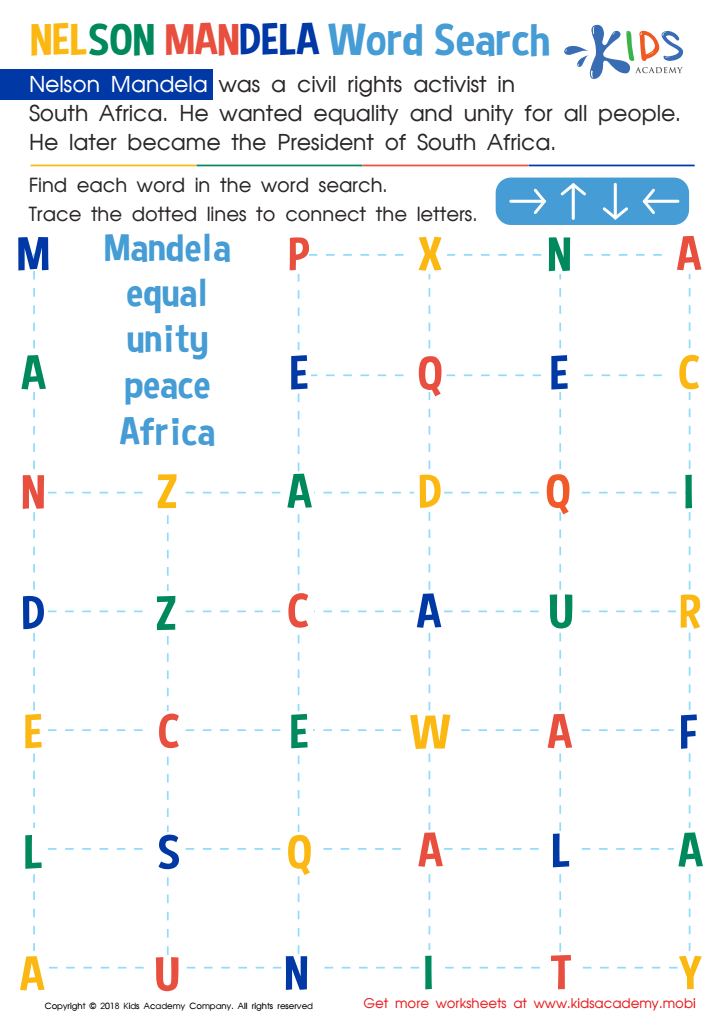
Nelson Mandela Word Search Worksheet
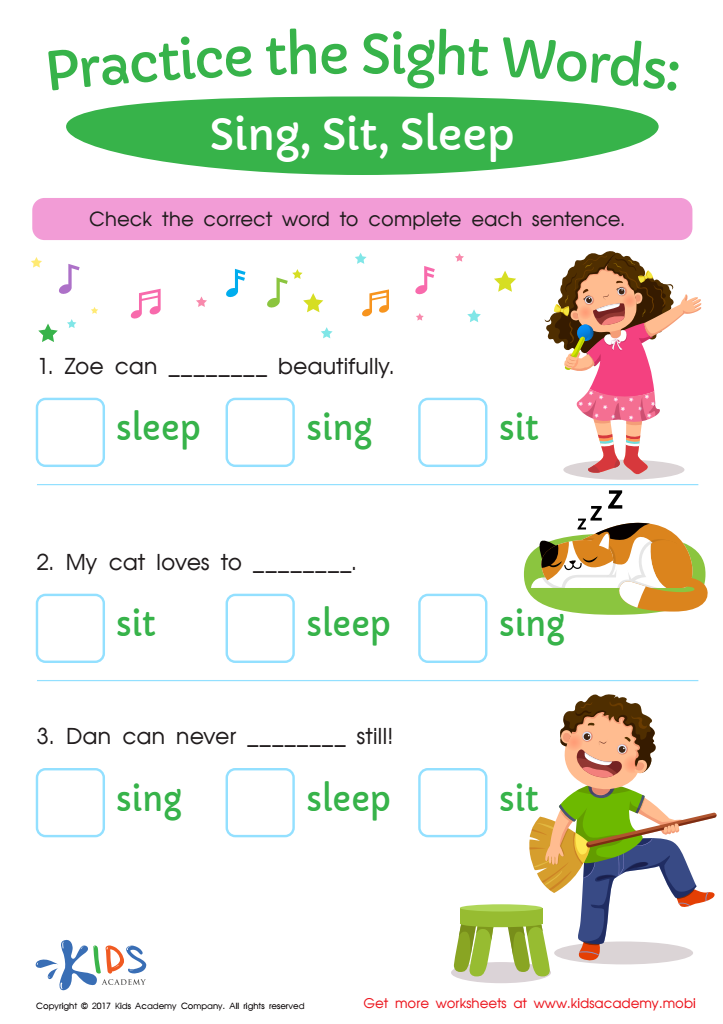
Sing, Sit, Sleep Sight Words Worksheet
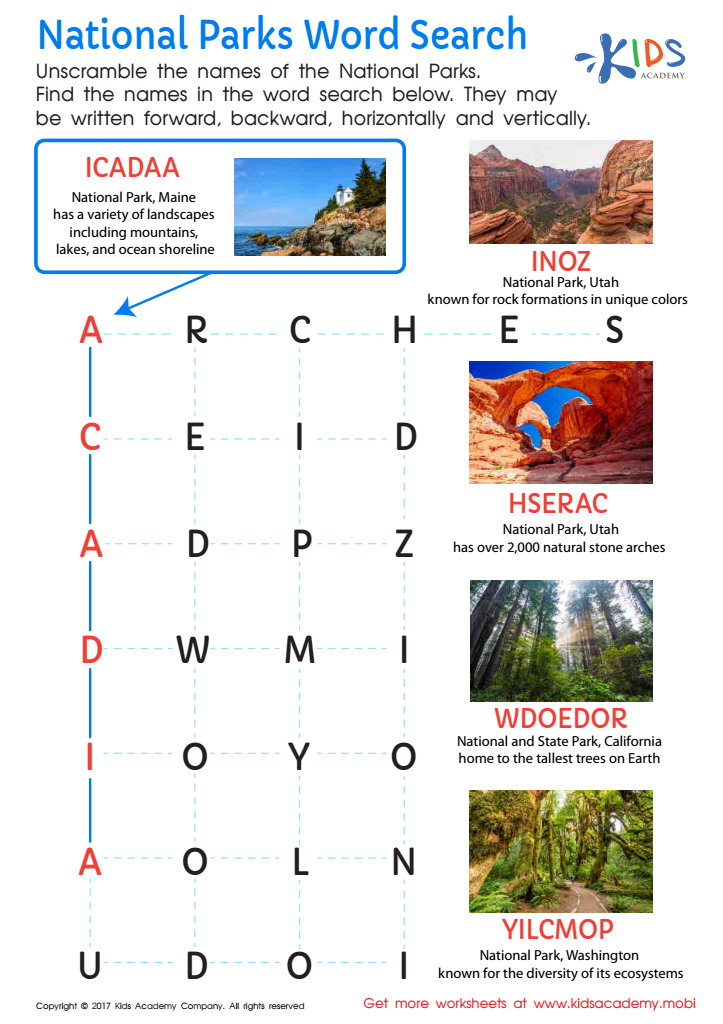
National Parks Word Search Worksheet
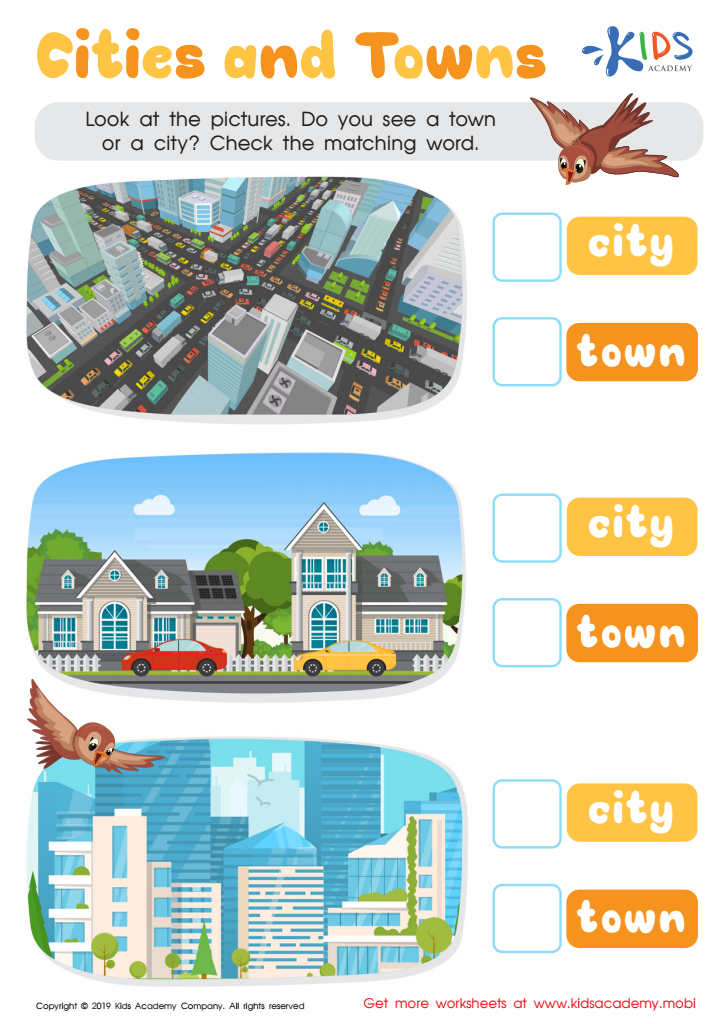
Cities and Towns Worksheet
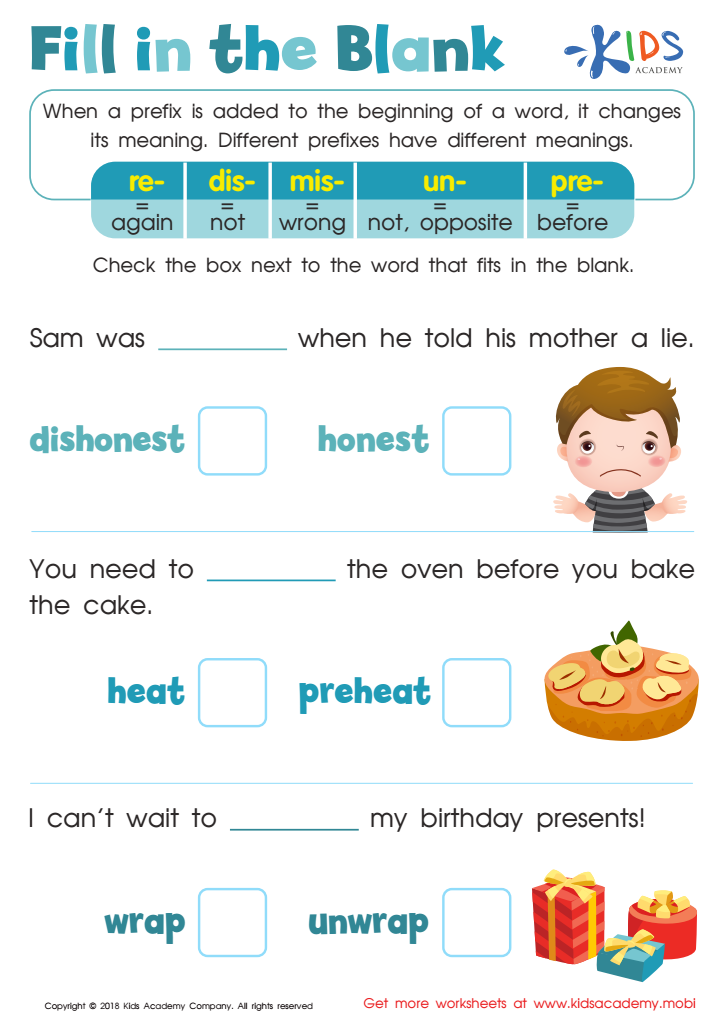
Reading: Fill in the Blank Worksheet
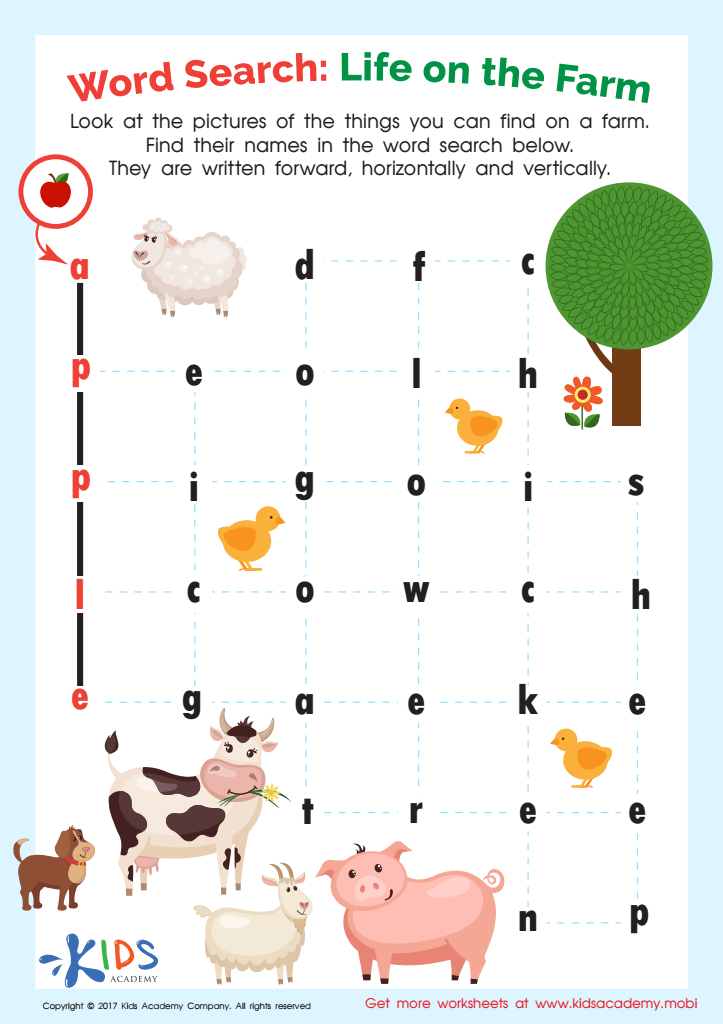
Word Search Puzzles Worksheet
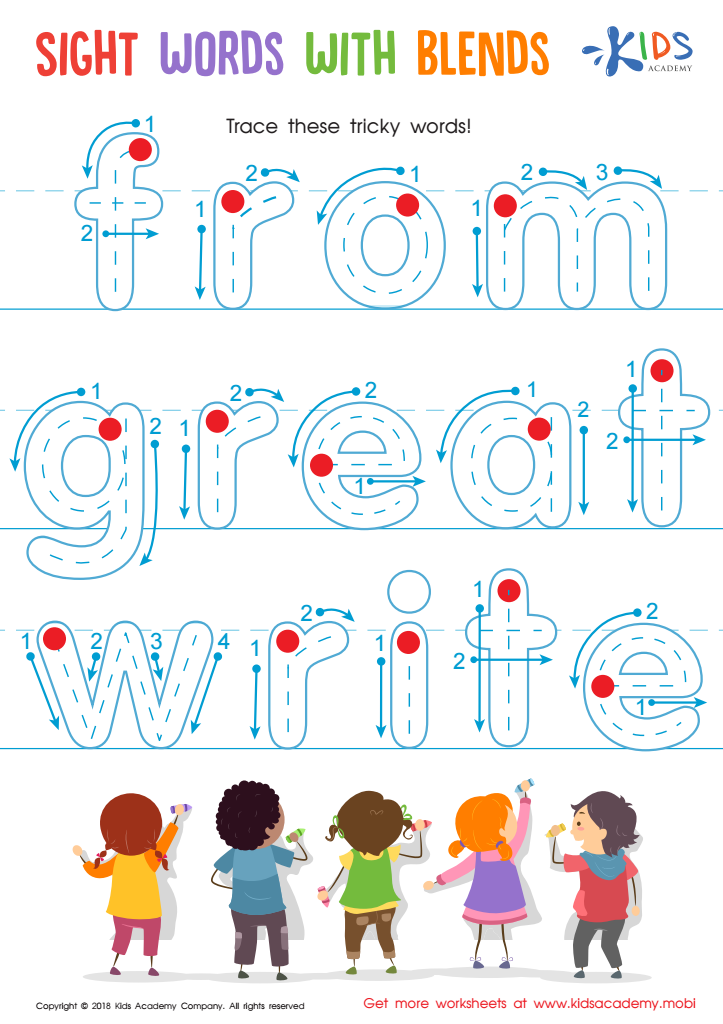
Sight Words with Blends Worksheet
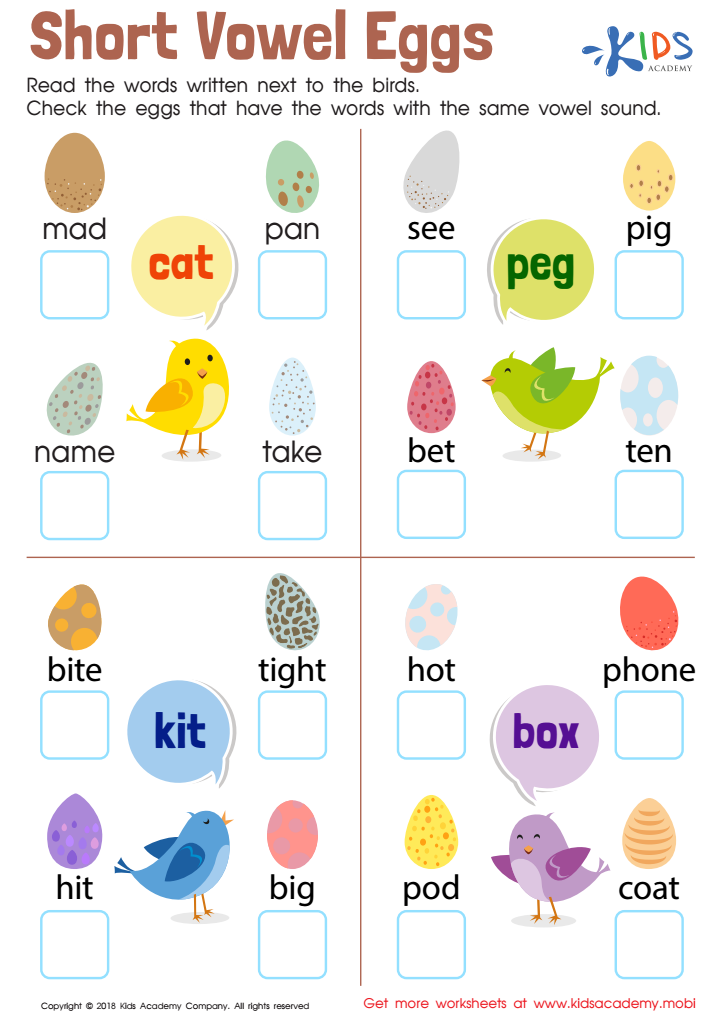
Short Vowel Eggs Worksheet
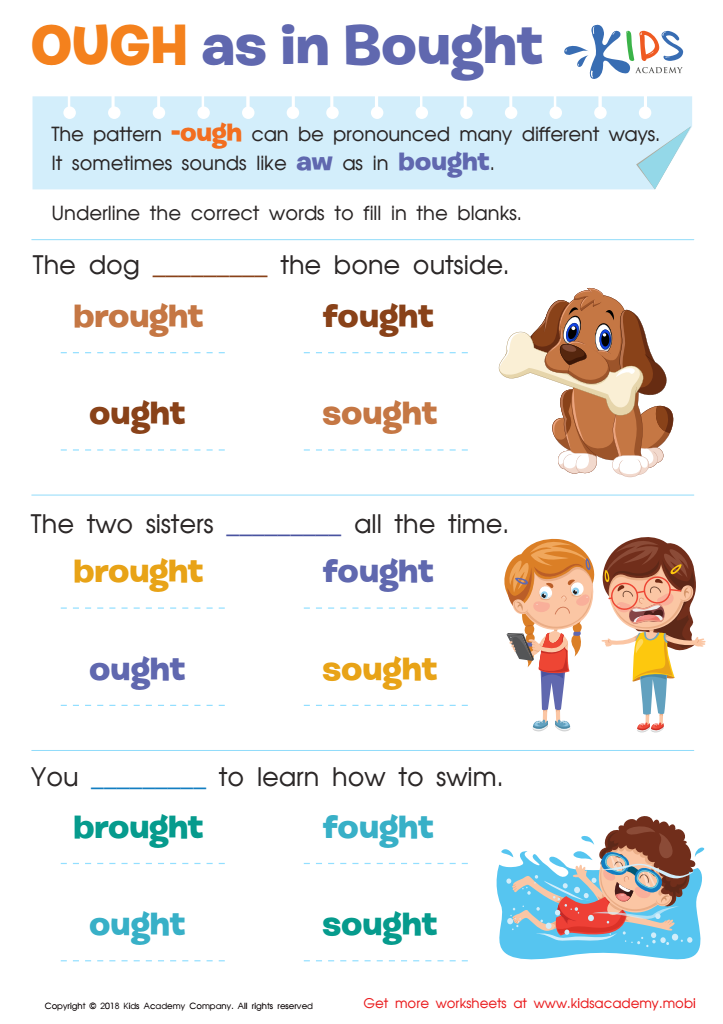
OUGH as in Bought Worksheet
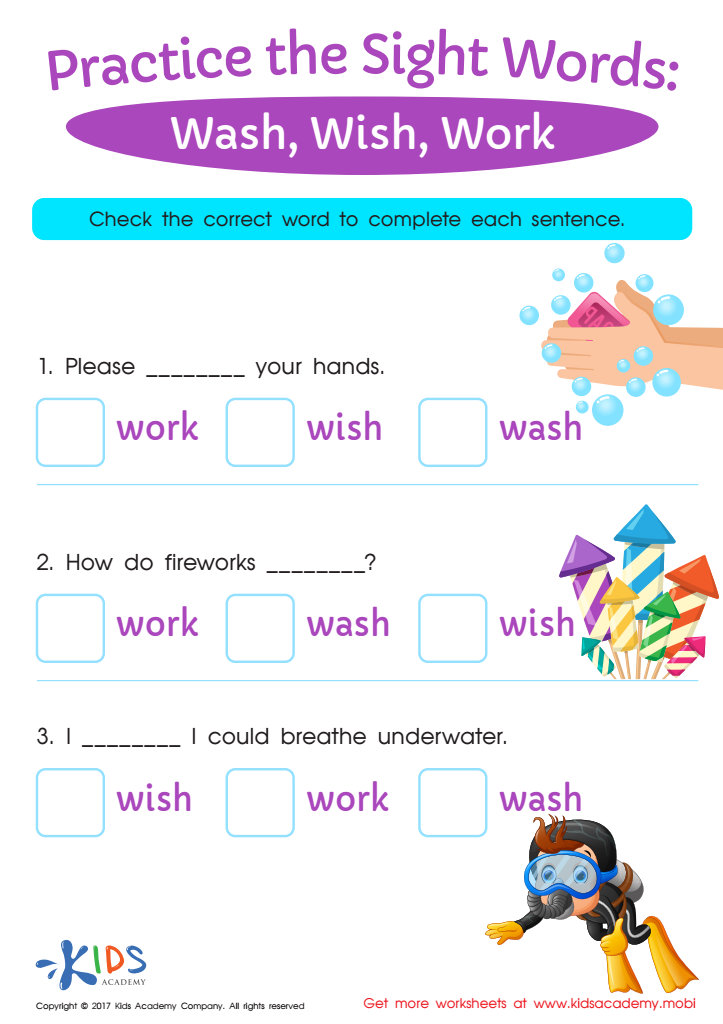
Wash, Wish, Work Sight Words Worksheet
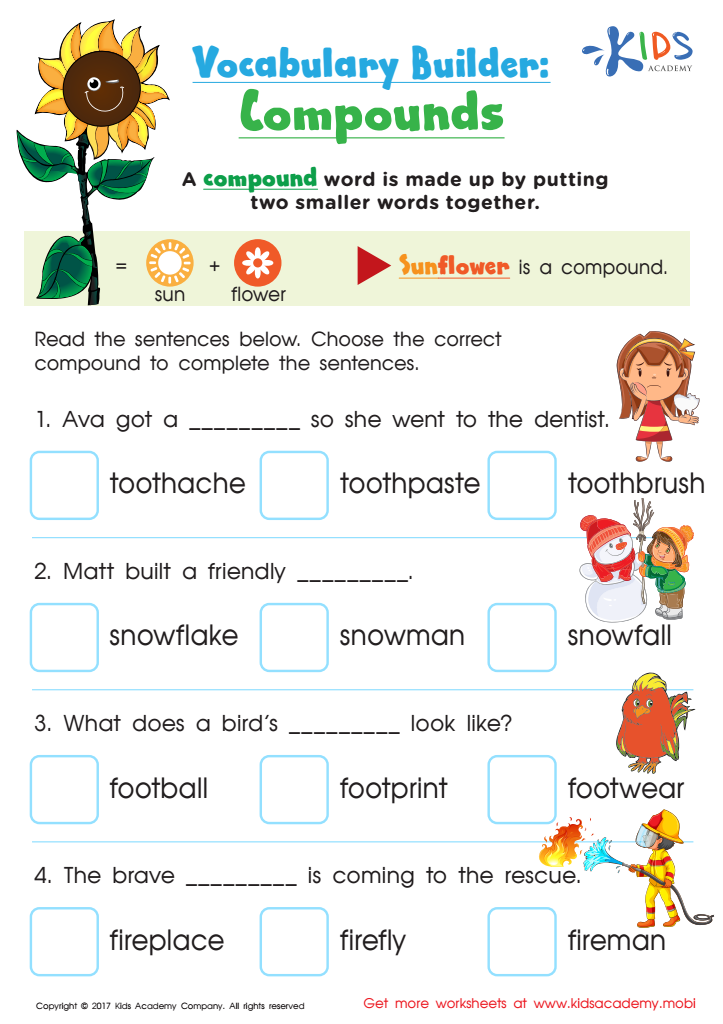
Compound Words Worksheet
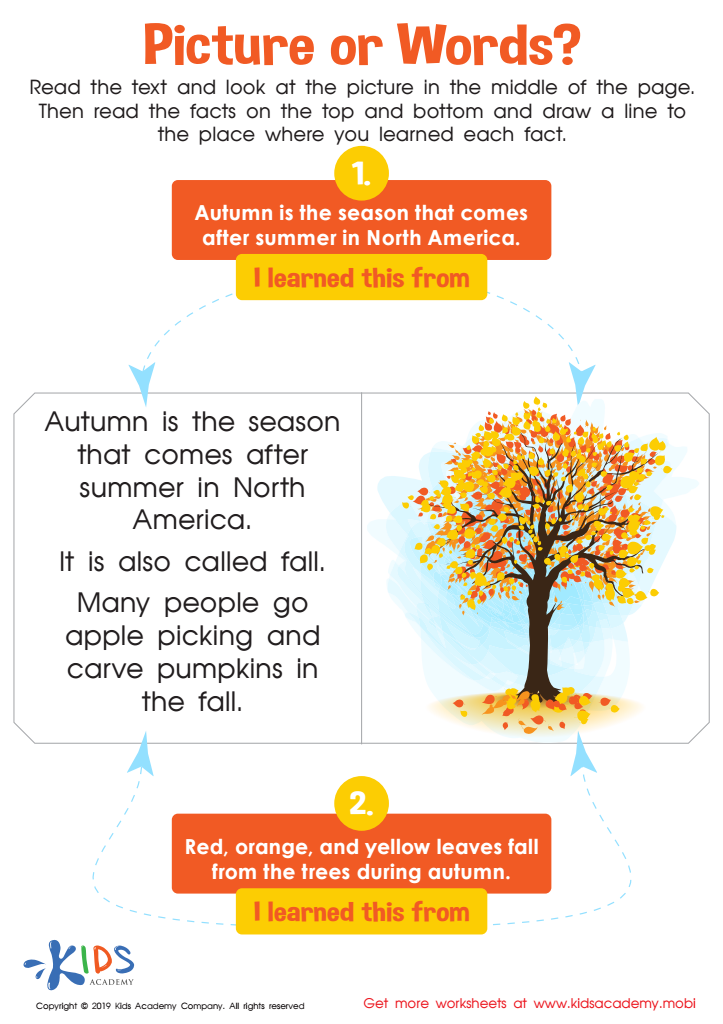
Picture Words Worksheet
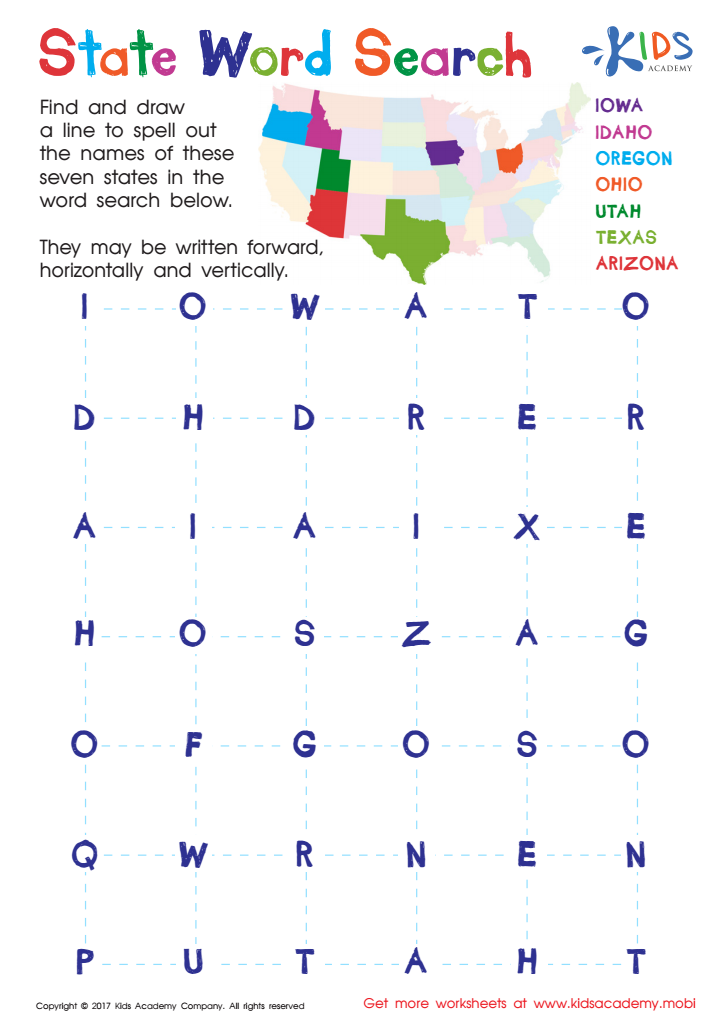
State Word Search Worksheet
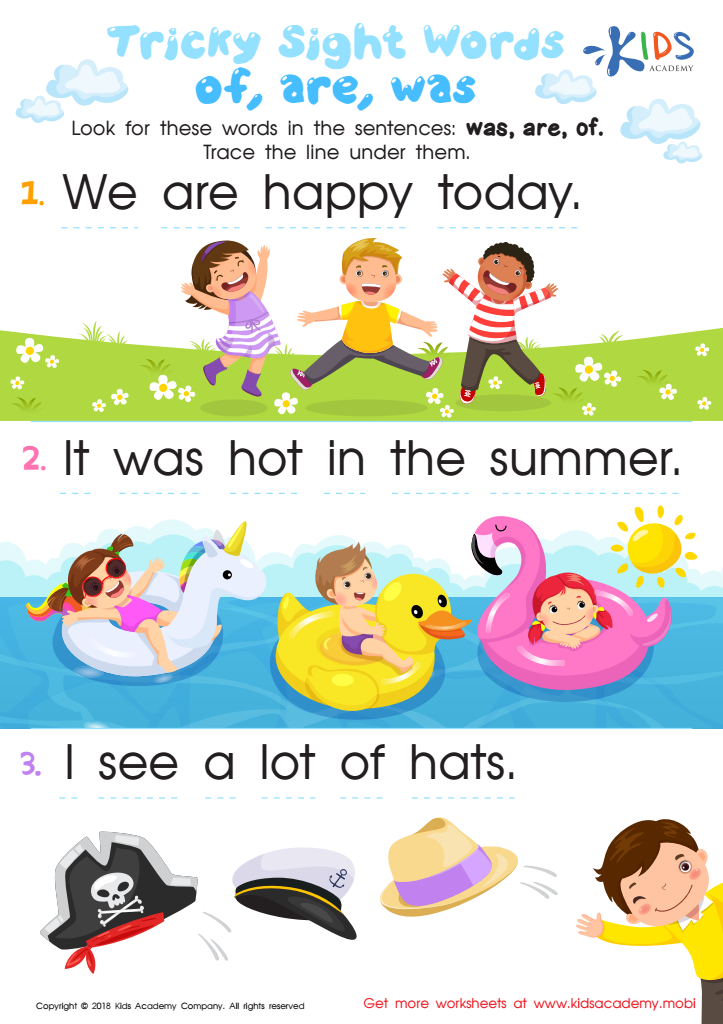
Tricky Sight Words Worksheet
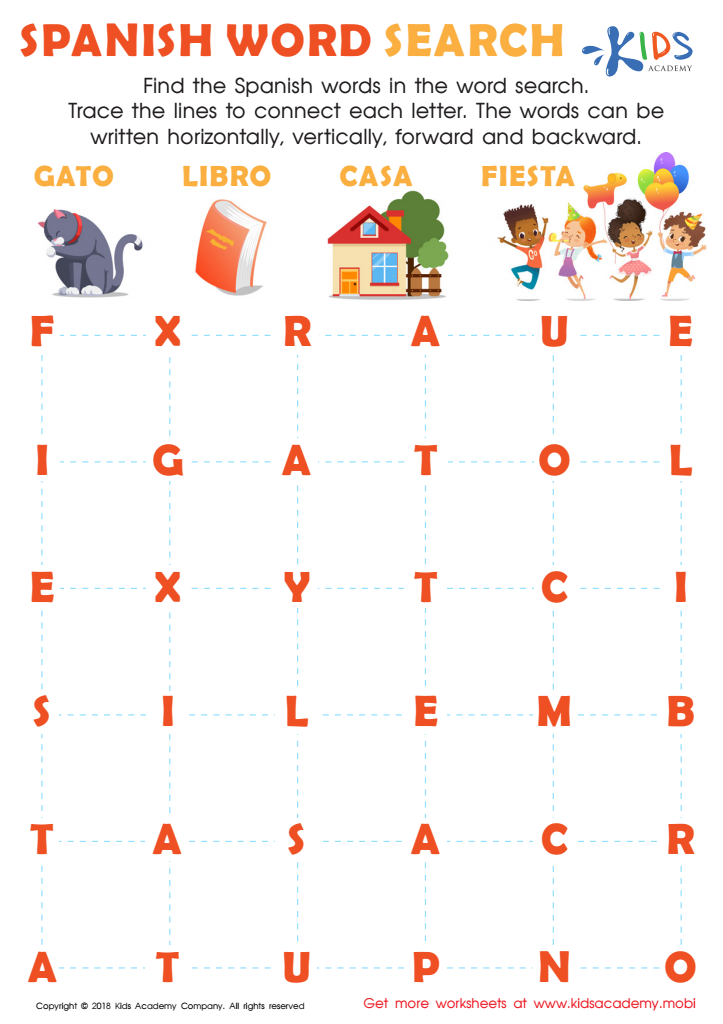
Spanish Word Search Worksheet
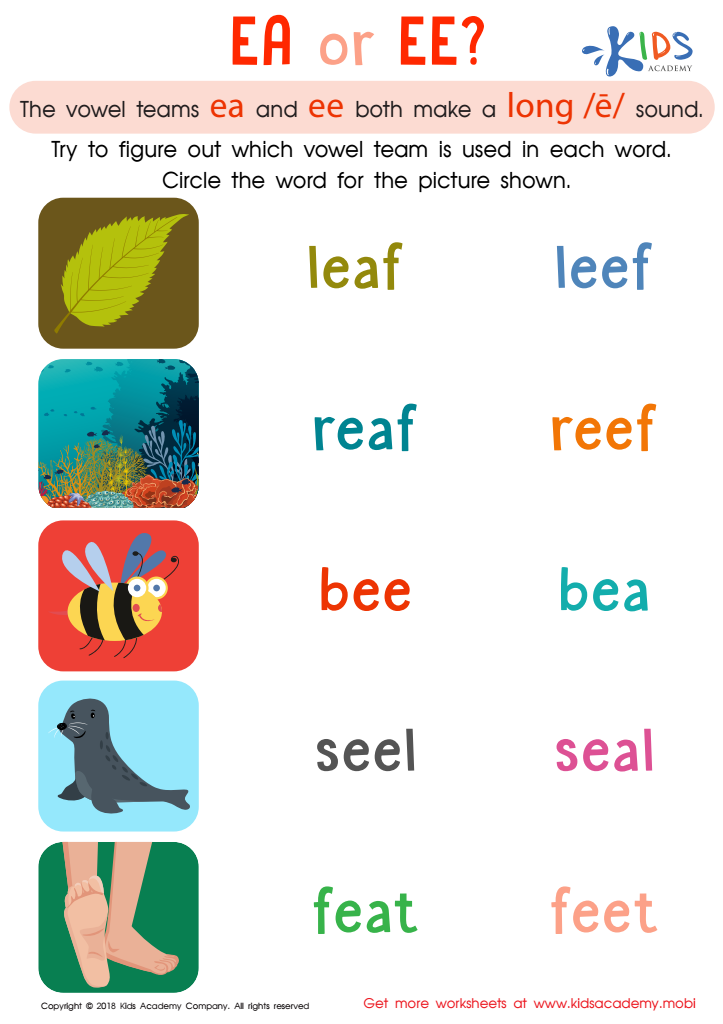
Reading: EA and EE Worksheet







.jpg)
Spelling practice and vocabulary building are fundamental aspects of a child's early education, particularly between the ages of 7-8. At this stage, children are expanding their cognitive and linguistic abilities, and a strong foundation in these areas sets the groundwork for future academic success.
Firstly, learning to spell correctly enhances reading proficiency. Knowing how words are spelled helps children recognize and decode them quickly when reading, thus improving reading fluency. Enhanced reading skills, in turn, contribute to better comprehension, allowing children to grasp more complex texts as they progress in school.
Secondly, a robust vocabulary enables clearer and more effective communication. As children learn new words, they can express their thoughts, feelings, and ideas more precisely. This linguistic clarity is essential not just for academic tasks, but also for social interactions, fostering confidence and better relationship-building.
Additionally, consistent spelling and vocabulary practice encourage critical thinking and problem-solving skills. While figuring out unfamiliar words and their usages, children hone their analytical abilities, which are invaluable across all areas of learning.
Lastly, gaining competence in spelling and vocabulary instills a sense of accomplishment. This builds children’s self-esteem and motivates them to tackle other academic challenges with a positive attitude. Parents and teachers, therefore, play a crucial role in prioritizing these practices, laying a solid educational foundation and promoting lifelong learning skills.








