
Understanding patterns Building Vocabulary Worksheets for Ages 7-8
4 filtered results
Difficulty Level
Grade
Age
-
From - To
Subject
Activity
Standards
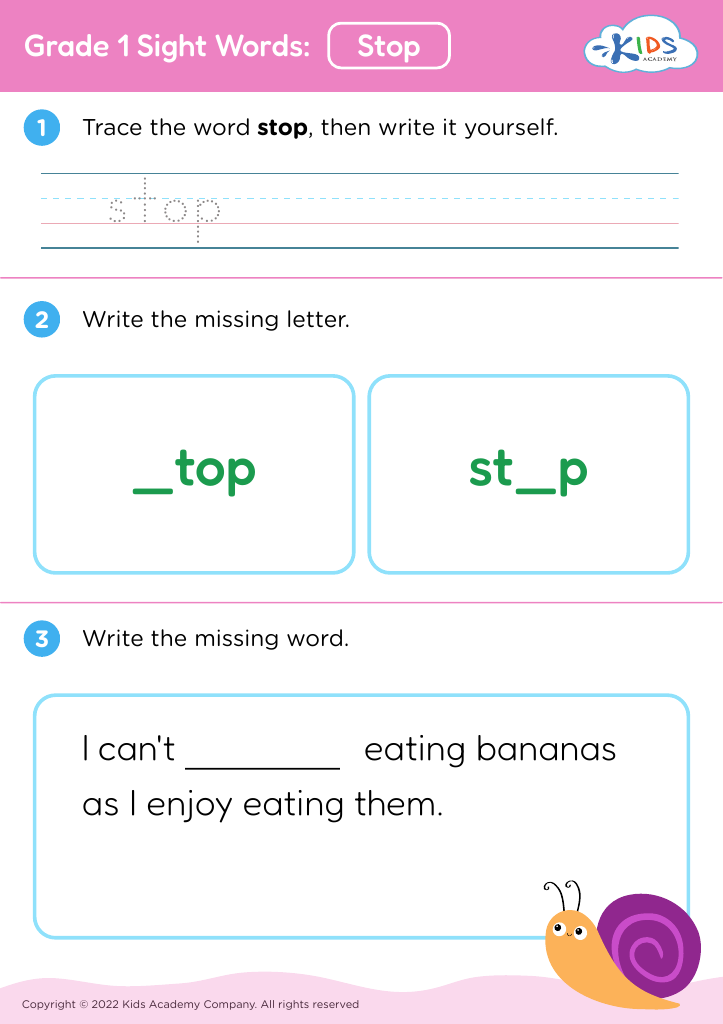
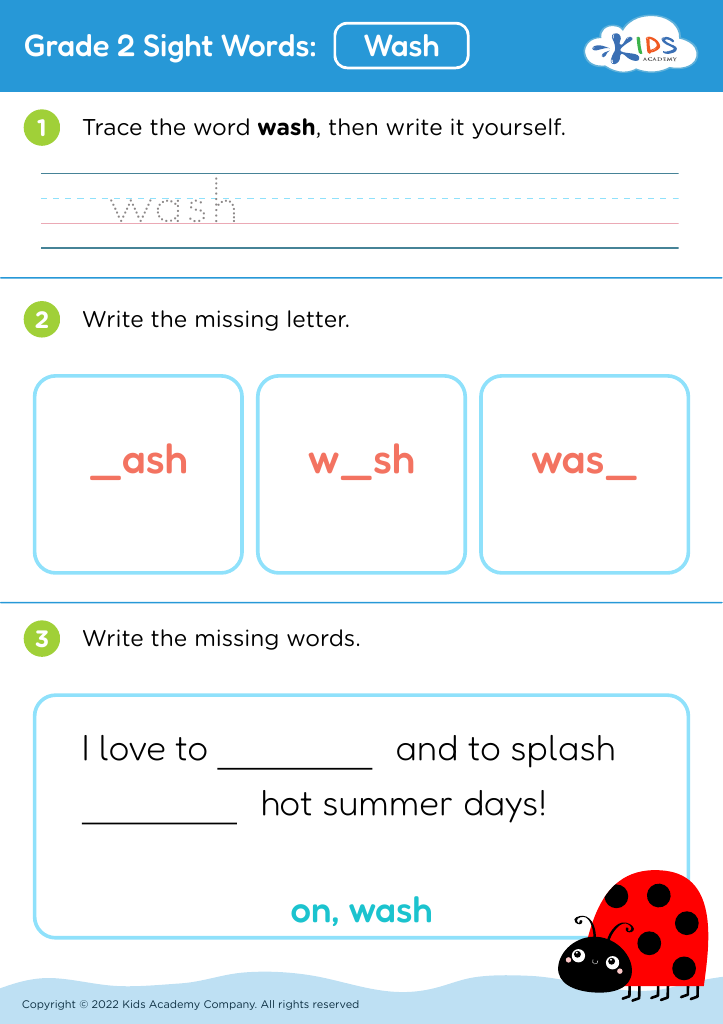
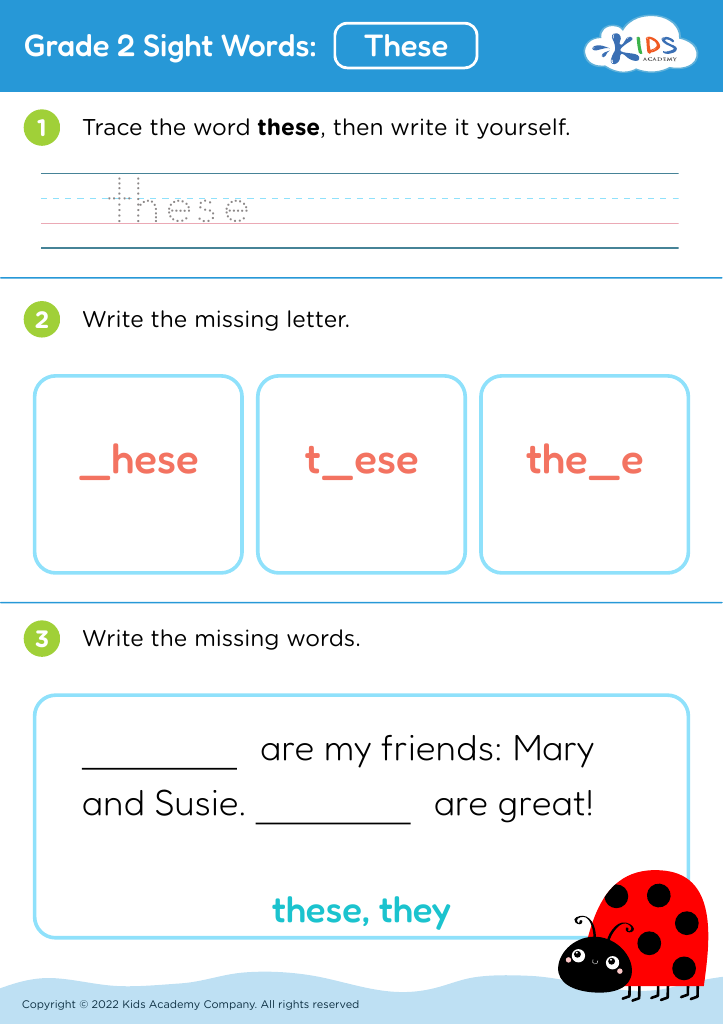
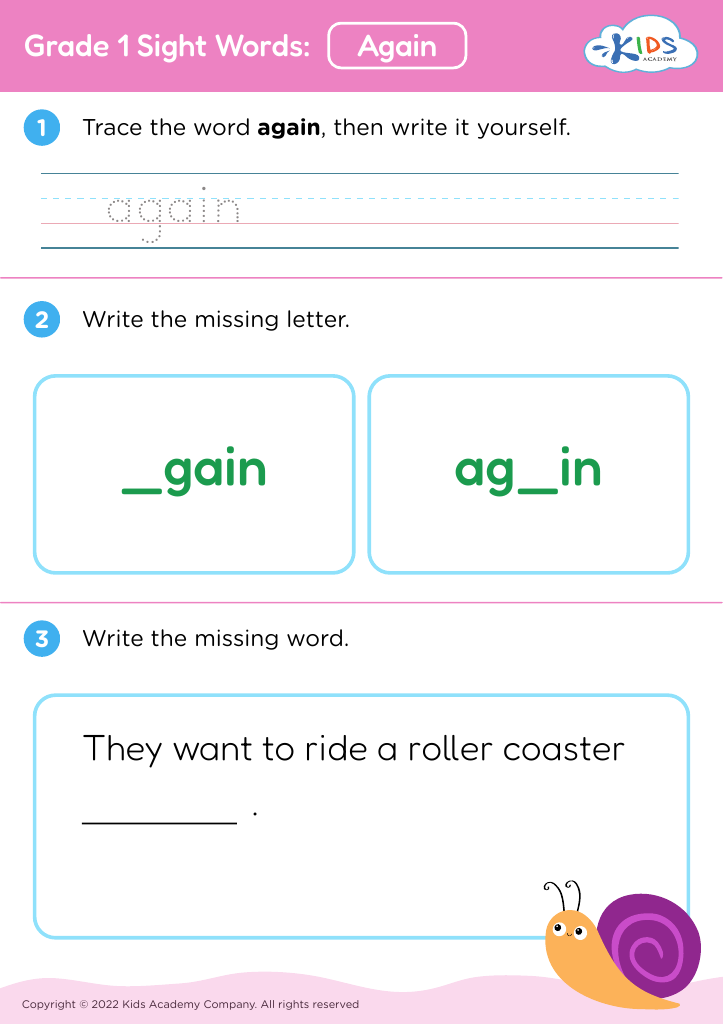
Discover engaging "Understanding Patterns Building Vocabulary Worksheets" tailored for children ages 7-8. These worksheets from Kids Academy enhance reading skills by focusing on pattern recognition and vocabulary building, essential components of early literacy. Designed to captivate young learners, the activities mix fun with educational content, ensuring kids grasp word patterns and context usage. Perfect for both classroom and home settings, these worksheets provide a foundation for academic success through interactive and enjoyable exercises. Empower your child’s vocabulary development and pattern recognition skills today with Kids Academy’s expertly crafted resources.
Favorites
With answer key
Interactive











Join Kids Academy for Free
Who is primarily going to use this learning content?


.jpg)




.jpg)
Understanding patterns and building vocabulary are crucial skills for children aged 7-8 because they are foundational to their academic and cognitive development. Patterns, both visual and numerical, help children recognize and predict sequences, honing their logical thinking and problem-solving abilities. This skill is essential not only in mathematics but also in reading and understanding text structures.
Building vocabulary at this age is equally important as it directly impacts reading comprehension and communication skills. A rich vocabulary allows children to better express themselves, understand complex instructions, and engage more deeply with texts they read. This age is a critical period for linguistic acquisition, where expanding vocabulary helps solidify language structures in the brain.
Together, pattern recognition and vocabulary development create a robust framework for future learning. Patterns help with decoding new words and understanding grammar, while a strong vocabulary allows children to make connections across various subjects. This dual focus supports cognitive flexibility, enabling children to approach problems from multiple angles and fostering a more holistic understanding of the world around them. By prioritizing these areas, parents and teachers equip children with essential tools for academic success and lifelong learning.








