Filters

7 filtered results

Clear all filters
Favorites
With answer key
Interactive

7 filtered results

Difficulty Level

Grade


Enhance your child's critical thinking skills with our engaging non-fiction reading worksheets designed for ages 7-8. Each worksheet challenges young minds with thought-provoking questions and activities, encouraging deeper comprehension and analysis. Our carefully curated resources cover a variety of topics, fostering curiosity and a love for learning. Perfect for home or classroom use, these worksheets help students develop essential skills such as identifying main ideas, understanding facts versus opinions, and making inferences. Support your child's educational journey by unlocking the doors to critical thinking with our fun and educational non-fiction worksheets.

Check out this FREE Trial Lesson on Reading Non-Fiction for age 7-8!

Identifying Point of View

Favorites
With answer key
Interactive
  • 7-8
  • Critical Thinking
  • Reading Non-Fiction
Point of View Worksheet

Point of View Worksheet

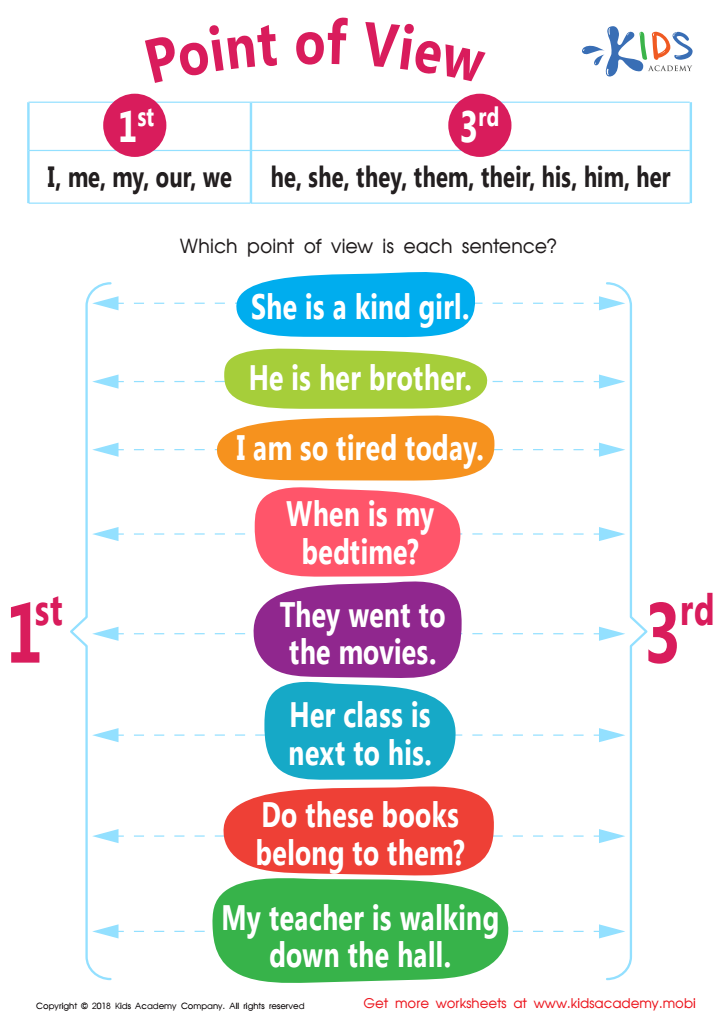
This printable worksheet helps kids understand Point of View by providing 1st and 3rd person choices. It's a fun way to practice differentiating between the two viewpoints and improve their reading comprehension. Match the sentences to 1st or 3rd person to strengthen understanding and enjoy the task!
Point of View Worksheet
Worksheet
Explanatory Writing Worksheet

Explanatory Writing Worksheet

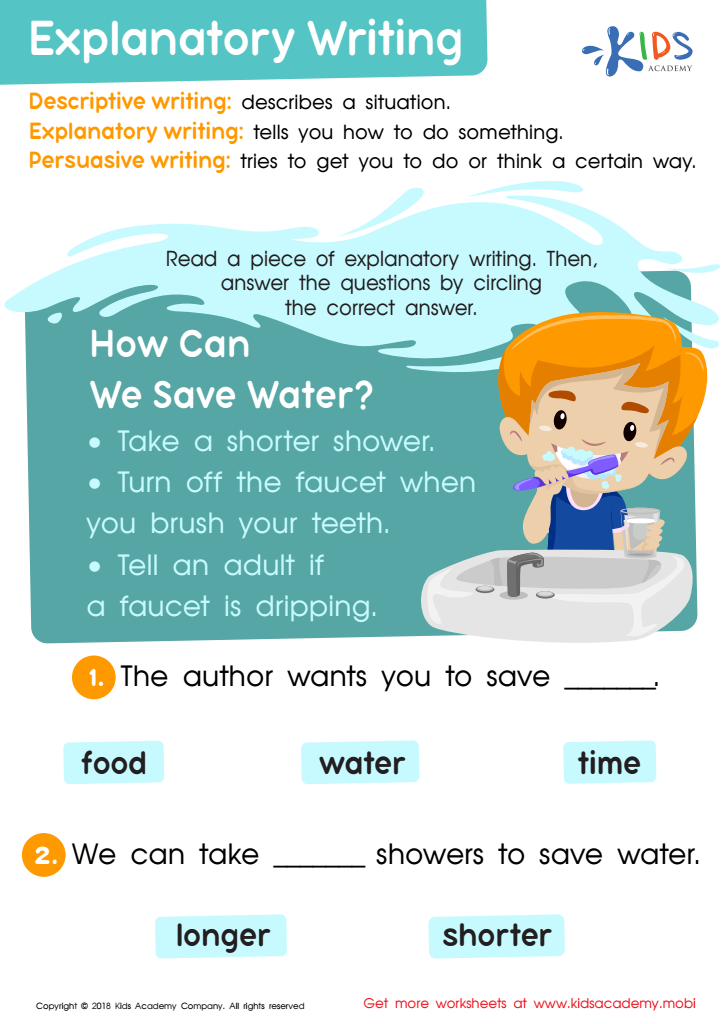
This worksheet teaches kids the three main types of writing. Descriptive writing describes a situation, explanatory writing explains how to do something, and persuasive writing is used to sway readers' opinions. Read the text and help your kids answer the questions by circling the right answer.
Explanatory Writing Worksheet
Worksheet
Am I a Mammal or Bird? Worksheet

Am I a Mammal or Bird? Worksheet

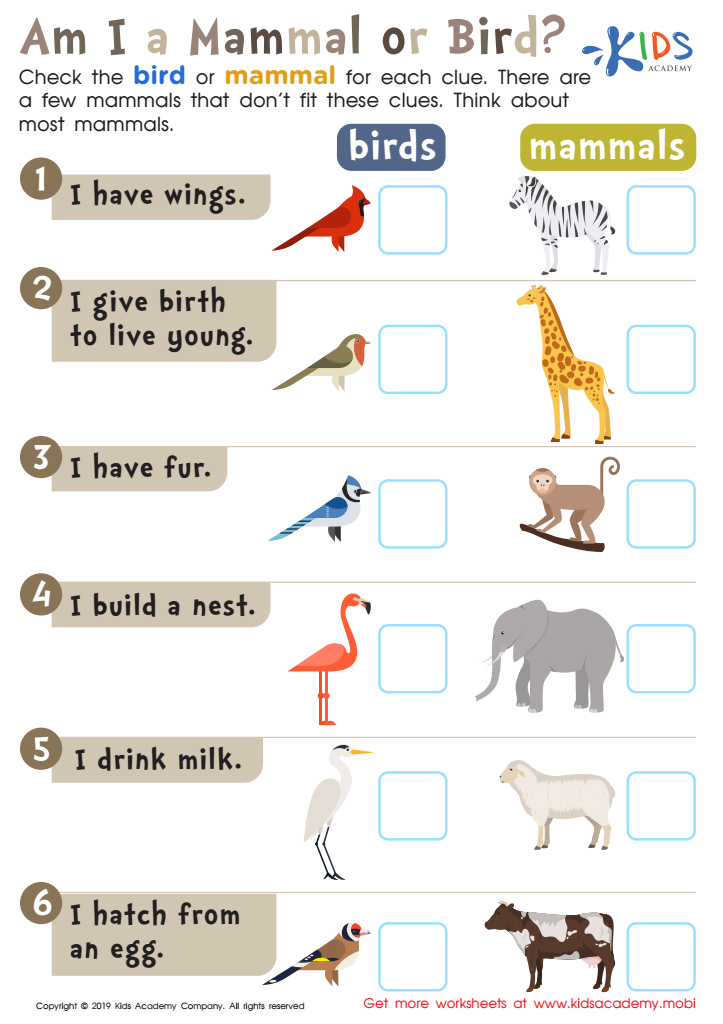
We categorize animals into groups such as mammals, birds, reptiles, etc. This worksheet helps kids understand the difference between birds and mammals. Read through the clues and think about each one. Then decide if it describes a bird or mammal, check the box and complete!
Am I a Mammal or Bird? Worksheet
Worksheet
What Am I? Worksheet

What Am I? Worksheet

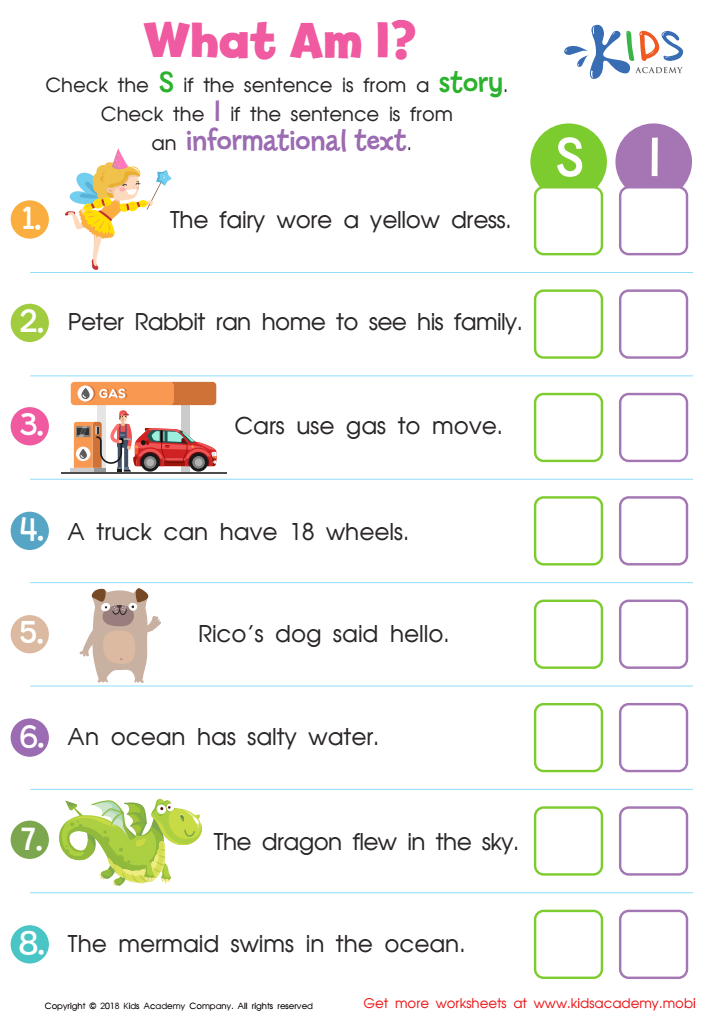
This worksheet assesses students' ability to differentiate between stories and texts they read for facts. Students learn to distinguish between reading for pleasure and reading for information. It includes statements from both a story and an informational text, and students must decide what type of text it is.
What Am I? Worksheet
Worksheet
Mountain Animals Worksheet

Mountain Animals Worksheet

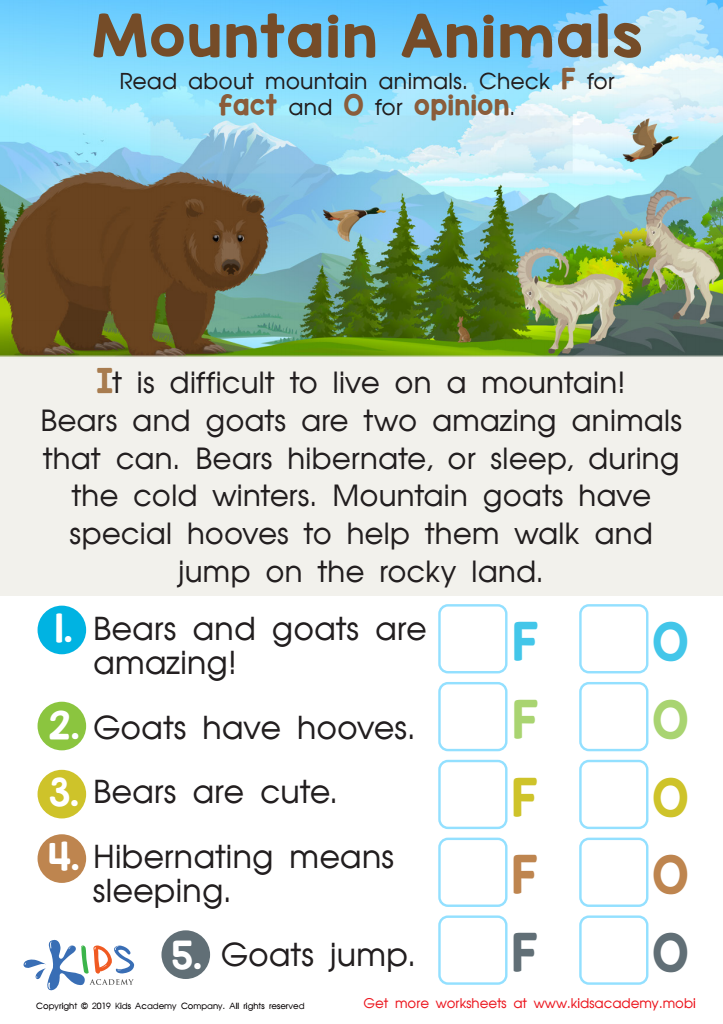
Is mountain wildlife amazing? Fact or fiction? Help your child sharpen critical-thinking skills with this engaging worksheet. Featuring a fun nonfiction passage about animals like bears and goats, your child will read through the text and identify each statement as fact or fiction. Perfect for boosting reading comprehension and analytical abilities!
Mountain Animals Worksheet
Worksheet
Assessment: First Thanksgiving Worksheet

Assessment: First Thanksgiving Worksheet

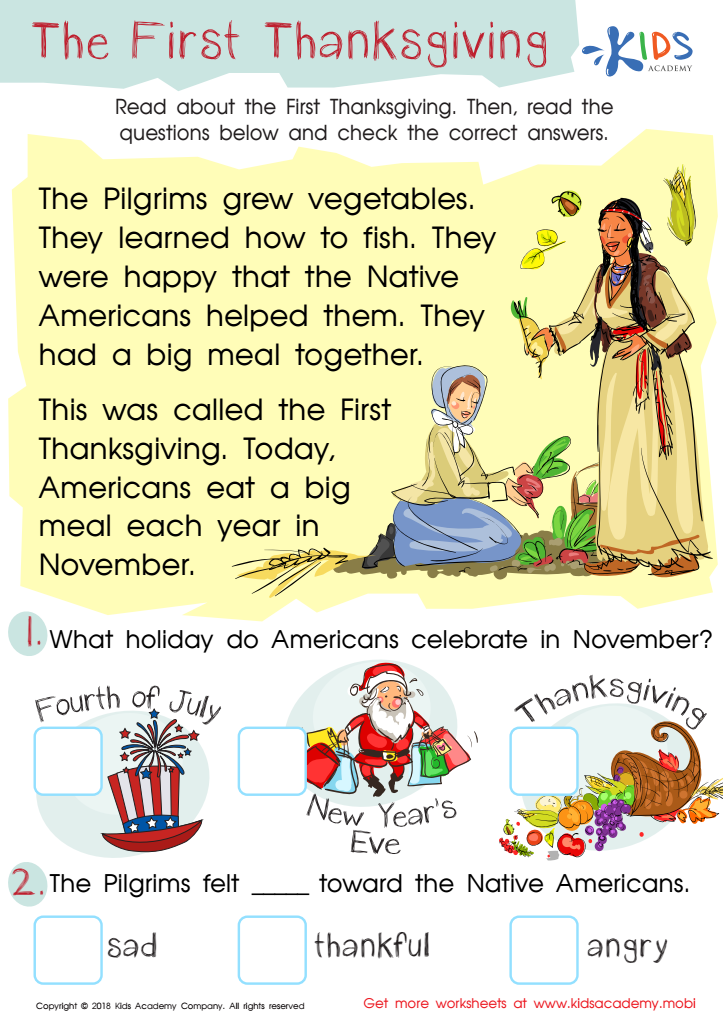
When the Pilgrims arrived in America in 1620, they met the Native Americans and formed a pact to live in harmony. The Native Americans taught the Pilgrims how to survive in the new land, which helped them celebrate the First Thanksgiving. Read this text to your children and help them answer the questions below.
Assessment: First Thanksgiving Worksheet
Worksheet
Ben Franklin Part 2 Worksheet


Ben Franklin Part 2 Worksheet

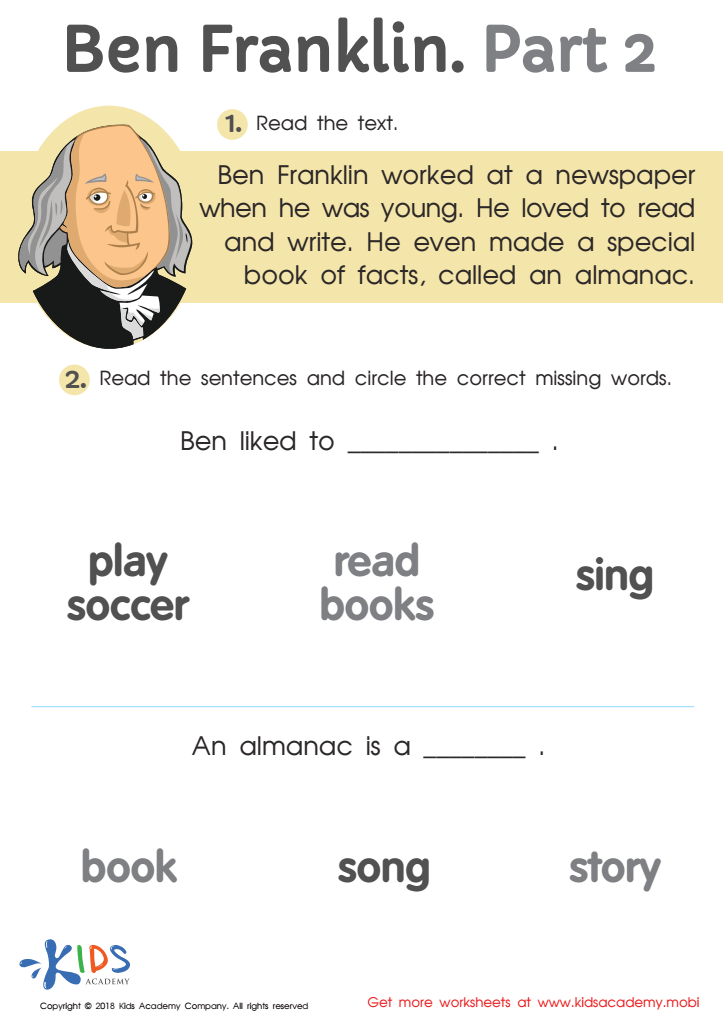
History is filled with great figures, like Benjamin Franklin. Let your kids in on the legacy by introducing them to the founder of the US fire department, diplomat, and inventor. Then, use a worksheet to have them fill in the blanks with the correct word to teach them more. Read the text, then read the sentences and have them circle the missing word.
Ben Franklin Part 2 Worksheet
Worksheet


Parents and teachers should prioritize Critical Thinking Reading in non-fiction for ages 7-8 because it lays a crucial foundation for lifelong learning and intellectual development. At this stage, children's cognitive abilities are rapidly expanding, making it an ideal time to promote critical thinking skills. Through reading non-fiction, children engage with factual information that stimulates curiosity about the world around them, enhancing their knowledge and vocabulary.

Non-fiction texts encourage young readers to question, analyze, and synthesize information, skills that are essential for problem-solving and informed decision-making. By understanding different viewpoints and interpreting evidence, children can distinguish between facts and opinions, an increasingly important skill in the digital age where information overload can lead to confusion and misinformation.

Furthermore, reading non-fiction helps children develop research skills and a systematic approach to learning new topics. It also fosters perseverance and concentration, as non-fiction texts often require careful attention to understand complex concepts. Encouraging these skills at a young age bridges the gap to later academic and real-world challenges, promoting independent and critical thinkers.

By investing in critical thinking through non-fiction reading, parents and teachers equip children with tools not only for academic success but also for becoming thoughtful, informed members of society capable of navigating and contributing to an increasingly complex world.