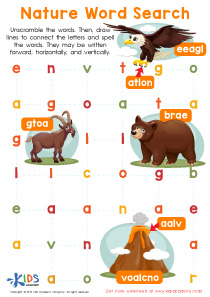
Fraction simplification Sight Words Worksheets for Ages 7-8
10 filtered results
-
From - To
Discover our engaging Fraction Simplification Sight Words Worksheets, designed specifically for ages 7-8. These educational resources combine essential math skills with reading practice, helping children simplify fractions while reinforcing their sight word vocabulary. Our worksheets feature a variety of fun and challenging exercises, encouraging young learners to build confidence, improve comprehension, and enhance their problem-solving abilities. Perfect for classroom use or at-home learning, these printable worksheets support children in mastering critical fractions and sight words through interactive, hands-on activities. Start your child's journey to math and reading excellence with us today!
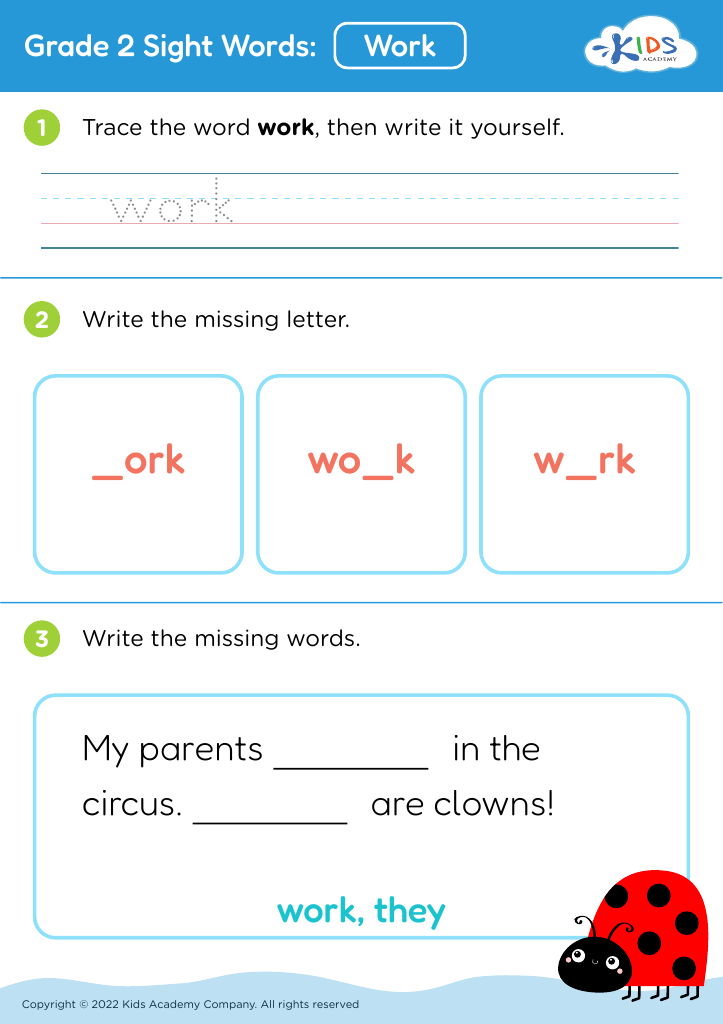





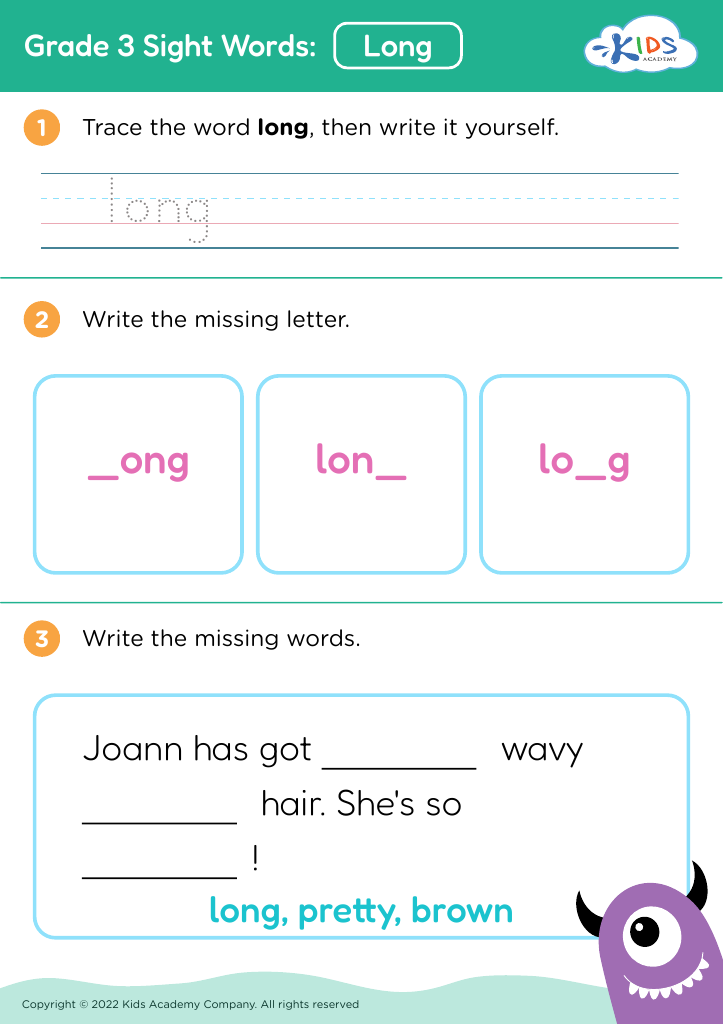
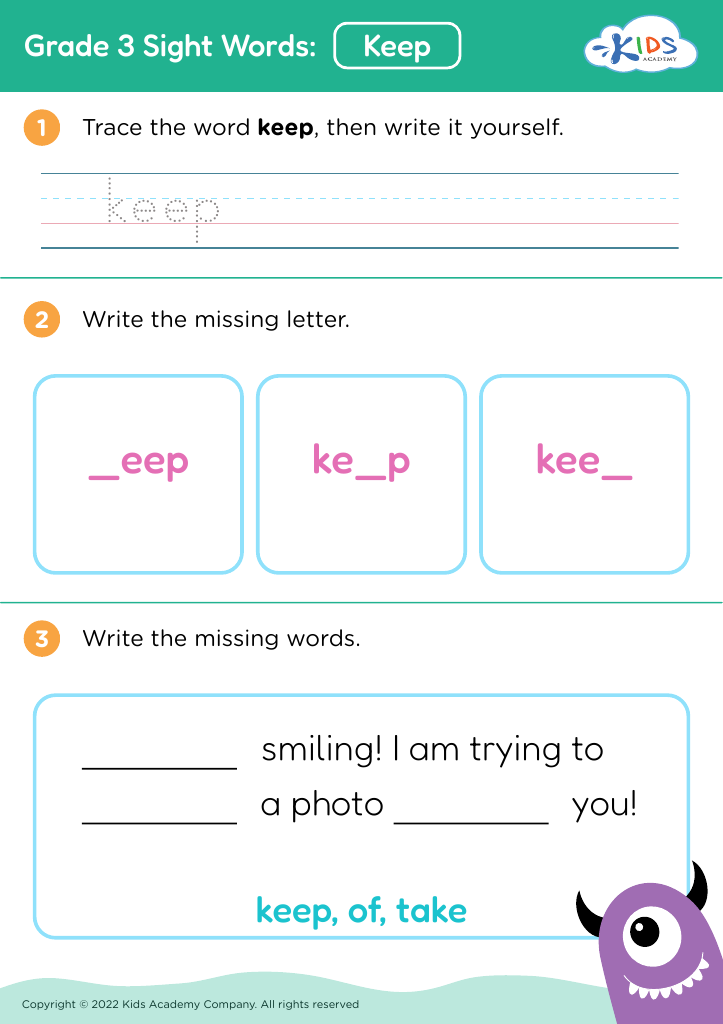
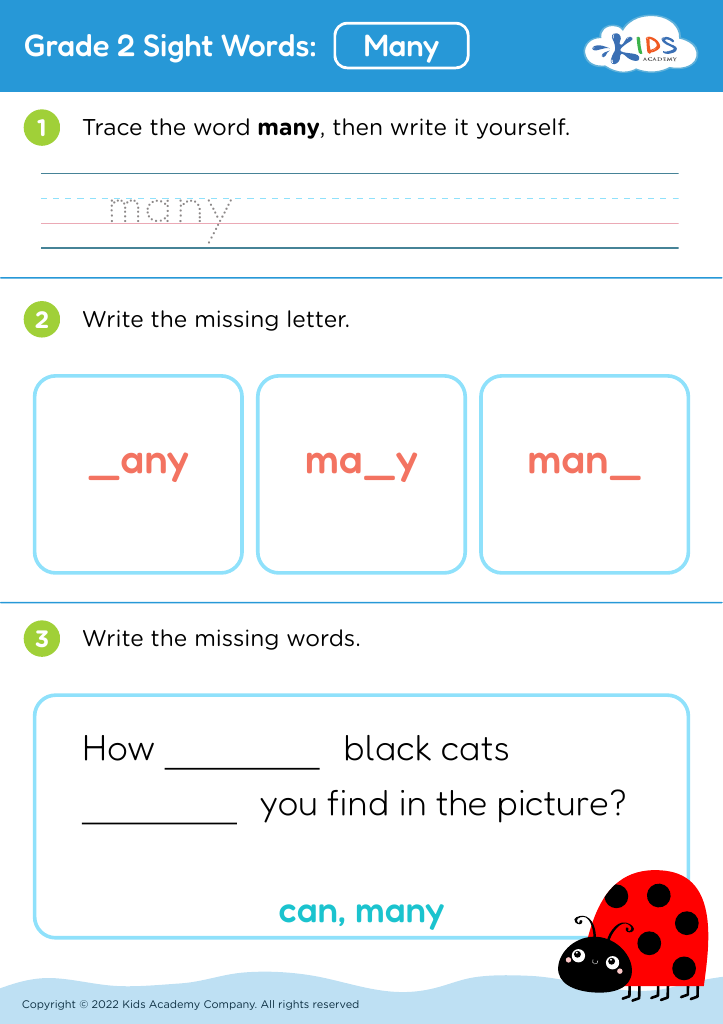
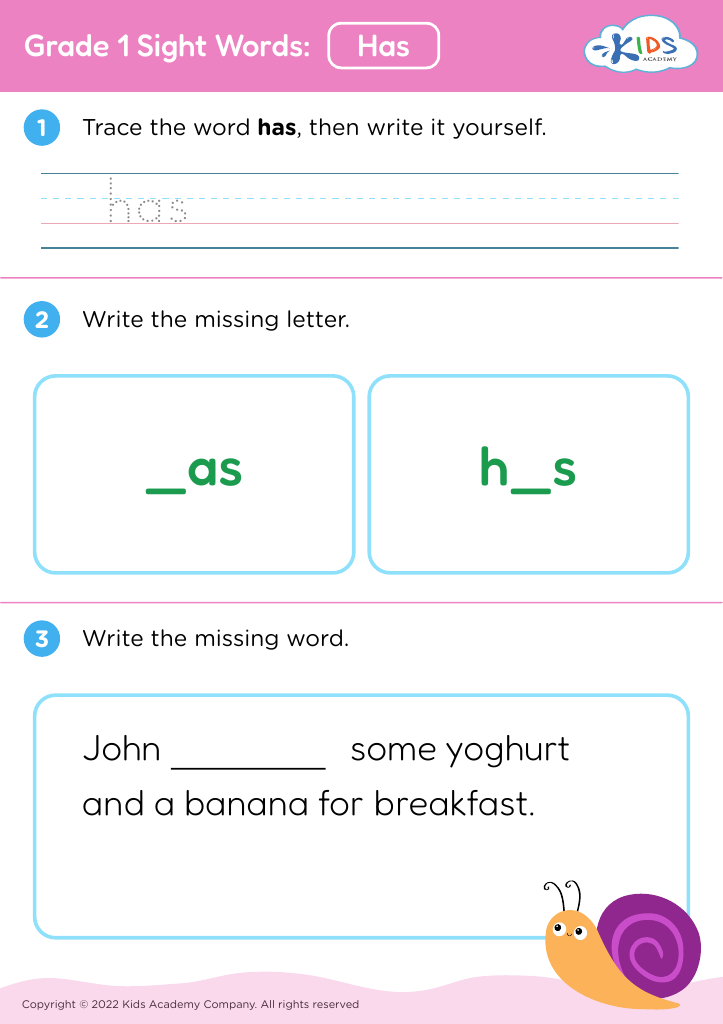
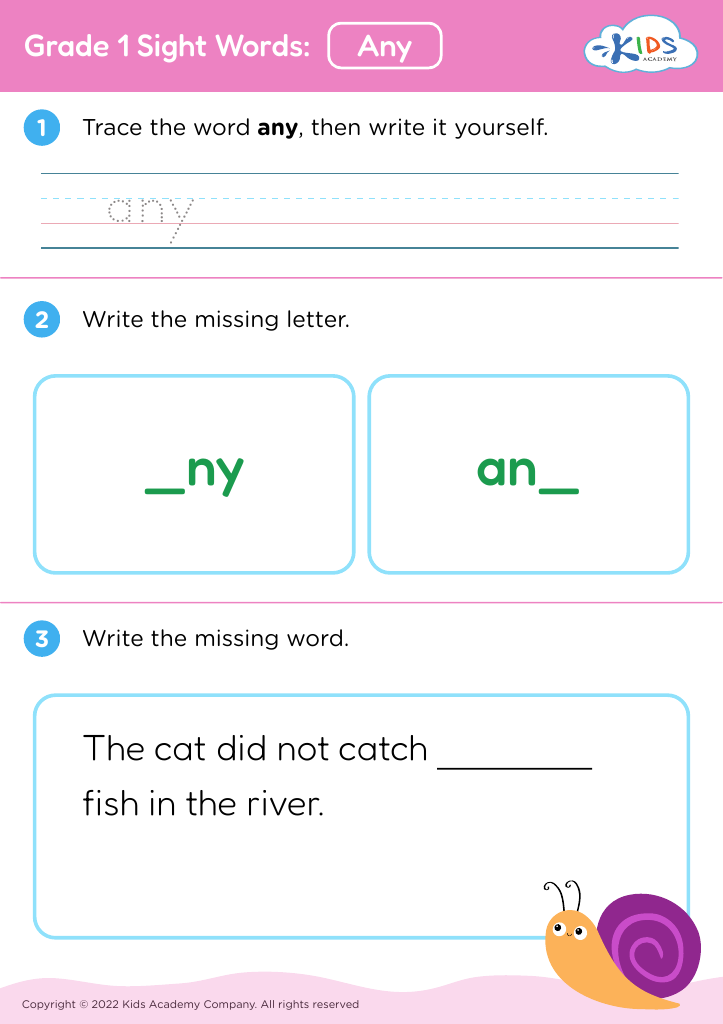
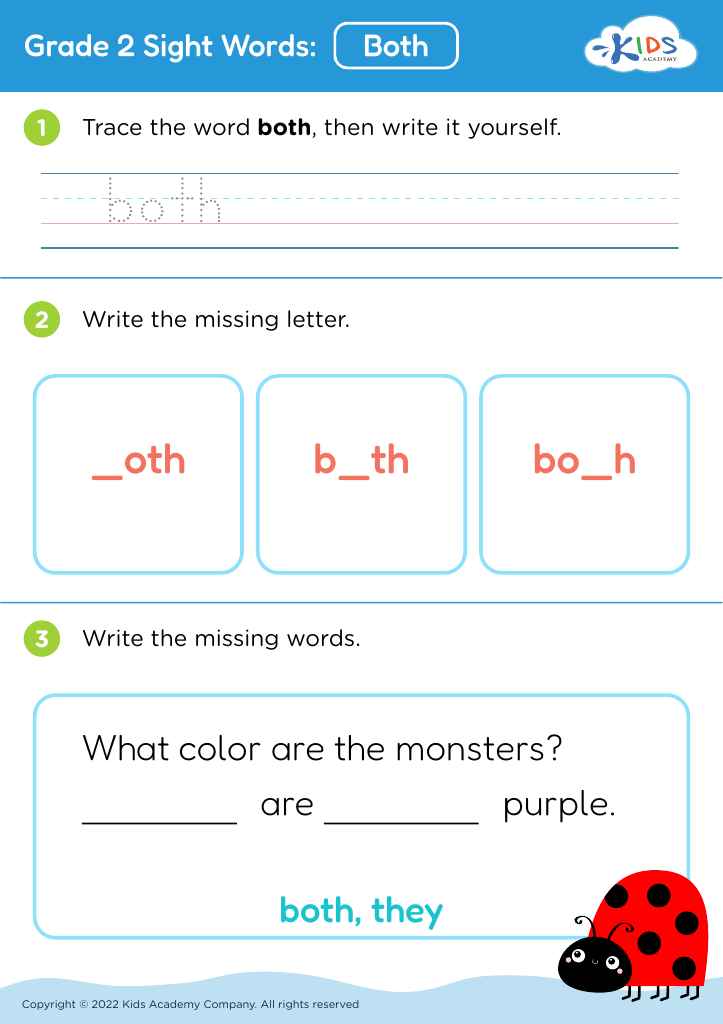
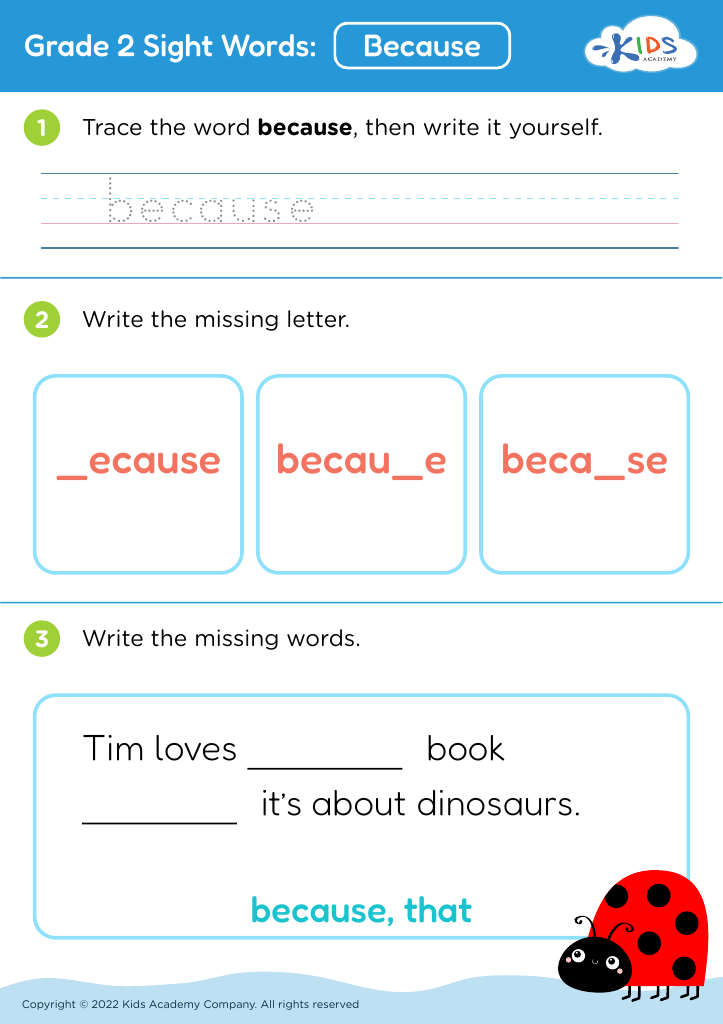








Fraction simplification and sight words are foundational skills for children aged 7-8, significantly impacting their academic development. Fraction simplification helps students understand and work with parts of a whole, which is essential in various math concepts. Learning this skill at an early age builds a strong mathematical foundation, making it easier for children to grasp more complex topics in later grades, such as division, ratios, and algebra. Simplifying fractions encourages logical thinking and problem-solving, fostering a positive attitude towards mathematics.
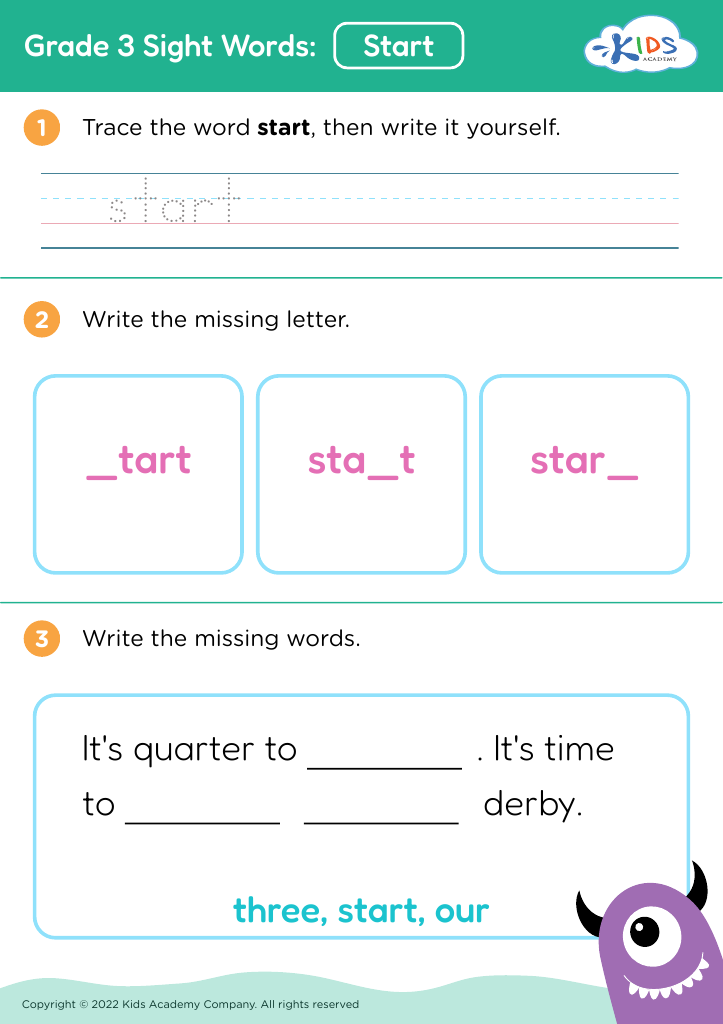
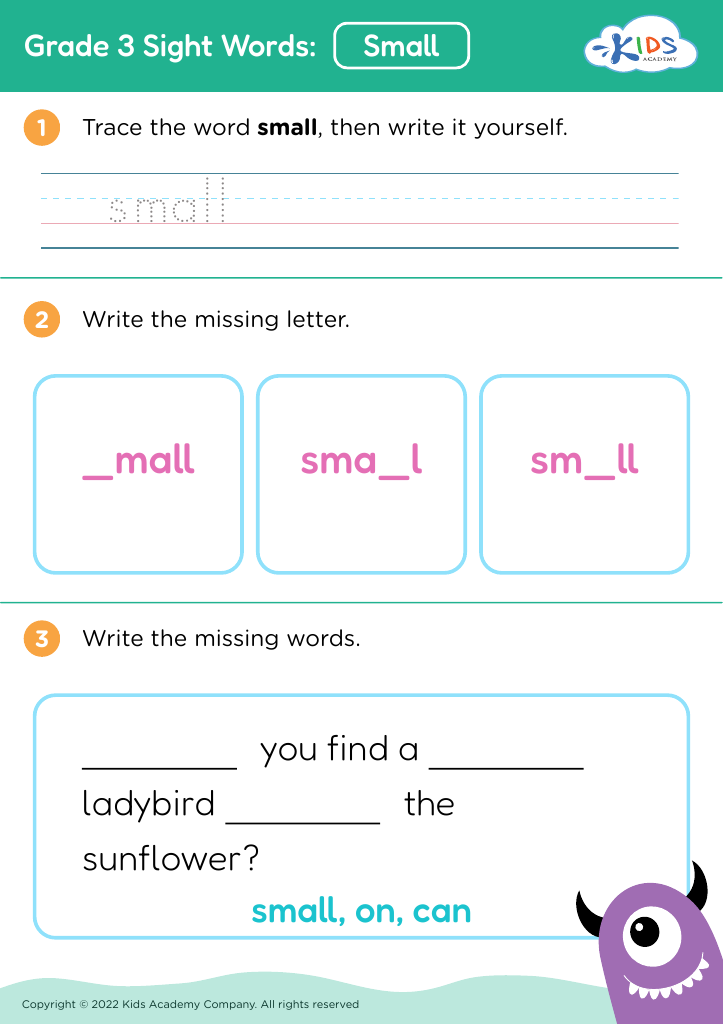
Sight words, on the other hand, are high-frequency words that children encounter regularly while reading. Mastery of these words boosts reading fluency, improved comprehension, and confidence. Because sight words often do not follow regular phonetic rules, recognizing them quickly is crucial. This proficiency allows children to read more smoothly, facilitating better understanding of text and fostering a love for reading.
Teachers and parents should prioritize these skills because they are building blocks for essential academic competencies. Investing time and effort into these areas not only empowers children to succeed in math and literacy but also instills lifelong skills that support overall learning and critical thinking abilities. Cultivating these abilities early lays the groundwork for future academic achievement and boosts children's self-esteem and enthusiasm for learning.