Color recognition Worksheets for Ages 7-9 - Page 4
88 filtered results
-
From - To
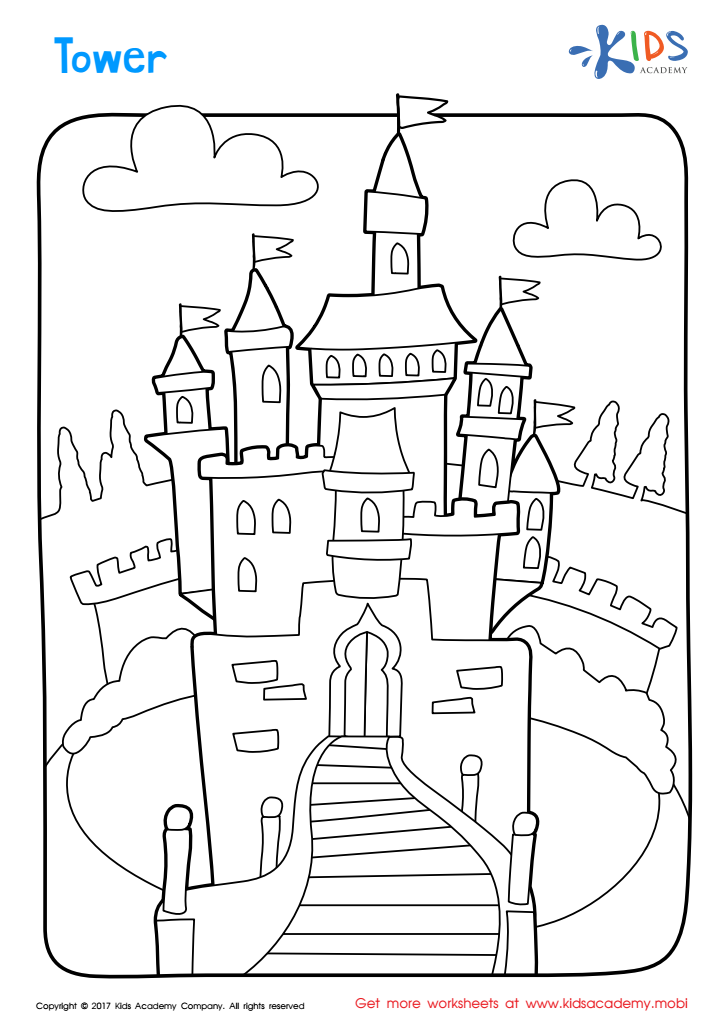
Tower Coloring Page
 Assign to My Students

White and Pink Coloring Fun Worksheet
Assign to My Students
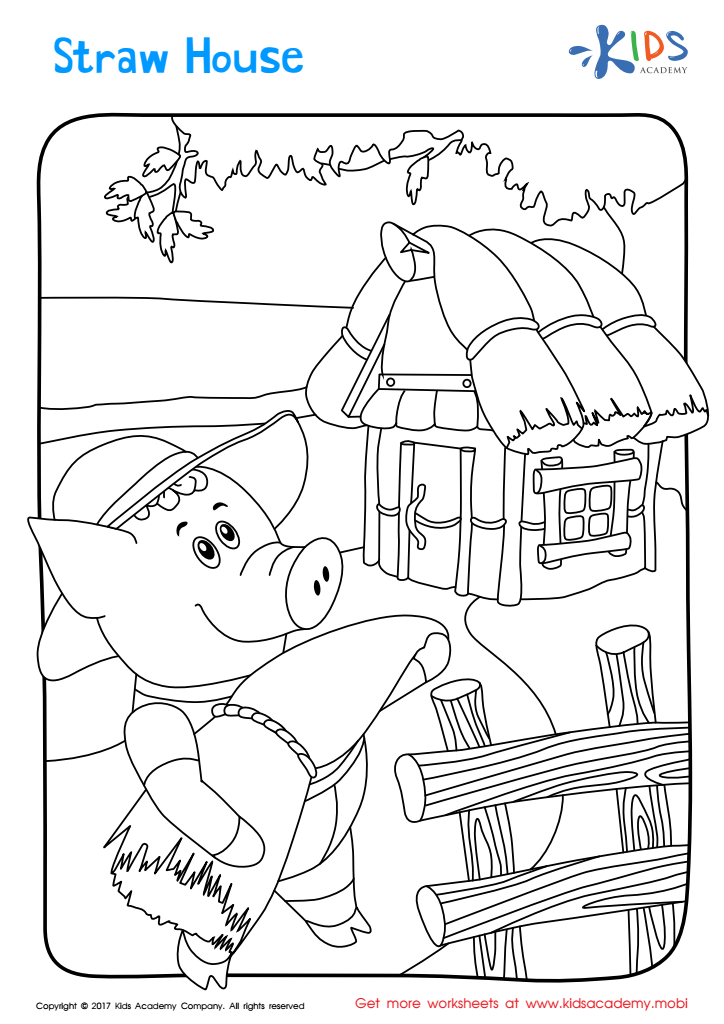
Straw House Printable Coloring Page
Assign to My Students
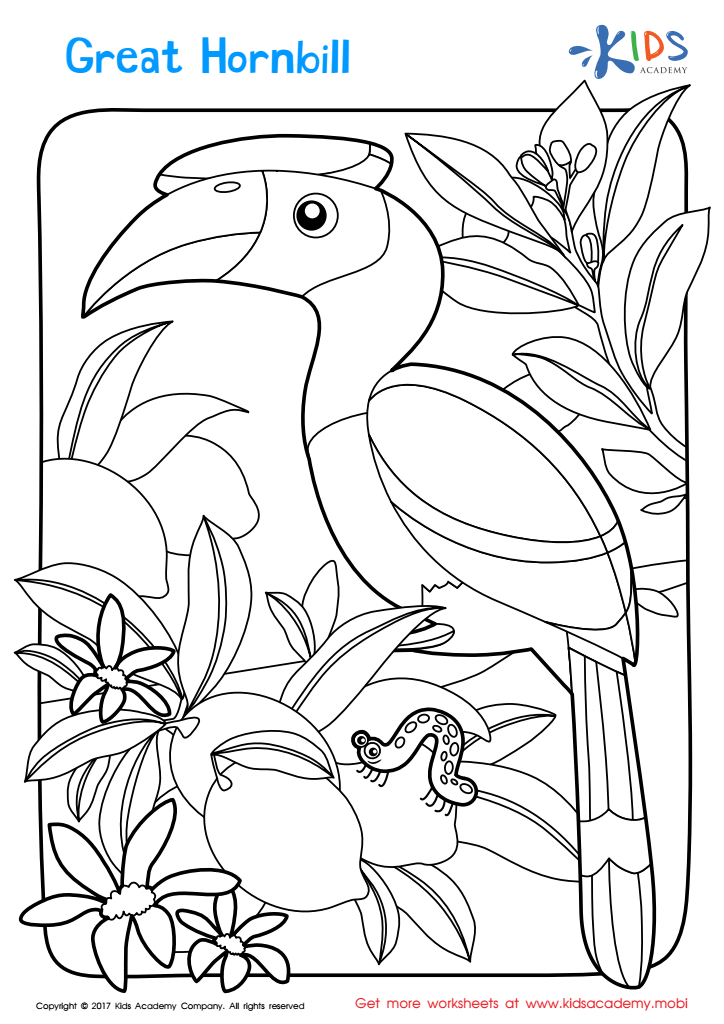
Great Hornbill Worksheet
Assign to My Students
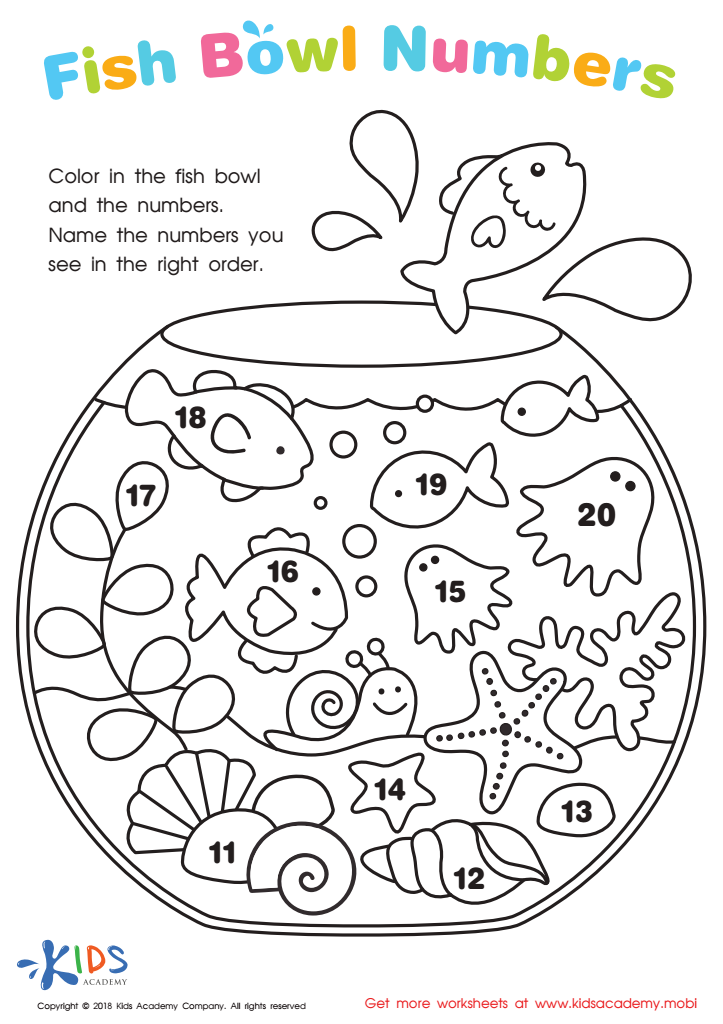
Fish Bowl Numbers Worksheet
Assign to My Students
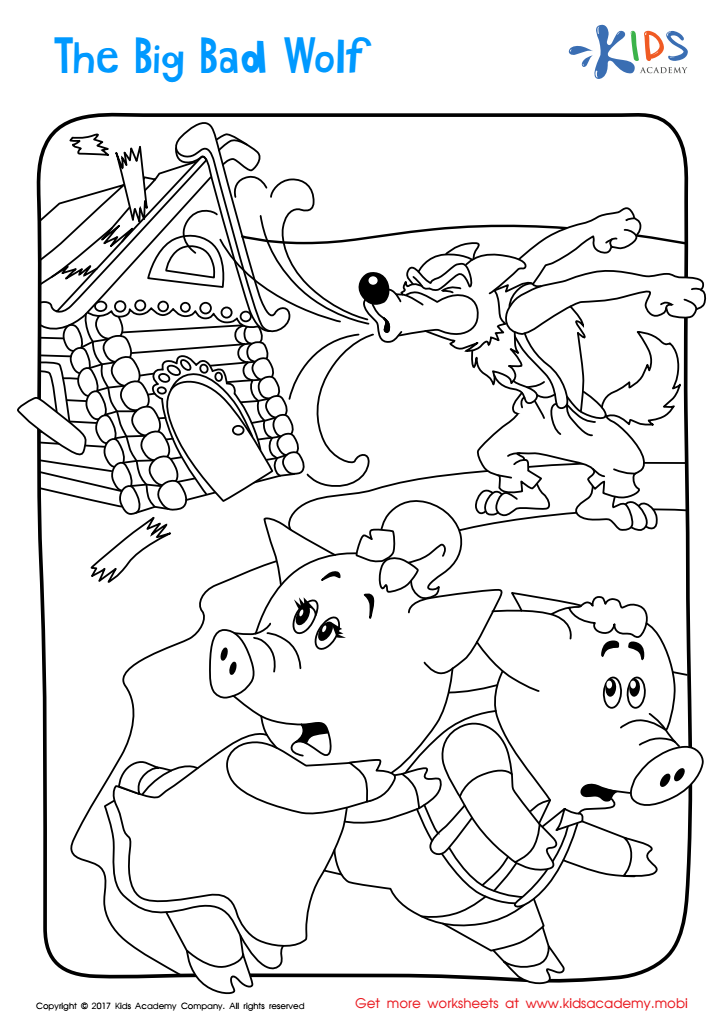
Big Bad Wolf Printable Coloring Page
Assign to My Students
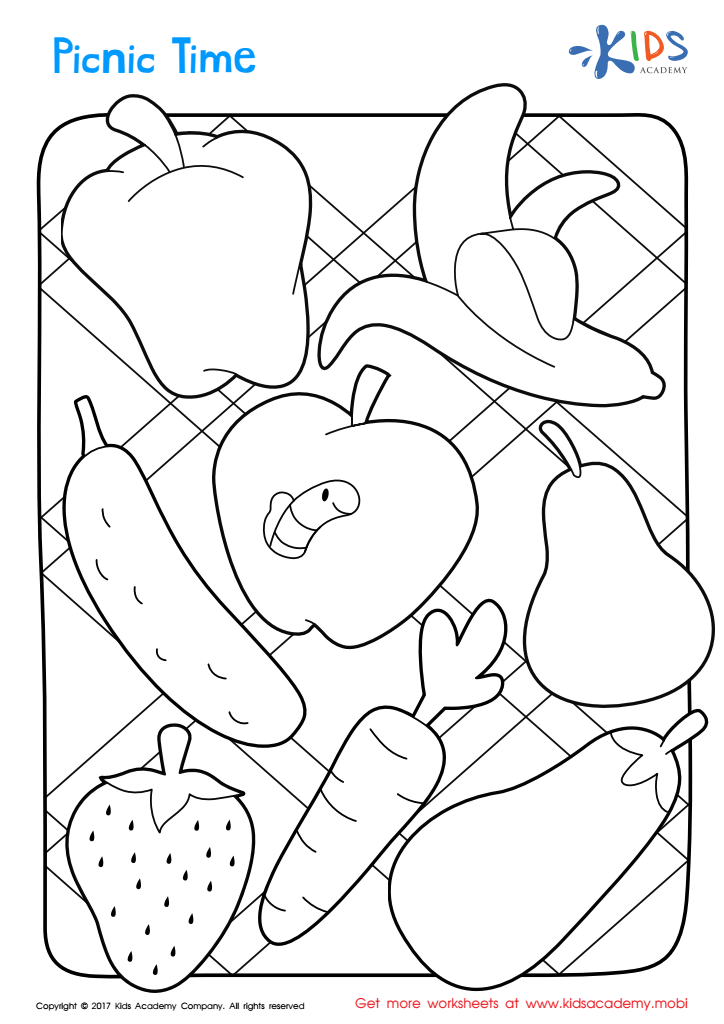
Picnic Time Coloring Page
Assign to My Students
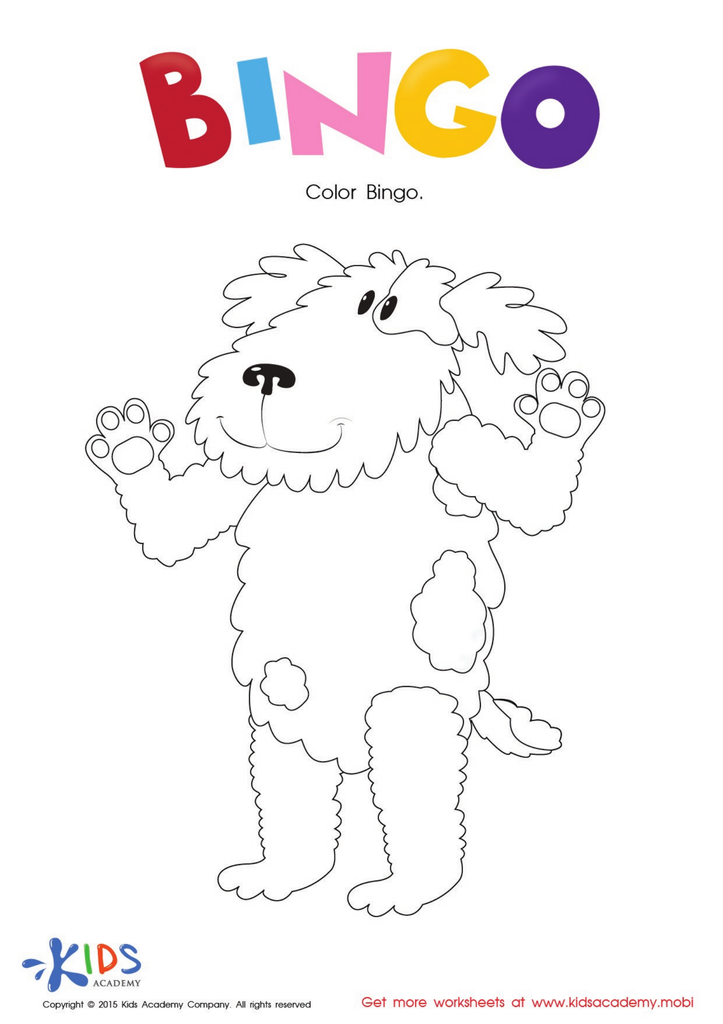
The Bingo Song: Coloring The Dog Worksheet
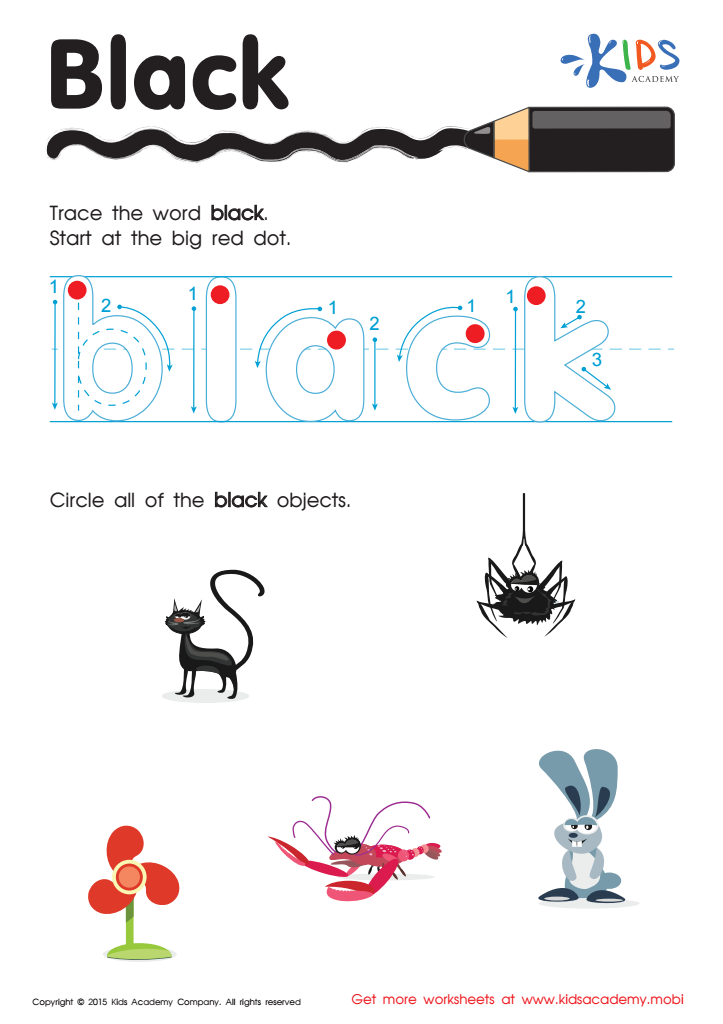
Black Tracing Color Words Printable
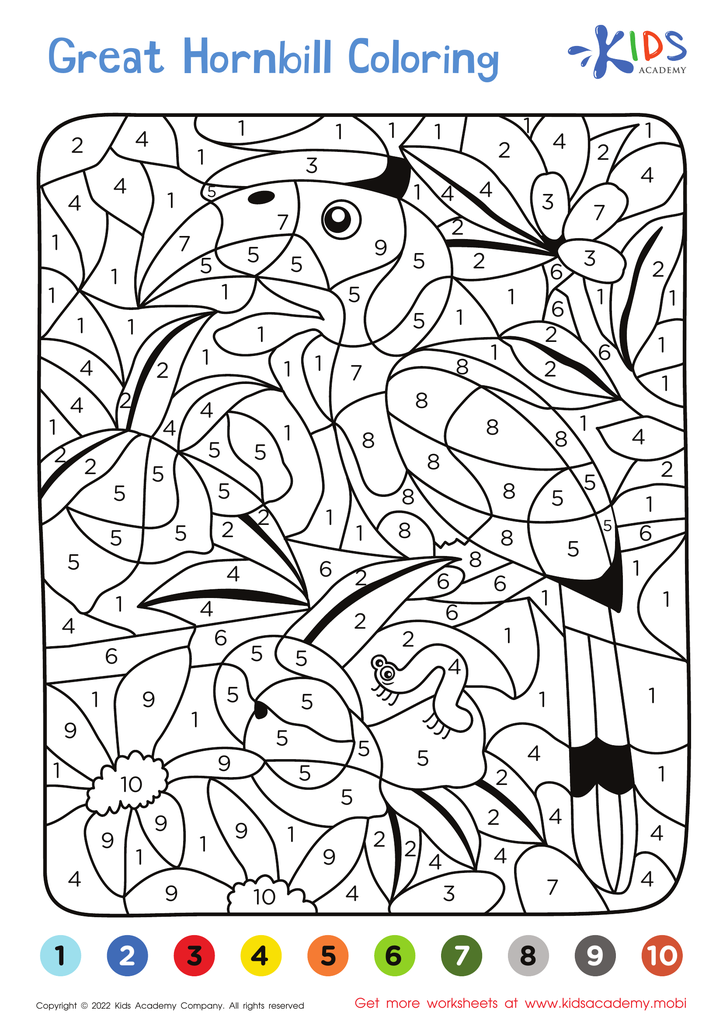
Great Hornbill – Coloring by Numbers
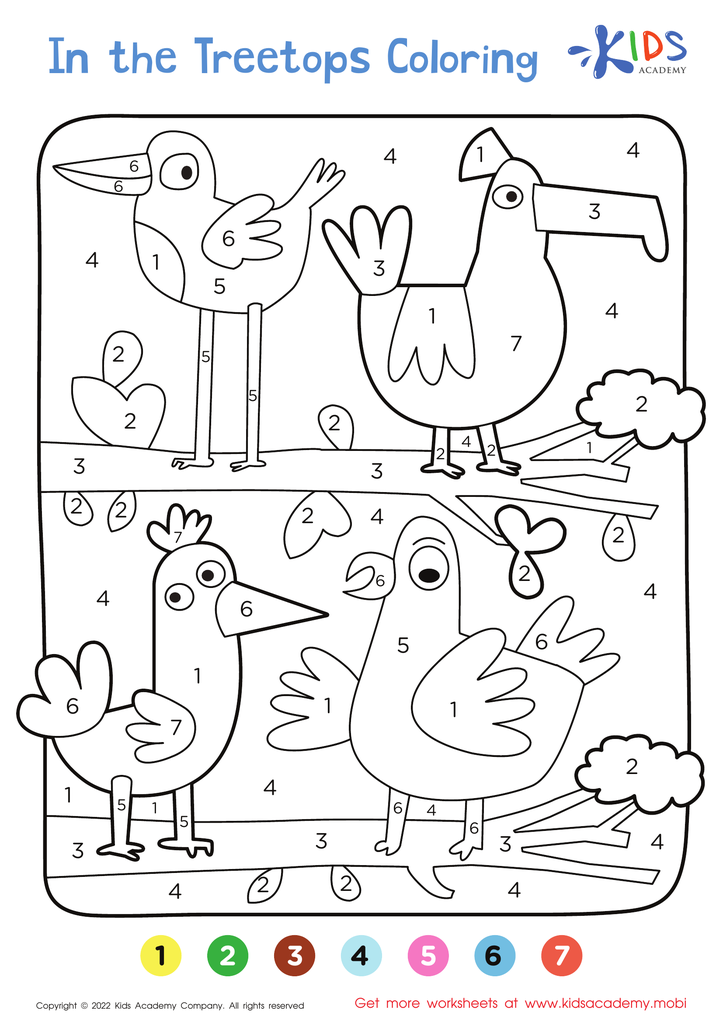
In the Treetops – Coloring Page
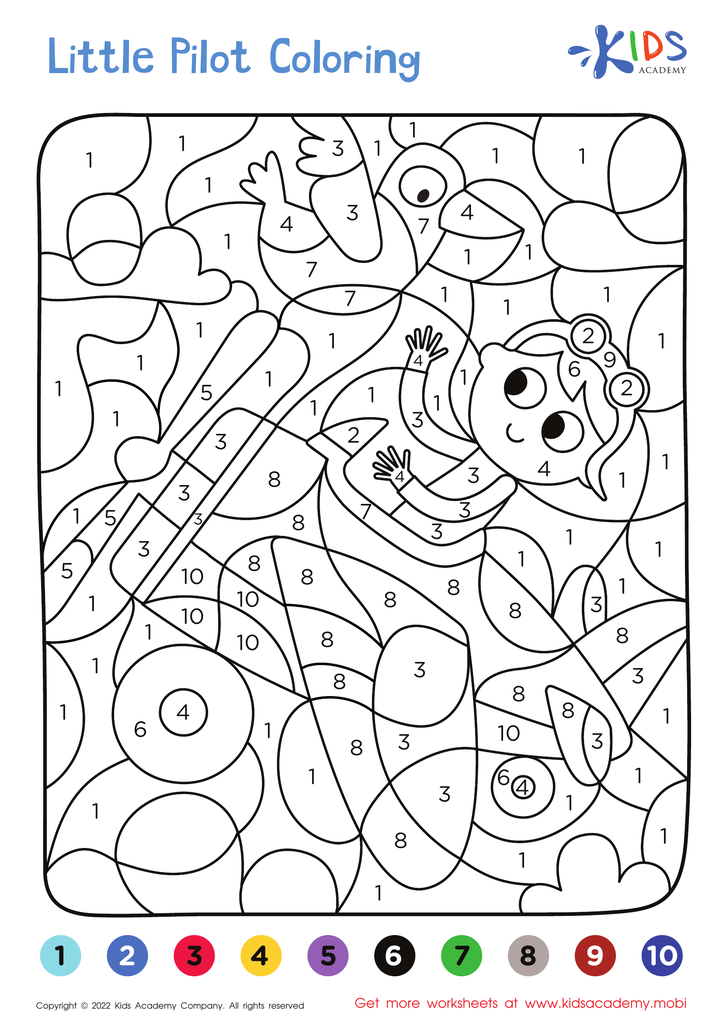
Little Pilot – Coloring by Numbers
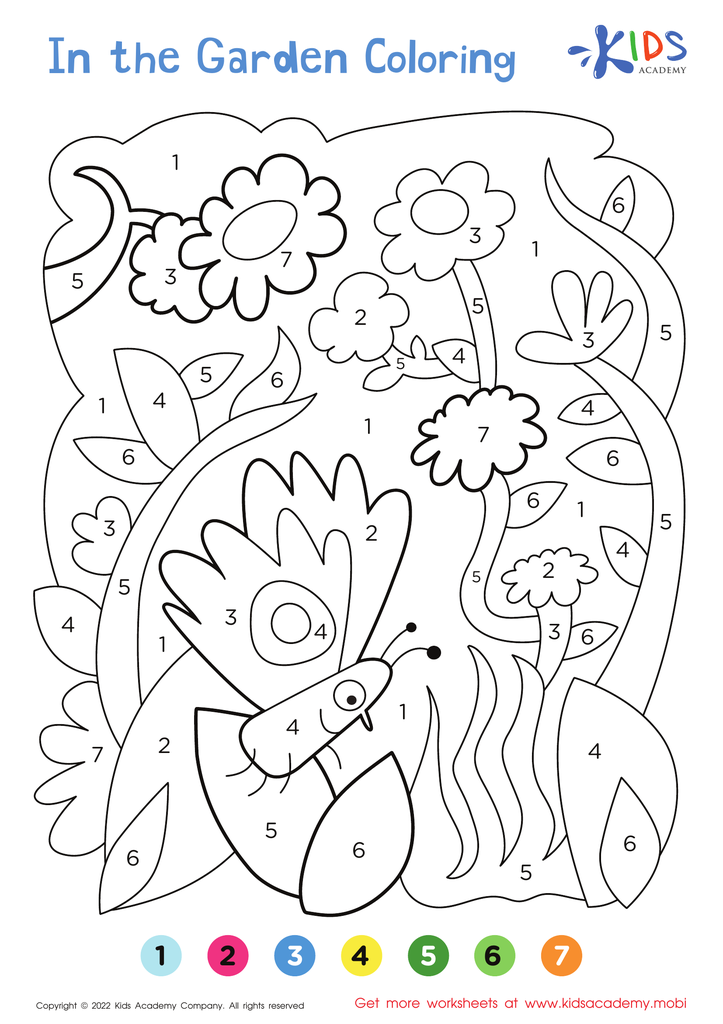
In the Garden – Coloring by Numbers
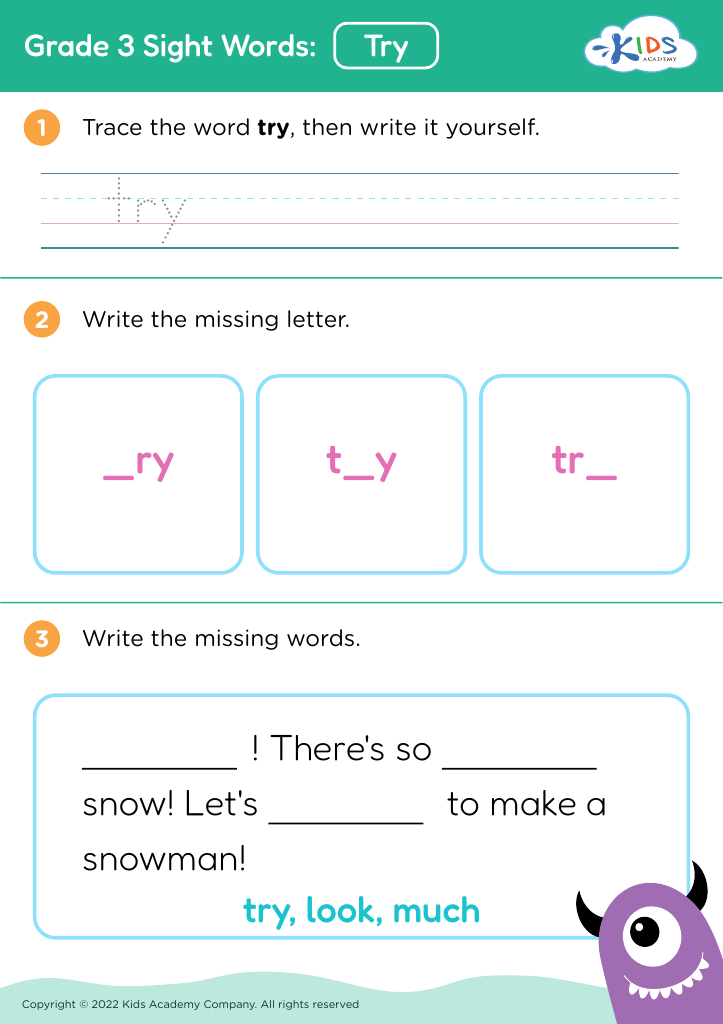
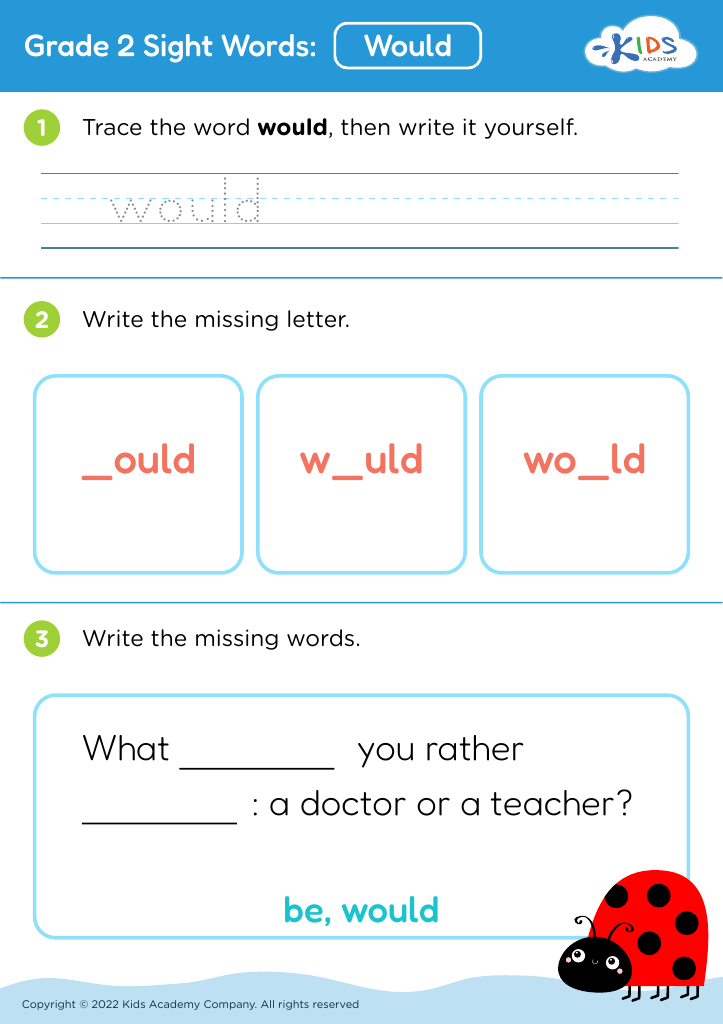
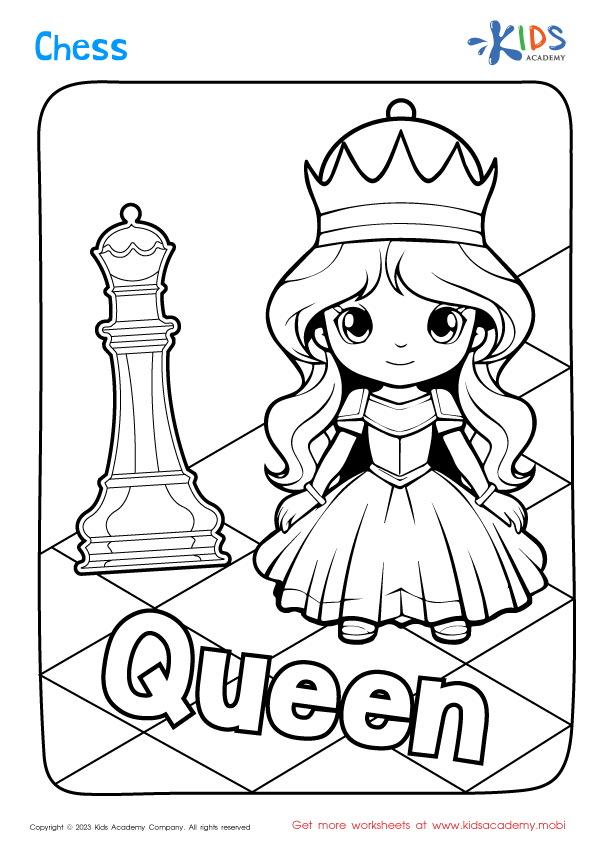







Color recognition is a fundamental skill critical for the cognitive and social development of children aged 7 to 9. At this stage, children's brains are primed for learning and exploring the world around them. Recognizing colors helps in developing their language skills, as they learn to describe objects and express their preferences. This skill also plays a vital role in essential subjects like art, science, and math, as children begin to identify patterns, categorize objects, and understand concepts like mixing and shade variations.
Moreover, understanding colors can enhance children's social interactions. For instance, they can participate more fully in group activities, such as art projects or games, where color identification is often integral. Recognition of colors also allows children to engage creatively, expressing themselves through art and building confidence in their choices.
From a practical standpoint, color recognition aids in everyday living, helping children navigate their environment—a crucial skill for independence. Teachers and parents investing time in nurturing this skill are laying a foundation for lifelong learning, enhancing children's ability to observe, categorize, and articulate their experiences. Thus, attention to color recognition positively impacts children's academic performance and overall development.








