Critical Thinking Worksheets for Ages 7-9 - Page 5
116 filtered results
-
From - To

Washington D.C. Printable Worksheet
 Assign to My Students
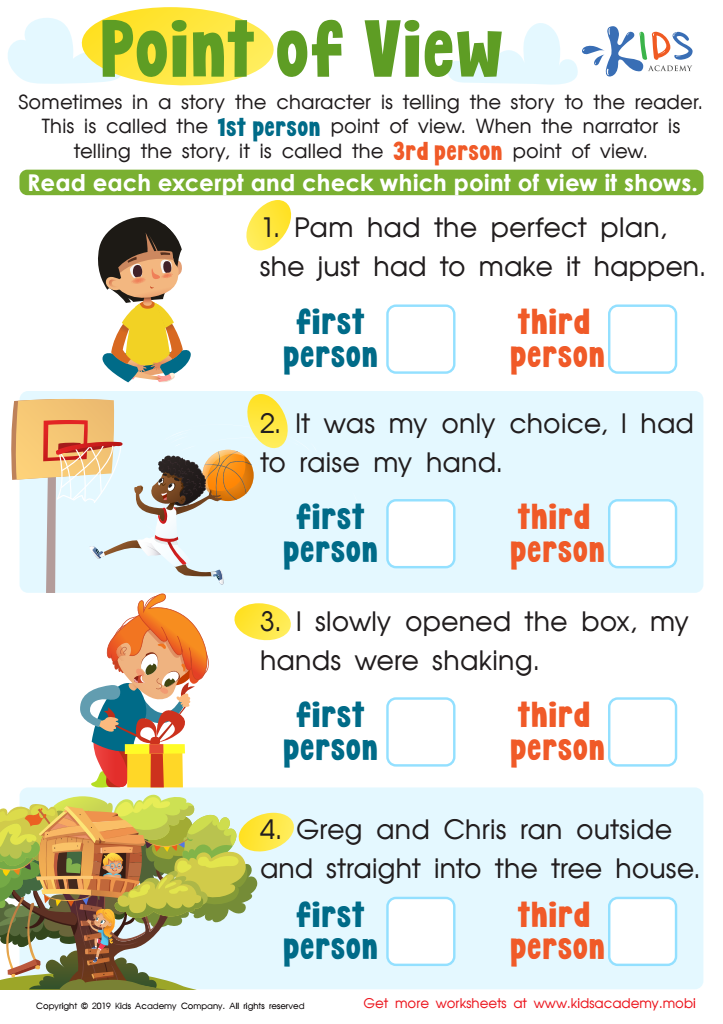
Point of View Printable
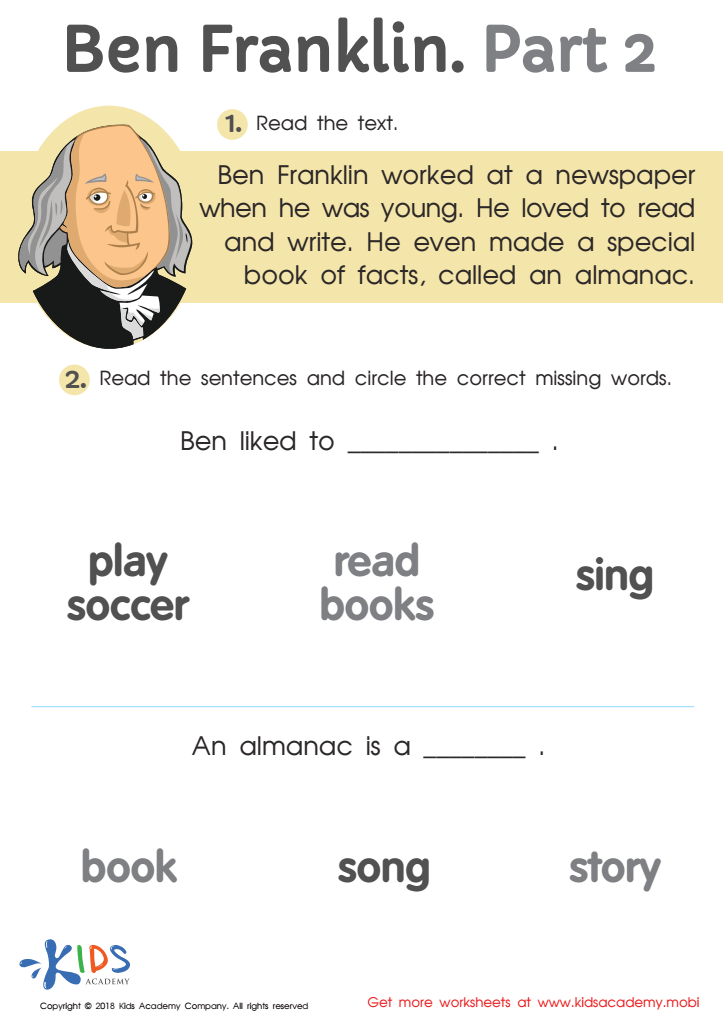
Ben Franklin Part 2 Worksheet
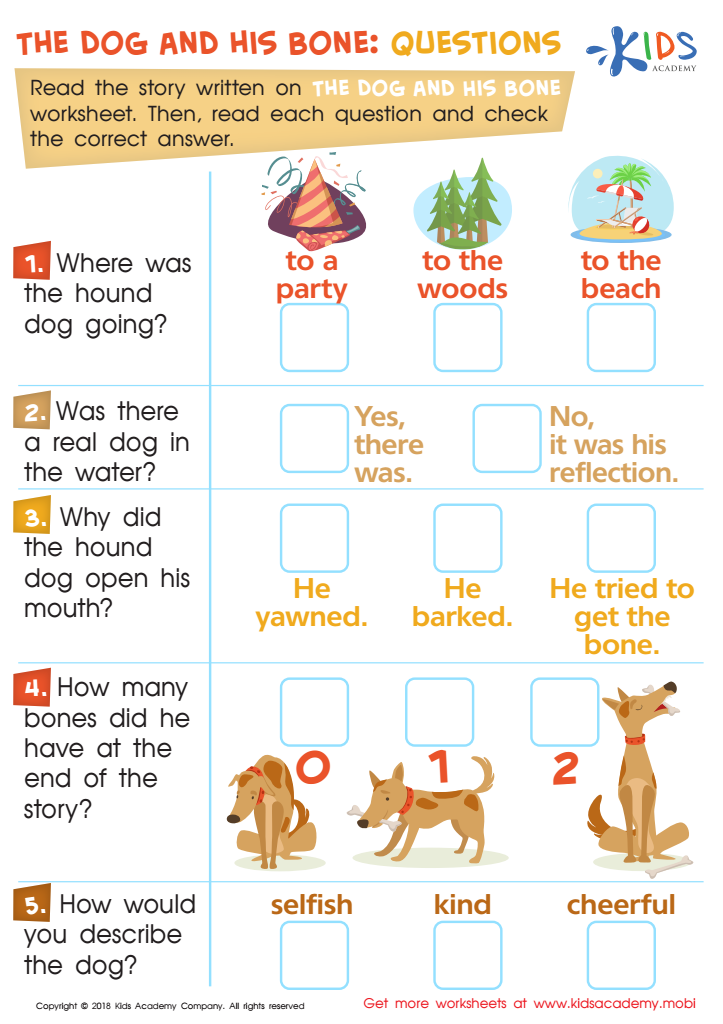
The Dog and His Bone: Questions Worksheet
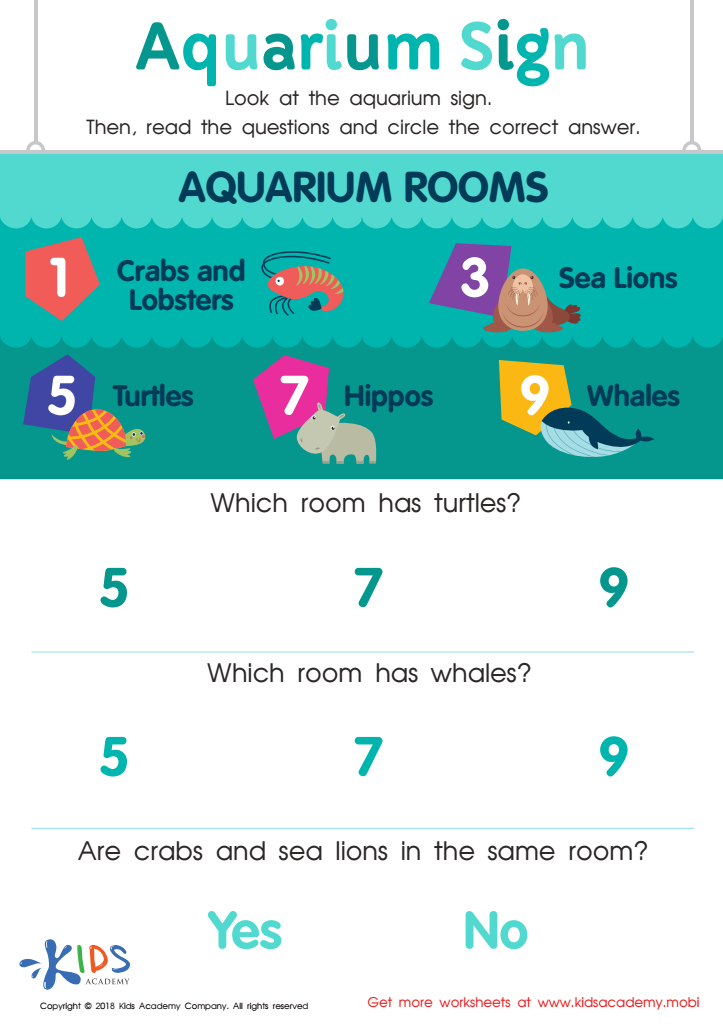
Assessment: Aquarium Sign Worksheet
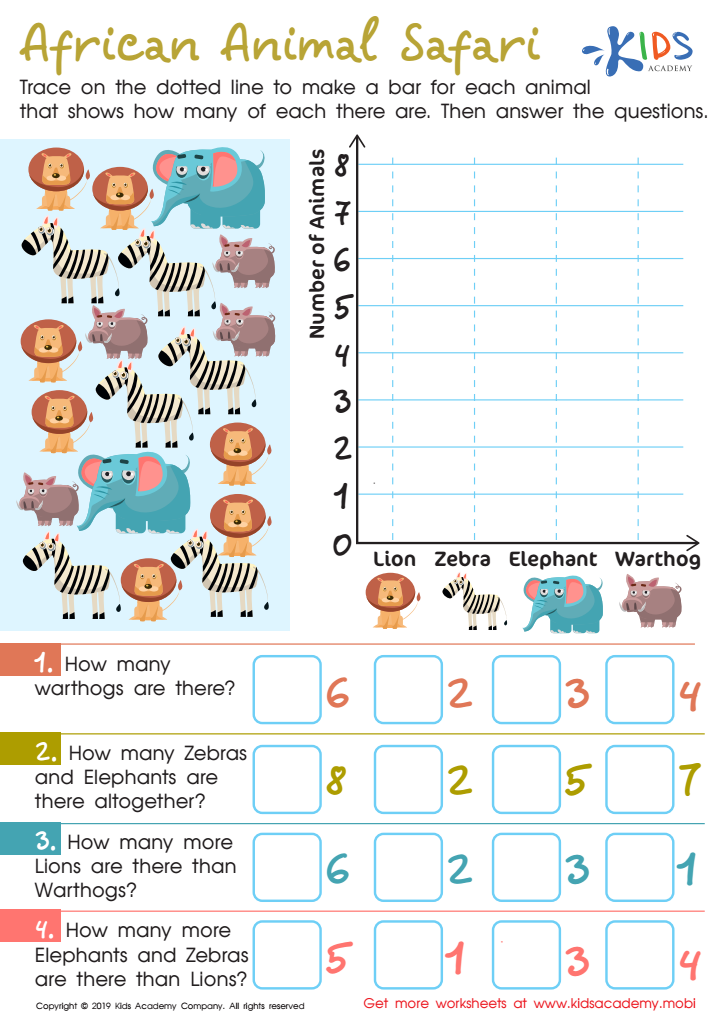
African Animal Safari Worksheet
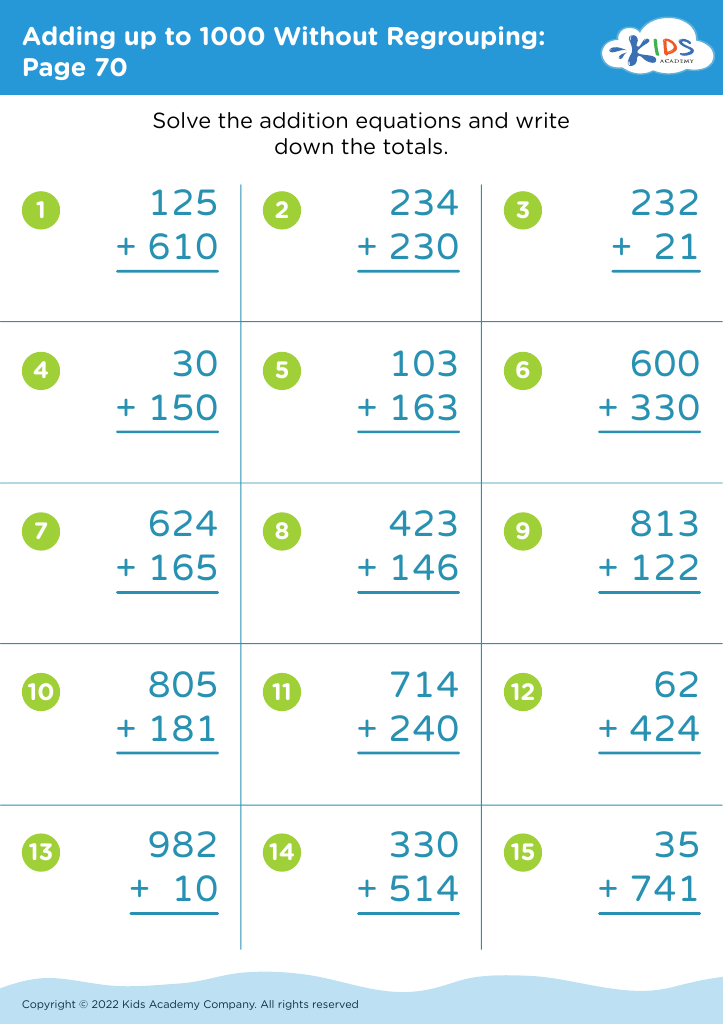
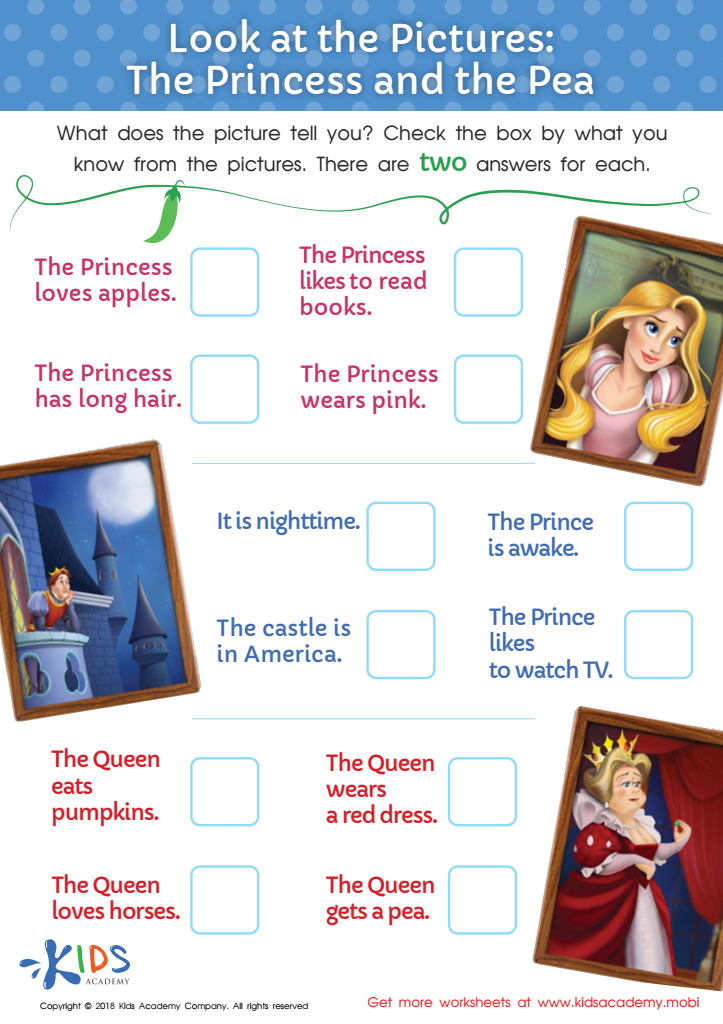
Look at the Pictures: The Princess and the Pea Worksheet
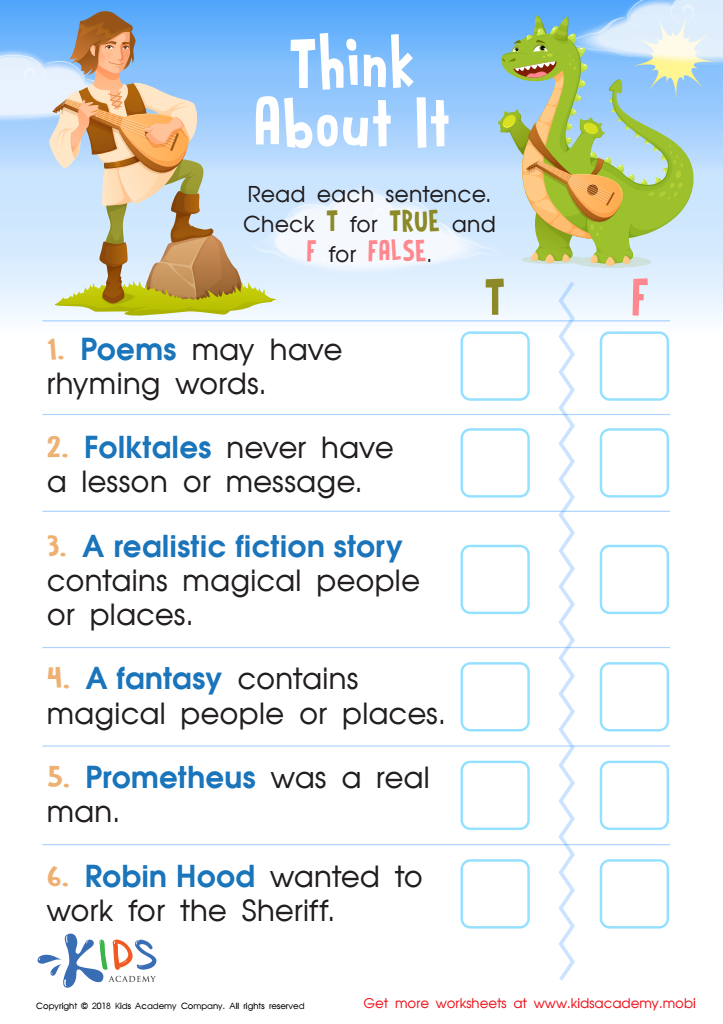
Think About It: Assessment Worksheet
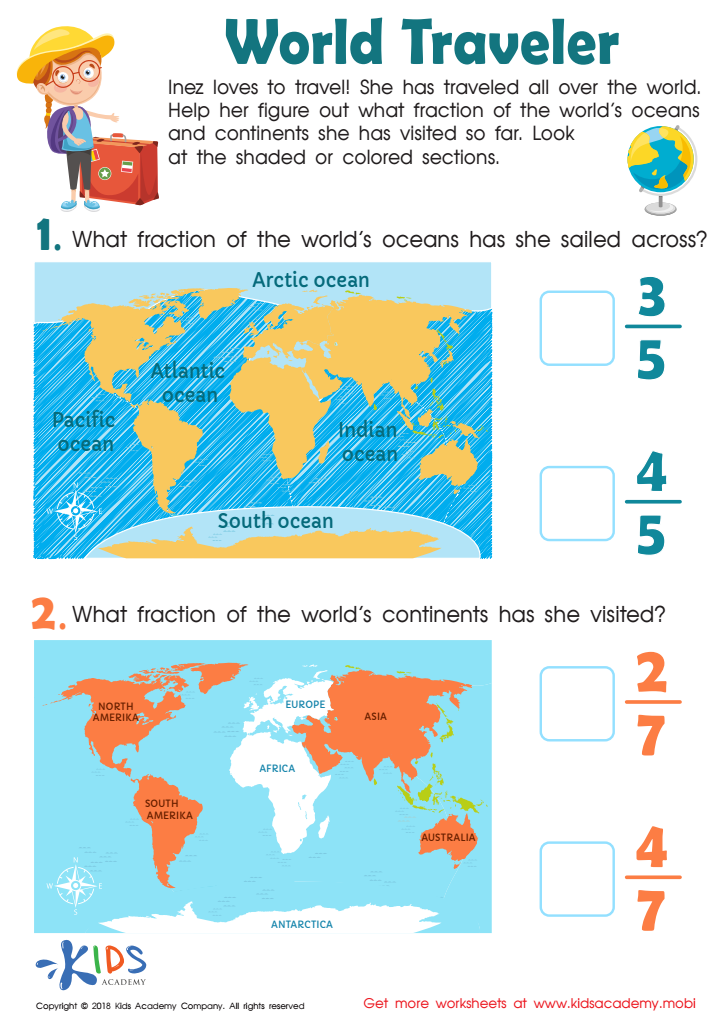
World Traveler Worksheet
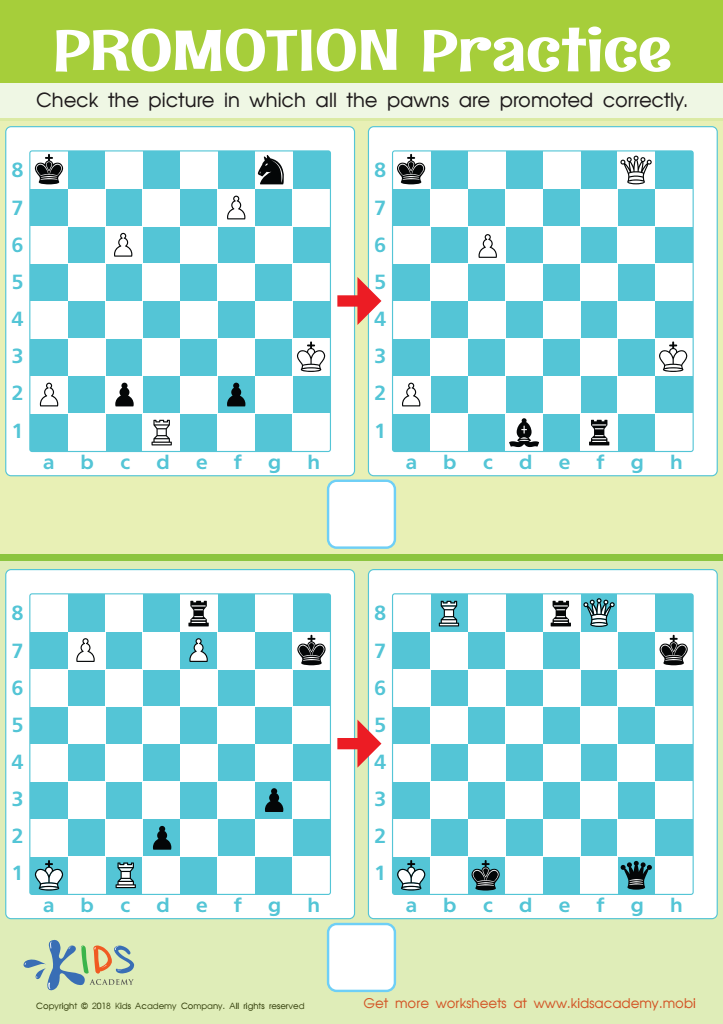
Promotion Practice Worksheet
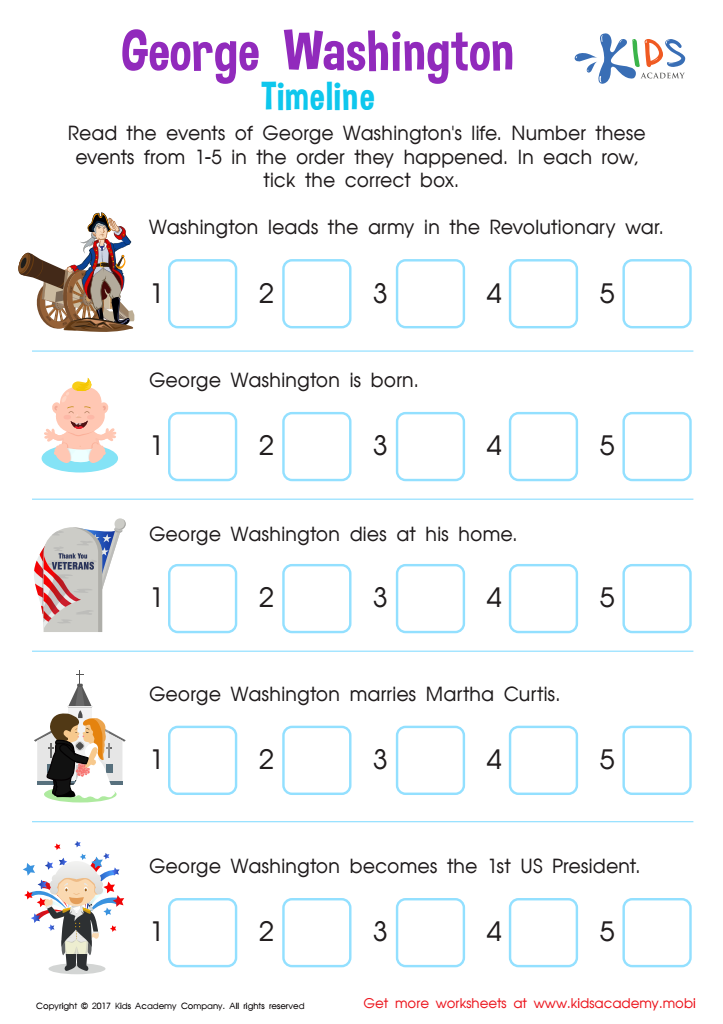
George Washington Timeline Worksheet
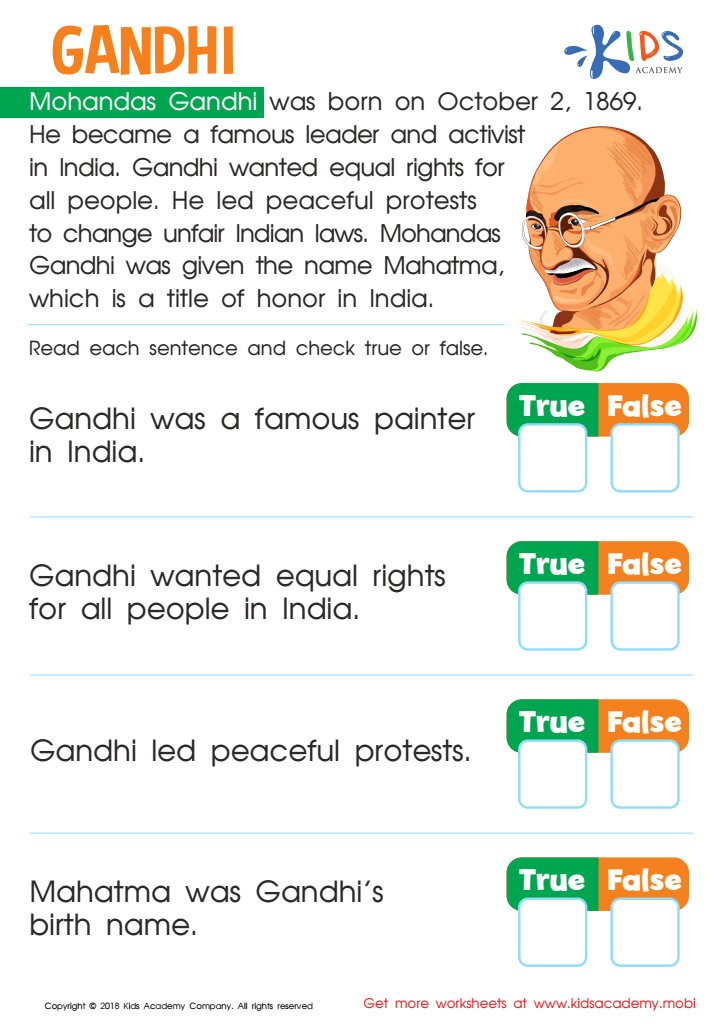
Gandhi Worksheet
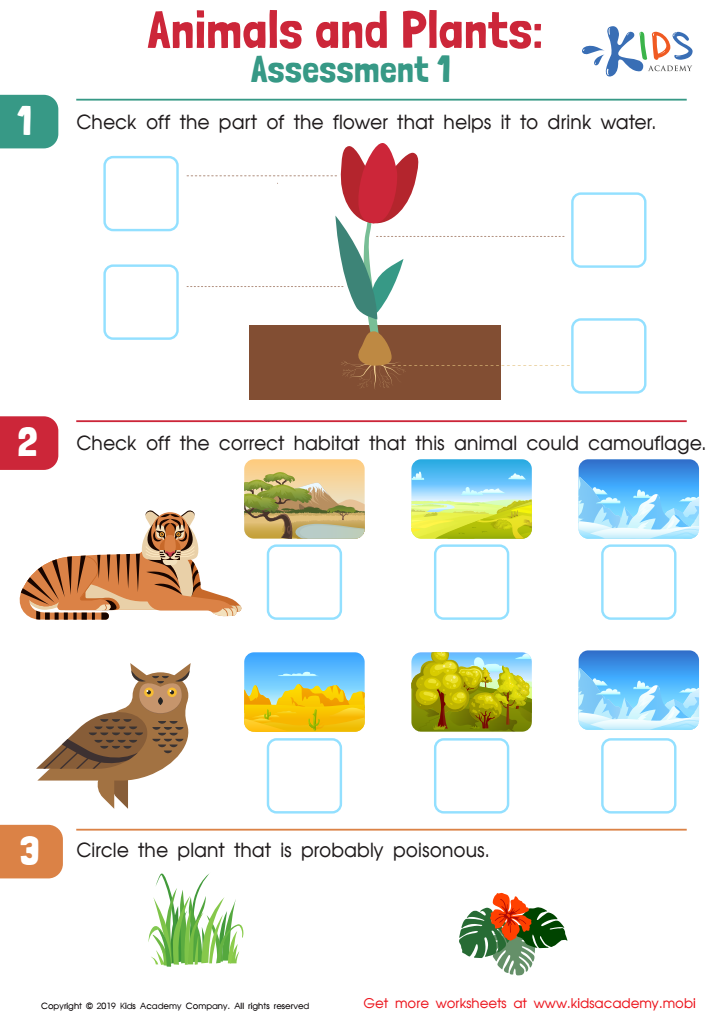
Animals and Plants: Assessment 1 Worksheet









Parents and teachers should place significant emphasis on teaching critical thinking skills to children ages 7-9 because it is an essential component of their cognitive development and future success. During these formative years, children are naturally curious and beginning to engage more deeply with the world around them. Encouraging critical thinking helps them become independent thinkers, capable of analyzing information, solving problems, and making informed decisions.
Critical thinking fosters better academic performance. By teaching children how to evaluate evidence, reason logically, and consider multiple viewpoints, they become more adept at understanding complex concepts, which enhances their overall learning experience. This sets a strong foundation for skills they will need throughout their education.
Moreover, critical thinking promotes emotional and social growth. Children learn to question assumptions and consider the consequences of their actions, leading to more empathetic and responsible behaviors. These skills are invaluable in navigating social interactions and handling conflicts effectively.
In a rapidly changing world, equipped with critical thinking skills, children can adapt more easily to new technological, social, and environmental challenges. They will be better prepared not only to face the uncertainties of the future but also to contribute thoughtfully and ethically to society. Thus, investing in teaching critical thinking to young children is crucial for their holistic development and lifelong success.








