Develop analytical thinking Worksheets for Ages 7-9
5 filtered results
-
From - To
Boost your child's problem-solving prowess with our "Develop Analytical Thinking" worksheets, designed specifically for ages 7-9. These engaging worksheets cultivate critical thinking, logical reasoning, and decision-making skills vital for young minds. Through fun and challenging activities, kids learn to analyze patterns, form conclusions, and make connections. Perfect for supplementing school education or homeschooling, our expertly crafted materials support various learning styles. Give your child the tools to thrive academically and beyond with these innovative worksheets from Kids Academy. Discover the joy of learning while empowering your child to think analytically and excel in every endeavor!
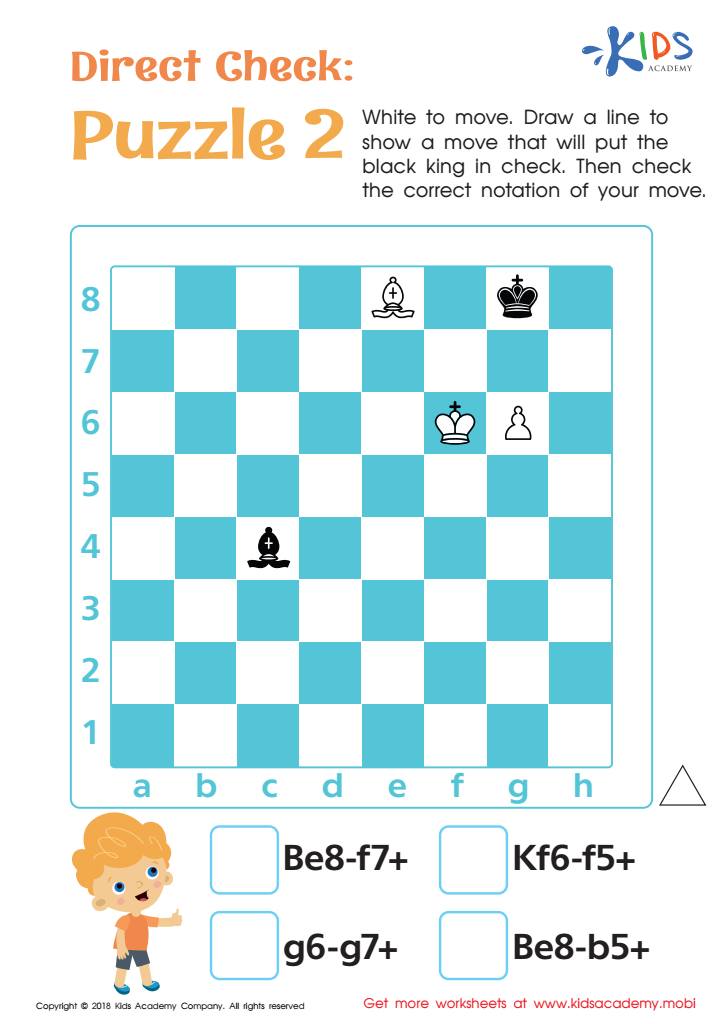
Direct Check: Puzzle 2 Worksheet
 Assign to My Students



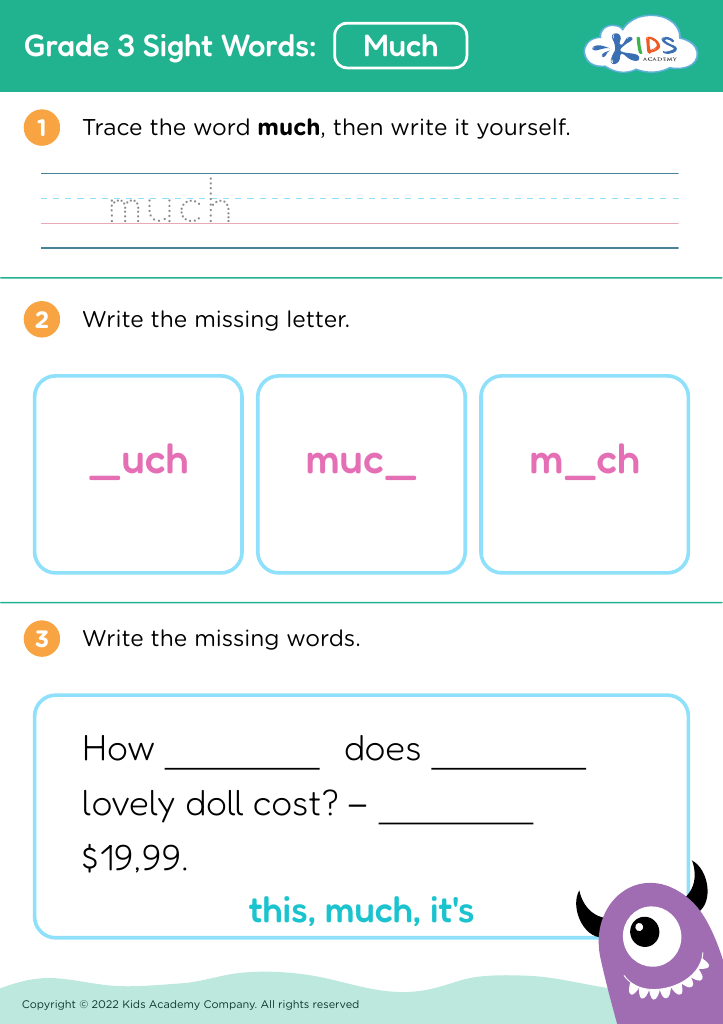








Developing analytical thinking in children aged 7-9 is crucial as it lays the foundation for future problem-solving skills, creativity, and academic success. At this age, children are naturally curious and become more capable of handling complex thoughts and ideas. Analytical thinking helps them understand relationships, patterns, and causal effects, which are essential not only in academics but in everyday life.
When children learn to analyze situations and problems, they can break them down into smaller, more manageable parts. This enables them to approach tasks methodically, make informed decisions, and understand the consequences of their actions. These skills are directly transferable to subjects like mathematics, science, and reading comprehension, where understanding underlying principles and drawing connections are key.
Moreover, fostering analytical thinking encourages a mindset of lifelong learning. Children become more independent and resilient when they learn how to evaluate information and solve problems on their own. They also develop critical thinking skills, allowing them to question assumptions and think outside the box, sparking creativity.
For parents and teachers, nurturing these skills can lead to more confident and capable children. It prepares them to face real-world challenges, both academic and social, with a toolkit for understanding and responding to an ever-changing environment. This holistic growth is essential for their future success and well-being.








