Improve problem-solving Worksheets for Ages 7-9
4 filtered results
-
From - To
Enhance your child's critical thinking skills with our "Improve Problem-Solving Worksheets" designed specifically for ages 7-9. These engaging and interactive worksheets provide a variety of fun challenges that stimulate logical reasoning and analytical skills. Each worksheet helps young learners tackle everyday problems, encouraging them to think outside the box and develop effective solutions. With colorful illustrations and age-appropriate tasks, these resources make learning enjoyable and relatable. Whether at home or in the classroom, our worksheets promote self-confidence and independence while ensuring a solid foundation for future academic success. Unlock your child's potential through playful problem-solving activities today!
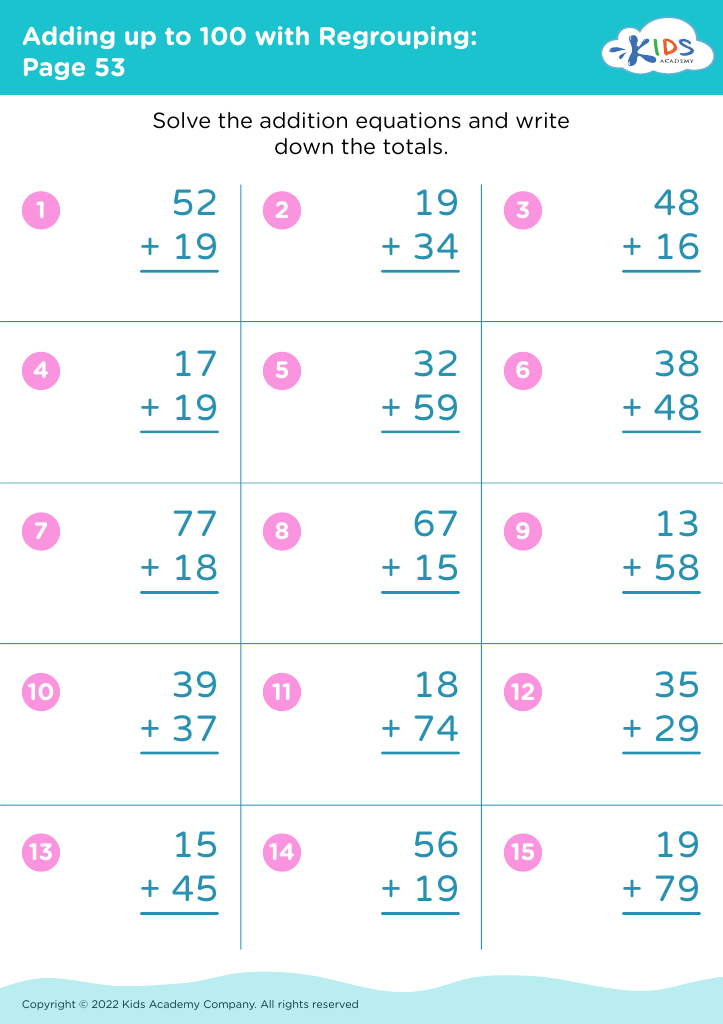
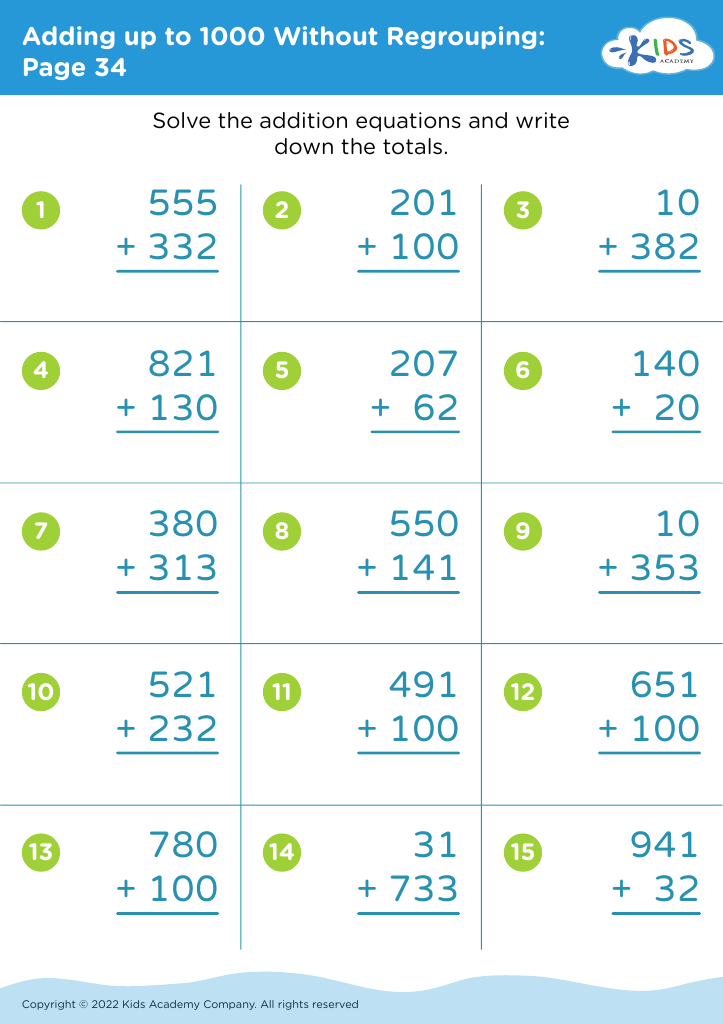
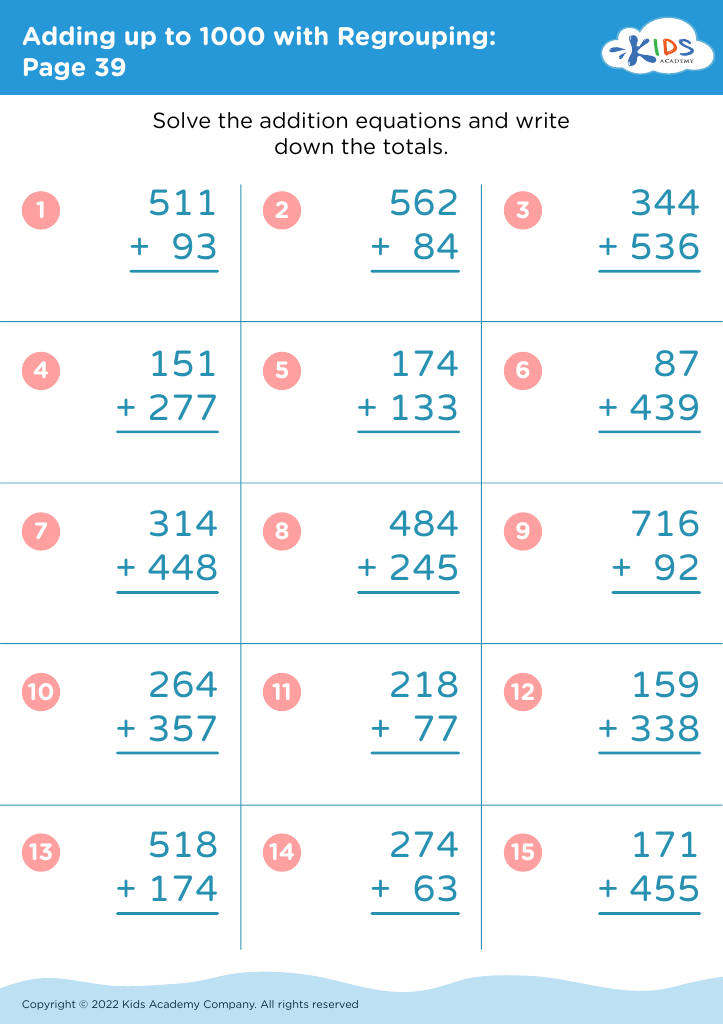
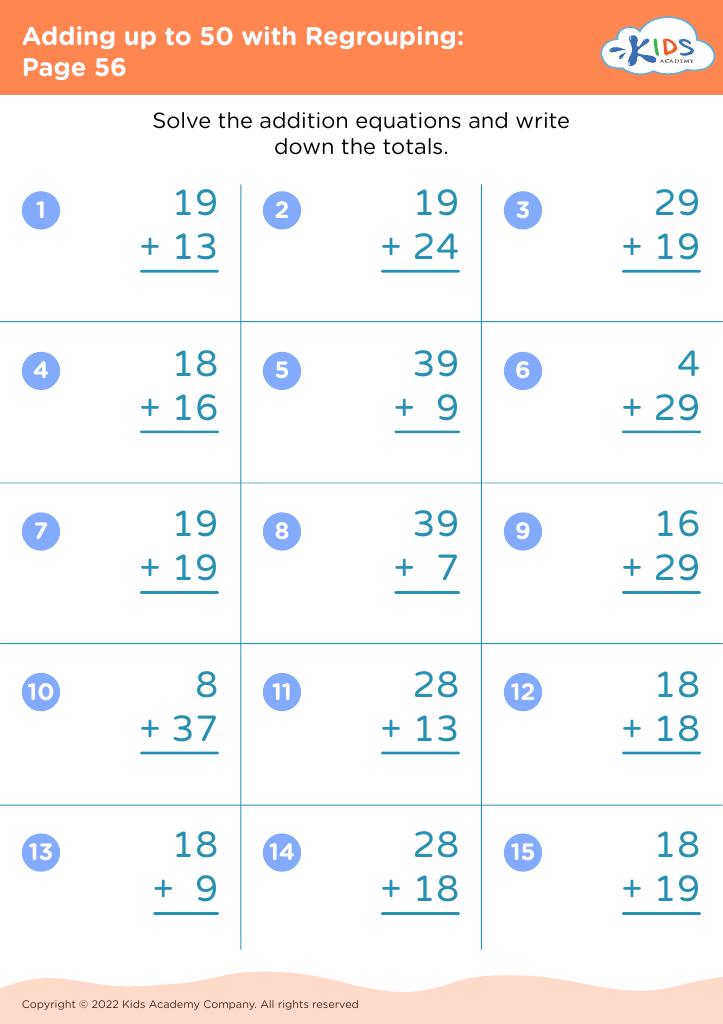








Parents and teachers should prioritize improving problem-solving skills for children aged 7-9 because these skills serve as the foundation for overall cognitive development. At this age, children are beginning to engage with more complex concepts in math, science, and even social situations. Developing problem-solving abilities allows them to tackle challenges, think critically, and apply logical reasoning, skills that are essential not only in academics but also in everyday life.
Encouraging problem-solving promotes resilience. When children encounter obstacles, learning how to approach problems systematically cultivates persistence and a growth mindset—teaching them that failure is a part of the learning process. This is crucial for their emotional and social development, as they learn to manage frustration and work effectively with others.
Moreover, strengthening these skills at a young age equips students to handle the more rigorous demands they will face in higher grades. It prepares them for collaborative learning, where they must negotiate and communicate ideas effectively. Ultimately, fostering strong problem-solving abilities not only benefits children's academic success but also enriches their critical thinking, creativity, and analytical skills, shaping them into confident, capable individuals. Thus, parents and teachers play a pivotal role in this essential aspect of children’s development.








