Problem Solving Worksheets for Ages 7-9 - Page 2
27 filtered results
-
From - To

Promotion Practice Worksheet
 Assign to My Students
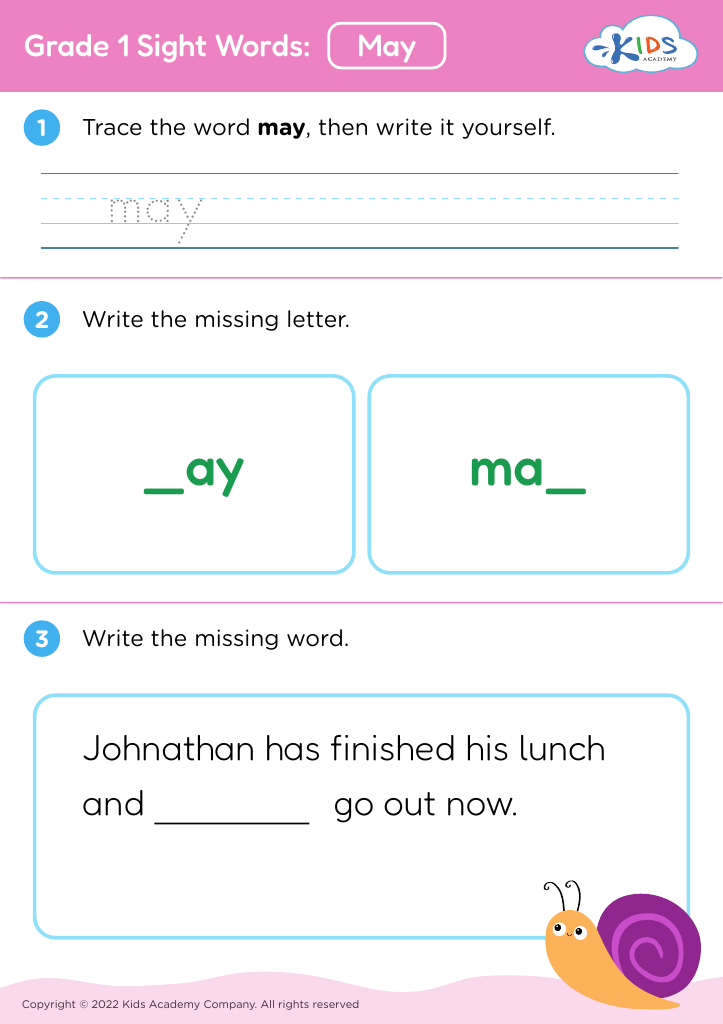
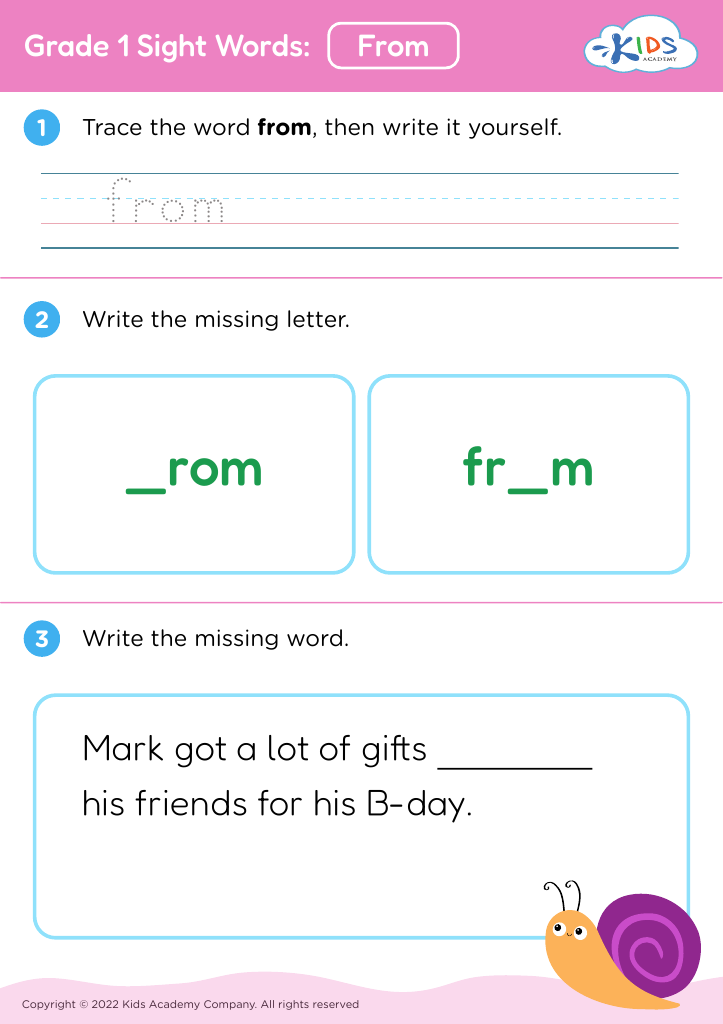








Parents and teachers should prioritize problem-solving skills for children aged 7-9 because this developmental stage is crucial for building cognitive abilities and critical thinking. At this age, children are naturally curious and eager to explore various ideas, making it an ideal time to foster their analytical skills.
Problem-solving enhances children's ability to think independently, reason logically, and approach challenges with a resilient mindset. By engaging in problem-solving activities, children learn to break down complex issues into manageable parts, analyze different solutions, and evaluate the outcomes. These skills are not only vital in academic settings but also translate into real-life situations, helping them handle everyday challenges as they grow.
Furthermore, problem-solving encourages creativity, collaboration, and effective communication. Activities that involve teamwork and discussion allow children to learn from each other, appreciate diverse perspectives, and practice articulating their thoughts clearly. This skill set forms a strong foundation for future learning and personal development. In an increasingly complex world, equipping children with robust problem-solving skills prepares them not just for academic success, but also for life-long learning and adaptability, empowering them to become confident and resourceful individuals. Thus, nurturing these skills should be a fundamental objective for parents and educators alike.








