Spatial awareness Worksheets for Ages 7-9 - Page 2
34 filtered results
-
From - To
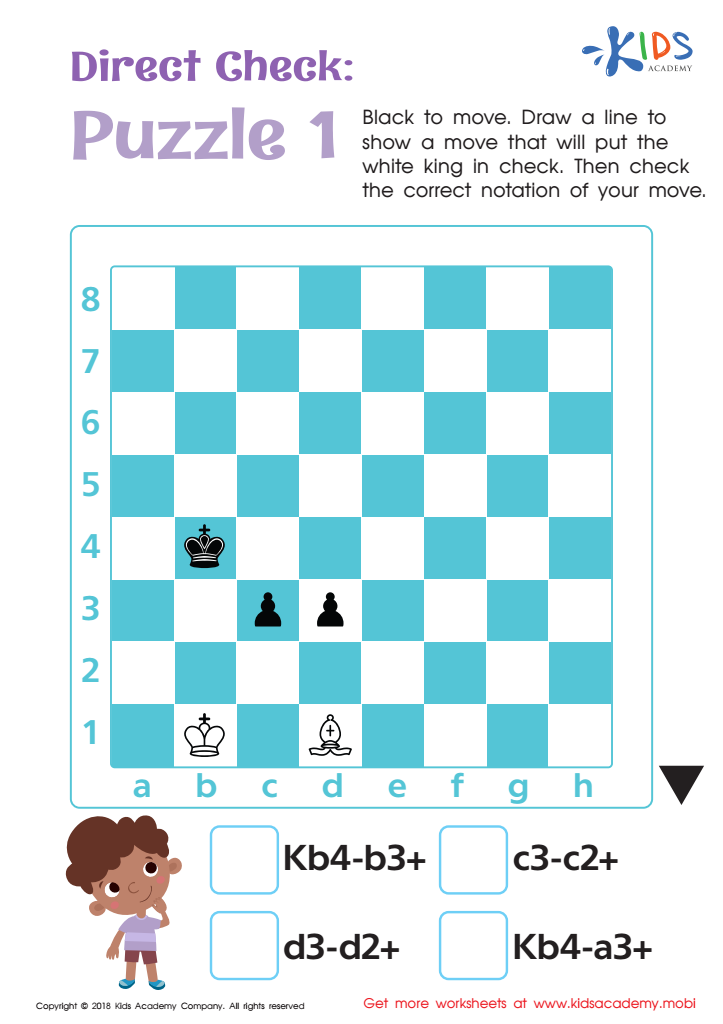
Direct Check: Puzzle 1 Worksheet
 Assign to My Students
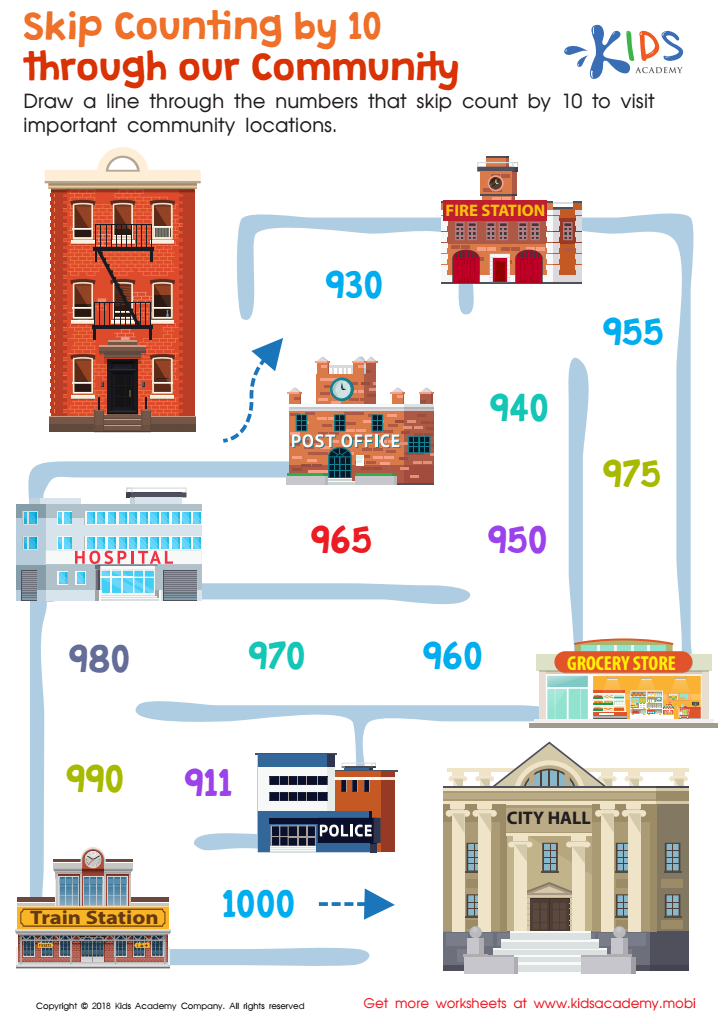
Skip Counting by 10 Through Our Community Worksheet
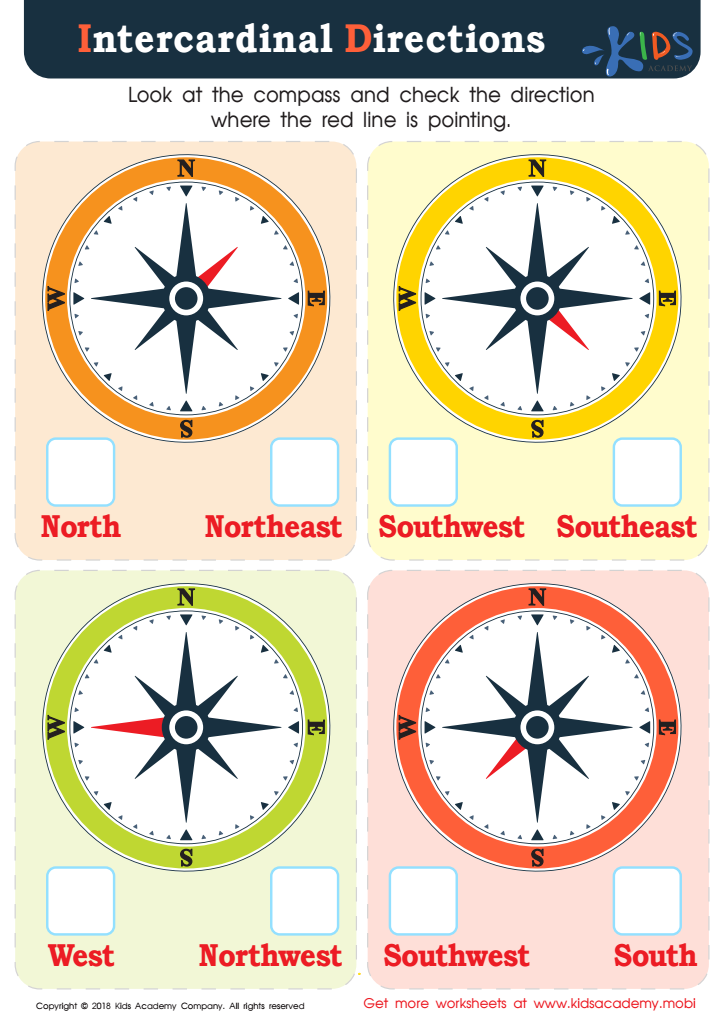
Intercardinal Directions Worksheet
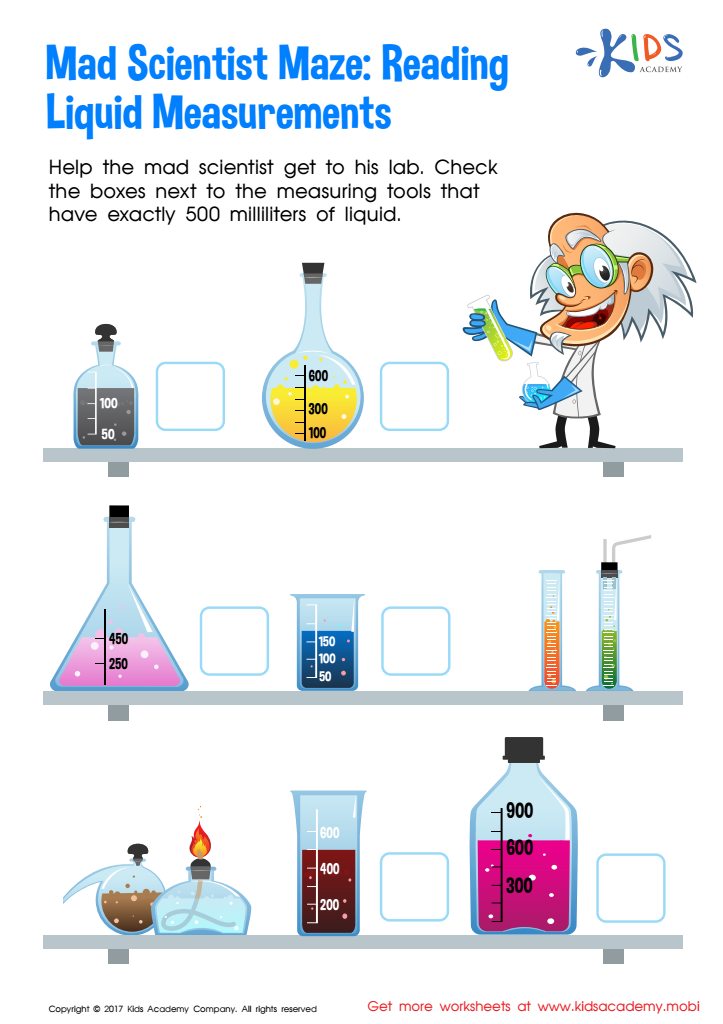
Reading Liquid Measurement Worksheet
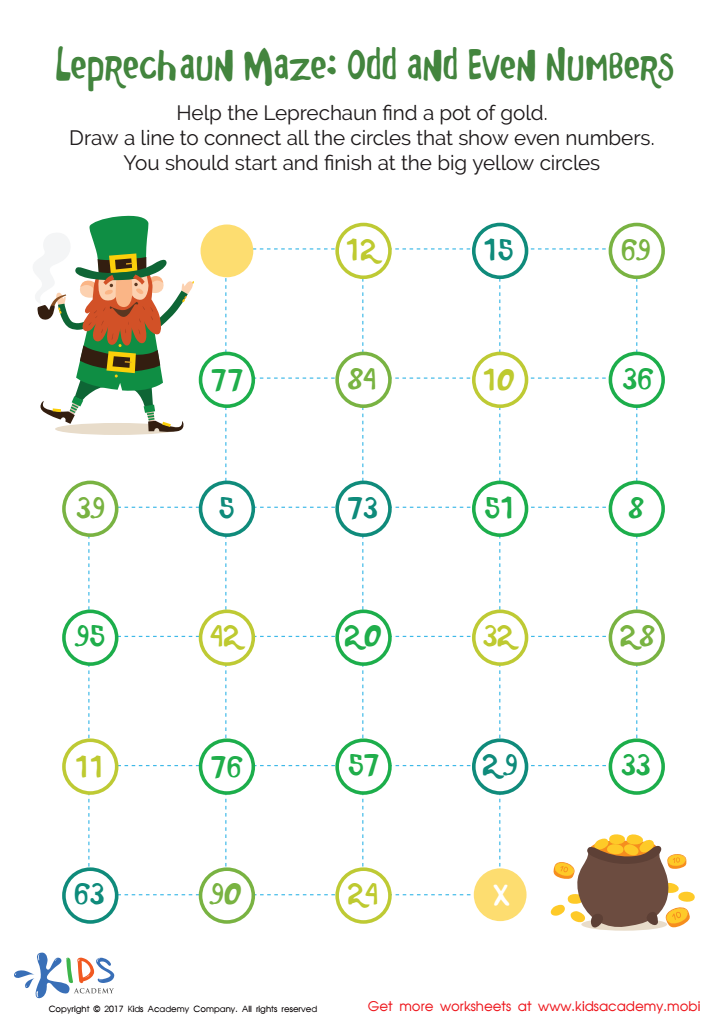
Leprechaun Maze Printable
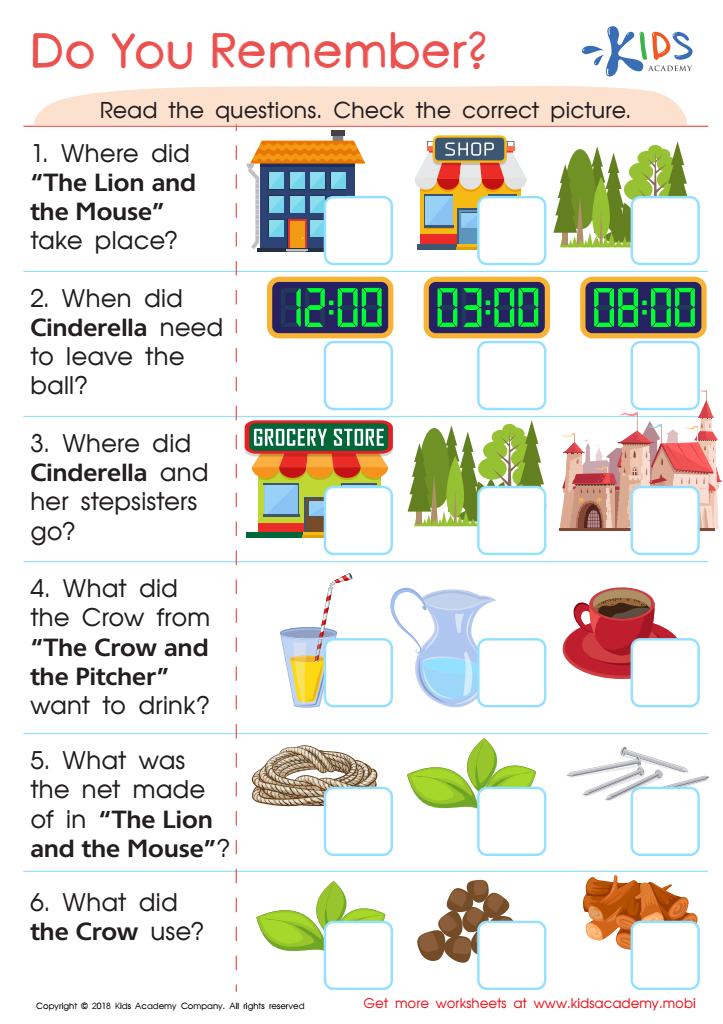
Do You Remember? Worksheet
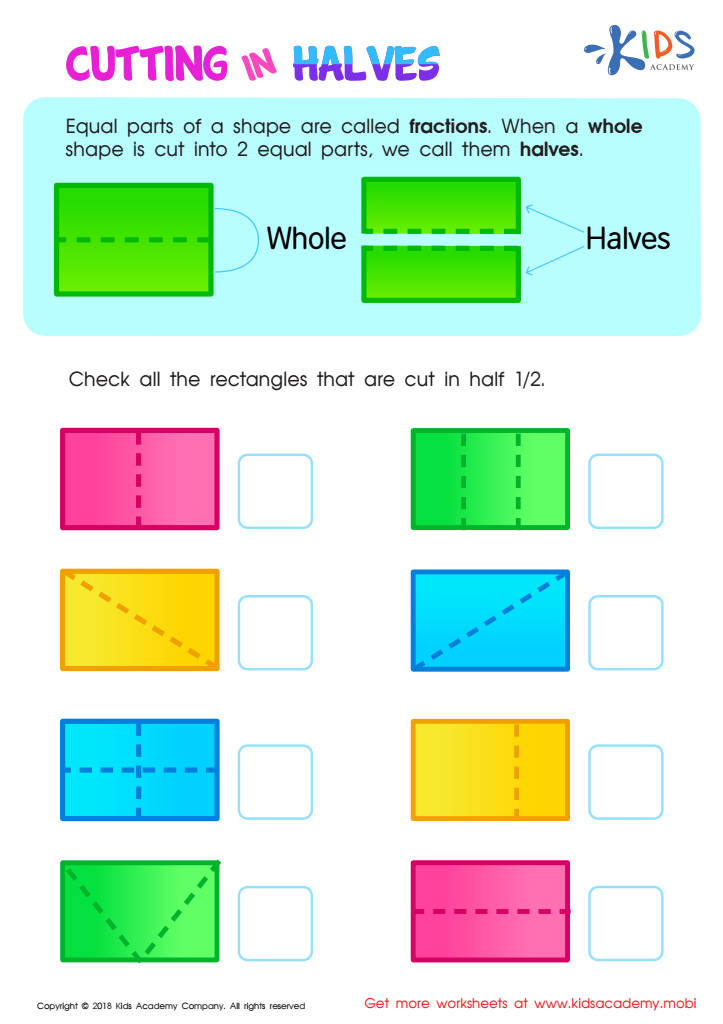
Cutting in Halves Worksheet
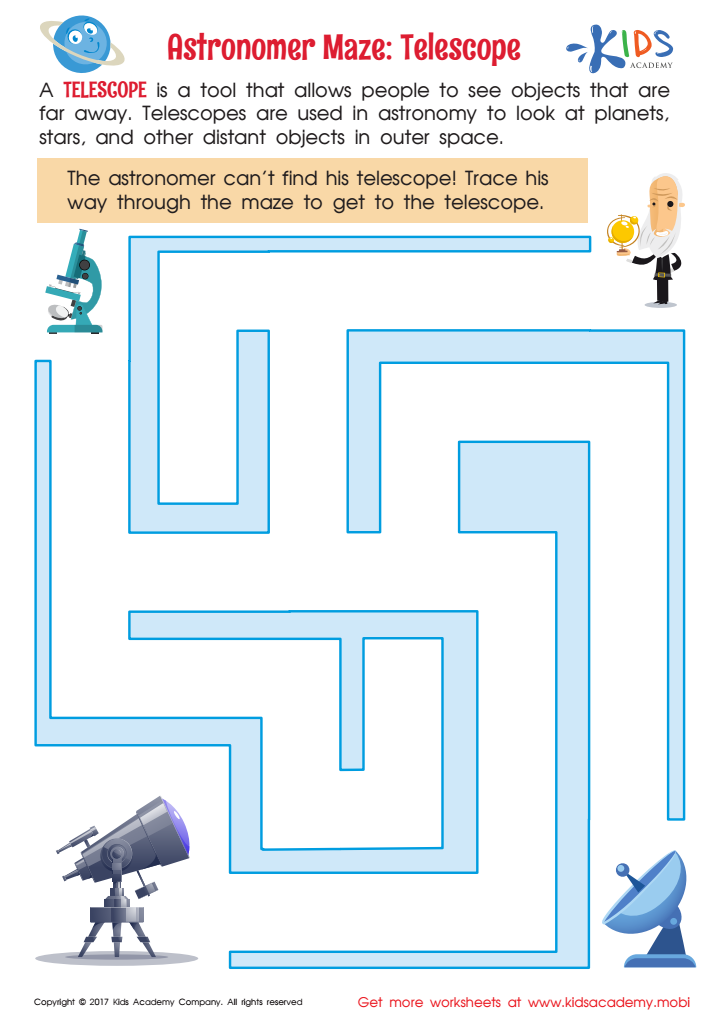
Astronomer Maze: Telescope Worksheet




.jpg)

Spatial awareness is a critical cognitive skill that helps children understand their position and movement in space. For children ages 7-9, developing spatial awareness is particularly important as it lays the foundation for various learning areas, including mathematics, science, and physical education. At this age, children are beginning to engage more deeply with complex concepts, such as geometry, measurement, and navigation, all of which are underpinned by strong spatial skills.
Moreover, spatial awareness enhances problem-solving abilities and creativity. When children can visualize and manipulate objects mentally, they can devise innovative solutions to challenges. This skill also helps with everyday tasks, such as reading maps, following directions, or even organizing their workspace.
Within social contexts, spatial awareness fosters teamwork and cooperation during physical activities and games, nurturing essential interpersonal skills. For teachers and parents, recognizing the importance of spatial awareness means engaging children in activities that challenge this skill, such as building blocks, puzzles, or interactive games. Supporting the development of spatial awareness prepares children for future academic success and equips them with vital life skills necessary for the modern world. Thus, nurturing this ability in young learners is an investment in their holistic development.








