Visualization skills Worksheets for Ages 7-9
3 filtered results
-
From - To
Our Visualization Skills Worksheets for Ages 7-9 are designed to enhance your child's ability to create mental images, boosting comprehension and memory. These engaging worksheets offer a variety of activities that encourage kids to visualize scenes, characters, or entire stories, improving their reading and learning experiences. Each worksheet includes vivid illustrations and guided exercises tailored for young learners, making the practice enjoyable and effective. Perfect for classroom or home use, these resources support cognitive development and critical thinking. Empower your child's imagination and learning with our expertly crafted visualization tools!
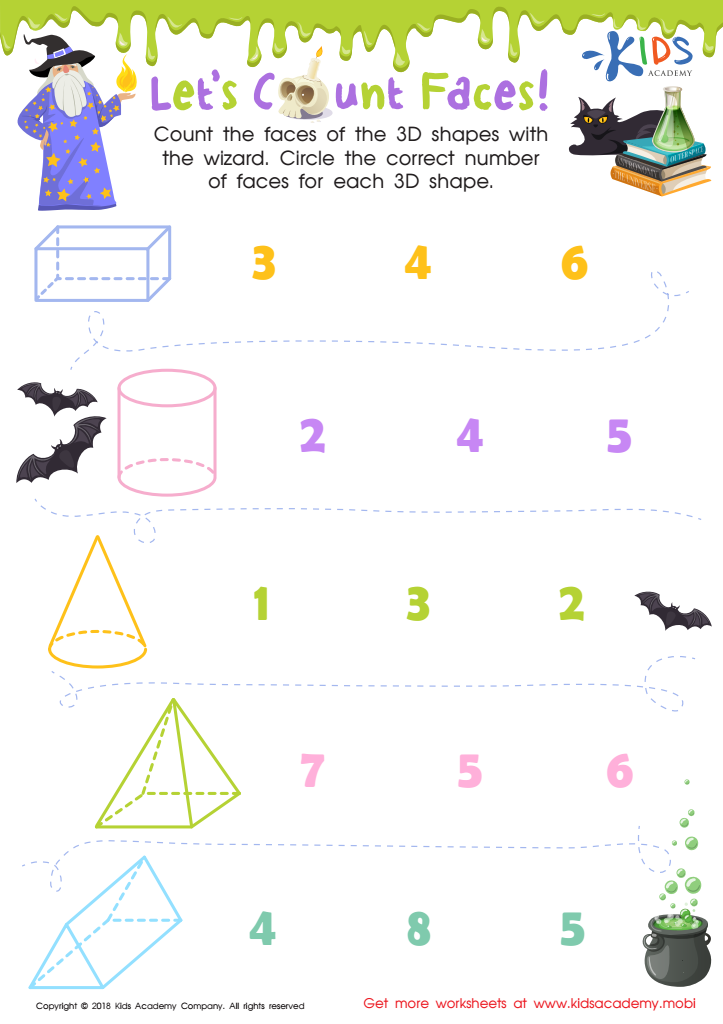
Let's Count Faces! Worksheet
 Assign to My Students
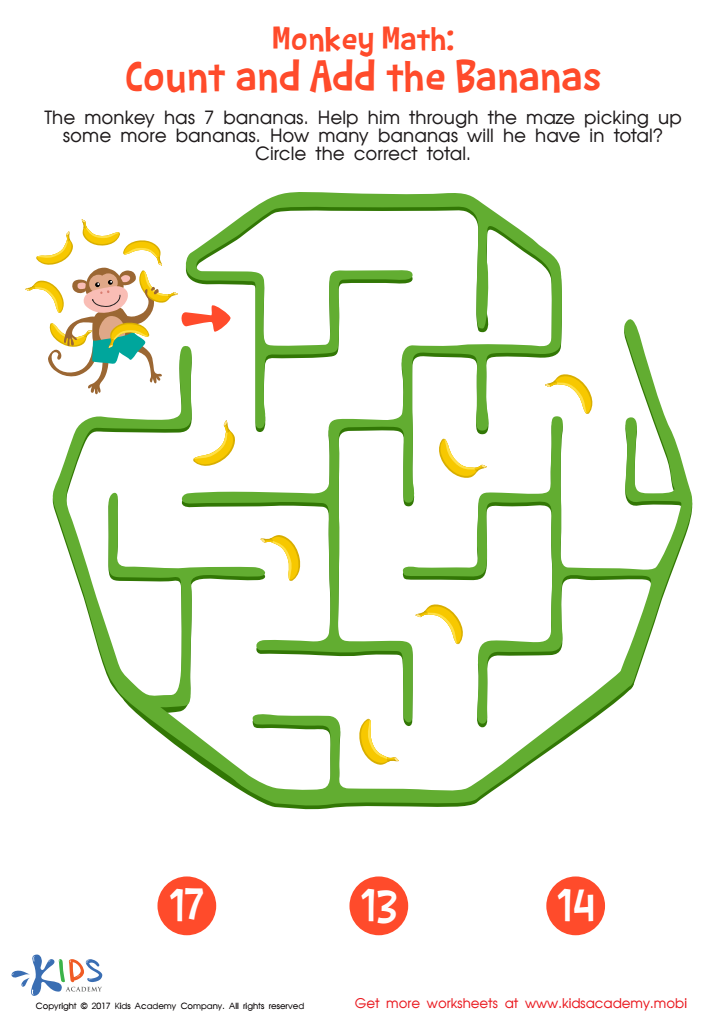
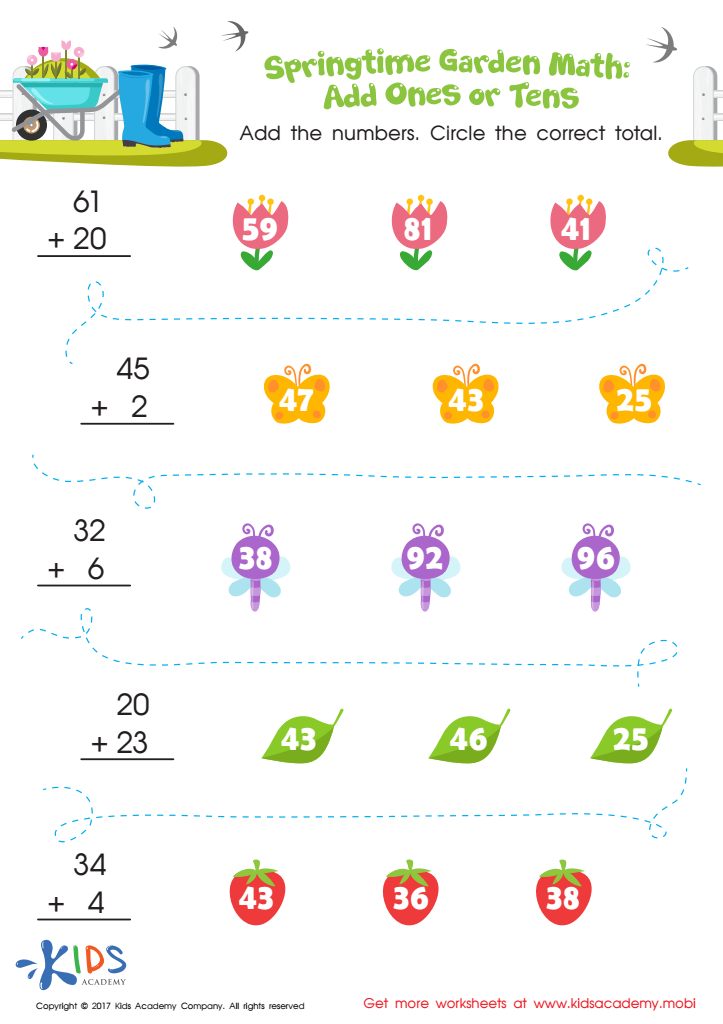
Springtime Garden Math Worksheet








Visualization skills are critical for children aged 7-9 as they provide significant educational and cognitive benefits during this formative period. These skills help children create mental images that enhance comprehension and retention of information. When reading or listening to stories, kids who can visualize are more likely to understand and remember details, improving literacy and language arts proficiency.
Furthermore, visualization fosters problem-solving and critical thinking skills. In math, for instance, imagining shapes, patterns, or the steps in a word problem can lead to better conceptual understanding and efficient solutions. In science, visualizing processes or abstract concepts can deepen comprehension and stimulate curiosity.
Additionally, visualization supports emotional and social development. Imagining different scenarios or outcomes can enhance empathy by helping children see things from various perspectives. It also aids in planning and goal-setting by allowing kids to picture future situations and the steps needed to achieve desired outcomes.
For parents and teachers, encouraging activities like drawing, reading descriptive texts, and engaging in imaginative play can strengthen these visualization skills. Prioritizing the development of visualization not only enriches academic performance but also cultivates a more enriched and rounded cognitive and social growth in children.








