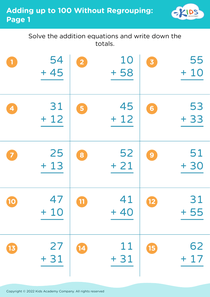
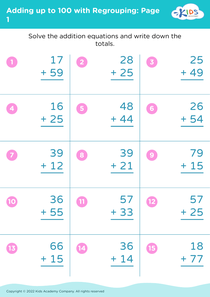
Reading comprehension Adding up to 100 Misc Worksheets for Ages 7-9
3 filtered results
-
From - To
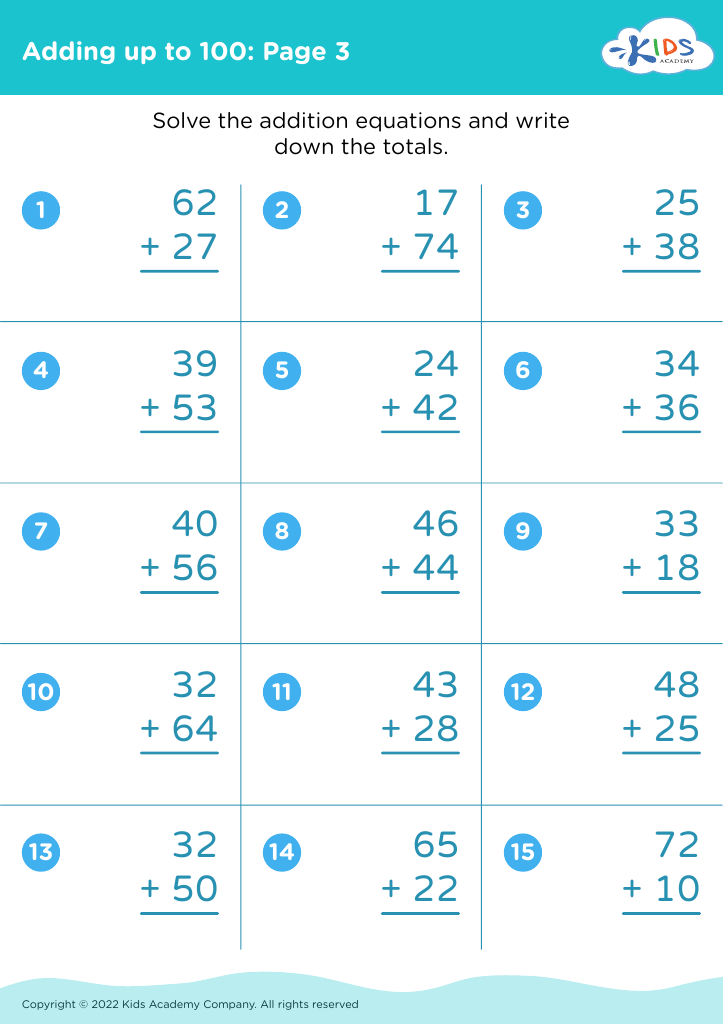
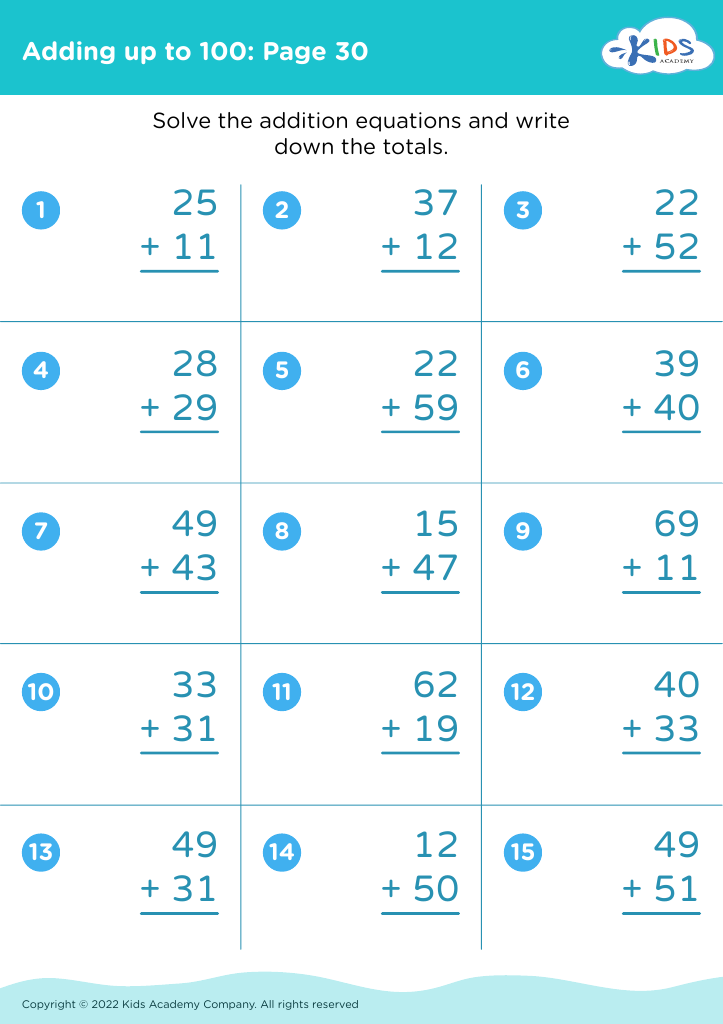
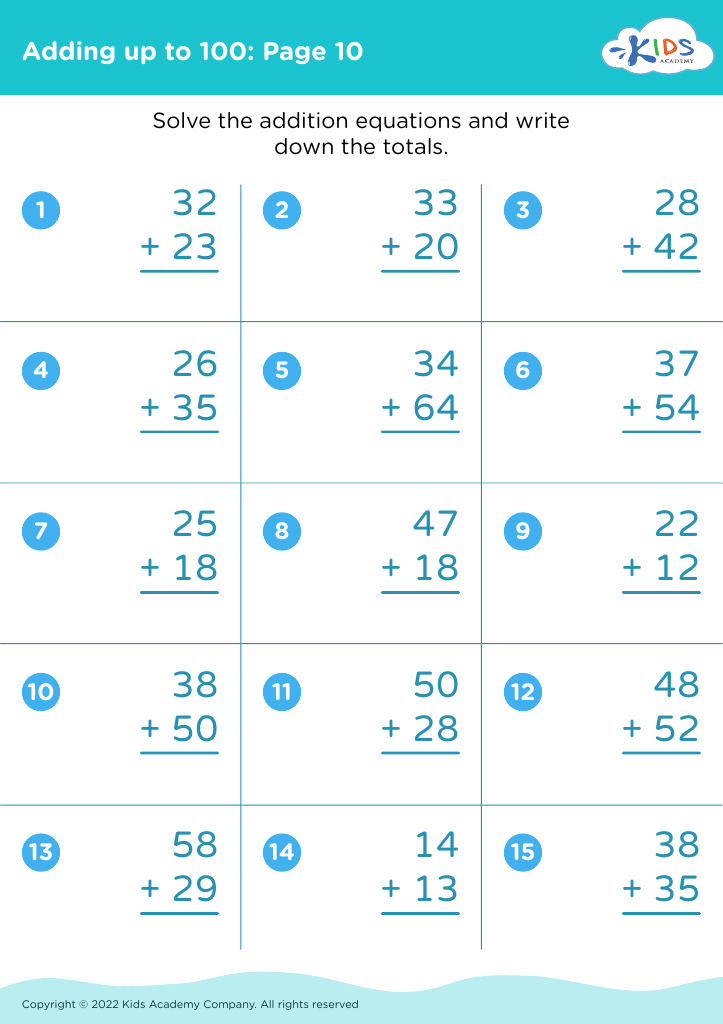
Enhance your child's learning journey with our "Reading Comprehension Adding up to 100 Misc Worksheets" tailored for ages 7-9. This resource features engaging worksheets designed to foster a deeper understanding of reading comprehension while reinforcing math skills involving addition up to 100. Students will tackle vibrant stories, fun scenarios, and interactive questions that combine narrative skills with essential math problems. Perfect for classroom use or at-home learning, these worksheets provide a well-rounded approach to education, ensuring children develop critical thinking and comprehension abilities. Make learning exciting and effective with our carefully curated materials that encourage young learners to thrive!


Reading comprehension is a fundamental skill crucial for children aged 7 to 9, and it's essential for parents and teachers to pay close attention to it. At this developmental stage, children are transitioning from "learning to read" to "reading to learn." Mastering comprehension enables them to understand and retain information, which is key for academic success across subjects.
Moreover, strong reading comprehension skills foster critical thinking and analytical abilities, allowing children to engage more deeply with texts, make connections, and explore diverse perspectives. This not only enhances their classroom performance but also prepares them for real-life situations where interpreting information is necessary.
Additionally, proficient readers often exhibit increased confidence and motivation, as they are more likely to participate in class discussions and enjoy reading independently. Parents can nurture these skills through interactive reading sessions and discussions about stories, while teachers can implement engaging activities that encourage comprehension, such as summarization and prediction exercises.
In short, prioritizing reading comprehension builds a strong foundation for academic success, critical thinking, and a lifelong love for learning, making it a priority for educators and caregivers alike. Supporting these skills is an investment in their children's future.