Understand fractions Adding up to 100 Misc Worksheets for Ages 7-9
3 filtered results
-
From - To
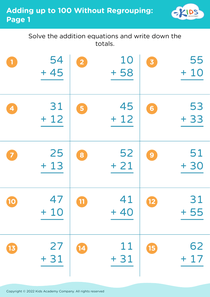
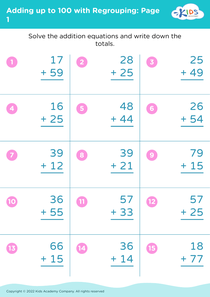
Unlock the world of fractions for your 7-9 year-olds with our engaging worksheets designed to enhance their understanding of adding up to 100. These expertly crafted resources make learning about fractions fun and accessible. Students will encounter a variety of hands-on activities that promote critical thinking and reinforce core concepts in a playful manner. Each worksheet focuses on visual and practical applications, providing an enriching experience that caters to diverse learning styles. Ideal for classroom or home use, our worksheets support skill mastery while building confidence in math foundations. Dive into the world of fractions and watch your child's math skills flourish!
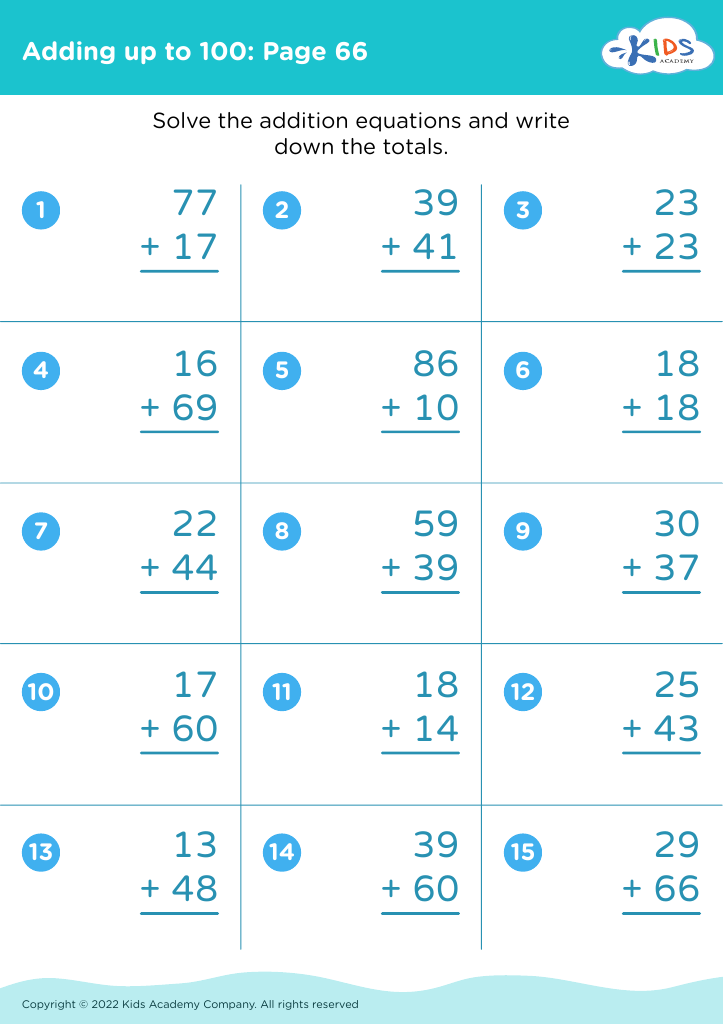
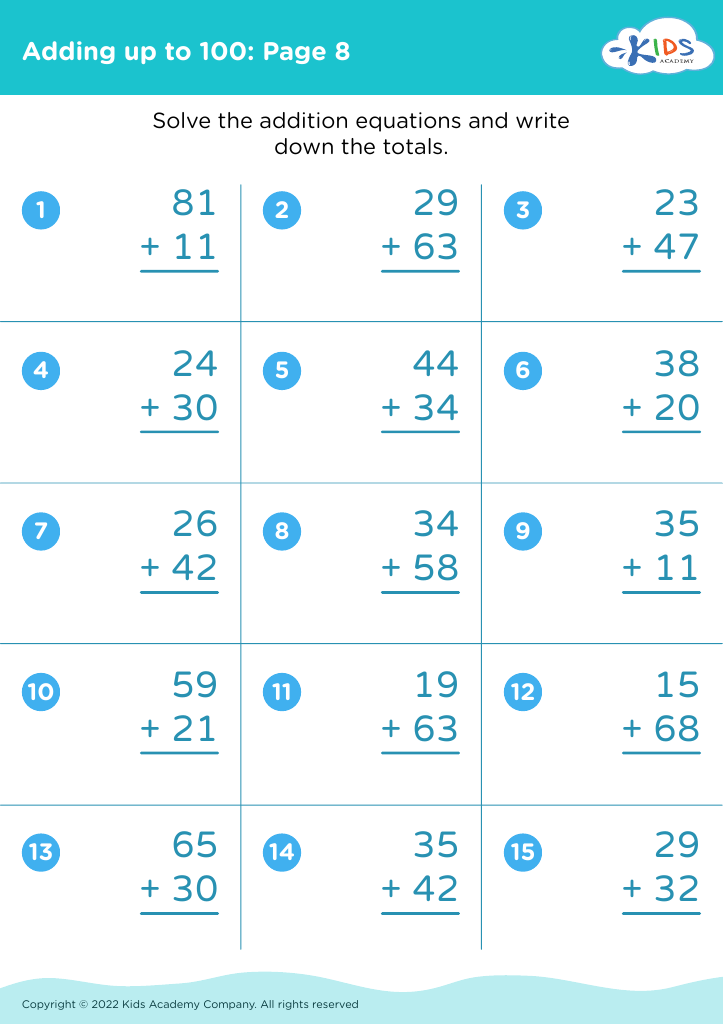
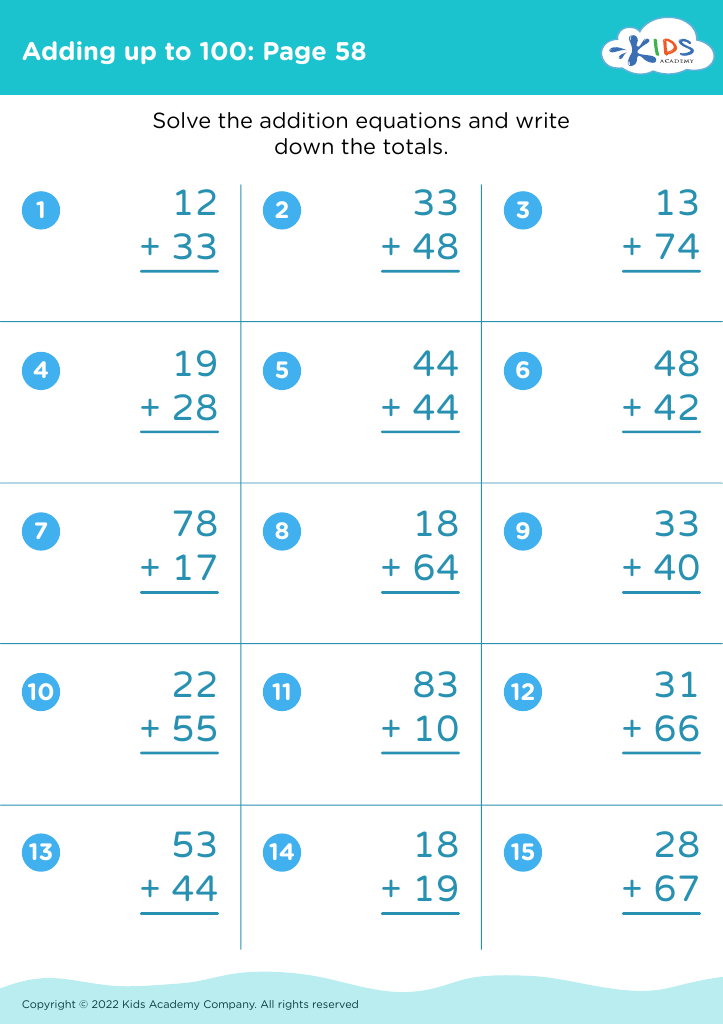


Understanding fractions, particularly in the context of adding up to 100, is a fundamental skill for children aged 7-9. Parents and teachers should care about this concept because it paves the way for essential mathematical reasoning necessary for everyday life and advanced learning. Mastering fractions builds a foundation for more complex math topics, such as ratios, percentages, and even algebra.
At this age, children are developing critical thinking and problem-solving skills. Learning how to work with fractions, including the concept of complementary fractions adding up to a whole (such as 50% + 50% = 100%), cultivates their ability to analyze and break down problems. Furthermore, these skills are crucial when making real-world decisions, like cooking, budgeting, or sharing resources equitably.
Teaching fractions enhances literacy in mathematics, promoting confidence in handling numbers and greater academic success. Engaging with fractions also encourages discussions at home and school, fostering a collaborative learning environment. Overall, prioritizing this foundational knowledge in early education ensures that children are not only prepared for future math challenges, but also equipped with practical skills that will benefit them throughout their lives.