Fraction simplification Adding up to 50 Misc Worksheets for Ages 7-9
5 filtered results
-
From - To
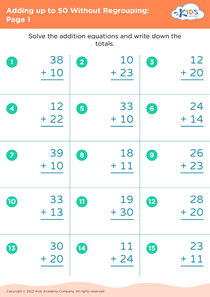
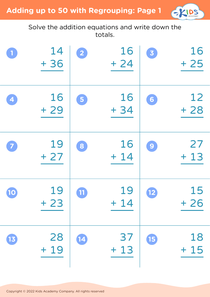
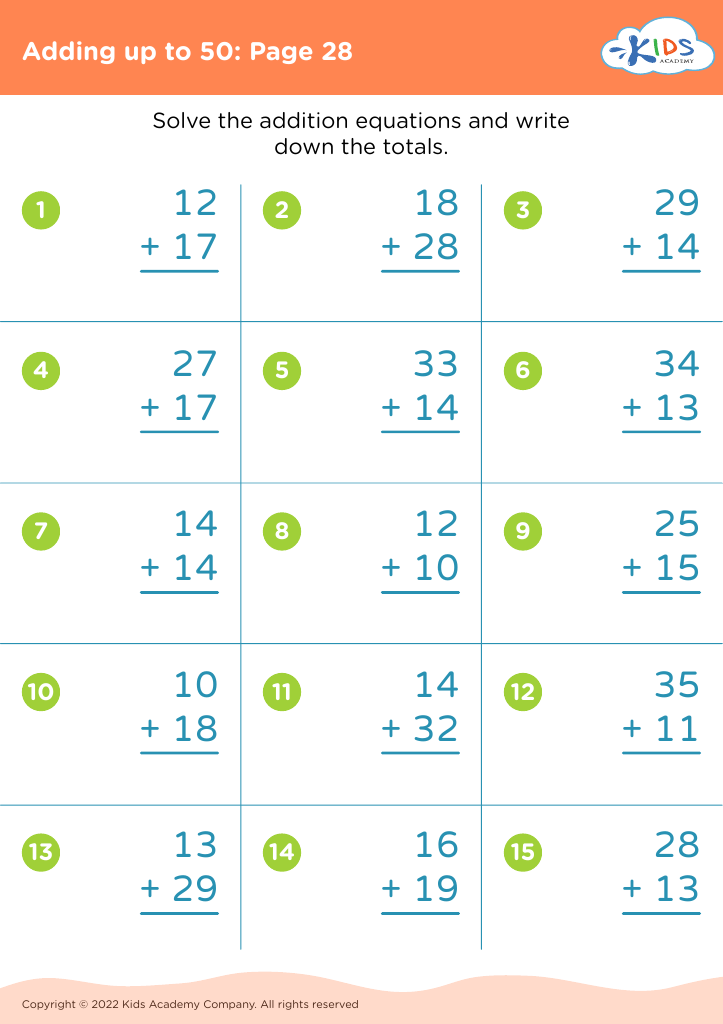
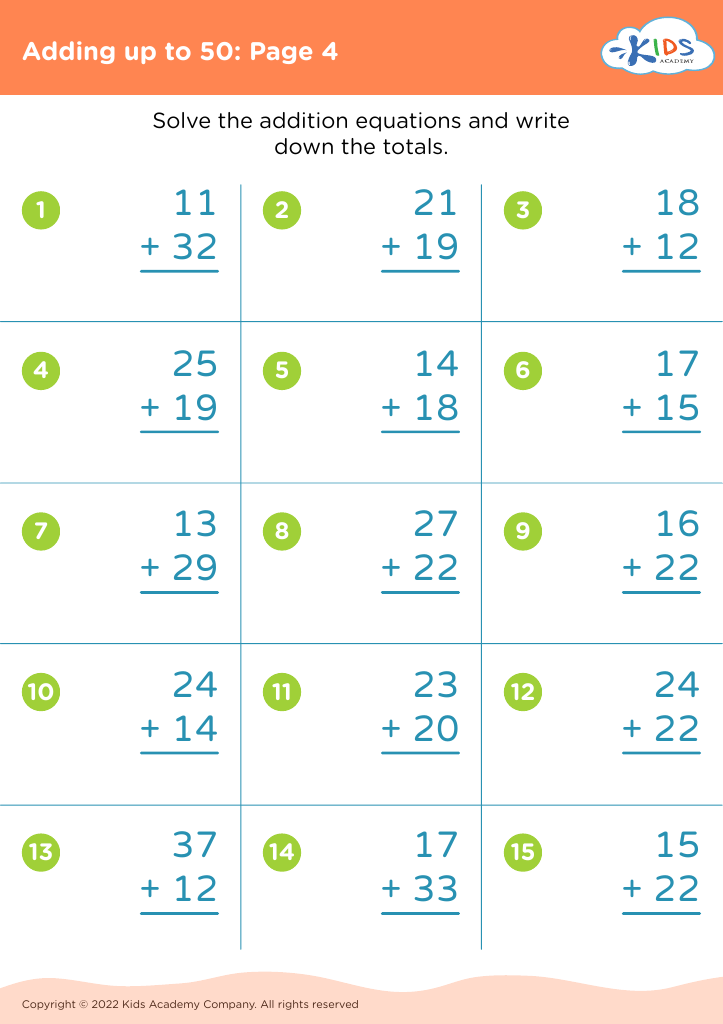
Discover our engaging "Fraction Simplification Adding Up to 50" worksheets designed for young learners aged 7-9! These interactive resources help children master the concept of simplifying fractions, while also practicing addition skills up to 50. Each worksheet features carefully crafted problems that make learning fun and effective. Perfect for classroom use or home practice, our worksheets encourage critical thinking and problem-solving abilities. With clear instructions and vibrant visuals, students will build confidence in their mathematical skills. Explore our collection today and give your child the tools they need for success in math!
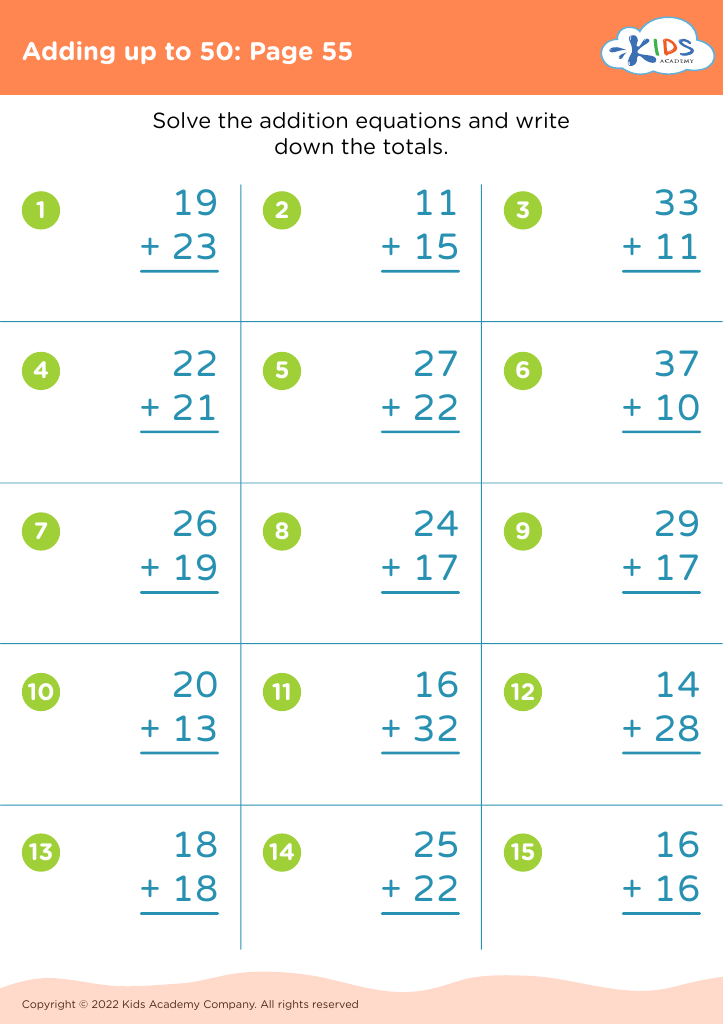
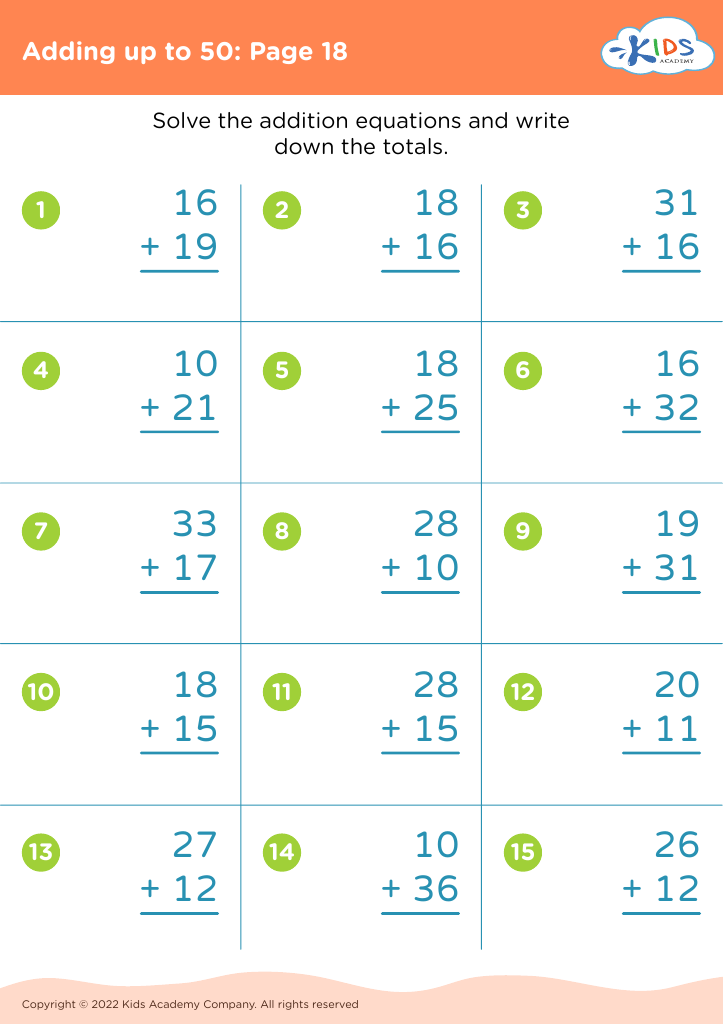
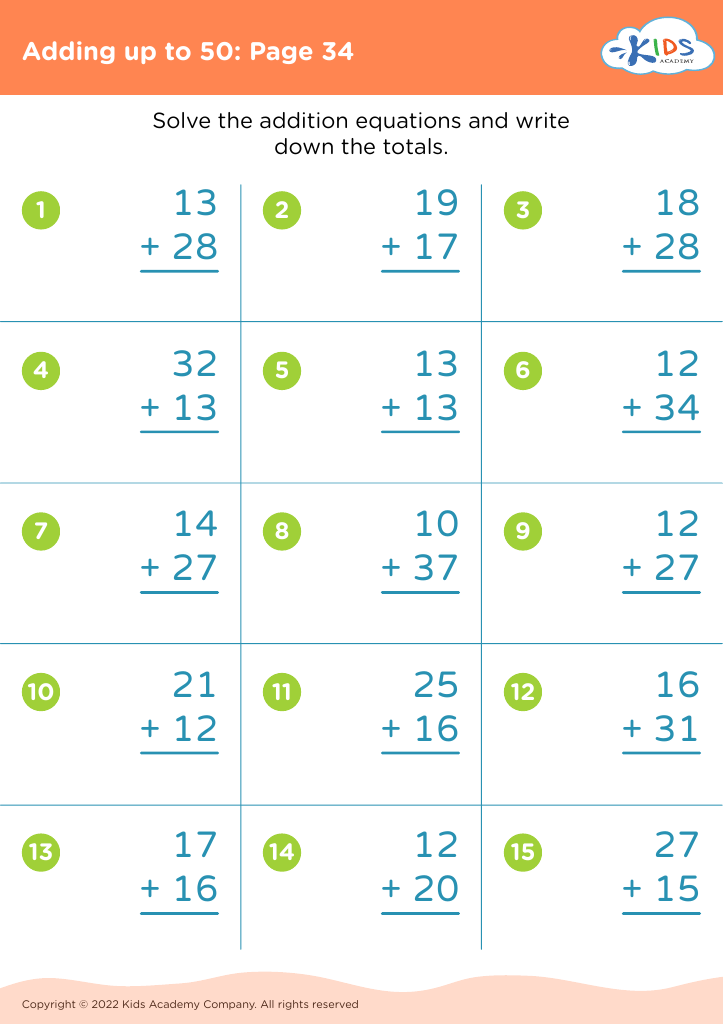


Fraction simplification plays a crucial role in helping children aged 7-9 develop strong mathematical skills. Understanding fractions allows students to grasp concepts such as part-to-whole relationships and proportional reasoning. When parents and teachers emphasize fraction simplification, they are equipping children with tools to solve problems more efficiently and approach complex mathematical concepts with greater confidence.
Additionally, adding fractions with different denominators requires simplification for effective calculation. By focusing on this process, children enhance their ability to work with mixed numbers and add fractions accurately, ultimately improving their performance in mathematics. This foundational skill will support their future learning, as a solid grasp of fractions is essential in tackling topics such as ratios, percentages, and later, algebra.
Moreover, introducing games and engaging activities related to fraction simplification can foster a positive attitude toward math. Children who enjoy learning will be more likely to pursue advanced subjects and develop critical thinking skills. Lastly, incorporating fraction simplification into learning reinforces perseverance, attention to detail, and problem-solving, which are essential life skills. Invested parents and teachers can significantly impact a child's academic success and encourage a lifelong appreciation for mathematics.