Understanding fractions Adding up to 50 Misc Worksheets for Ages 7-9
17 filtered results
-
From - To
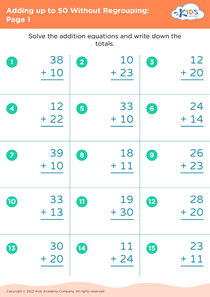
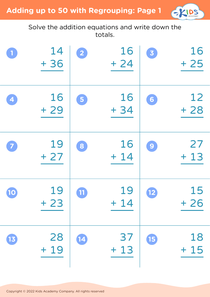
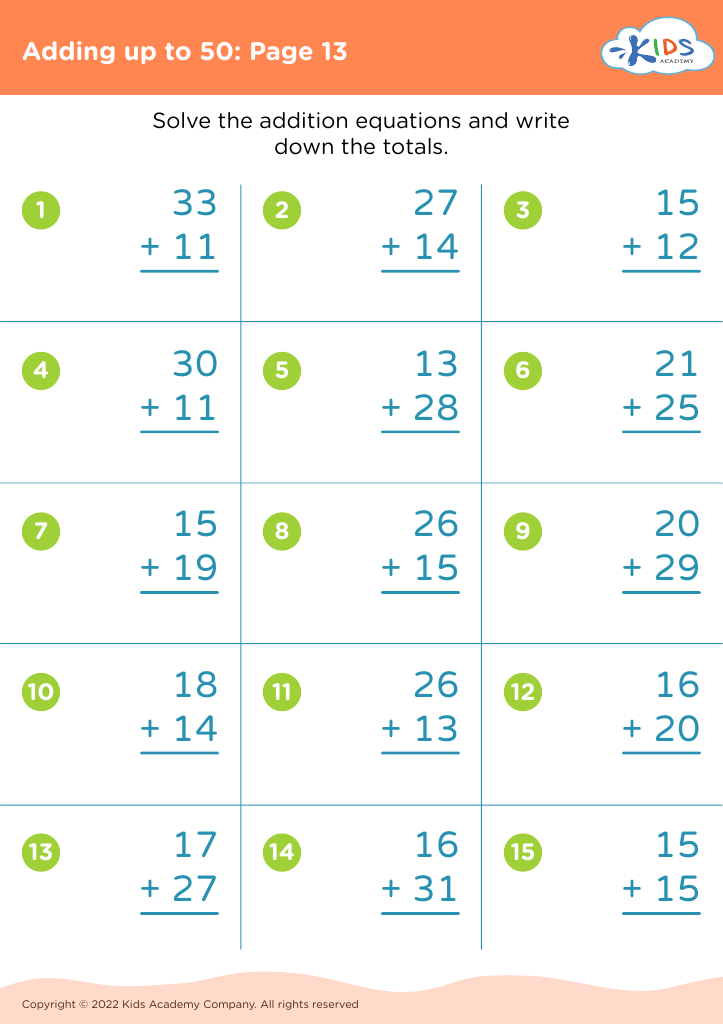
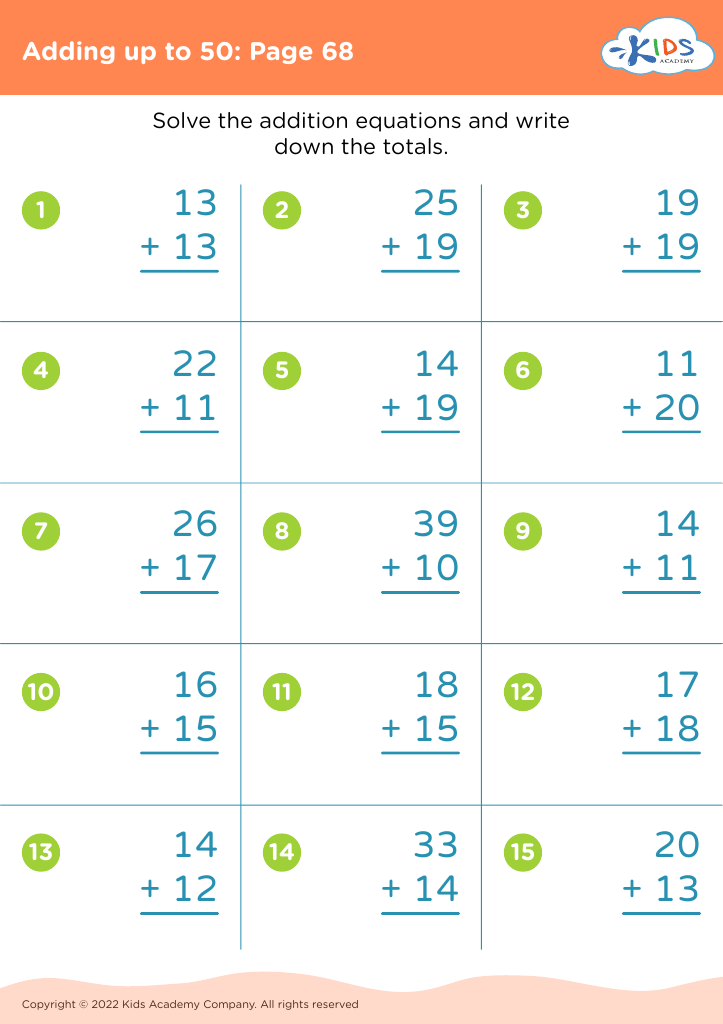
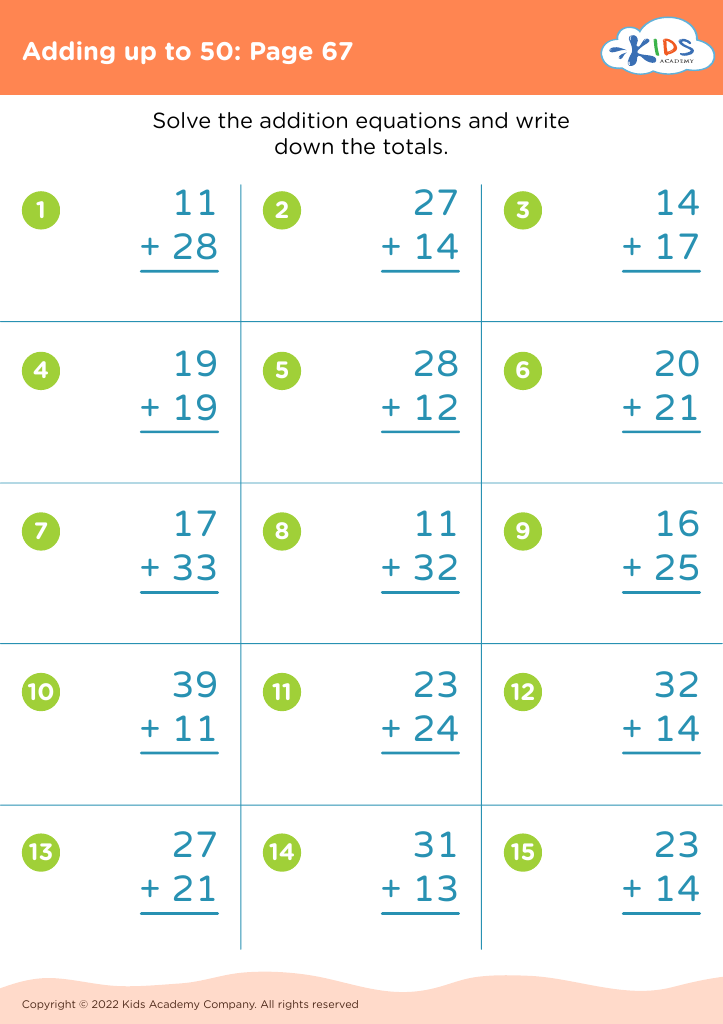
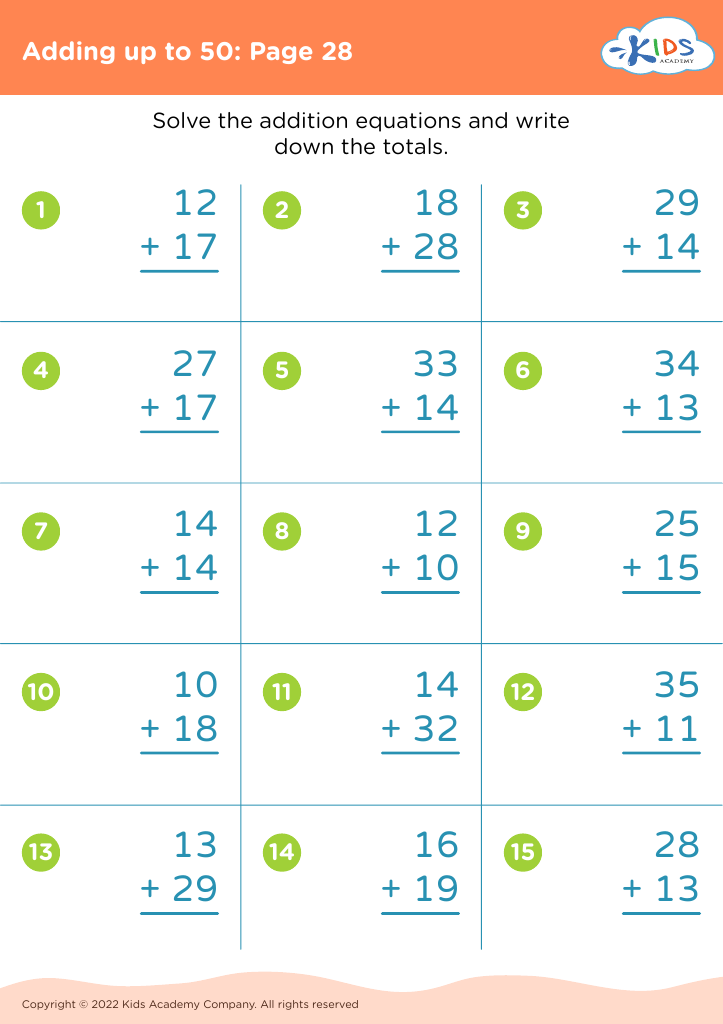
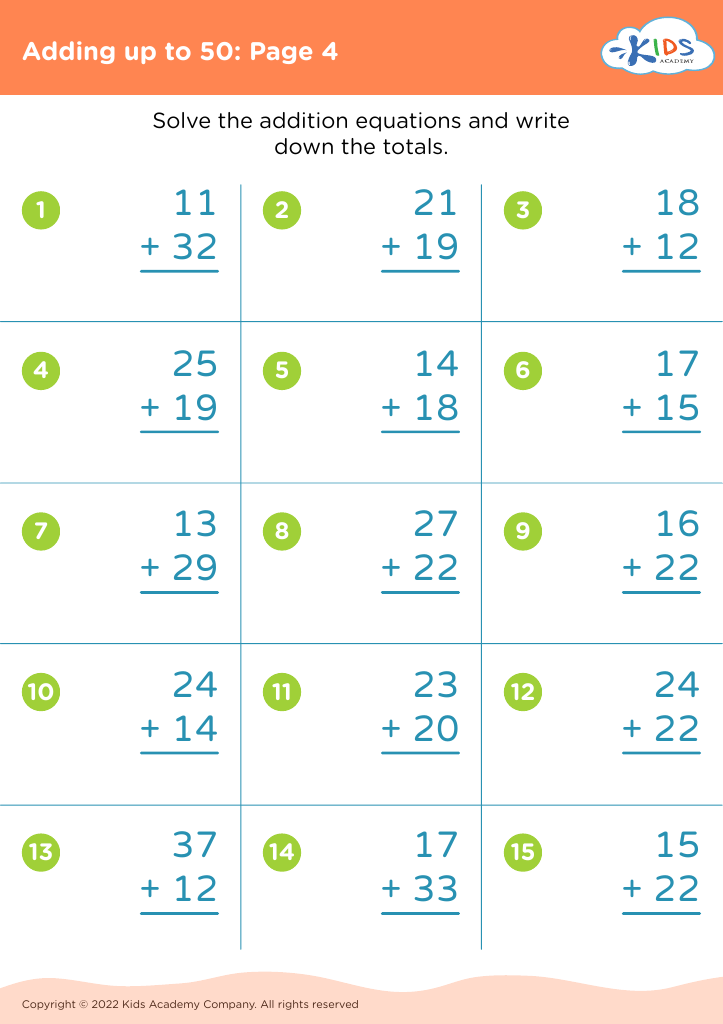
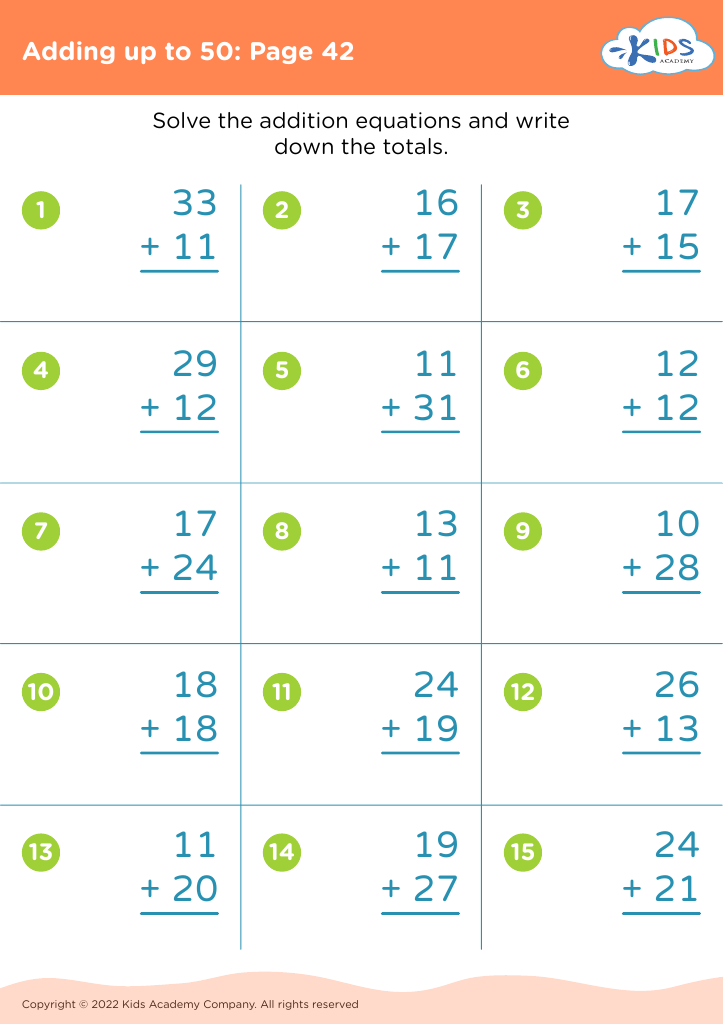
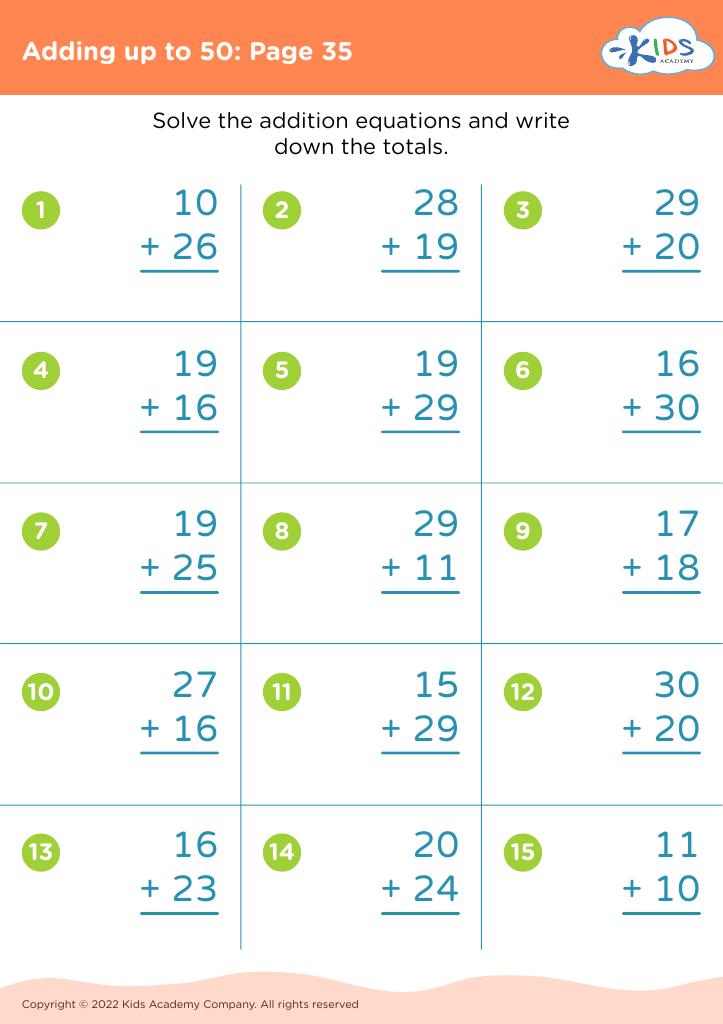
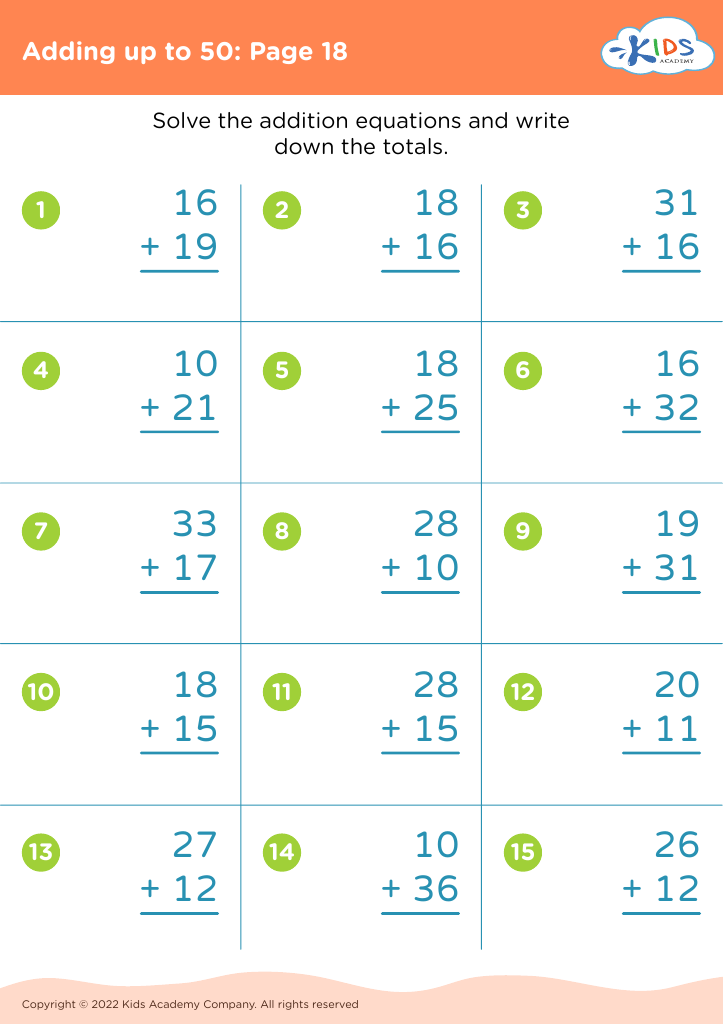
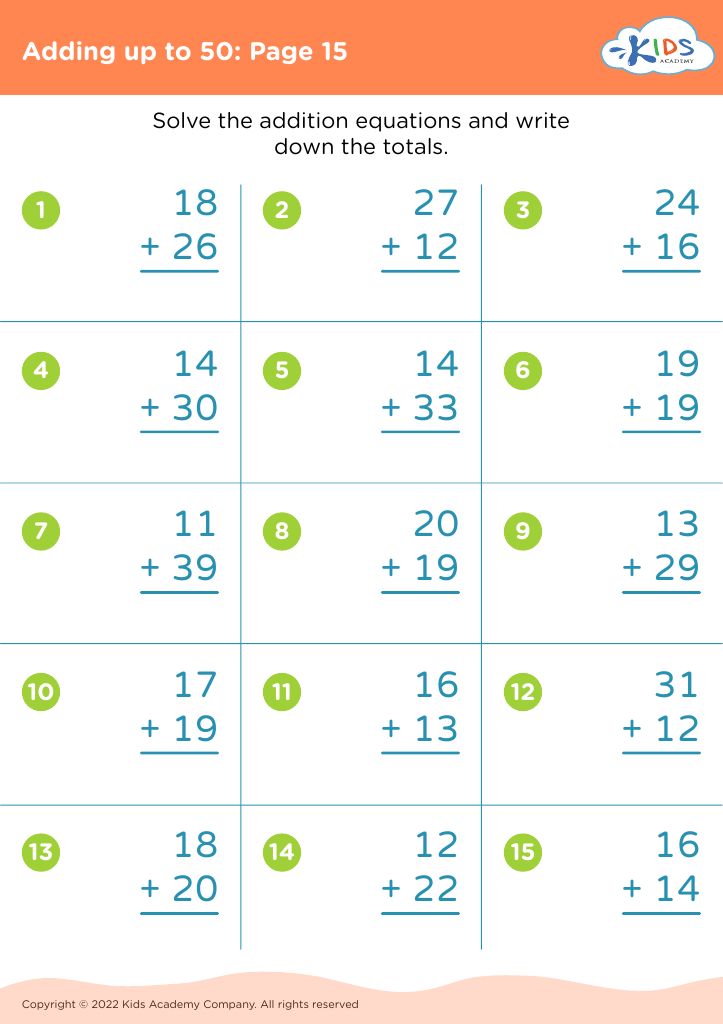
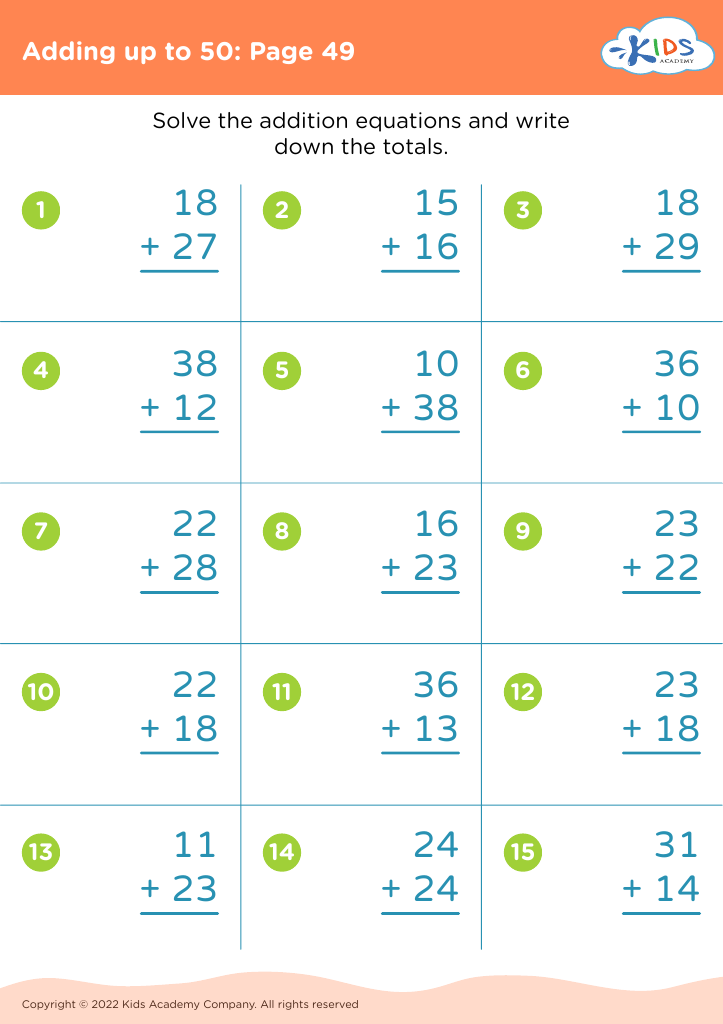
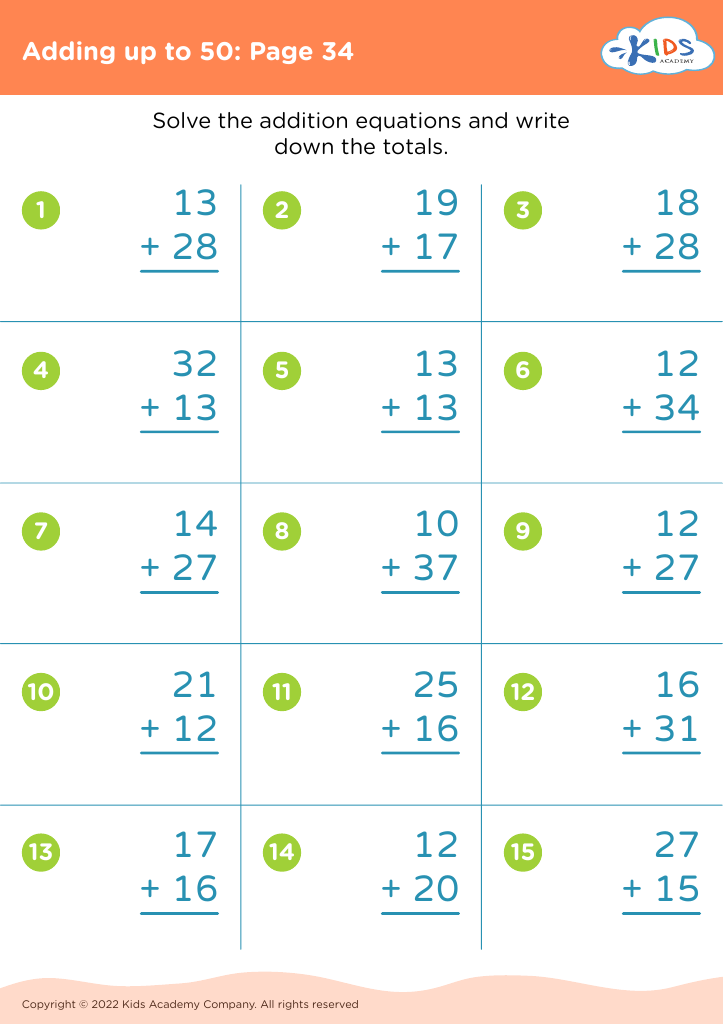
Explore our "Understanding Fractions: Adding Up to 50" worksheets designed specifically for children aged 7-9. These engaging resources introduce young learners to the concept of fractions, helping them grasp their significance in everyday contexts. Through a variety of interactive exercises, students will practice identifying, adding, and comparing fractions while ensuring they remain below 50. Our worksheets aim to build a solid foundation in fractions, enhancing students' mathematical skills and confidence. Perfect for both homeschooling and classroom settings, these colorful, easy-to-follow worksheets promote a fun learning experience, making fractions relatable and enjoyable for children. Start exploring today!
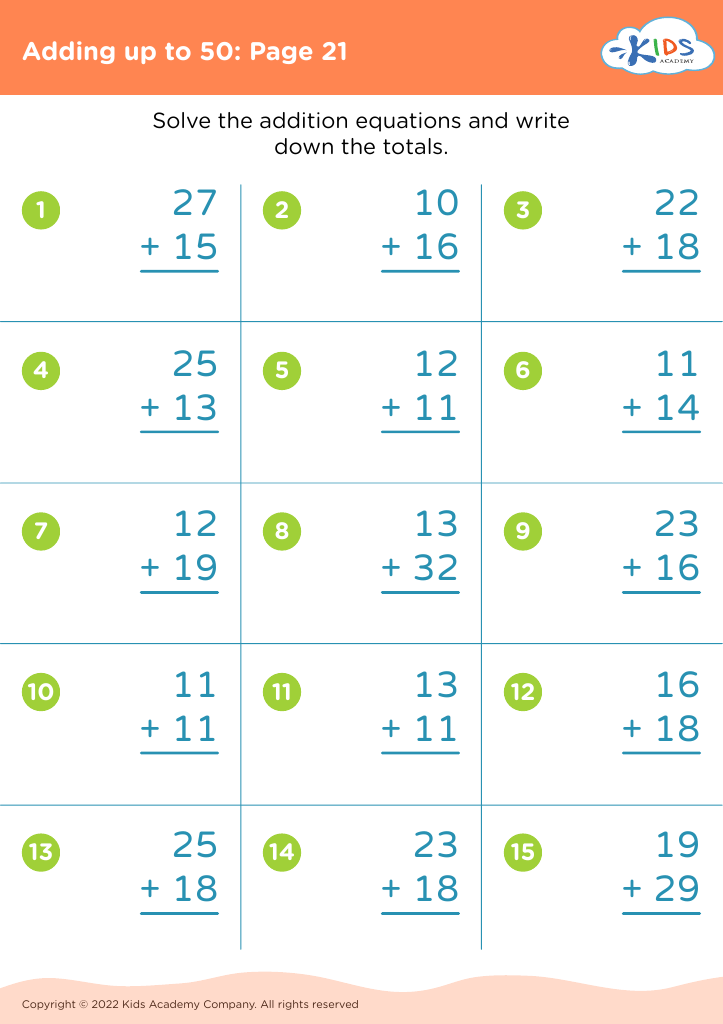
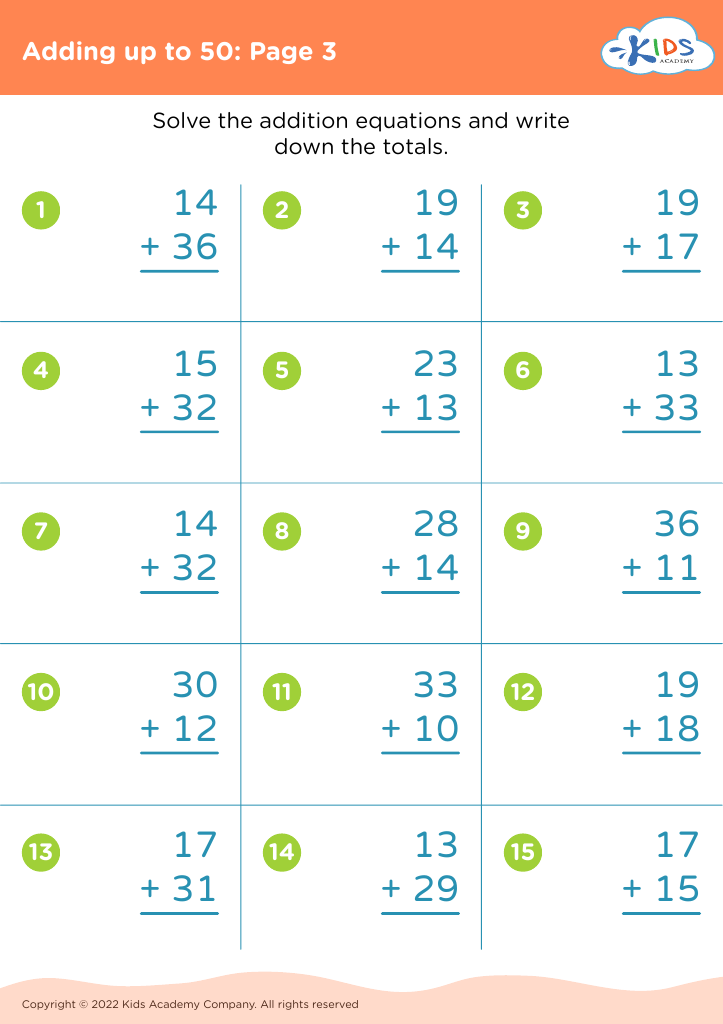
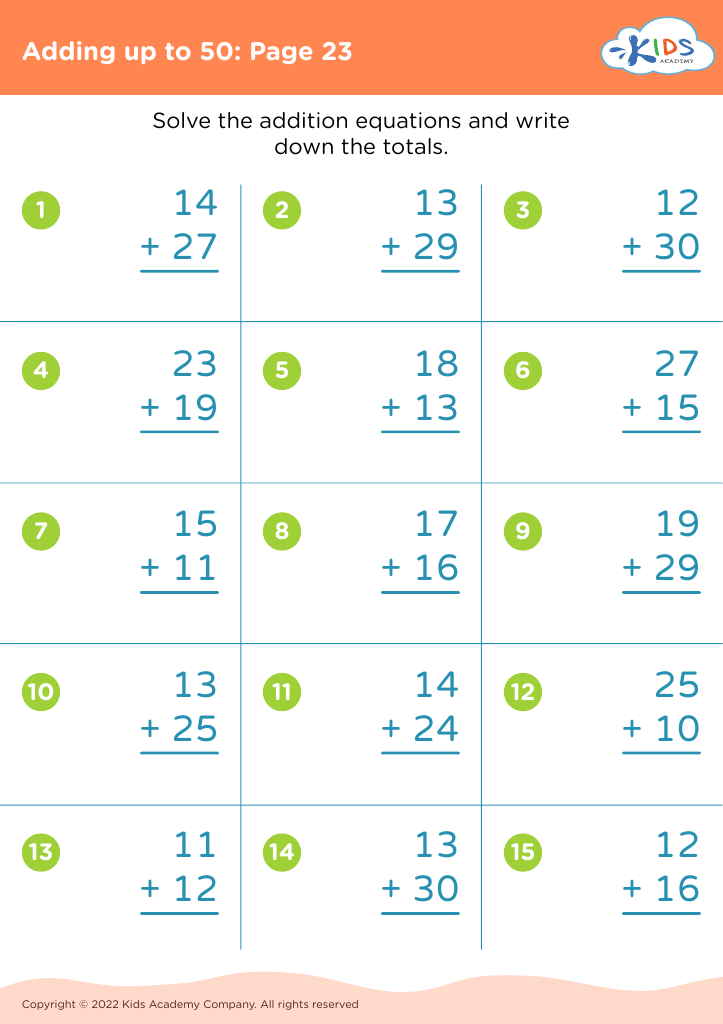
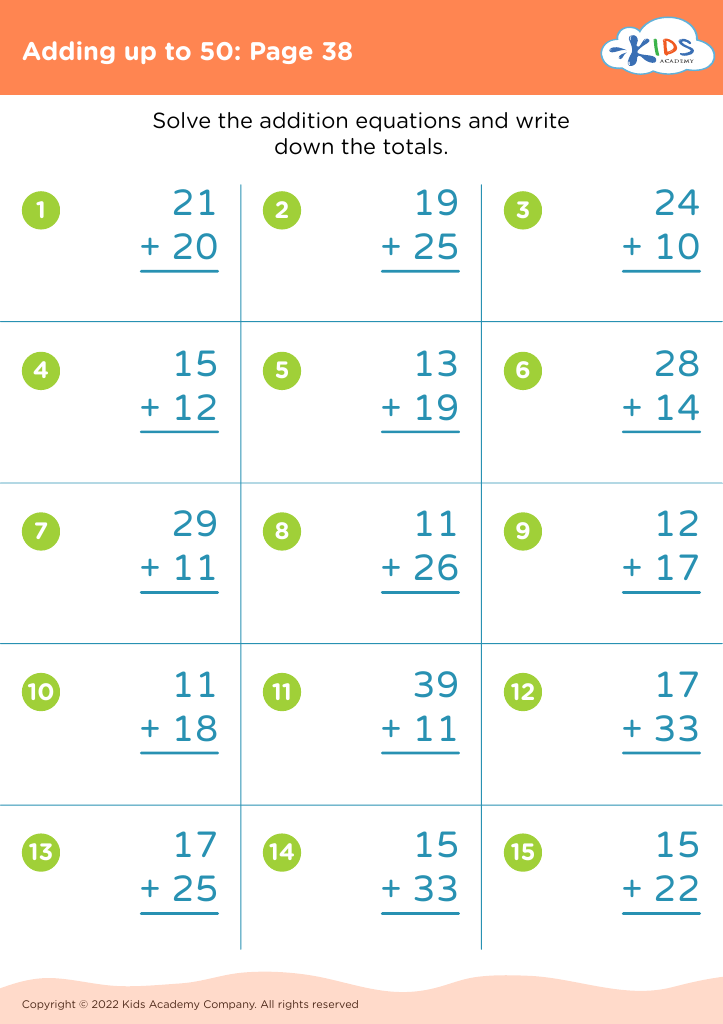
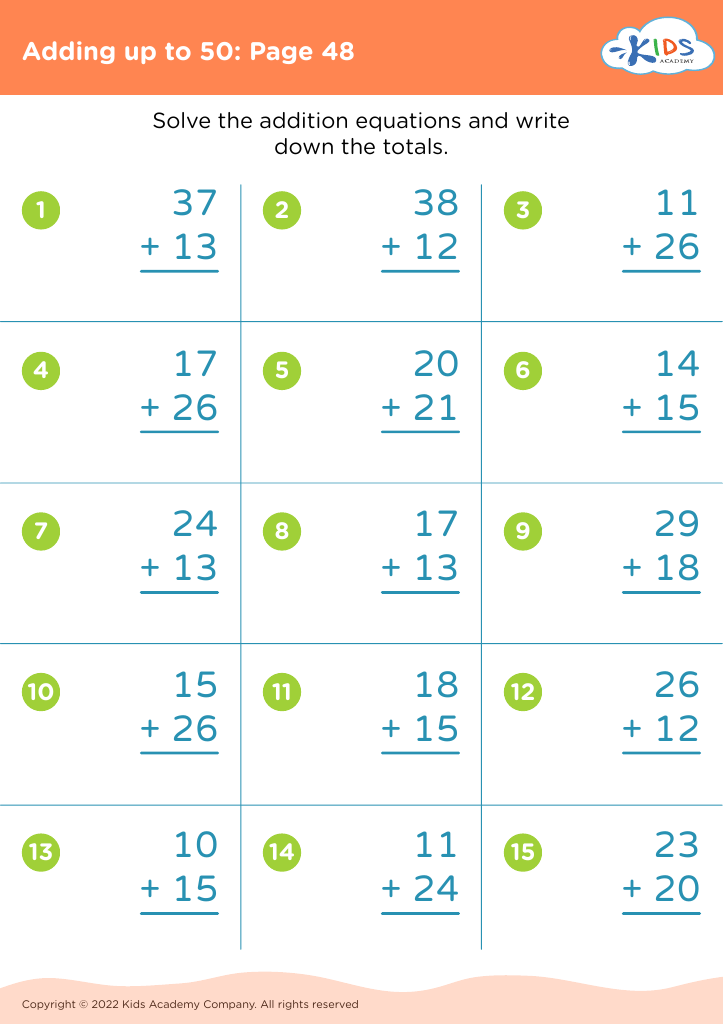
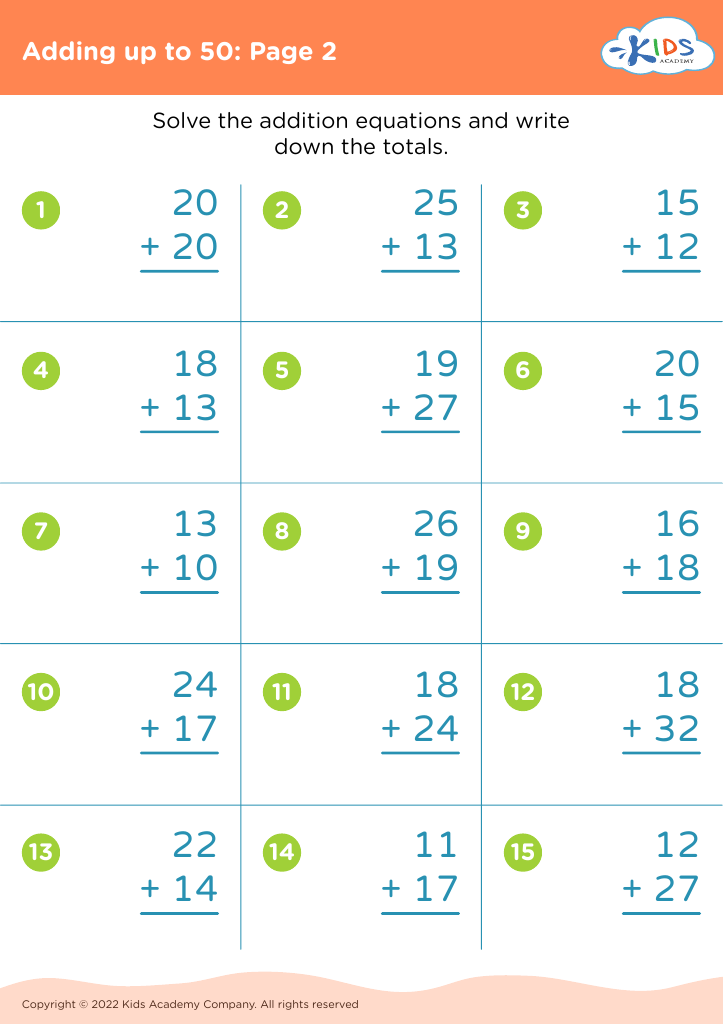


Understanding fractions is a fundamental aspect of mathematics that plays a crucial role in a child's cognitive and academic development. For children aged 7 to 9, comprehending fractions is essential as it lays the groundwork for more advanced math concepts. Mastering fractions helps students develop problem-solving skills, critical thinking, and logical reasoning, which are vital beyond the classroom.
As parents or teachers, focusing on a theme like "Adding up to 50" allows children to relate visual representations of fractions to whole numbers, fostering a deeper understanding of fractions as parts of a whole. This concept becomes particularly important for practical life applications—cooking, budgeting, and sharing fairly—all of which involve fractions.
Moreover, early exposure to such concepts can build confidence in math skills, reducing anxiety around the subject as children progress in their education. By engaging students in enjoyable fraction activities, educators and parents can motivate them to tackle challenges with resilience. Ultimately, fostering a strong grasp of fractions not only enhances mathematical ability but also equips kids with a skill set they will use throughout their lives. Therefore, caring about their comprehension is an investment in their future success and self-esteem.