Improving reading skills Addition & Subtraction Worksheets for Ages 7-9
4 filtered results
-
From - To
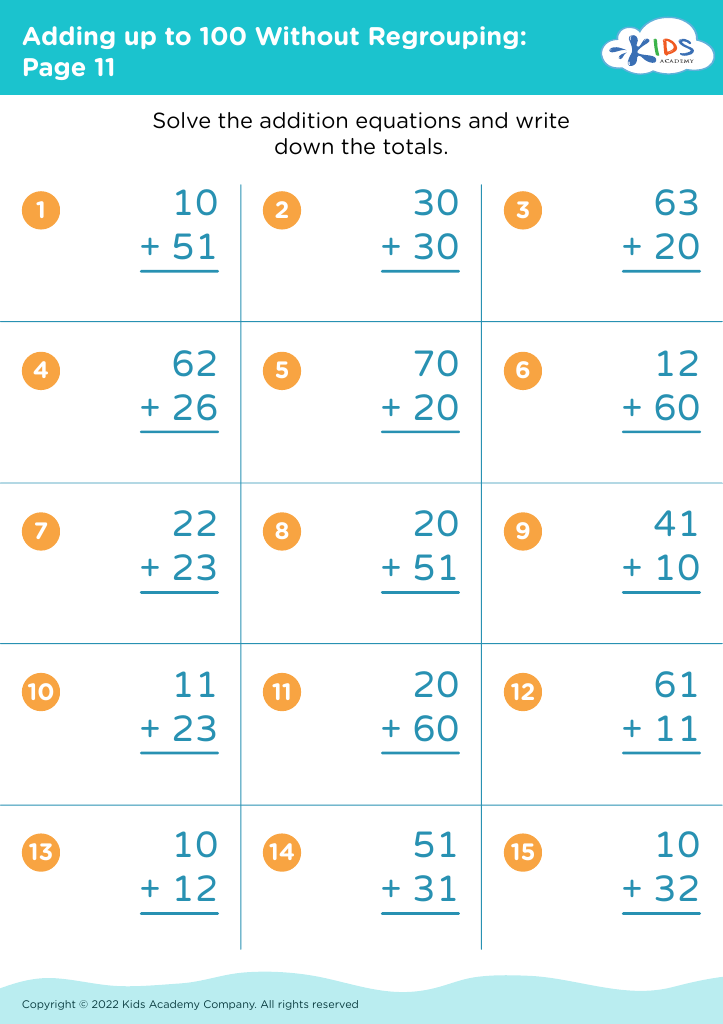
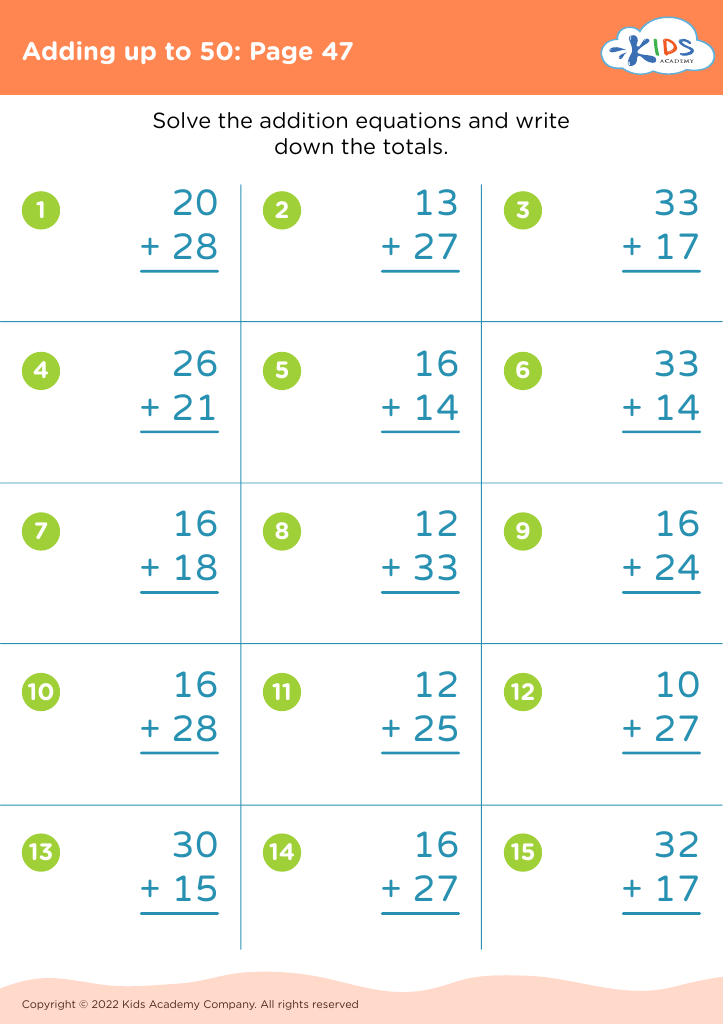
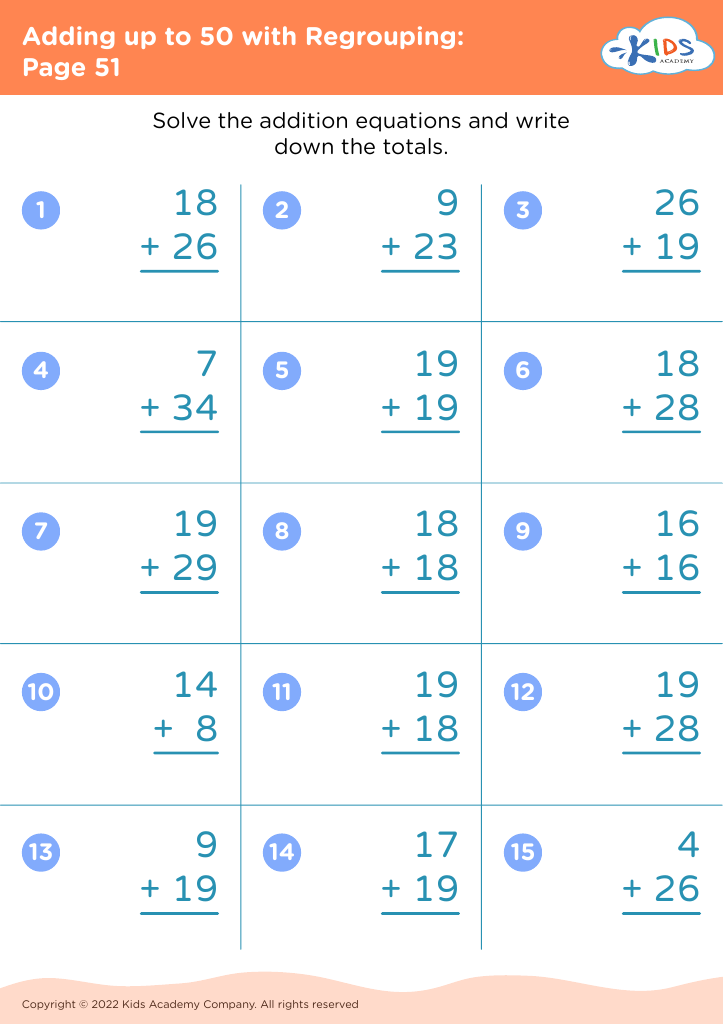
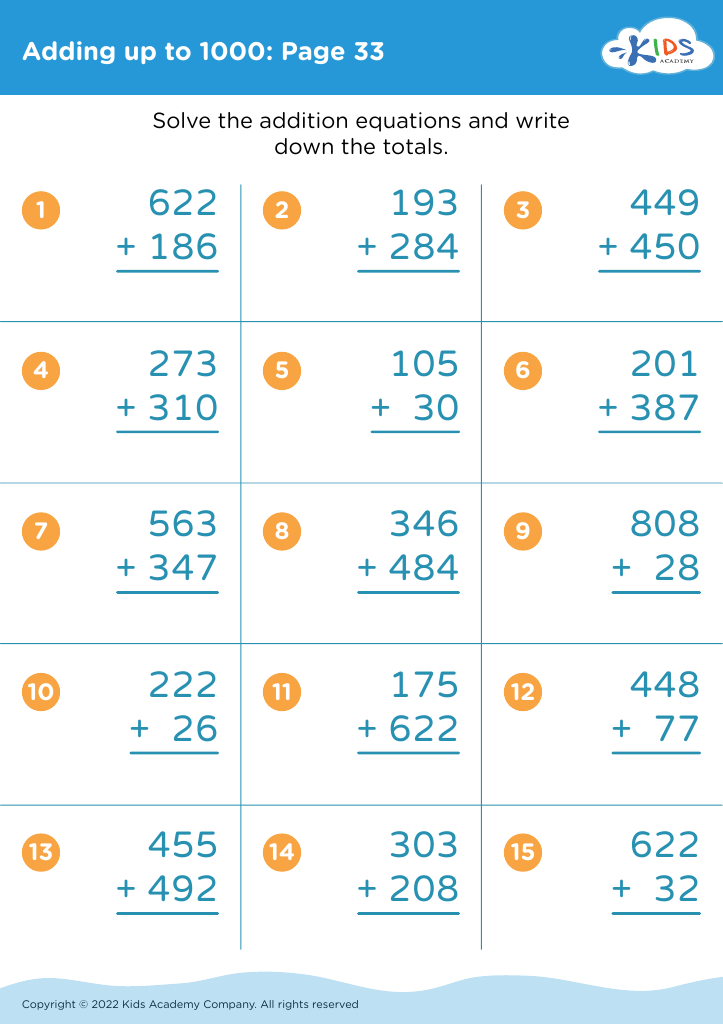
Enhance your child's arithmetic and literacy simultaneously with our enriching "Improving Reading Skills Addition & Subtraction Worksheets" designed for ages 7-9. These engaging worksheets effectively merge math problems with reading comprehension exercises, fostering dual-skill development in young learners. Each fun, interactive activity aims to build confidence in addition and subtraction while also bolstering reading ability. Perfectly tailored for second and third graders, these worksheets offer a balanced approach to conquering two essential academic areas. Dive into our expertly crafted resources and watch as your child's problem-solving and reading proficiency soar!








Parents and teachers should prioritize improving reading skills and proficiency in addition and subtraction for children aged 7-9 because these foundational skills are critical for academic and lifelong success. At this developmental stage, children's brains are highly receptive to learning, making it an ideal time to build strong educational foundations.
Reading fluency at this age enhances comprehension, vocabulary, and critical thinking. Proficient readers are better able to grasp complex concepts in all subject areas, including science and social studies. They become more confident learners, with the ability to tackle assignments independently, thus laying the groundwork for advanced literacy skills required in higher grades.
Similarly, mastering addition and subtraction is crucial as these fundamental arithmetic skills form the basis for all future math learning. These concepts underpin everyday problem-solving abilities, ensuring children can navigate real-life situations like budgeting or making purchases. Confidence in math fosters positive attitudes toward the subject, reducing anxiety and promoting continued interest and success in more complex math disciplines later on, such as multiplication, division, or algebra.
In essence, by focusing on improving reading and basic math skills for children aged 7-9, parents and teachers are investing in the children's cognitive development, self-confidence, and overall academic trajectories, thereby equipping them with important tools for future success.








