Problem-solving abilities Addition & Subtraction Worksheets for Ages 7-9 - Page 2
26 filtered results
-
From - To
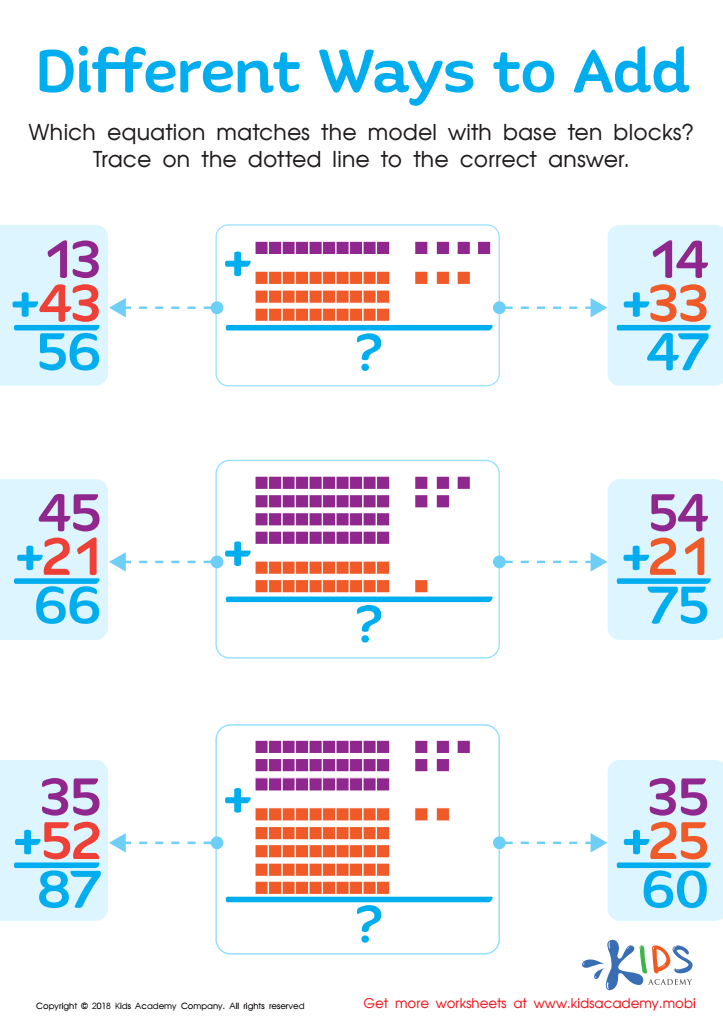
Different Ways to Add Worksheet
 Assign to My Students
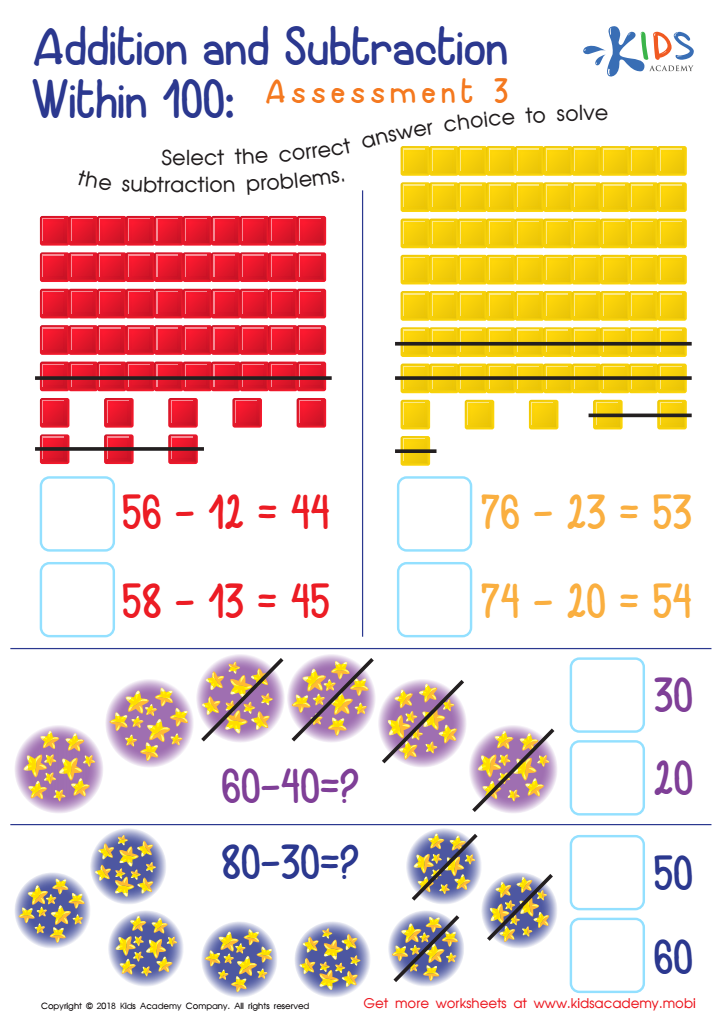
Addition and Subtraction Within 1: Assessment 3 Worksheet





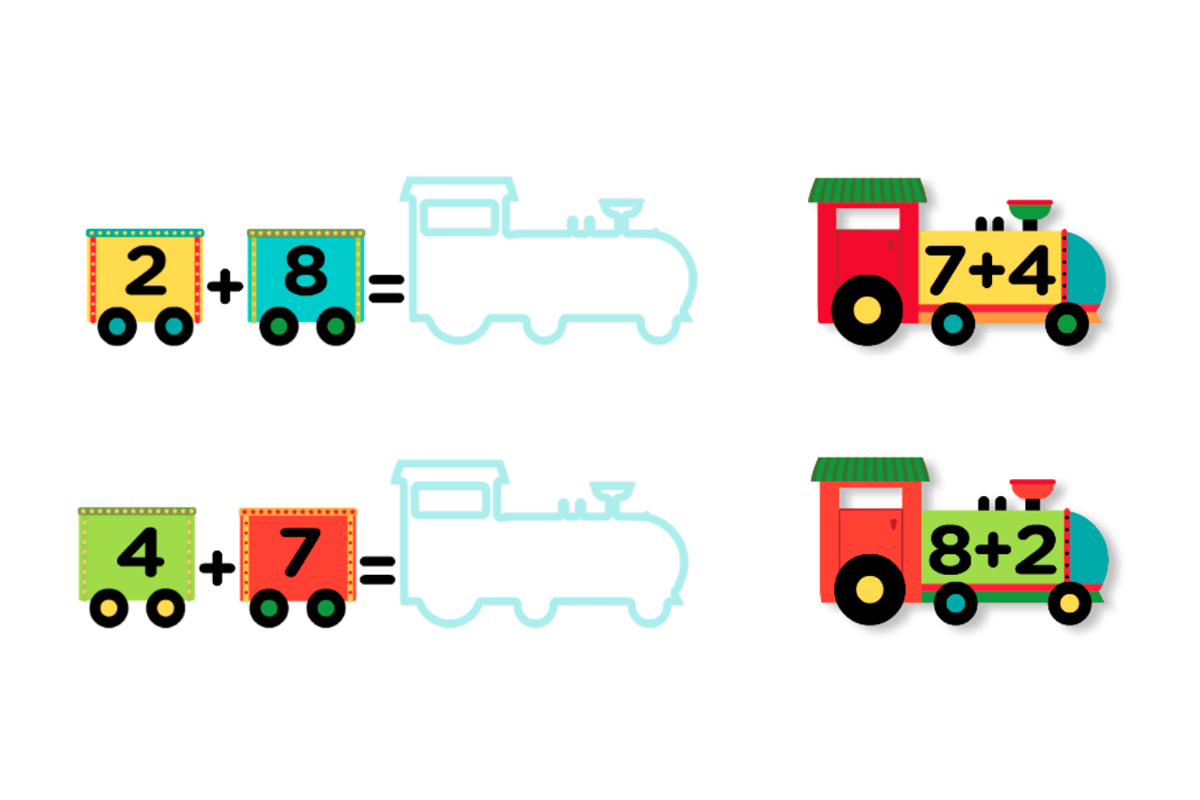


Problem-solving abilities in addition and subtraction are foundational skills that lay the groundwork for more complex mathematical concepts. For children aged 7-9, developing these skills is crucial not just for their academic success but also for their overall cognitive development. At this age, children are transitioning from concrete to more abstract thinking. Mastering addition and subtraction helps them understand number relationships and the structure of our numeric system.
Parents and teachers should emphasize these skills because they enhance logical reasoning and critical thinking. When children solve problems involving addition and subtraction, they learn to break down problems into smaller, manageable parts and apply appropriate strategies to find solutions. These abilities are transferable to real-life situations, where solving practical problems often requires similar kinds of analytical thinking.
Furthermore, proficiency in these basic operations builds confidence in young learners, encouraging a positive attitude towards mathematics. This confidence is key to fostering a lifelong interest in learning and investigating new concepts. Neglecting these skills might lead to difficulties in more advanced math topics like multiplication, division, and fractions, which depend heavily on strong foundational skills in addition and subtraction.
By supporting their children in developing problem-solving abilities in these areas, parents and teachers equip them with essential tools that can be utilized across various disciplines and aspects of life.








