
Color recognition Addition Worksheets for Ages 7-9
10 filtered results
Difficulty Level
Grade
Age
-
From - To
Subject
Activity
Standards
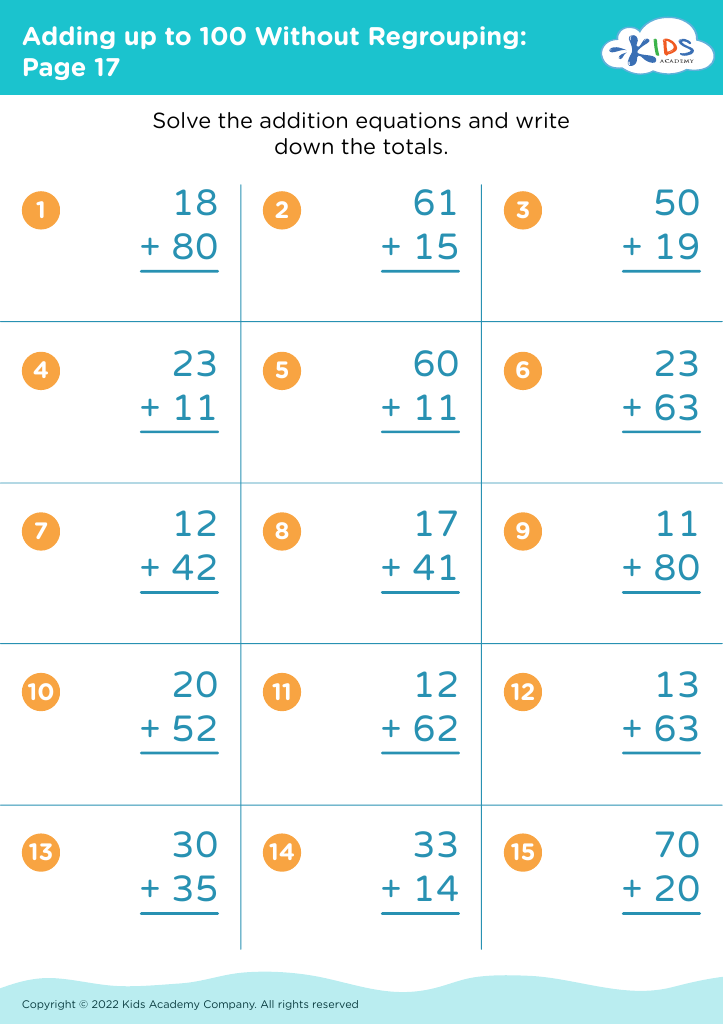
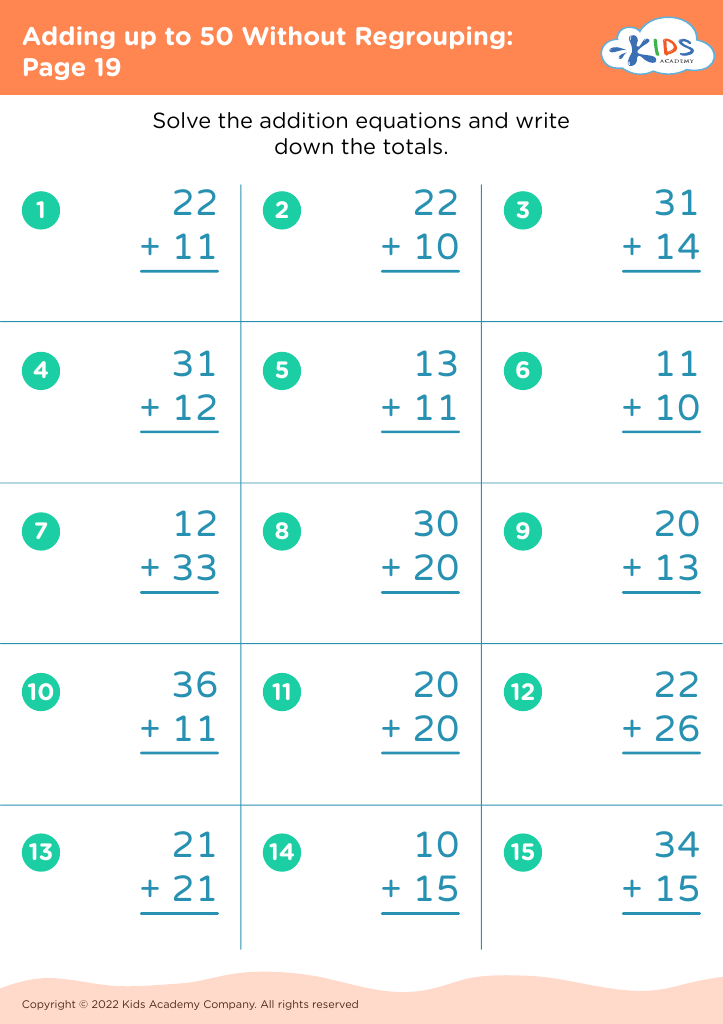
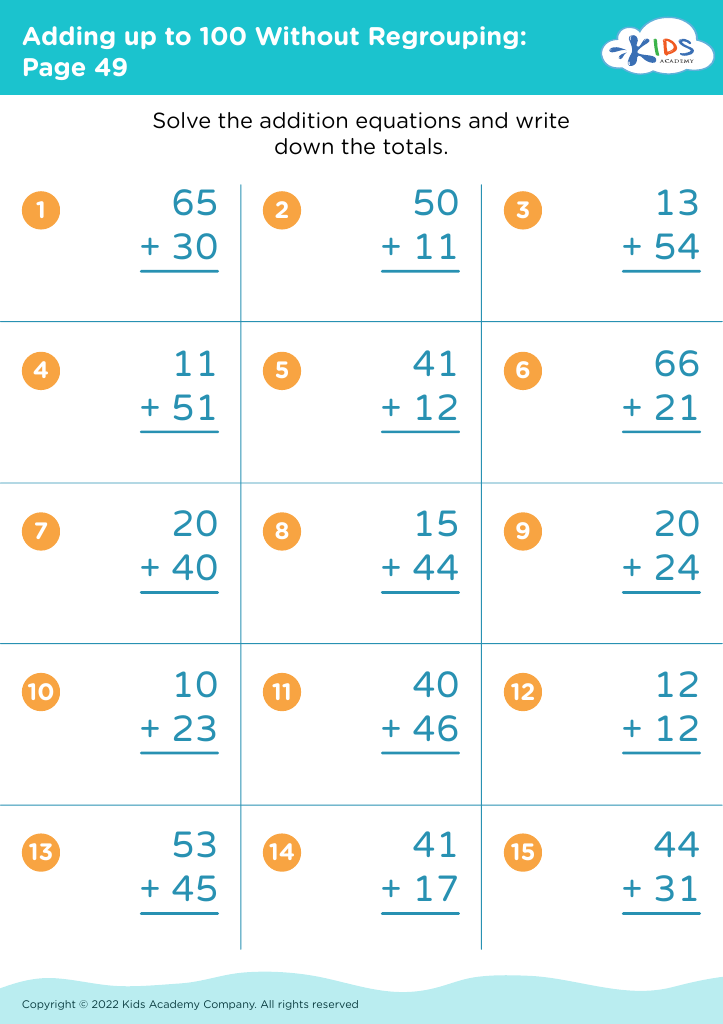
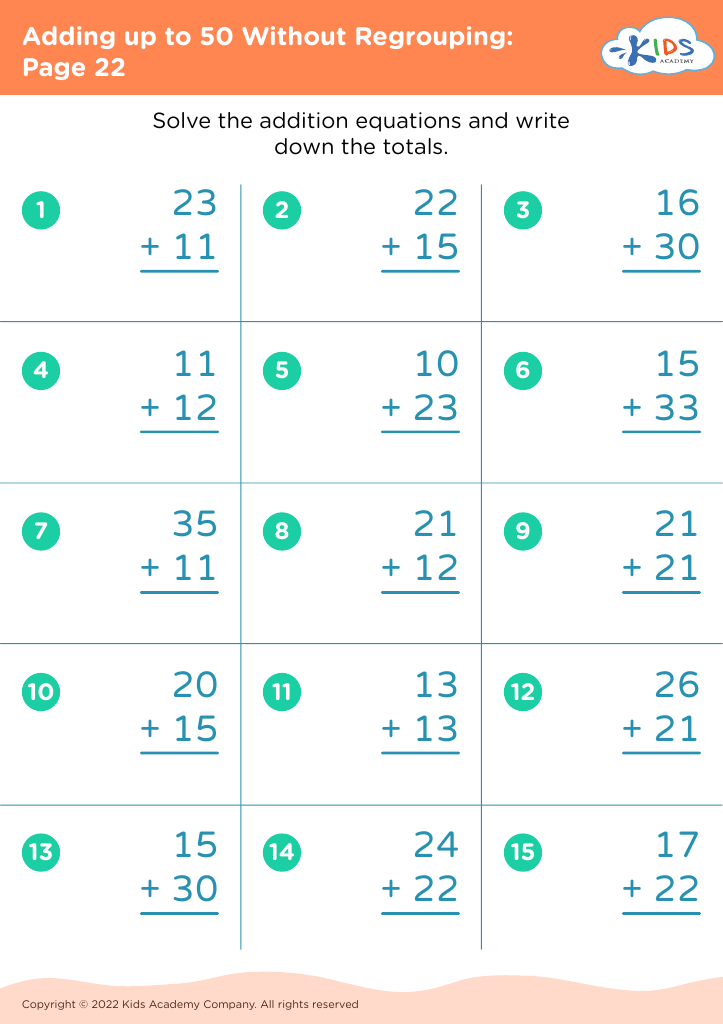
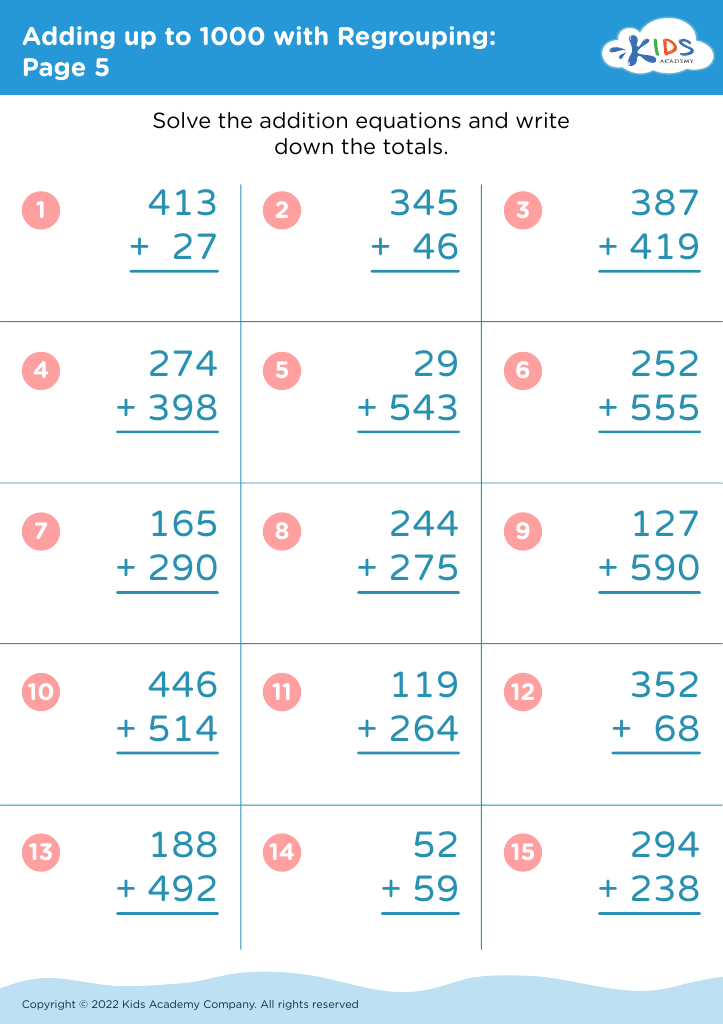
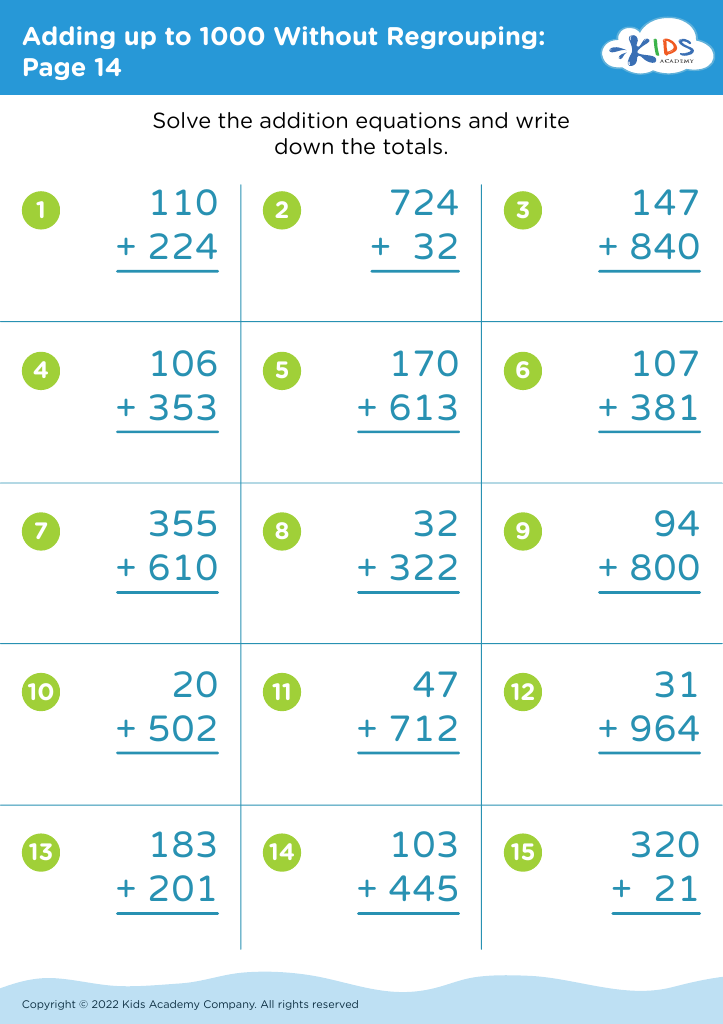
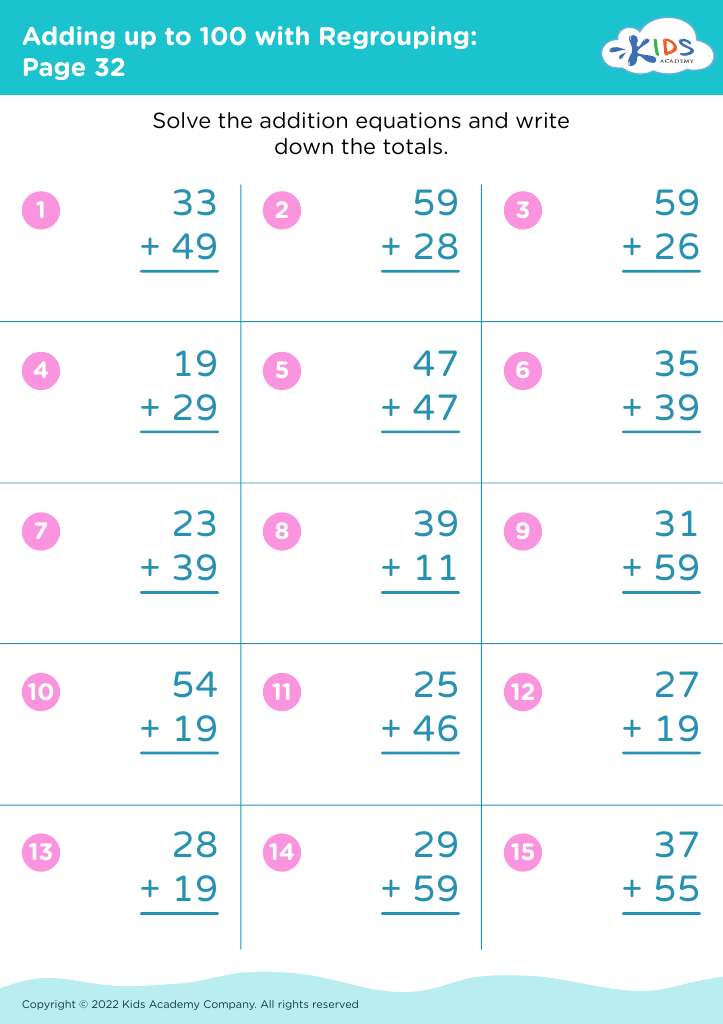
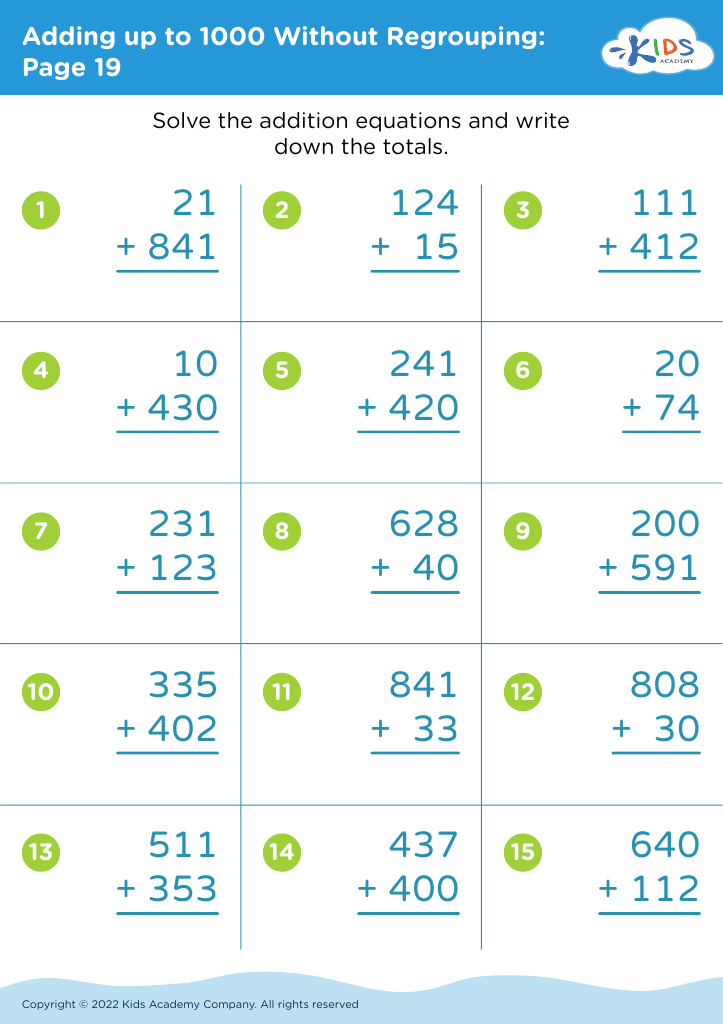
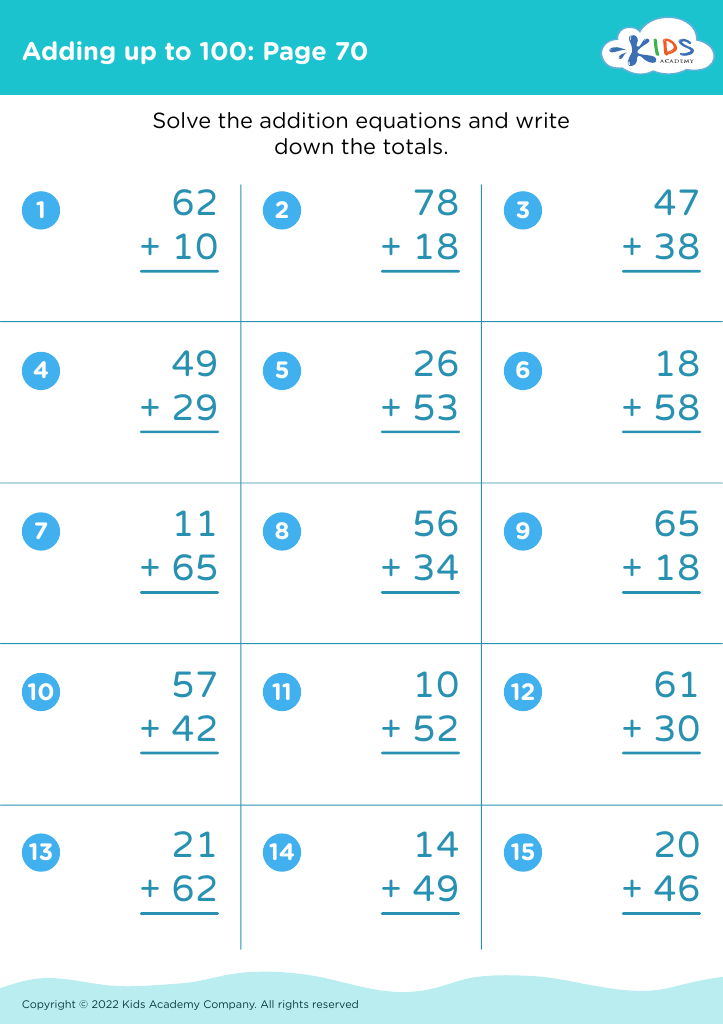
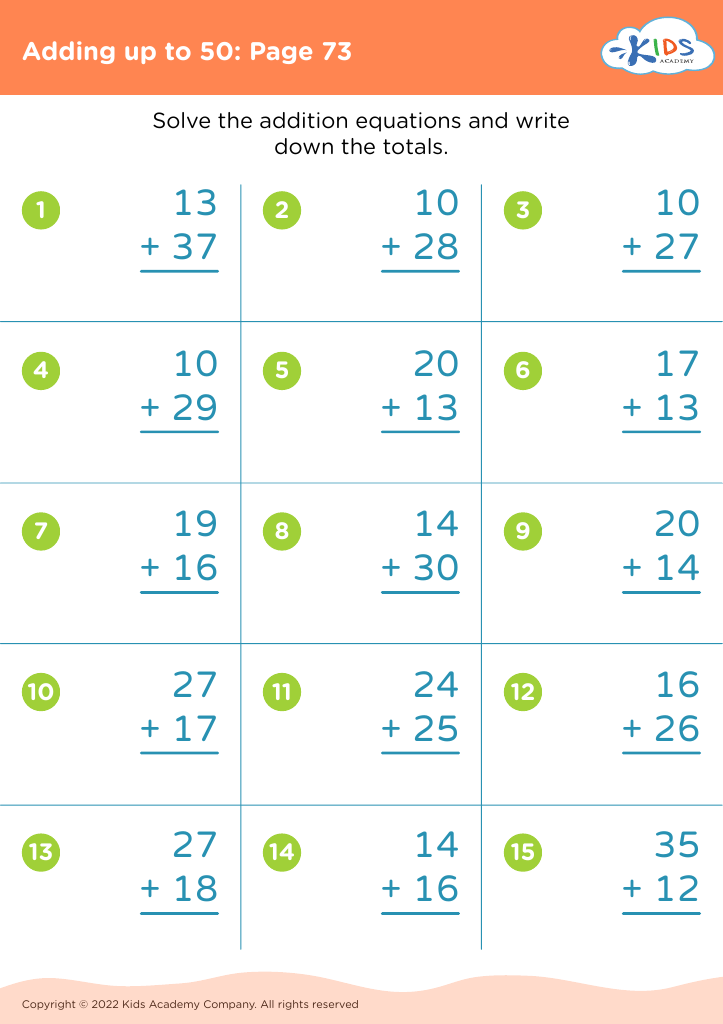
Introduce your child to the exciting world of addition with Color Recognition Addition Worksheets designed for ages 7-9! These engaging worksheets combine essential math practice with color-matching activities, making learning fun and interactive. Perfectly suited for young learners, our worksheets help reinforce addition skills while enhancing color recognition. Kids will enjoy solving addition problems as they associate numbers with vibrant colors, boosting memory retention and cognitive skills. Ideal for classroom or at-home practice, these worksheets support visual learning and keep children motivated. Download and print today to give your child a colorful edge in math!
Favorites
With answer key
Interactive
Join Kids Academy for Free
Who is primarily going to use this learning content?








Color recognition and addition for children ages 7-9 play crucial roles in their cognitive and academic development. During these formative years, their brains are highly receptive to visual and abstract learning. Integrating color recognition with math skills not only makes learning more engaging but also supports overall brain development.
Firstly, color recognition enhances memory and recall. Associating colors with numbers or mathematical operations, such as addition, creates mental markers that help children remember facts better. For example, connecting the color yellow with the number 5 and the color blue with the number 3 makes the math problem 5+3 more vivid and easier to solve.
Secondly, using colors in addition exercises adds an element of fun and creativity, stimulating children’s interest in math. Educational activities that capture their attention foster a love for learning and help combat math anxiety. When children feel positive about math, they are more likely to succeed academically.
Moreover, engaging with colors hones children’s visual-spatial skills. Identifying and differentiating colors improves their attention to detail and accuracy in both math and everyday tasks.
In conclusion, paying attention to color recognition in addition lessons offers invaluable benefits for children’s intellectual and emotional development. By seamlessly integrating visual learning with mathematical concepts, parents and teachers can support and enhance the educational experiences of children in this critical age group.








