Logical thinking development Addition Worksheets for Ages 7-9
8 filtered results
-
From - To
Discover our engaging "Logical Thinking Development Addition Worksheets" designed specifically for children ages 7-9! These innovative worksheets not only enhance addition skills but also promote critical and logical thinking capabilities essential for academic success. Each exercise cleverly integrates puzzles, problem-solving tasks, and interactive activities, making math enjoyable and stimulating. Tailored to reinforce key concepts such as number patterns and sequence recognition, these worksheets empower young learners to become confident mathematicians. Perfect for homeschooling, classroom use, or additional practice at home, our worksheets offer a fun way to develop foundational skills that are vital for future learning experiences. Try them today!
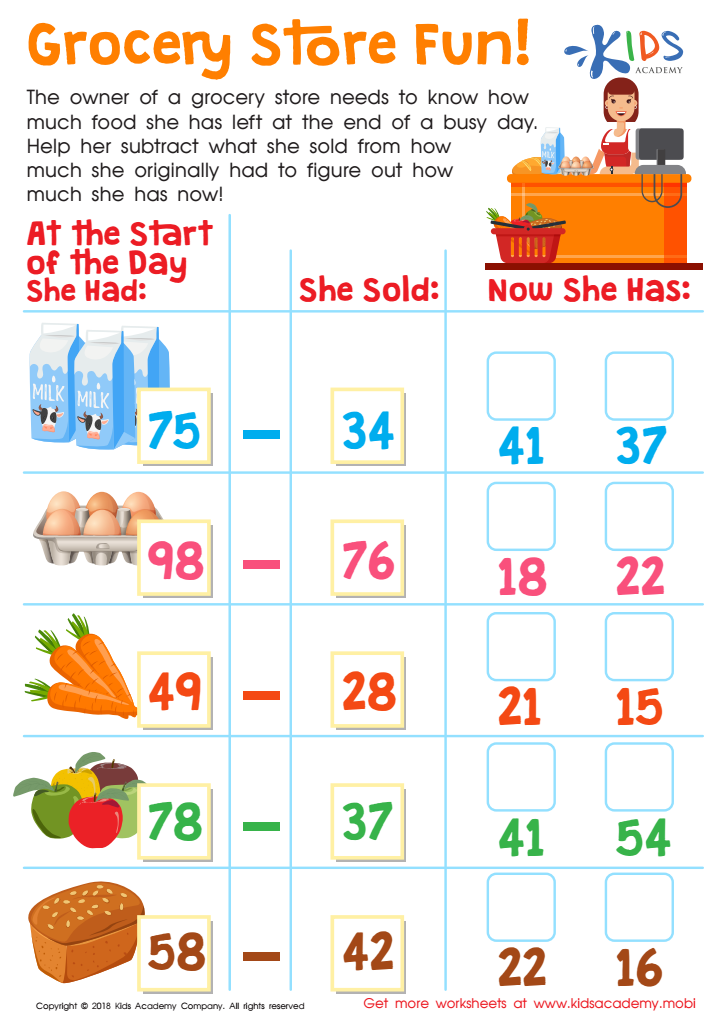
Grocery Store Fun! Worksheet
 Assign to My Students
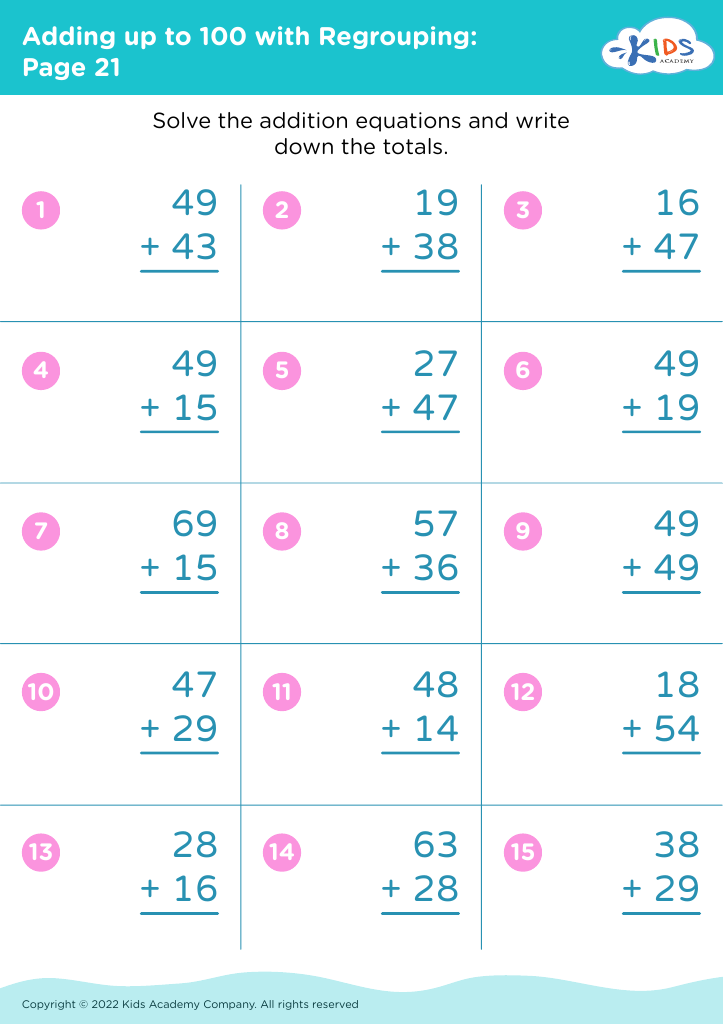
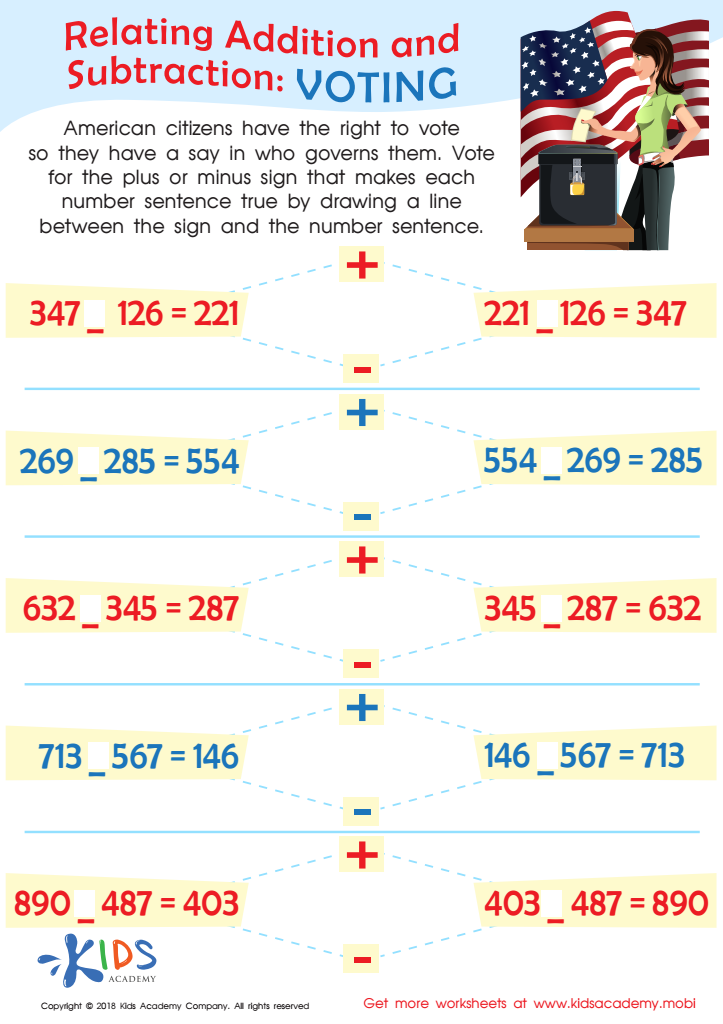
Voting Worksheet
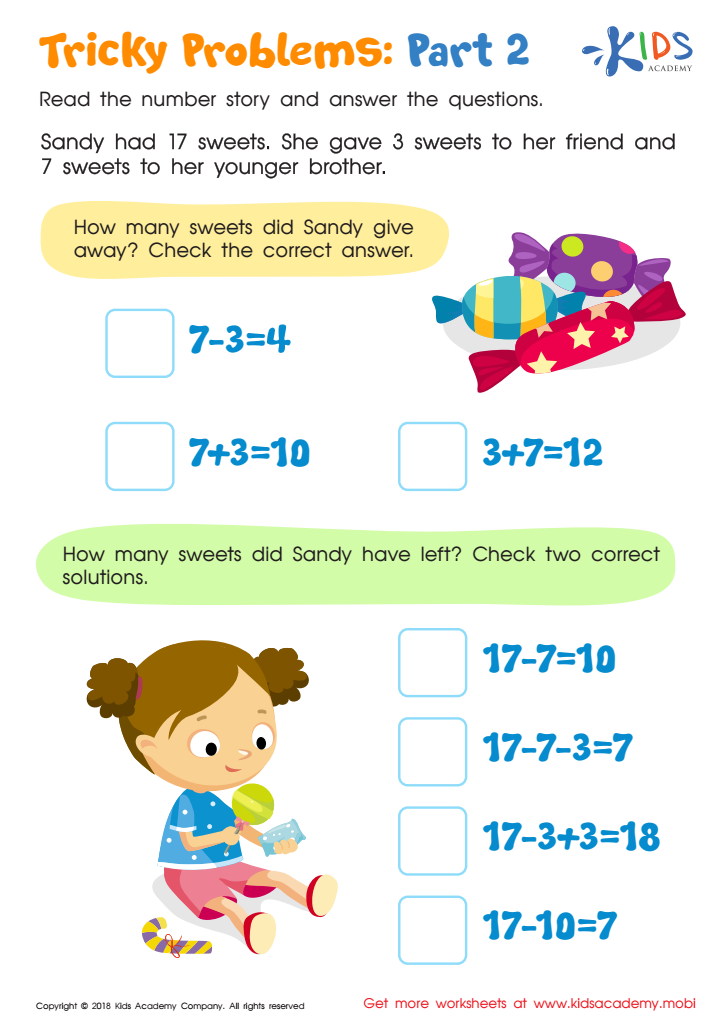
Tricky Problems Worksheet: Part 2
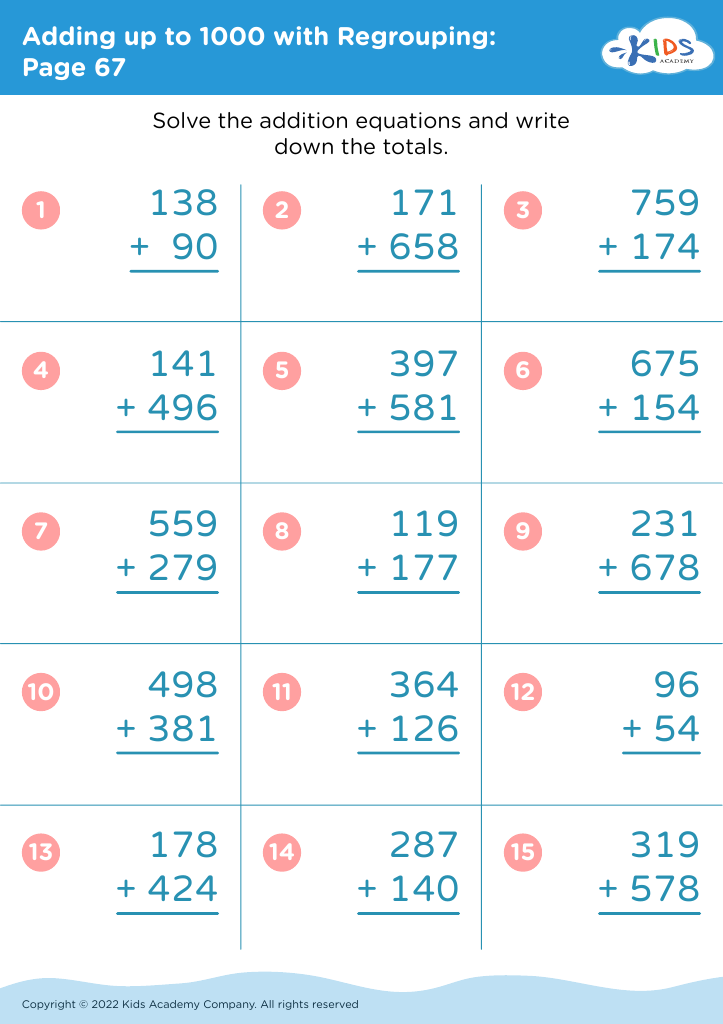
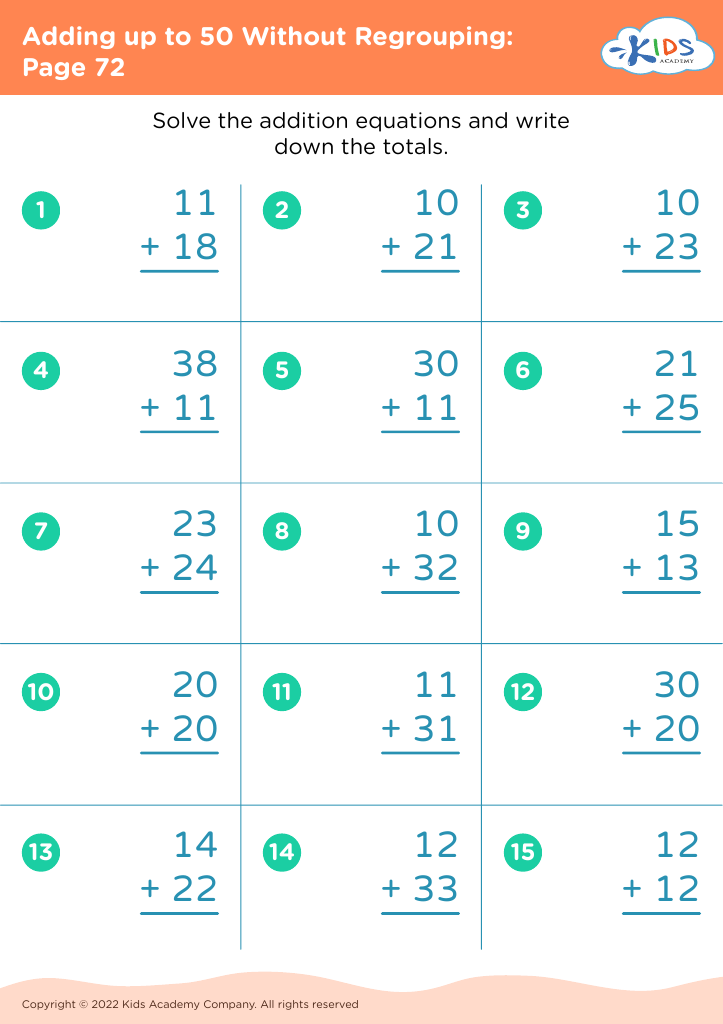
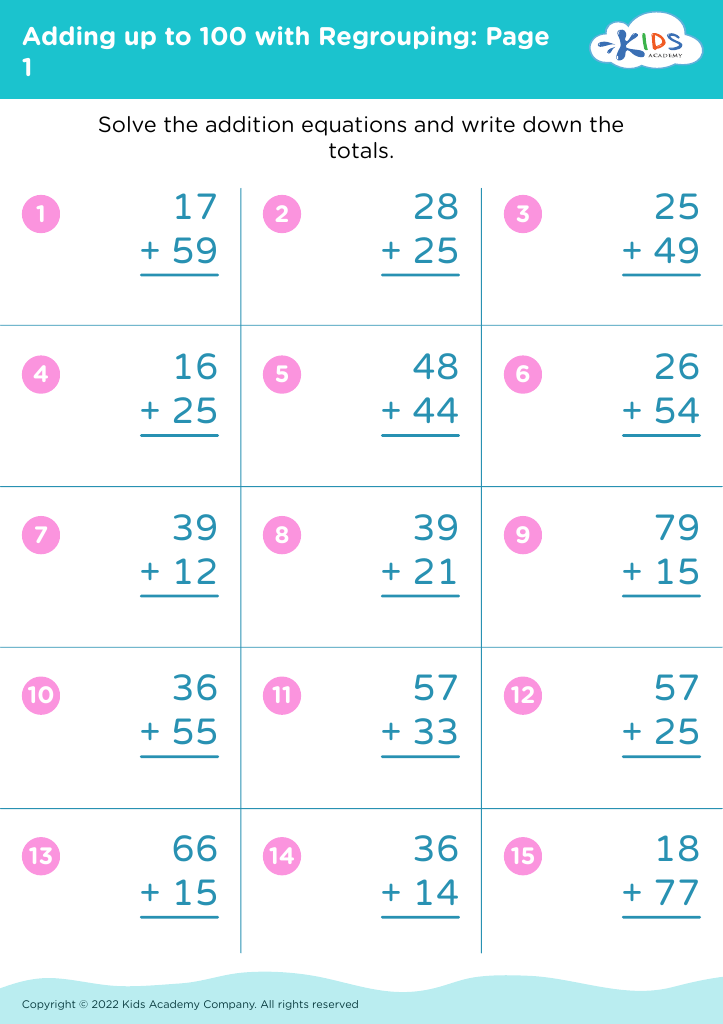
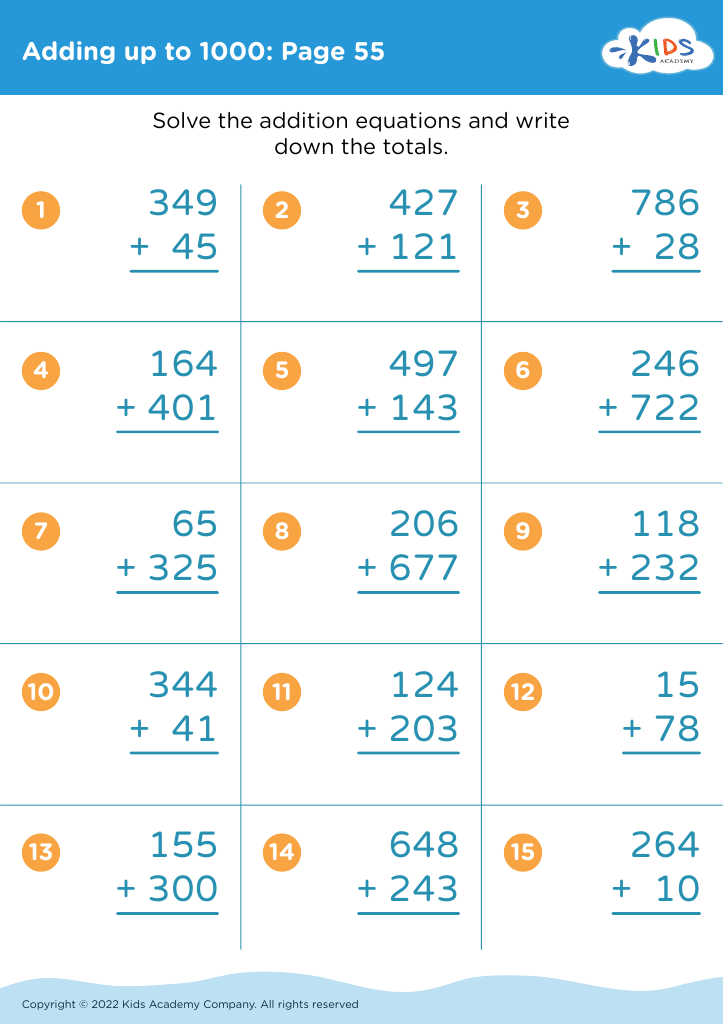








Logical thinking development in addition for children aged 7-9 is crucial as it lays the foundation for more complex mathematical concepts and problem-solving skills. During these formative years, children are transitioning from basic arithmetic to using addition in various contexts, requiring them to think critically and reason through problems.
Parents and teachers should care because strong logical thinking fosters independence and confidence in young learners. By encouraging children to understand the "why" behind addition rather than just memorizing facts, we cultivate their ability to approach problems systematically, making connections between different mathematical concepts.
Moreover, logical thinking enhances cognitive skills such as pattern recognition, sequencing, and making inferences, which are essential for academic success across all subjects. Skills developed during this age can contribute to better performance in standardized tests and strengthen overall intellectual growth.
Incorporating logical thinking through engaging activities and games makes learning enjoyable and impactful. By focusing on reasoning in addition, adults can help cultivate a generation of critical thinkers who can tackle challenges mathematically and methodically throughout their educational journey and beyond, preparing them for a rapidly changing world.








