Shape identification Addition Worksheets for Ages 7-9
13 filtered results
-
From - To
Explore our engaging Shape Identification Addition Worksheets designed for children aged 7-9! These interactive printables combine foundational addition skills with exciting shape recognition activities. Perfect for reinforcing math concepts, our worksheets feature a variety of colorful shapes and fun challenges that will keep your young learners motivated. Each exercise encourages critical thinking and problem-solving as students practice adding shapes while enhancing their geometry knowledge. Ideal for classroom use or at-home practice, our worksheets provide parents and teachers with valuable resources to support children's educational journey. Watch your child build confidence in math while enjoying the process of learning about shapes!
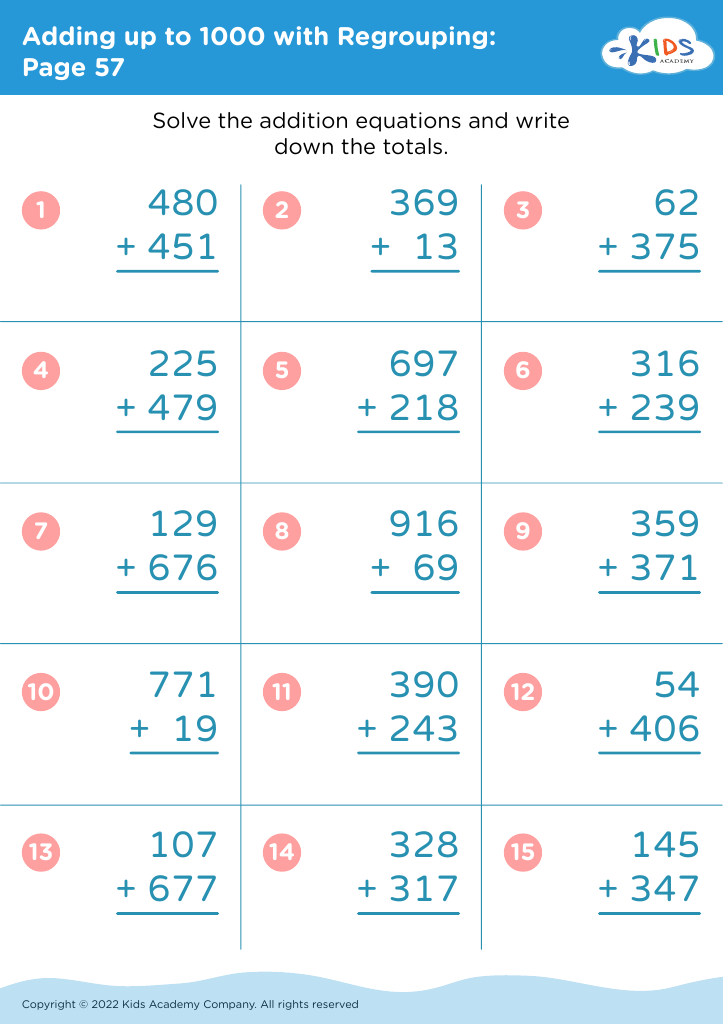
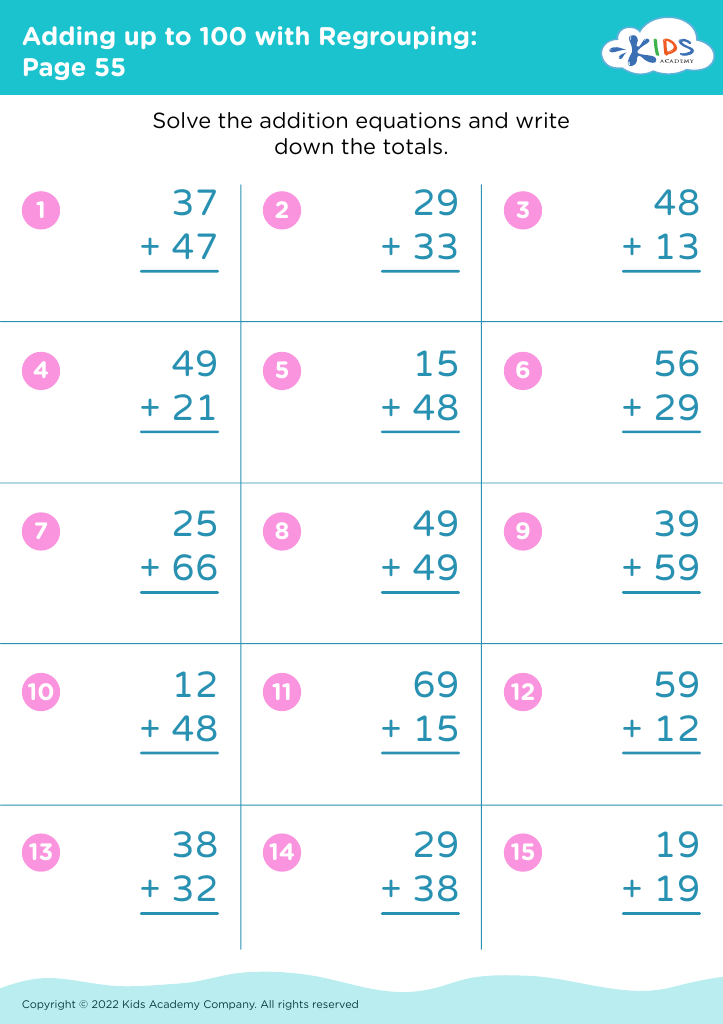
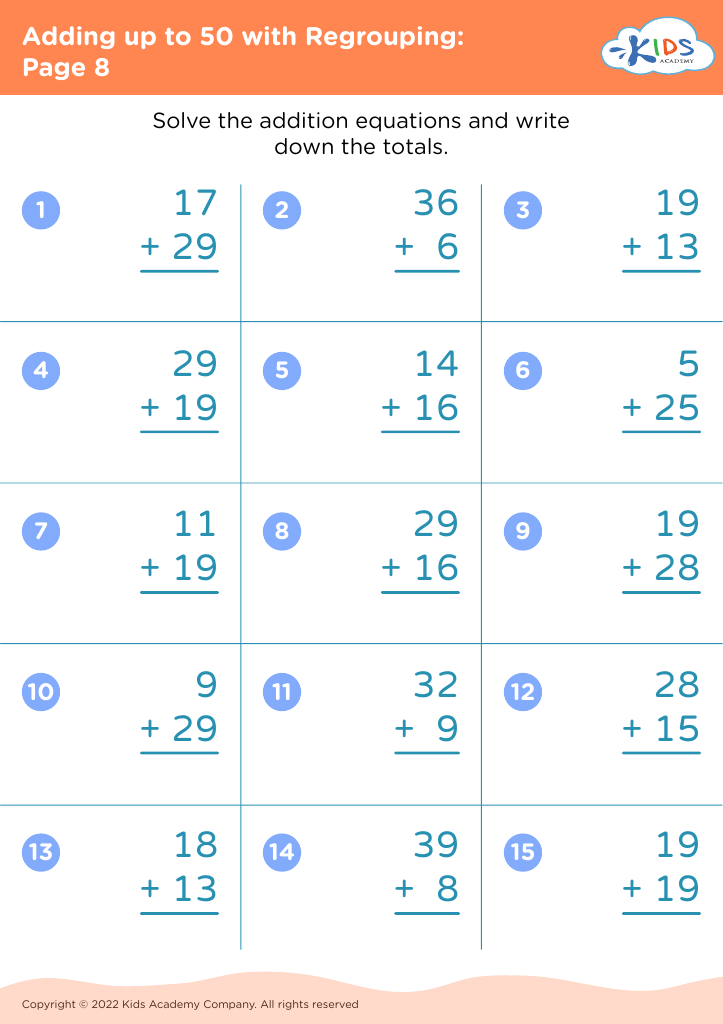
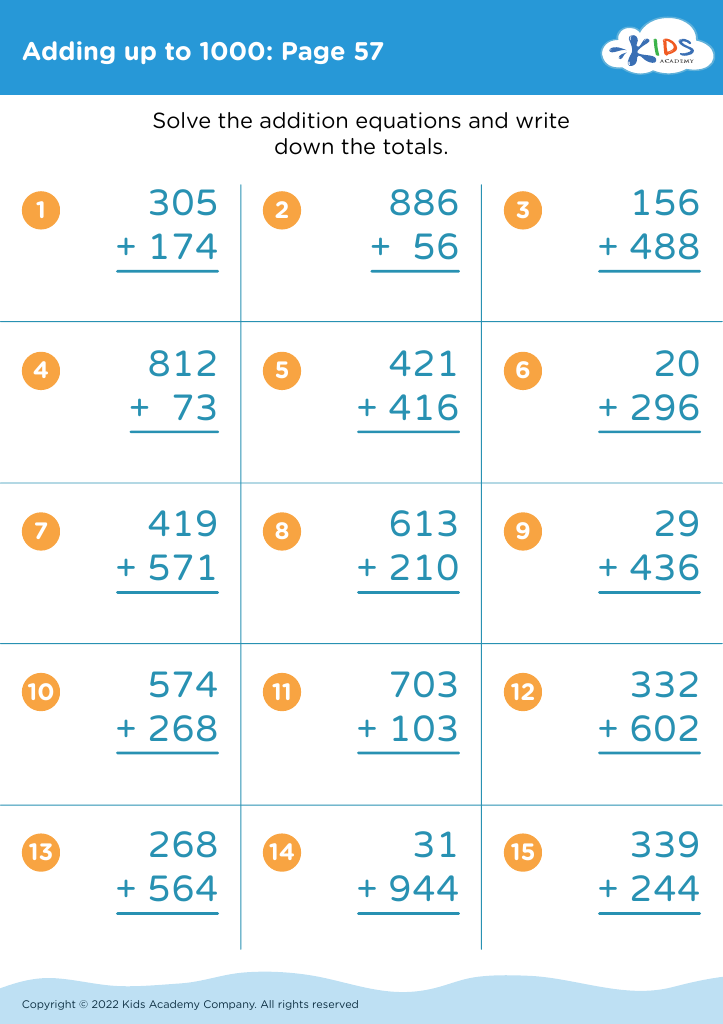
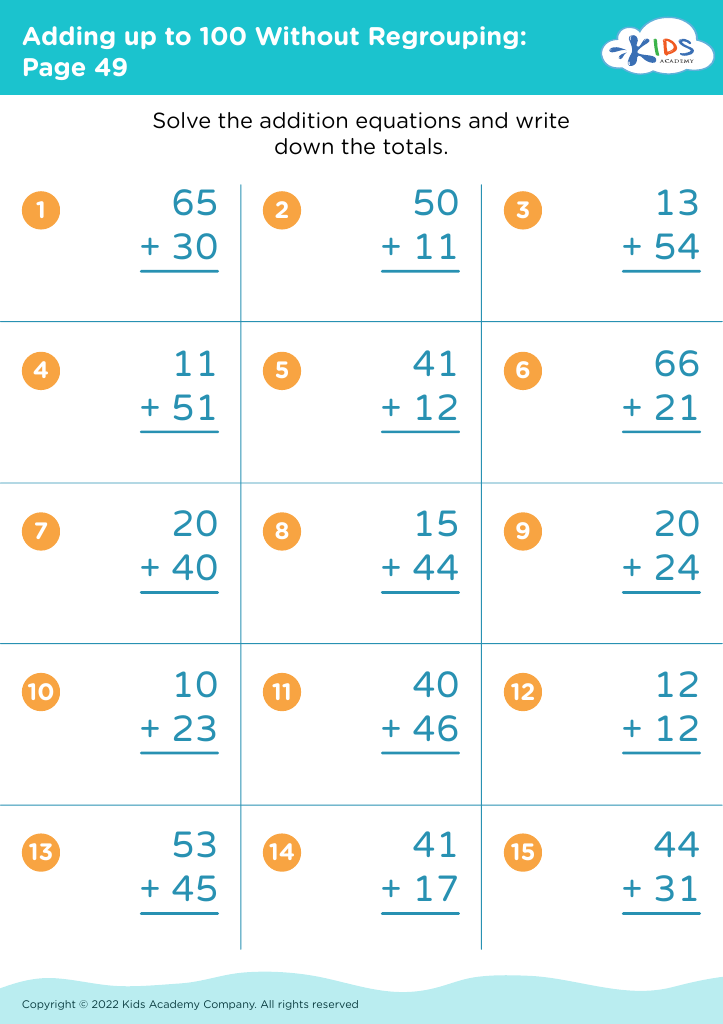
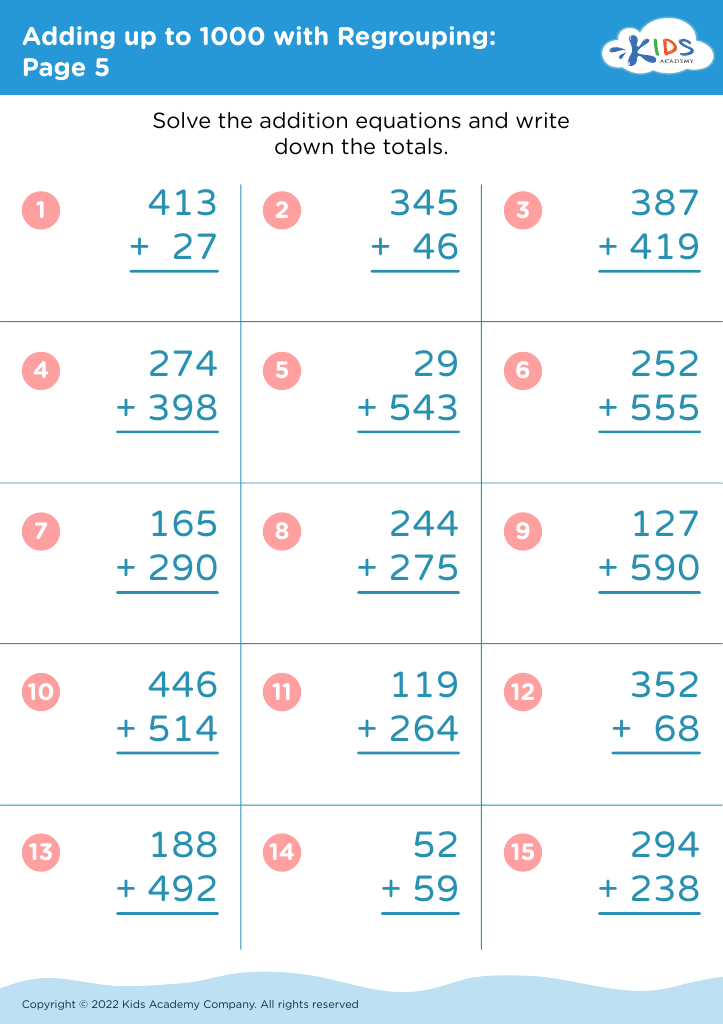
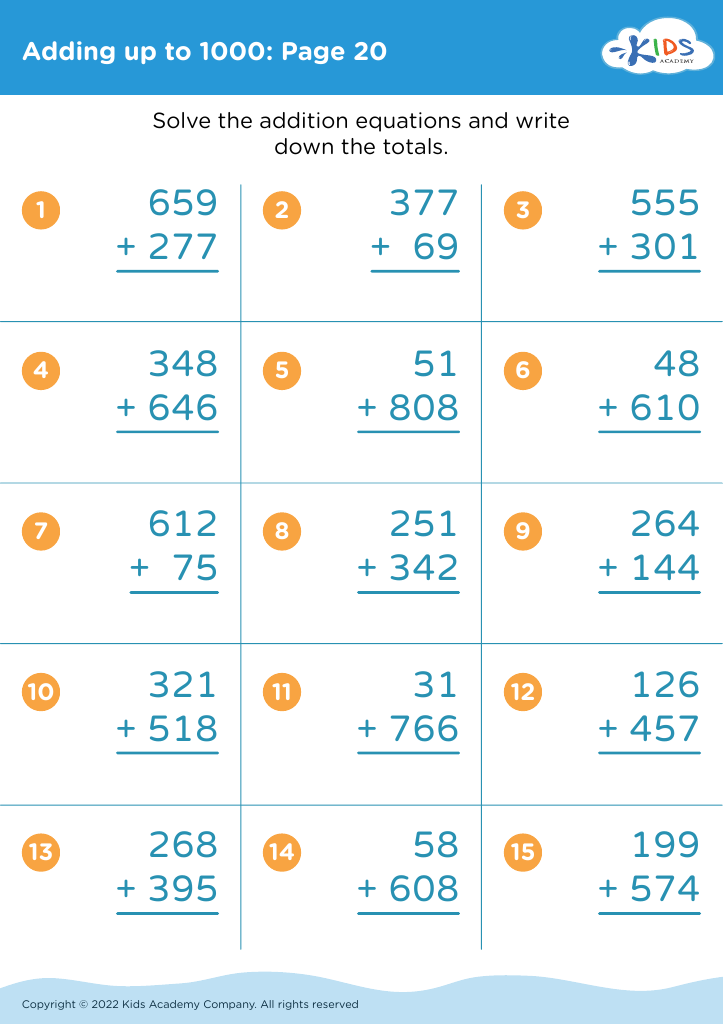
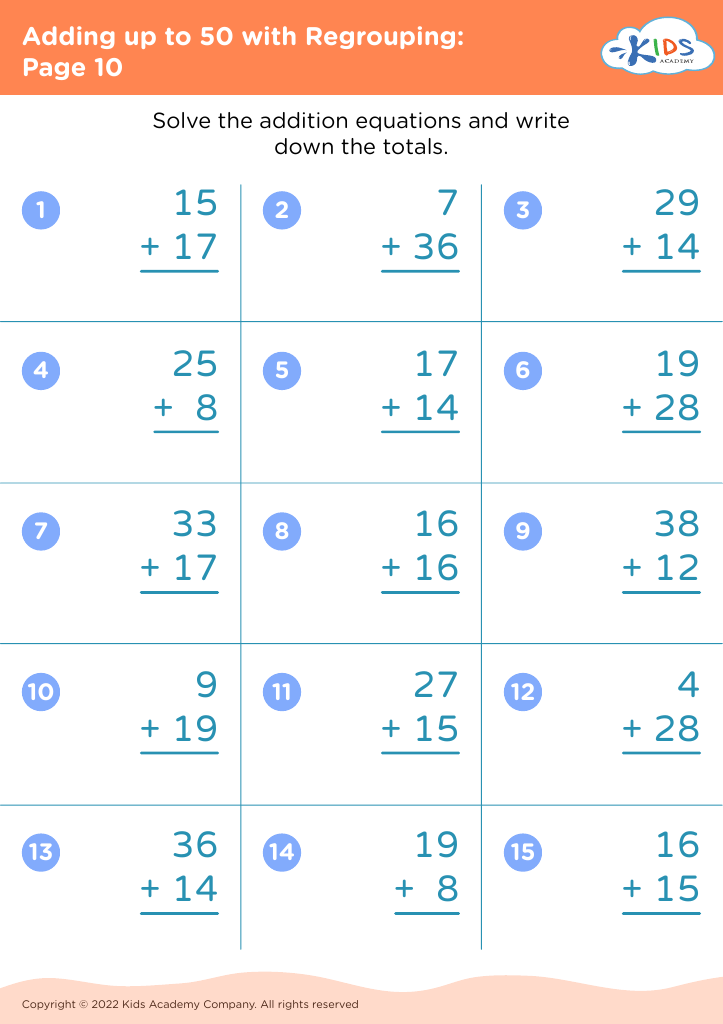
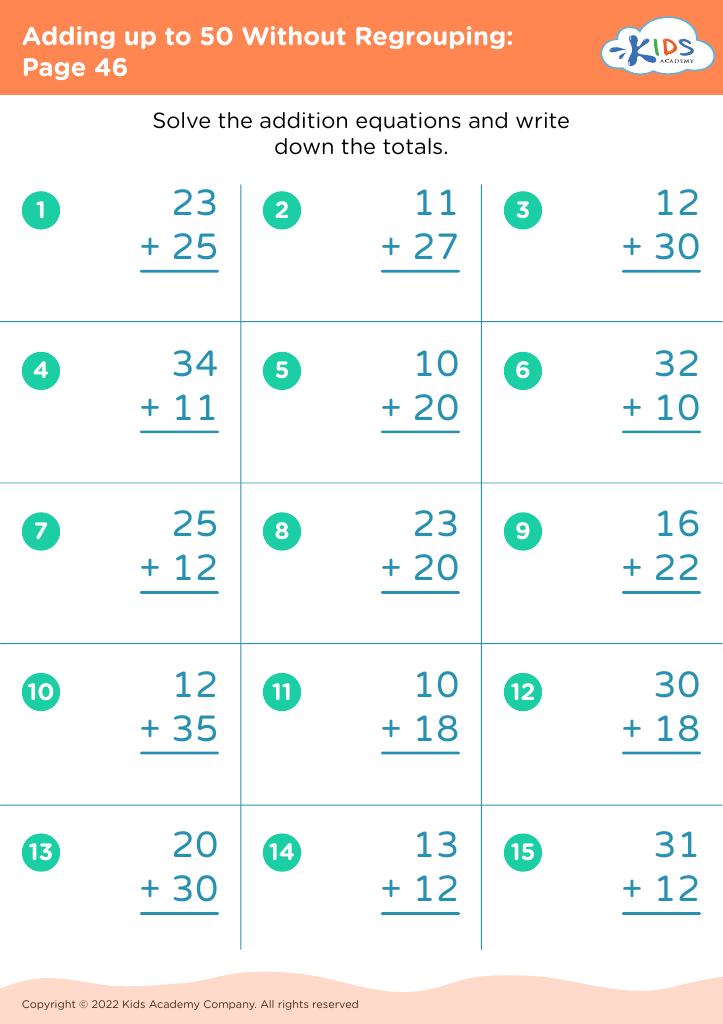
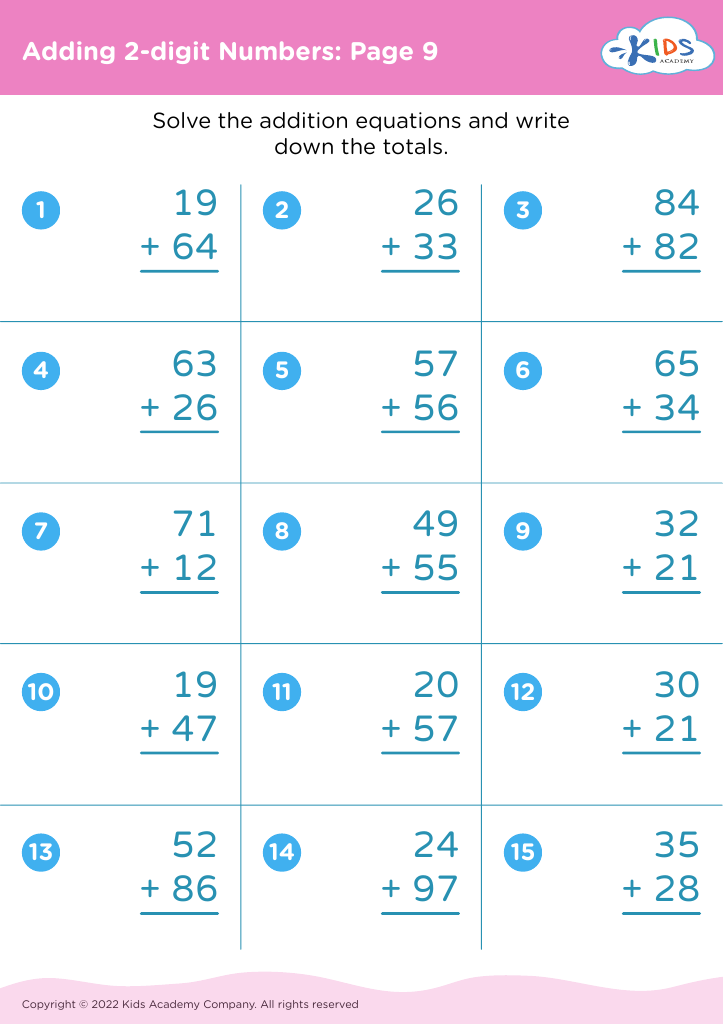
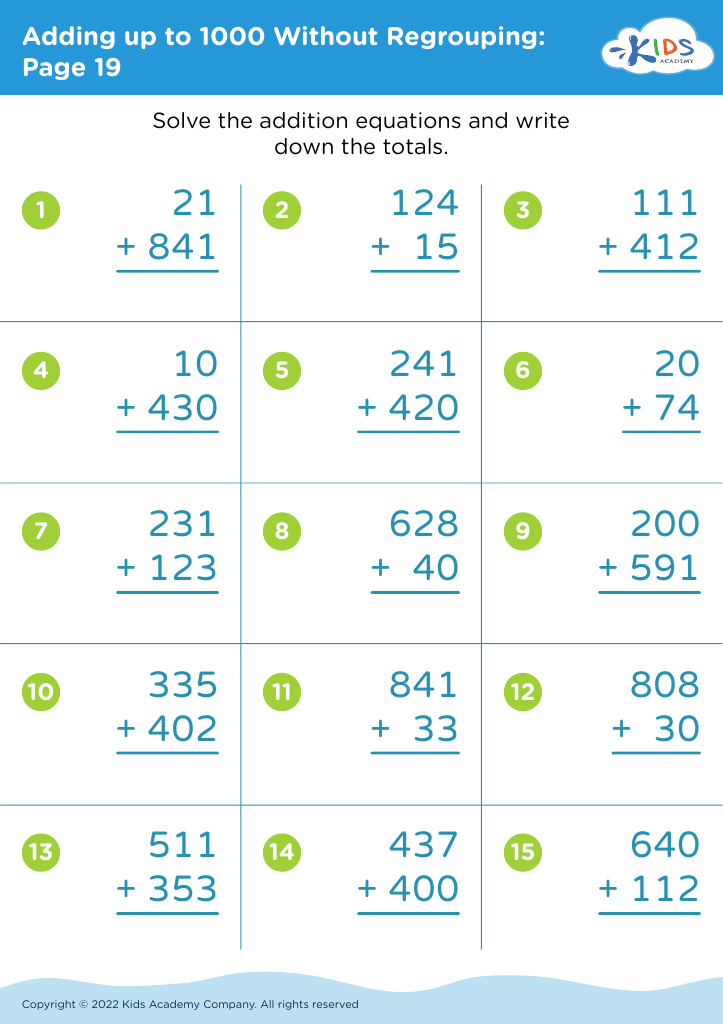
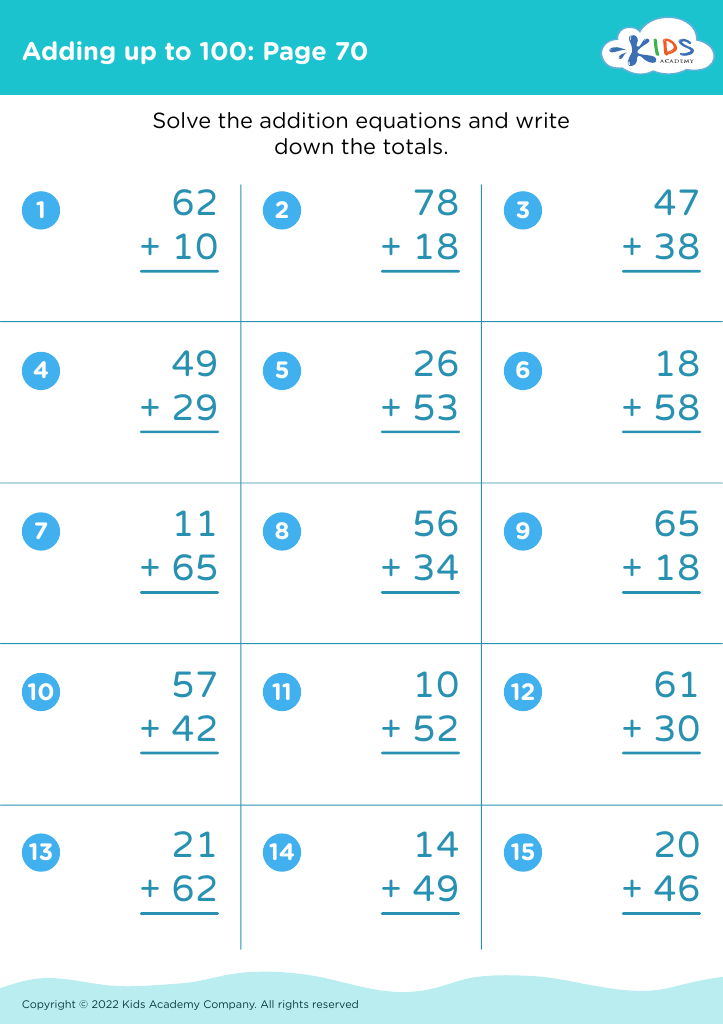
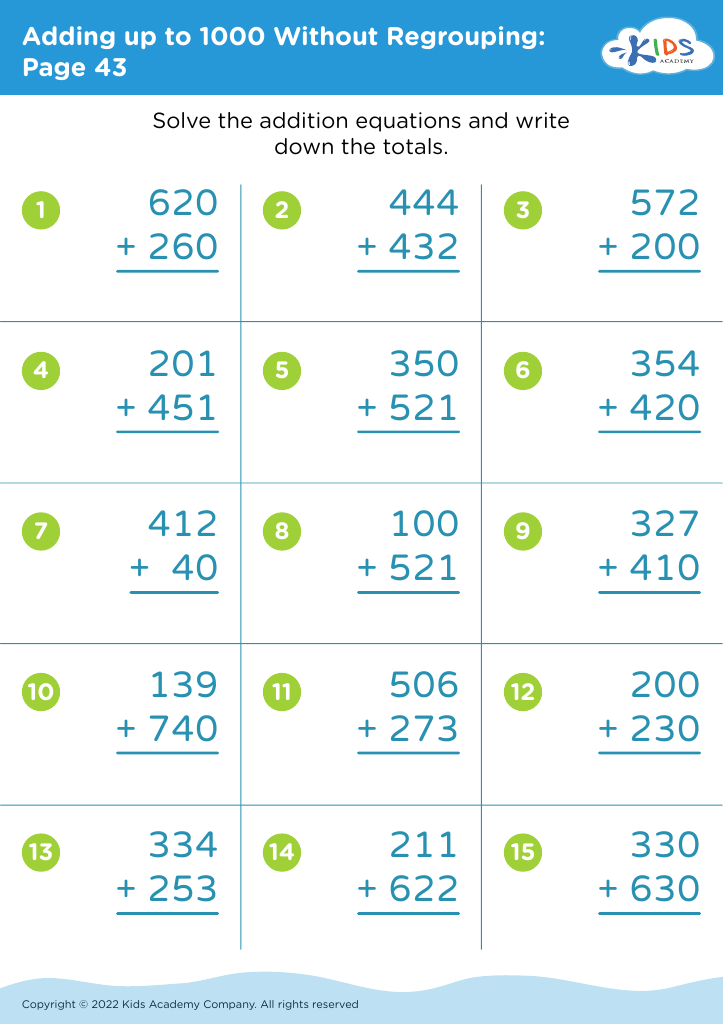








Shape identification and addition are crucial skills for children aged 7-9, forming a foundation for their overall mathematical understanding. At this developmental stage, children's cognitive abilities are expanding rapidly, and they begin to grasp more abstract concepts. Recognizing and classifying shapes help them explore geometry, spatial reasoning, and patterns, essential components of their mathematical education.
Moreover, combining shape identification with addition introduces a meaningful context for learning math. When children engage in activities that involve adding the values associated with different shapes, they enhance their critical thinking and problem-solving skills. This integration can also promote a better understanding of mathematical concepts such as area, perimeter, and volume, which are essential for future learning.
Encouraging children to identify shapes and perform addition exercises can foster a positive attitude towards math. It makes learning interactive and enjoyable, which is essential for maintaining engagement. As parents and teachers support these skills, they are setting children up for success, not only in math but also in real-world applications such as reading graphs, building, and other STEM-related pursuits. Both shape identification and addition are interconnected skills that play a vital role in preparing children for more complex math challenges in the years ahead.








