Shape Recognition Addition Worksheets for Ages 7-9 - Page 2
32 filtered results
-
From - To
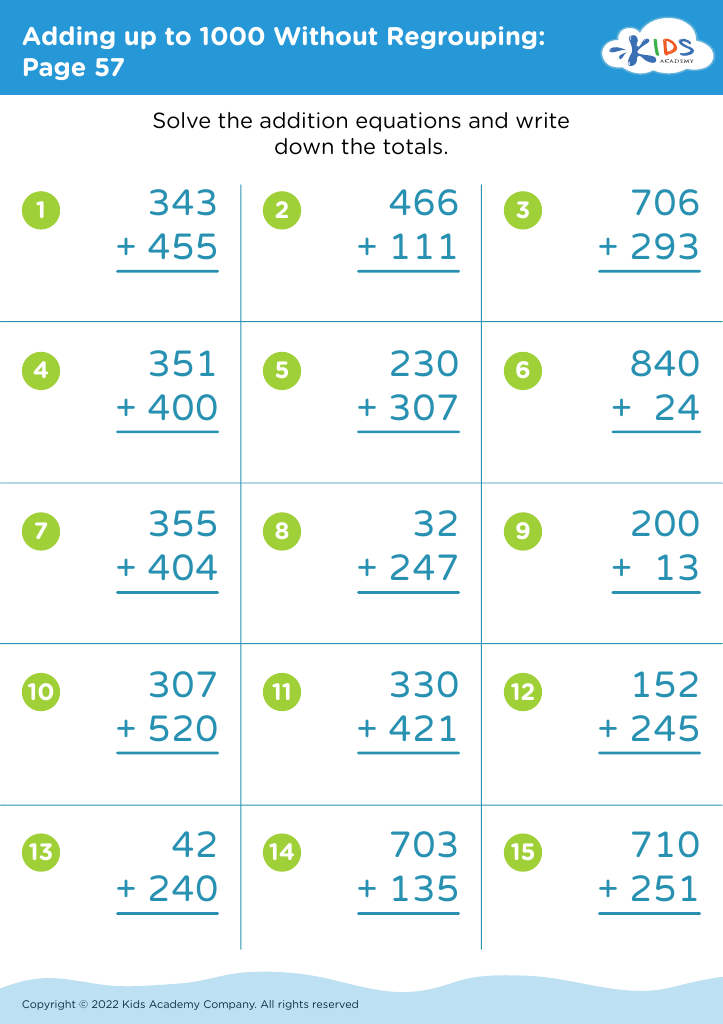
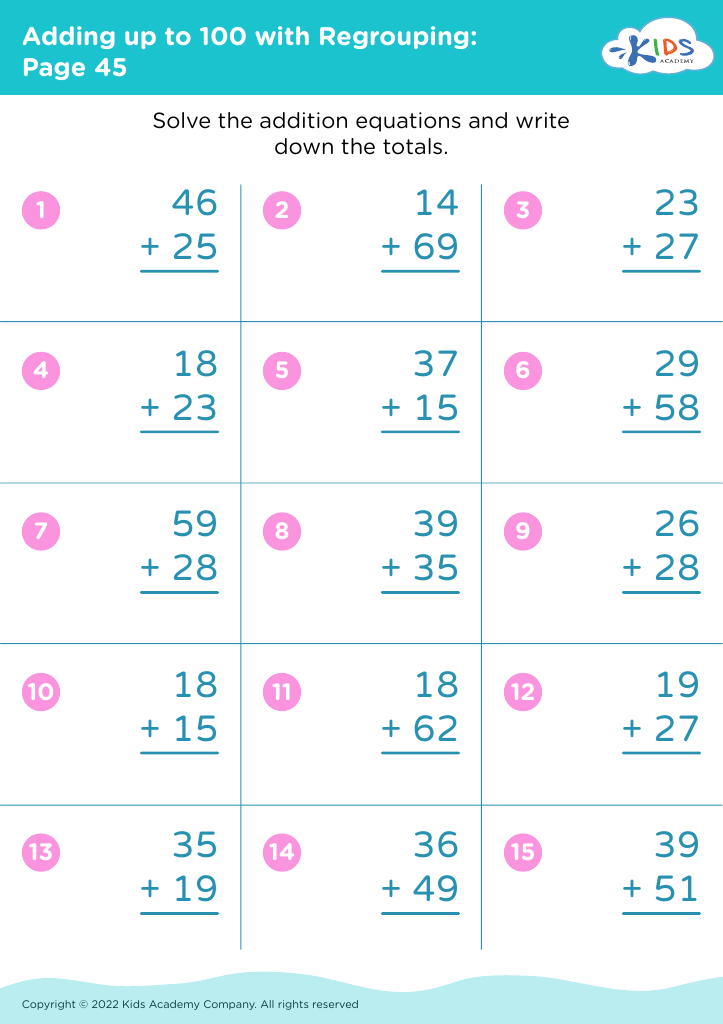
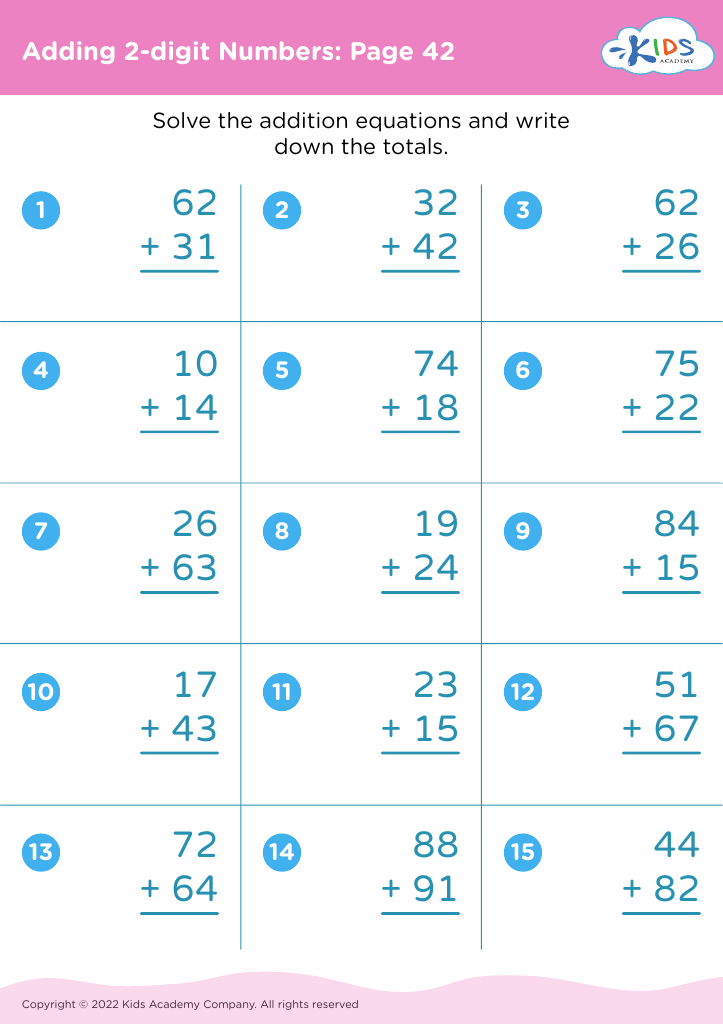
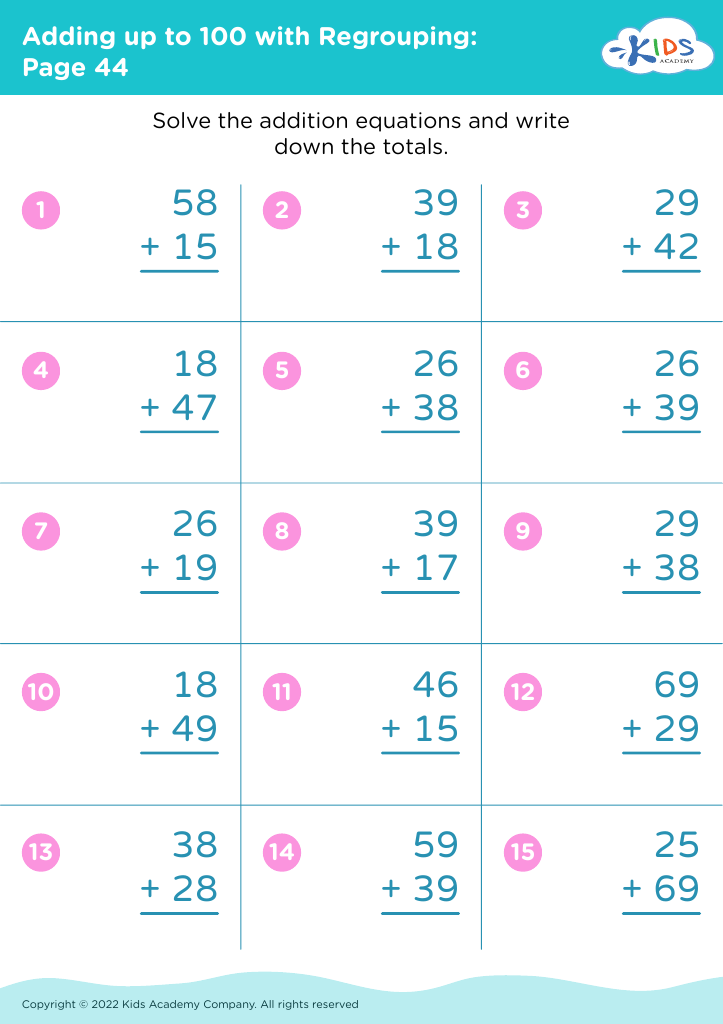








Shape recognition addition is an essential skill for children ages 7-9 as it provides foundational cognitive development that aids in understanding more complex mathematical and spatial concepts. At this age, children's minds are highly perceptive to visual contexts, making shape recognition an effective way to introduce addition. Merging the concept of shapes with addition helps make math fun and tactile, ensuring better engagement and retention.
By combining these two components, children develop stronger problem-solving skills and enhanced memory. For example, recognizing various shapes and their properties helps improve visual-spatial skills, which are critical for geometry and other advanced math topics they'll encounter later. Additionally, engaging with shapes necessitates noticing patterns and symmetries, further cultivating logical thinking.
Parents and teachers should care because fostering such skills early on sets a strong foundation for future academic success. Activities that blend shape recognition with addition also promote fine motor skills, which are vital for writing and other daily tasks. Overall, these interdisciplinary lessons make learning more dynamic and support whole-brain development. Paying attention to this area means creating a robust mathematical framework, encouraging creativity, and supporting holistic intellectual growth.








