Telling time Addition Worksheets for Ages 7-9
3 filtered results
-
From - To
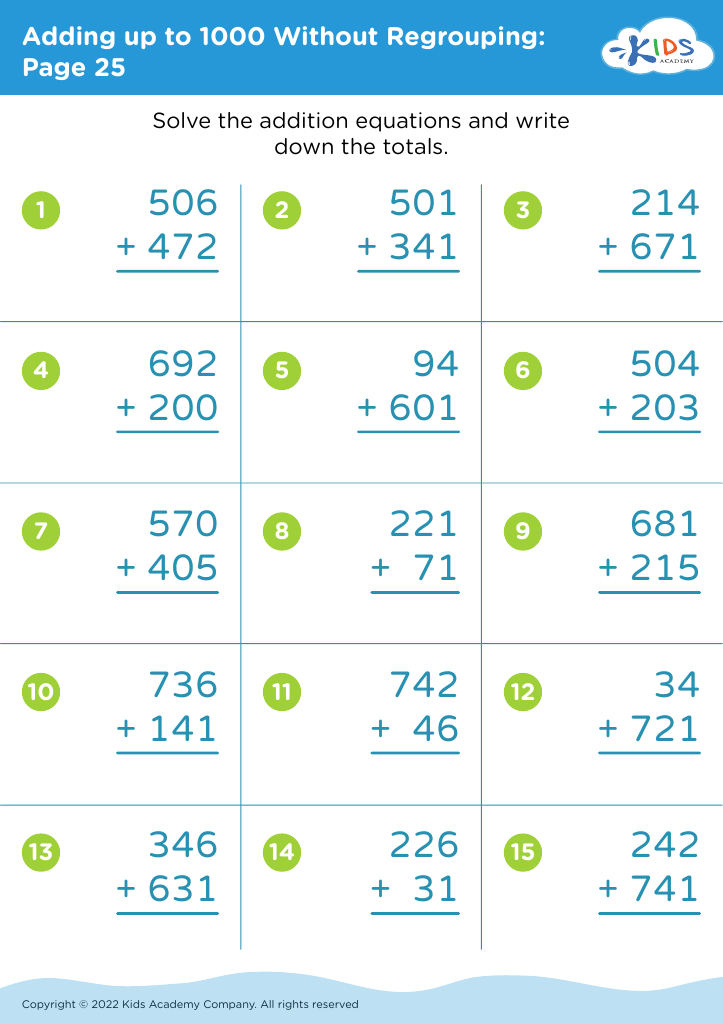
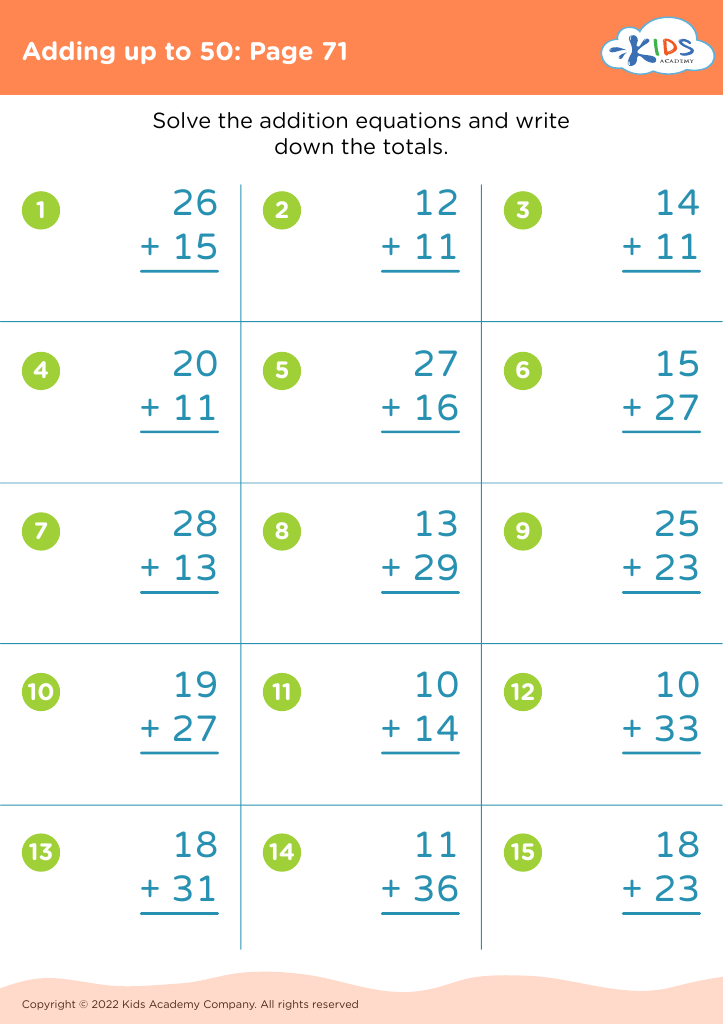
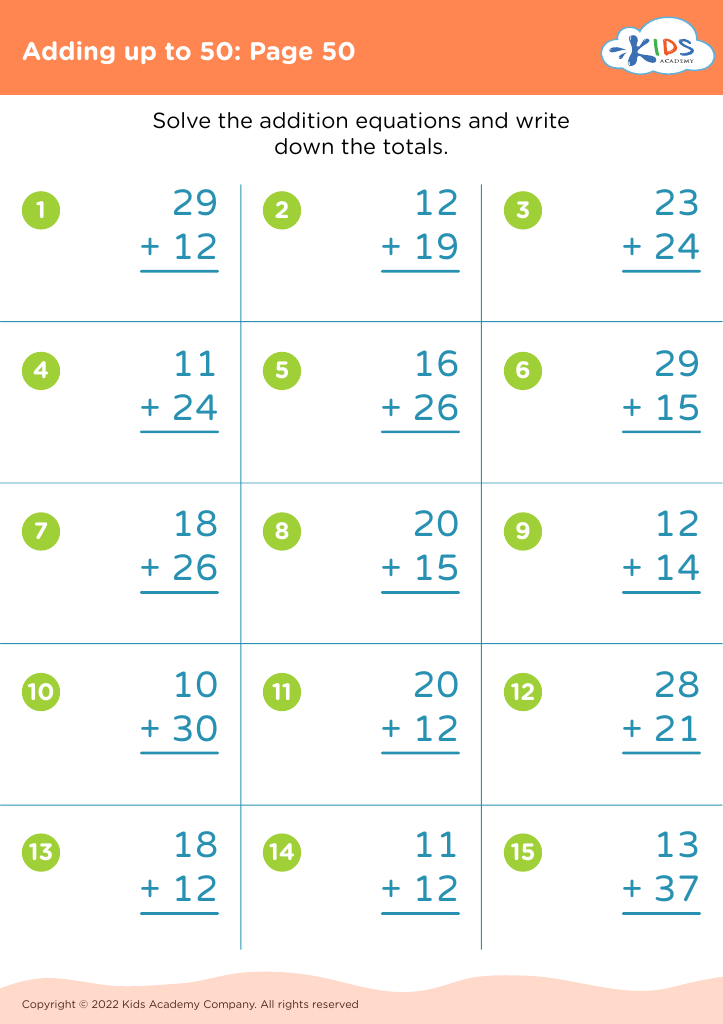
Discover engaging Telling Time Addition Worksheets for kids aged 7-9, designed to inspire young learners while mastering essential math skills. Our thoughtfully crafted activities combine telling time concepts with addition practice, making learning fun and interactive. Perfect for classroom use or at-home practice, these worksheets challenge students to enhance their critical thinking and problem-solving abilities as they add time-related numbers. With a variety of formats, including clocks and word problems, children will gain confidence in calculating time intervals and foster a deeper understanding of both addition and time-telling. Perfect for educators and parents looking to enrich their child’s learning journey!








Telling time is a fundamental skill that children aged 7-9 must master, as it plays a significant role in their daily lives and promotes essential cognitive development. First and foremost, understanding time helps children develop a sense of routine, enabling them to structure their day effectively, manage their schedules, and cultivate independence. For instance, when they learn to tell time, they can better navigate transitions between school activities, chores, and leisure, fostering responsibility.
Moreover, the concept of time is closely linked to mathematics, particularly in learning addition. When children engage in telling time and addition, they practice critical thinking and enhance their problem-solving skills. For example, calculating how much time has passed between activities helps them develop a stronger grasp of both time sequences and addition concepts like incrementing minutes or hours.
Additionally, as students progress academically, mastery of these skills becomes increasingly important. Many subjects, including science and history, involve timelines, which require an understanding of time in context. By nurturing these foundational skills, parents and teachers equip children with the tools they need to succeed both academically and socially, ensuring they grow into confident and self-sufficient individuals in a fast-paced world.








