Understanding money Addition Worksheets for Ages 7-9
3 filtered results
-
From - To
Unlock the world of money concepts with our engaging "Understanding Money Addition Worksheets" designed for children aged 7-9. These thoughtfully crafted worksheets help young learners master addition through practical money-themed exercises. By integrating relatable scenarios, kids will not only improve their math skills but also gain a foundational understanding of managing money. From basic addition of coins to solving real-life word problems, our worksheets provide an interactive learning experience that fosters confidence and financial literacy. Perfect for classrooms or home learning, these resources make math fun and relevant, preparing children for essential lifelong skills. Start their money journey today!
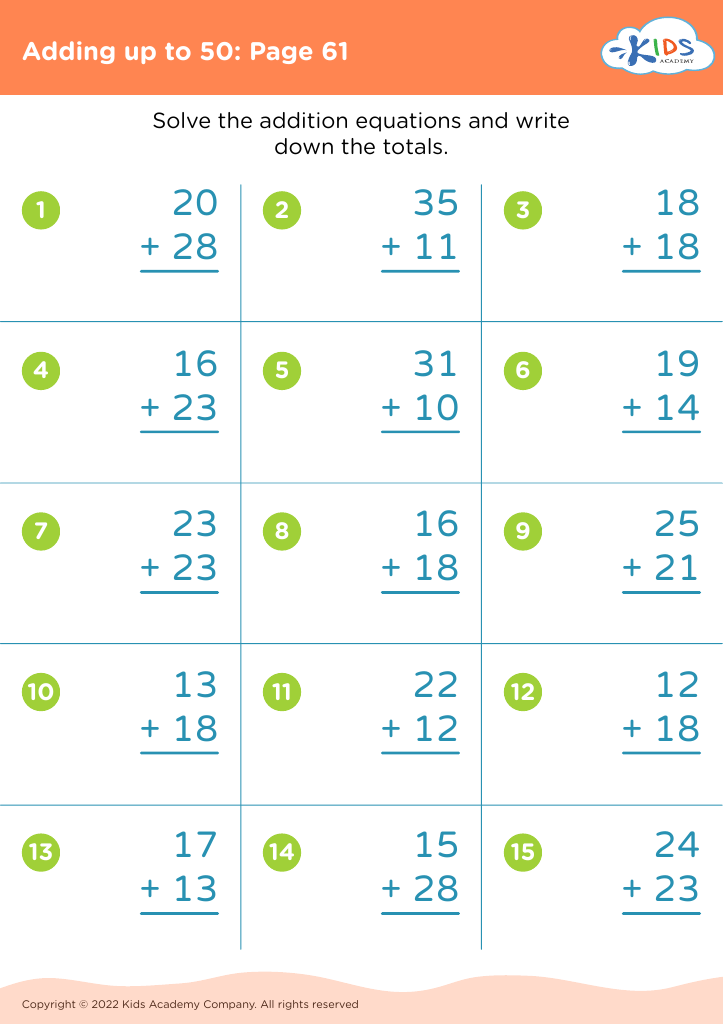
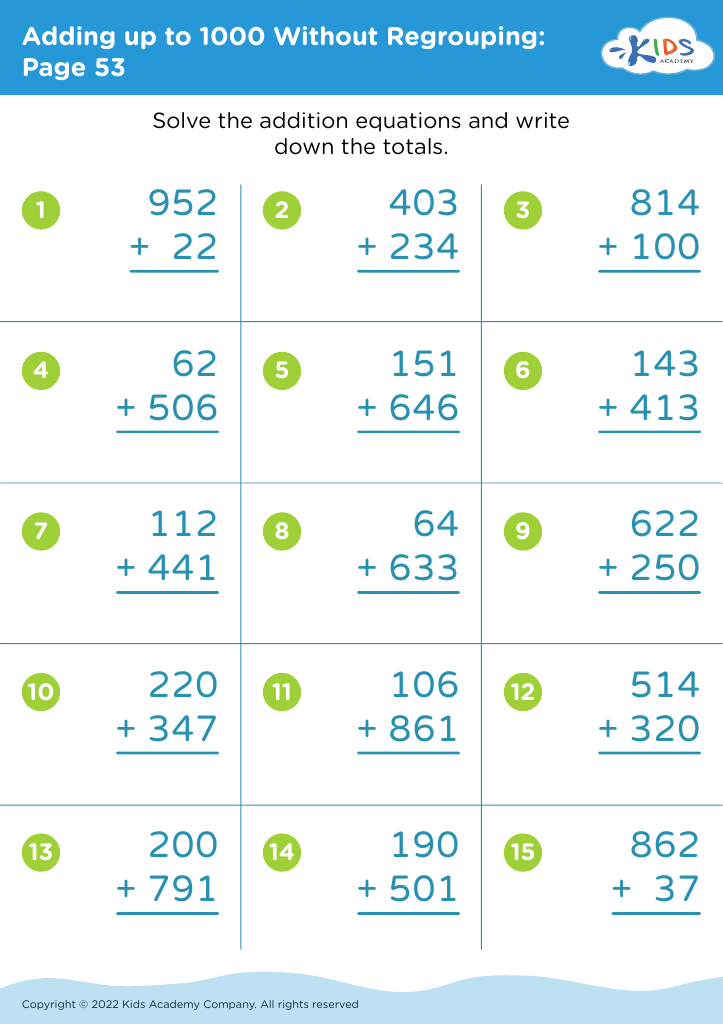
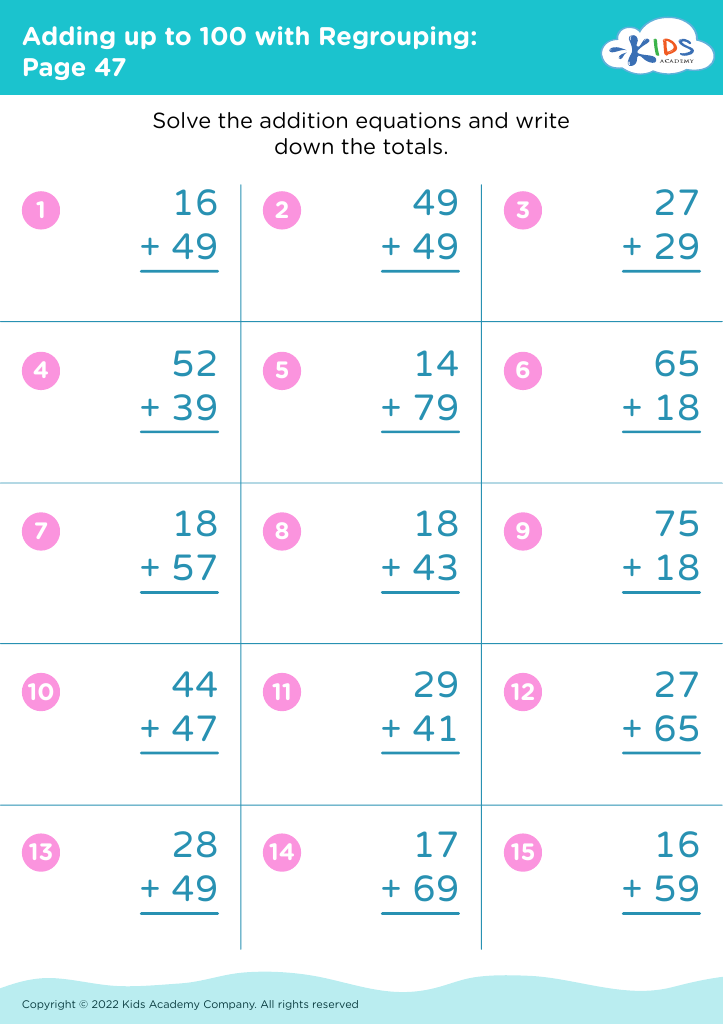








Understanding money and addition is crucial for children aged 7-9, as these early financial skills lay the foundation for their future economic understanding and decision-making. At this age, children are beginning to grasp basic arithmetic concepts and can apply these skills to real-world contexts, such as managing money. By engaging in activities that relate to money and addition, children develop practical problem-solving abilities, critical thinking, and financial literacy.
Additionally, learning about money helps children appreciate the value of hard work and the importance of saving. For parents and teachers, reinforcing these lessons creates opportunities for discussions about budgeting, spending wisely, and setting financial goals. Teaching children how to handle money operates not only as a pathway to mathematical skills but also fosters a sense of responsibility and independence.
Moreover, early financial lessons contribute to a child’s confidence in handling economic transactions, such as making purchases or understanding change. This foundational knowledge can prevent anxiety related to finances later in life. Ultimately, caring about a child's understanding of money and addition empowers them for future success and equips them with essential life skills they will build upon as they grow older.








