Improving counting skills Comparing Numbers Worksheets for Ages 7-9
3 filtered results
-
From - To
Enhance your child's counting skills with our engaging "Comparing Numbers Worksheets" designed for ages 7-9! These interactive worksheets help students practice identifying larger and smaller numbers, fostering critical thinking and numerical comprehension. Each activity is tailored to boost essential counting abilities while instilling a strong foundation in mathematics. You'll find a variety of exercises, from visual number comparisons to fun, hands-on challenges. Our worksheets aim to make learning enjoyable and effective, ensuring your child builds confidence in their math skills. Ideal for both classroom and home learning environments, these resources will transform counting into an exciting adventure! Start exploring today!
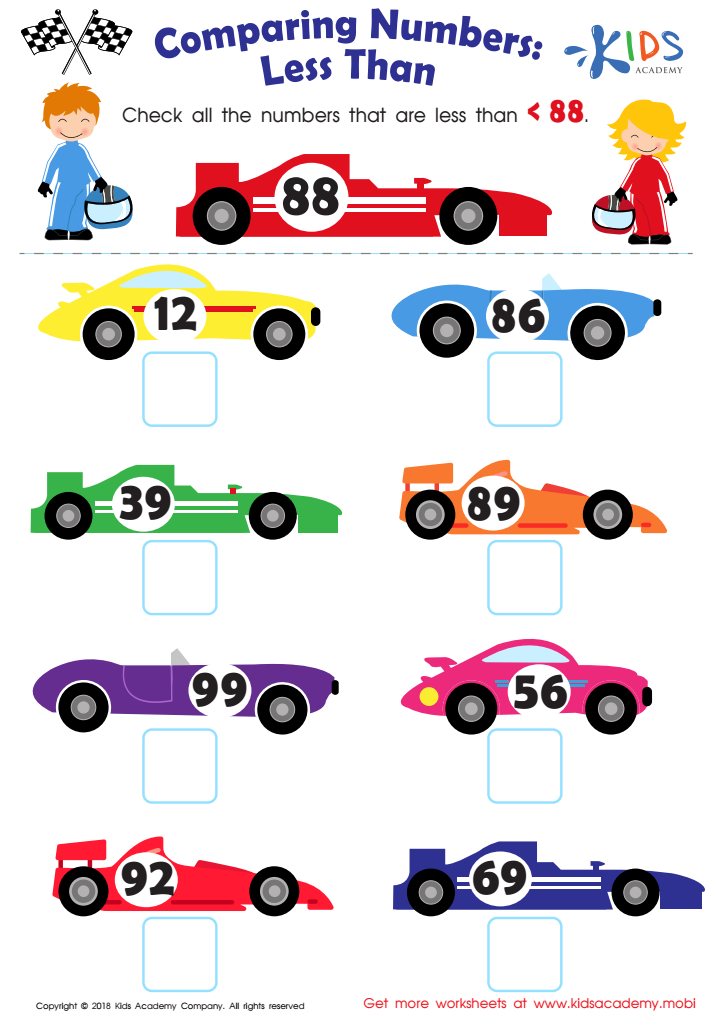
Less Than Worksheet
 Assign to My Students
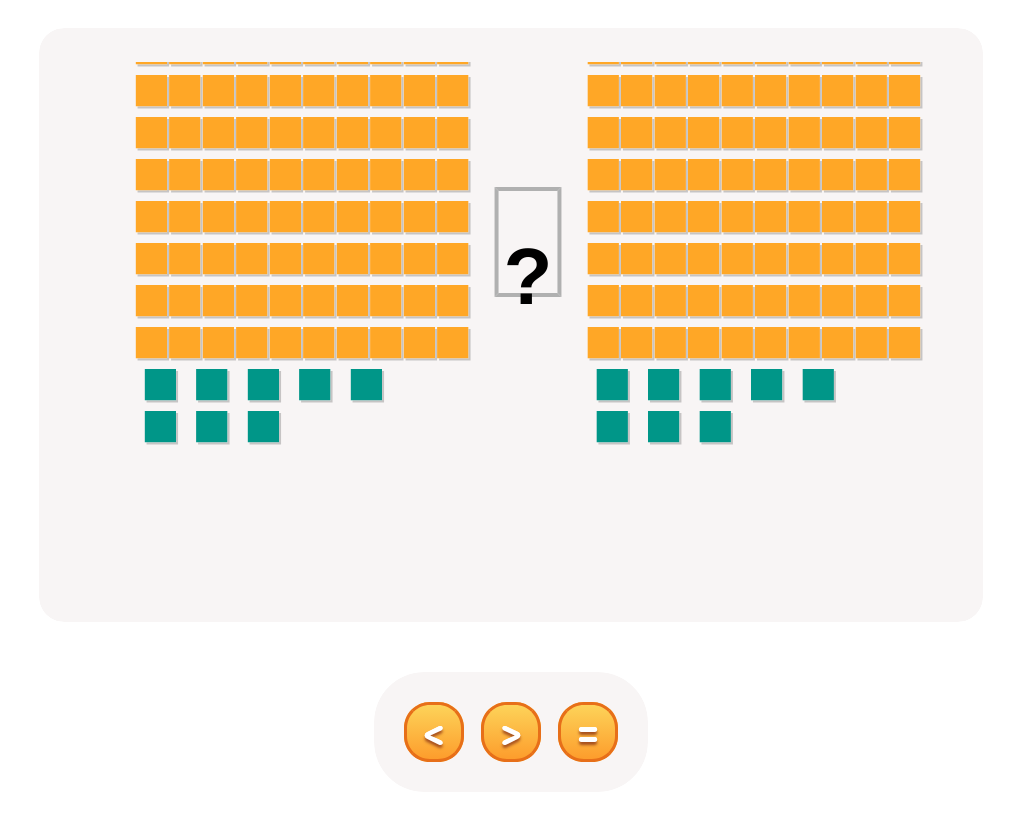

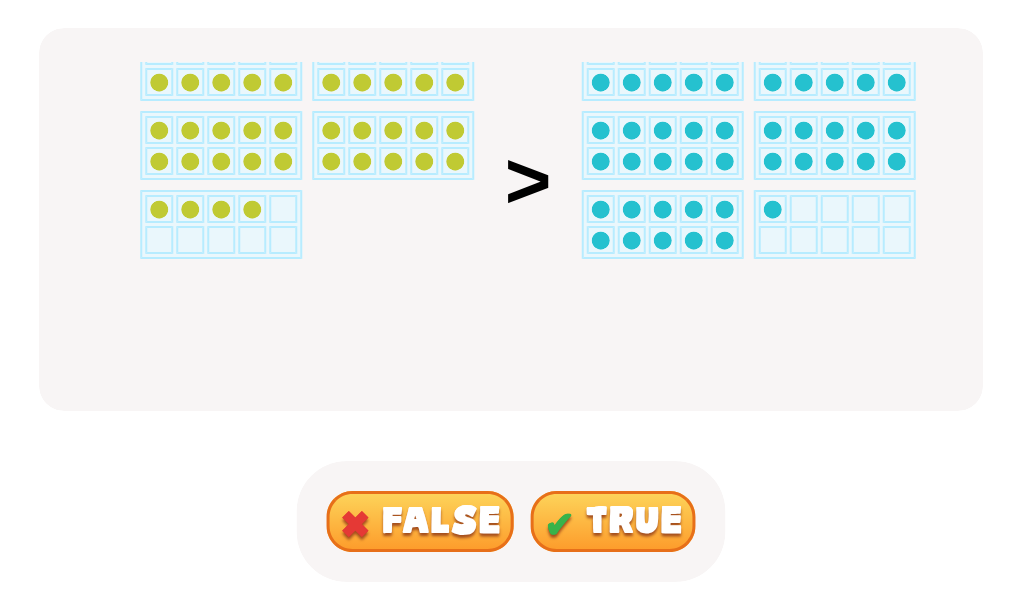
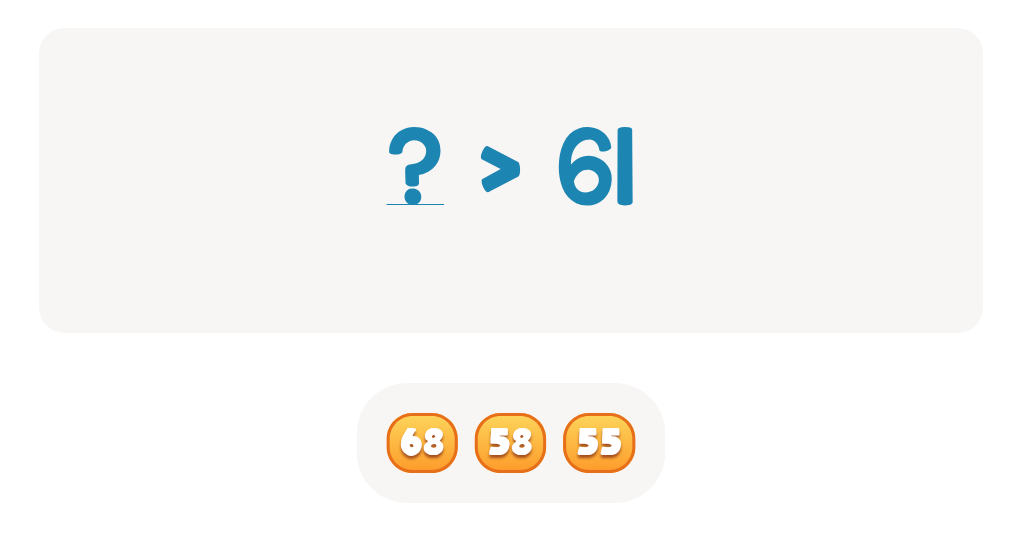
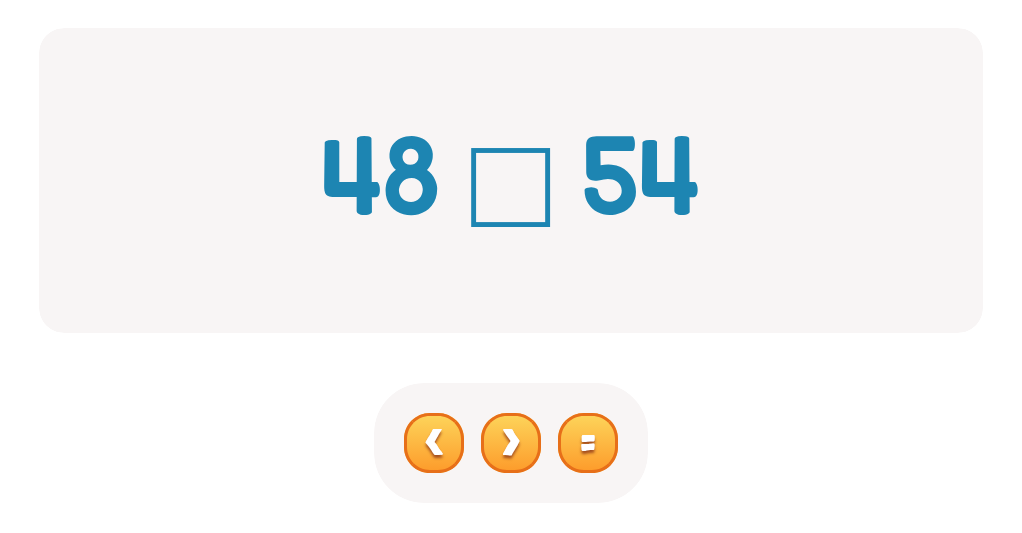
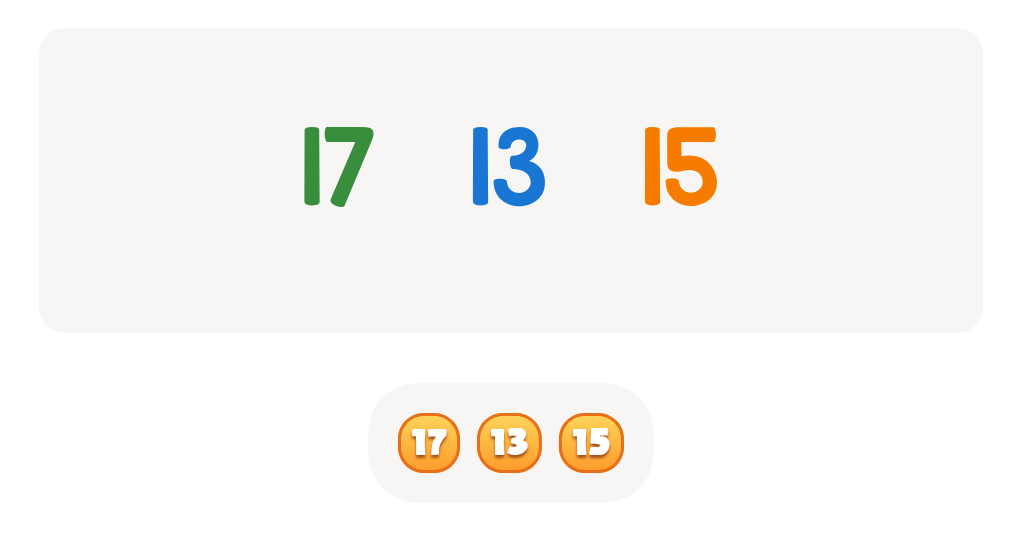
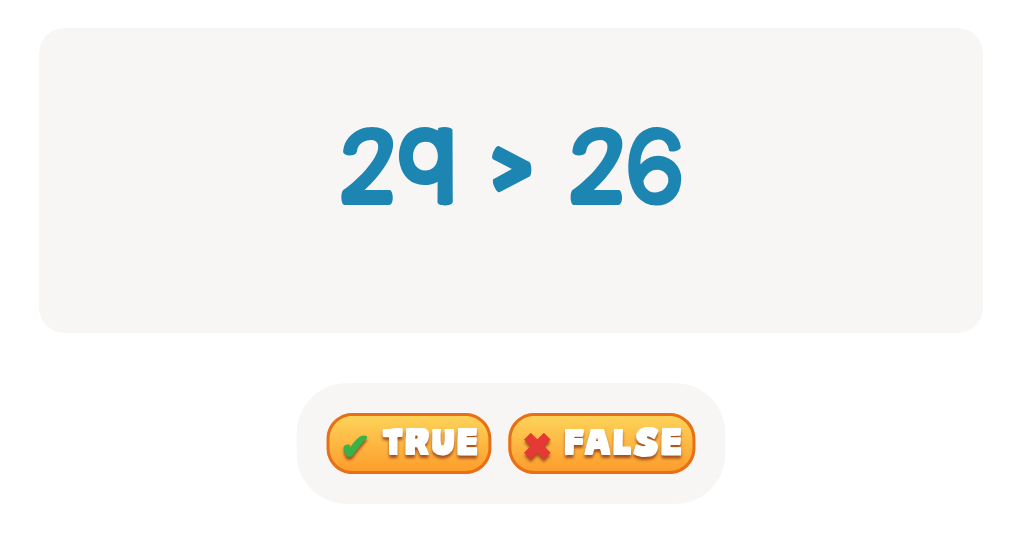
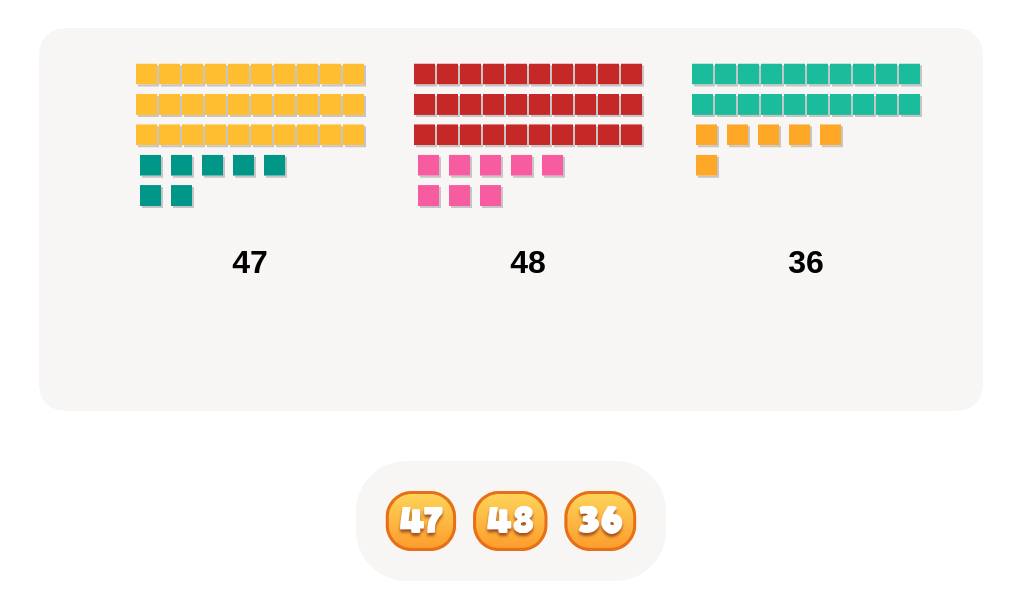
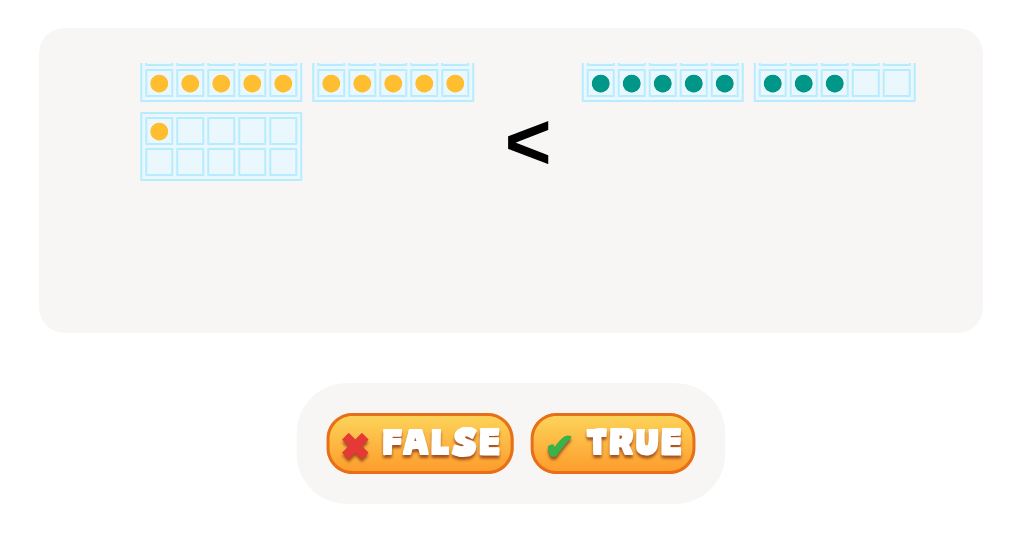
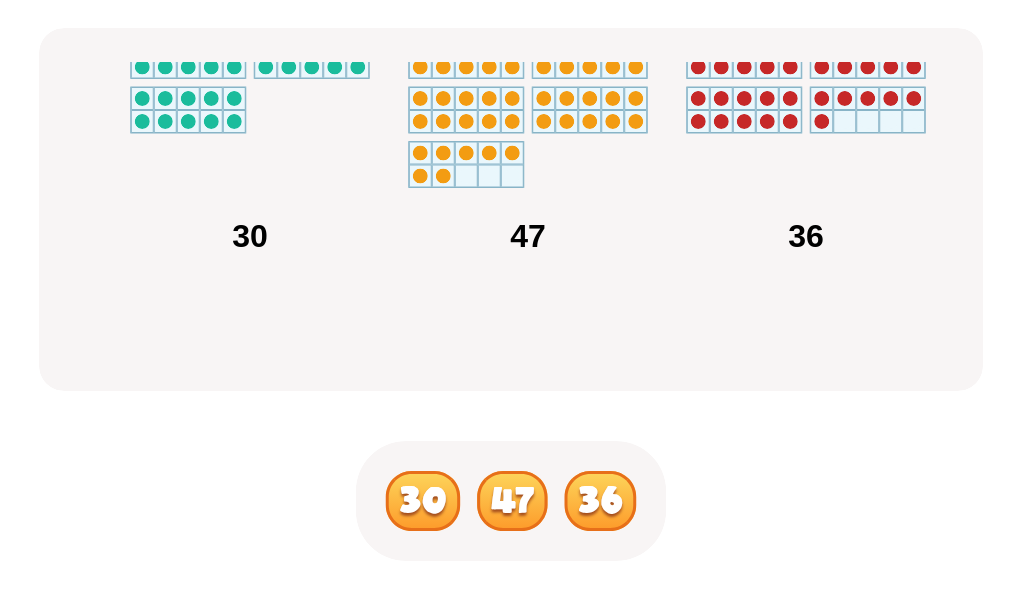
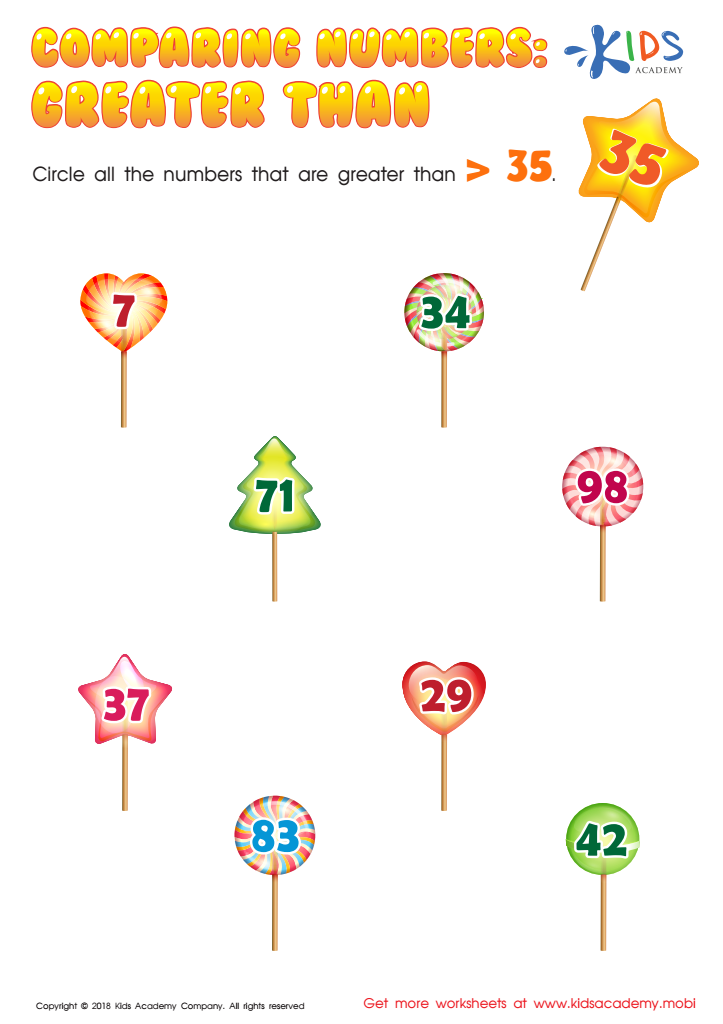
Greater Than Worksheet
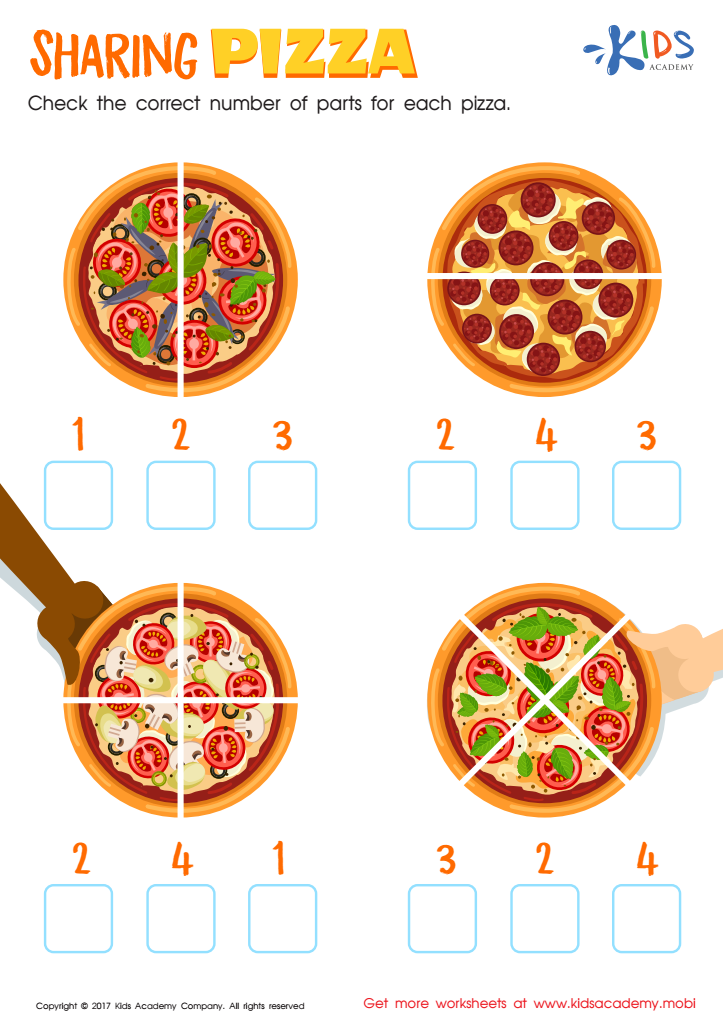
Sharing Pizza Worksheet








Improving counting skills and comparing numbers for children aged 7-9 is crucial as it lays the foundation for their mathematical development. At this age, children transition from basic counting to more complex problem-solving and mathematical reasoning. By enhancing counting skills, children learn to recognize number patterns, which helps them in addition, subtraction, and even introductory multiplication and division.
Moreover, the ability to compare numbers fosters critical thinking and decision-making skills. When children understand concepts like greater than or less than, they become better equipped to tackle real-world problems, such as budgeting, measuring, and planning. These skills are essential not just in mathematics, but in everyday life.
Researchers also highlight that strong numeracy skills are linked to future academic success. As parents or teachers, investing time in these fundamental skills can significantly influence a child's confidence and enthusiasm towards learning. Encouraging practices like number games, measurement activities, and visual aids helps children grasp these concepts concretely and interactively.
Overall, nurturing counting skills and the ability to compare numbers enriches a child's educational experience and prepares them for more advanced mathematical topics as they grow. It’s a vital aspect of their cognitive development and lifelong learning journey.