Associative learning Math Worksheets for Ages 7-9
3 filtered results
-
From - To
Discover our engaging Associative Learning Math Worksheets specially designed for children aged 7-9. These resources focus on fostering critical mathematical skills through associative properties, helping students understand the relationship between numbers and operations. With fun and interactive activities, your child will enhance their problem-solving abilities and boost their confidence in math. Our worksheets include a variety of problems that encourage creative thinking and reinforce foundational concepts in a playful and enjoyable manner. Empower your child’s math journey and ignite a passion for learning with our thoughtfully crafted worksheets tailored to ignite curiosity and develop essential skills for lifelong success.
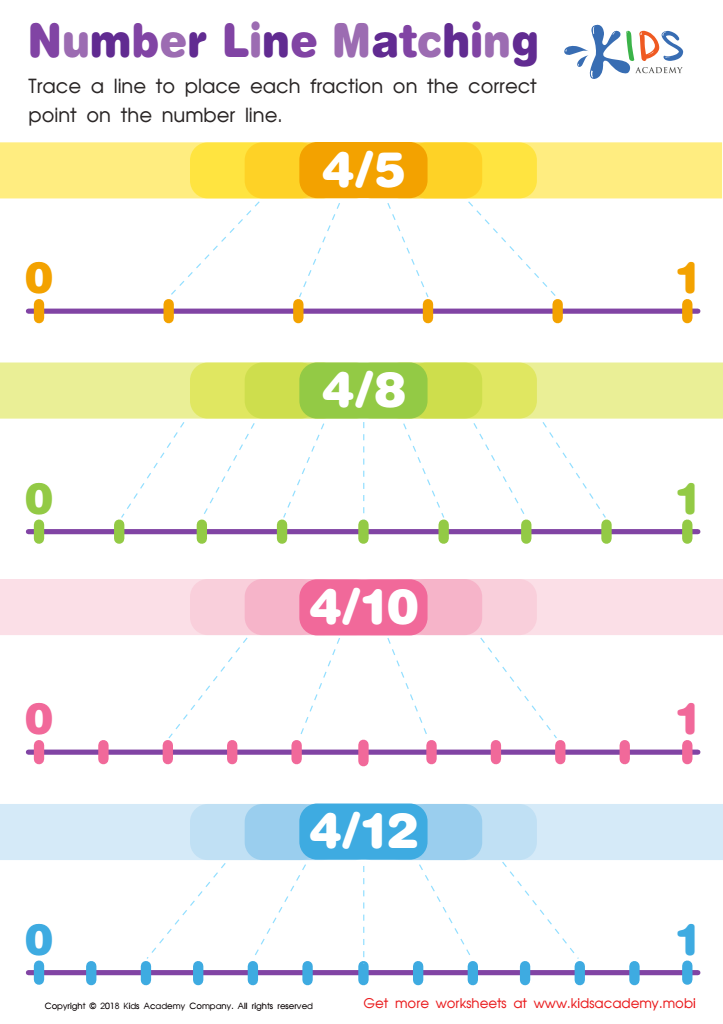
Number Line Matching Worksheet
 Assign to My Students
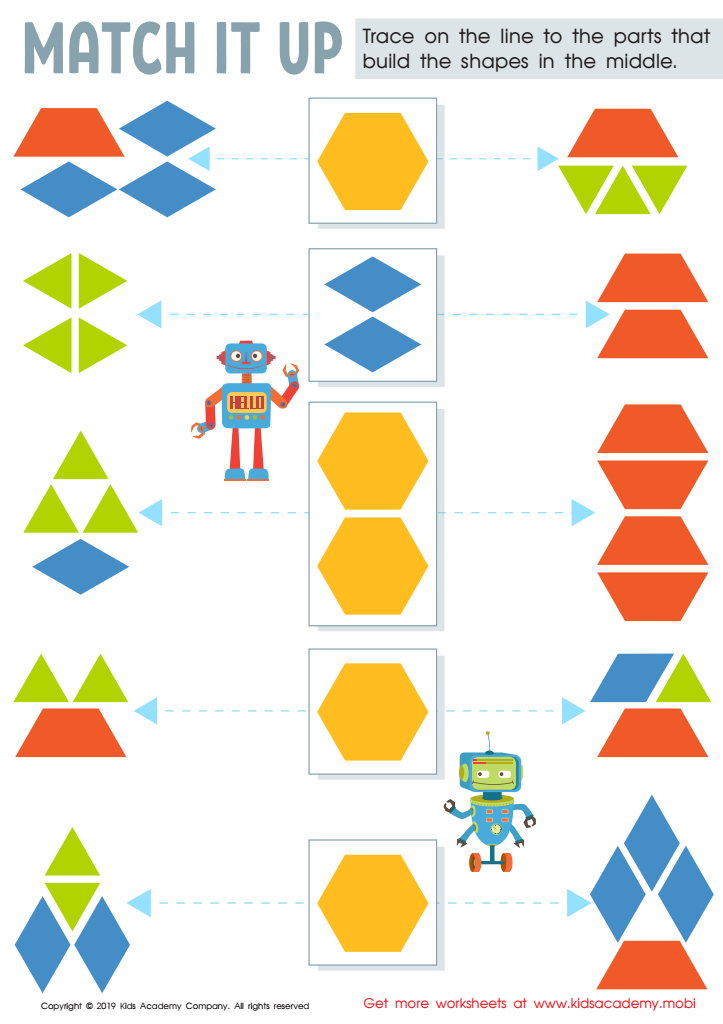
Match It up Worksheet
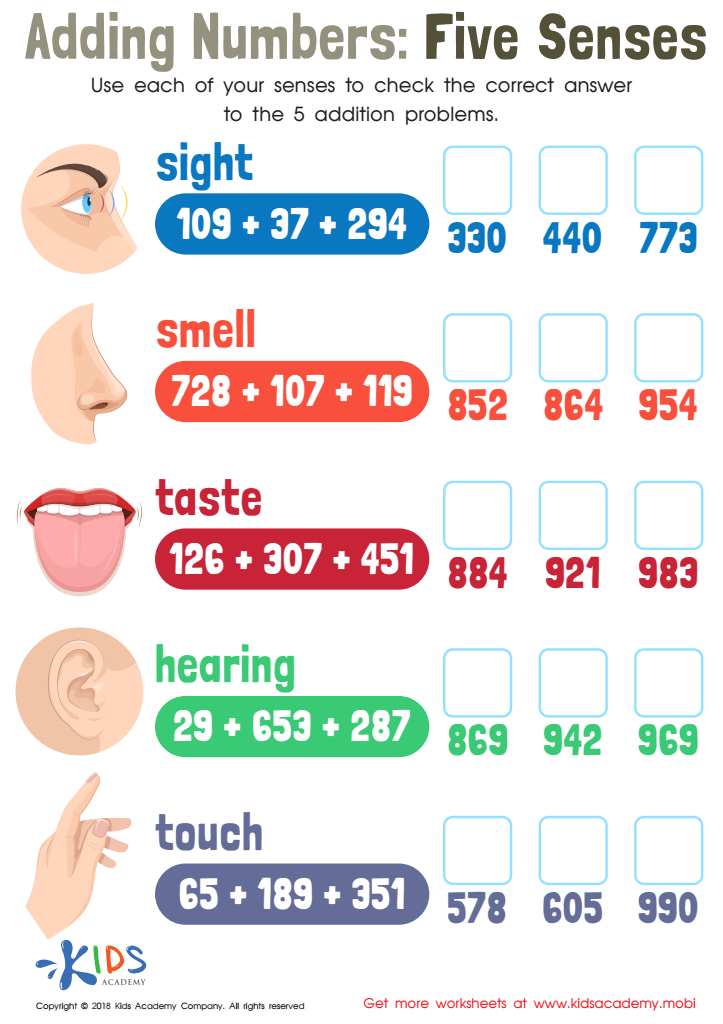
Adding Numbers: Five Senses Worksheet








Associative learning in math involves connecting new concepts with existing knowledge, which is particularly crucial for children aged 7-9. At this developmental stage, children are expanding their mathematical skills beyond basic arithmetic to include more complex concepts like problem-solving, patterns, and spatial reasoning. By focusing on associative learning, parents and teachers can help students manage information more effectively, fostering a deeper understanding and retention of mathematical concepts.
When children associate new information with familiar ideas, they become more engaged and confident learners. This connection-making process enhances critical thinking, enabling kids to see math as a cohesive subject rather than a collection of isolated facts. Furthermore, associations help develop mental frameworks that aid in further learning—essential as students progress to more advanced material.
Incorporating associative learning in math instruction also allows for differentiated approaches tailored to individual learning styles, promoting inclusivity. Consequently, positive early experiences with math can combat math anxiety in the future. By supporting associative learning, parents and educators can empower children with not just the skills needed to excel in mathematics but also foster a lifelong love of learning. Investing in this developmental area lays a strong foundation for future academic success and problem-solving abilities.








