Develop counting skills Math Worksheets for Ages 7-9
5 filtered results
-
From - To
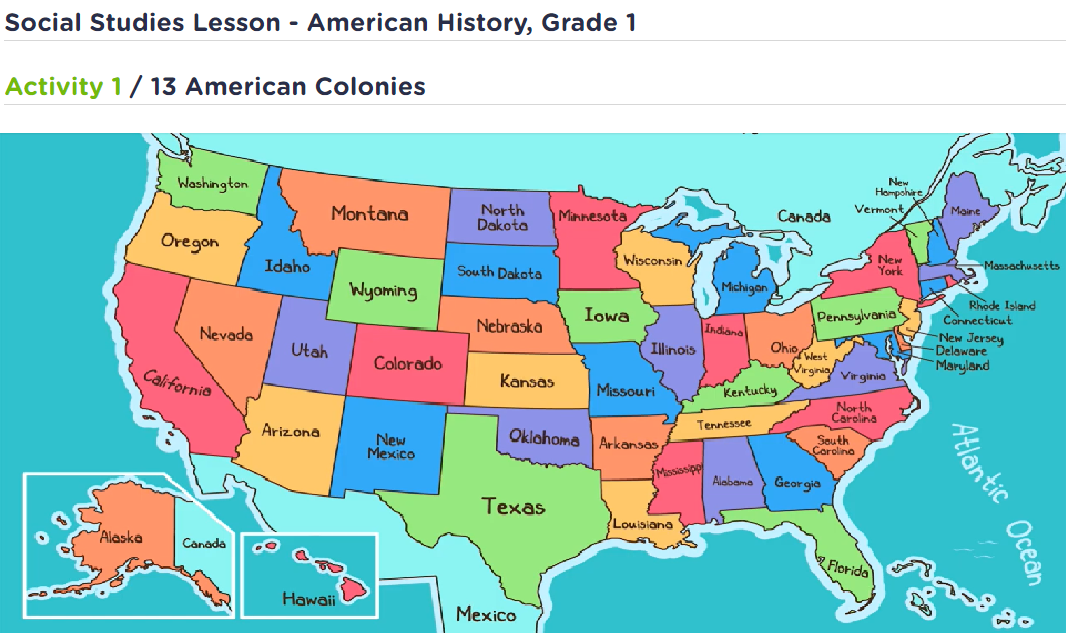
Our Develop Counting Skills Math Worksheets for ages 7-9 help young learners strengthen their foundational math abilities through engaging and educational activities. These printable worksheets cover a range of counting exercises, including skip counting, counting backward, and number patterns. Designed by experts, they aim to build confidence and improve numerical fluency in kids. Colorful illustrations and fun tasks keep students motivated and interested while providing a solid basis for more advanced mathematical concepts. Perfect for home or classroom use, our resources ensure students develop essential counting skills tailored to their grade level. Explore and enhance your child's math journey today!
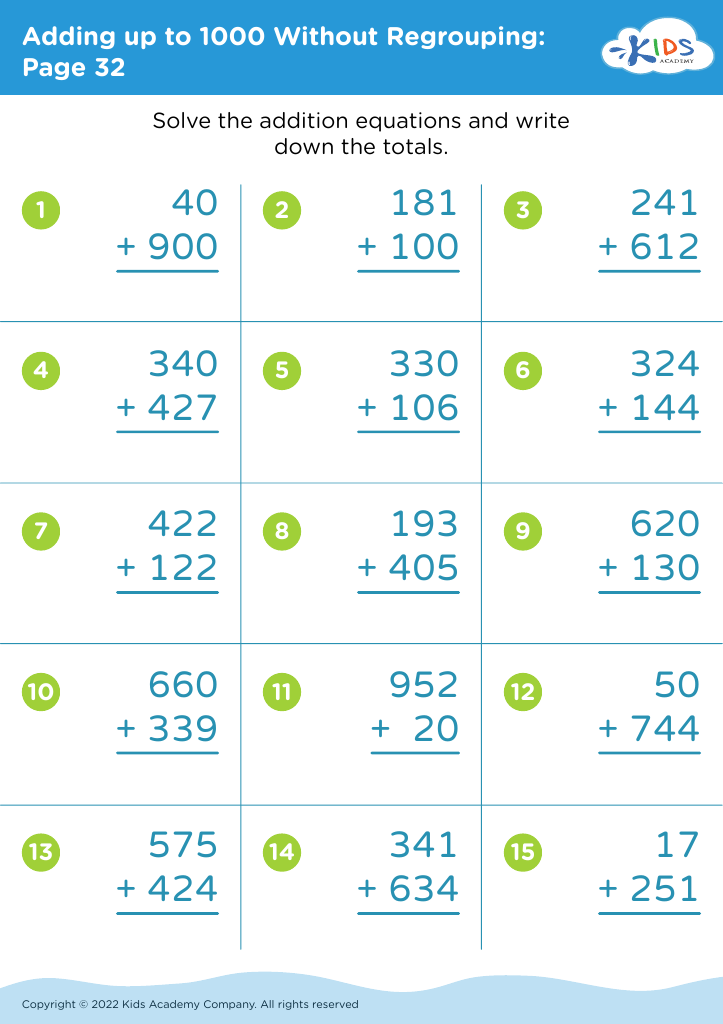
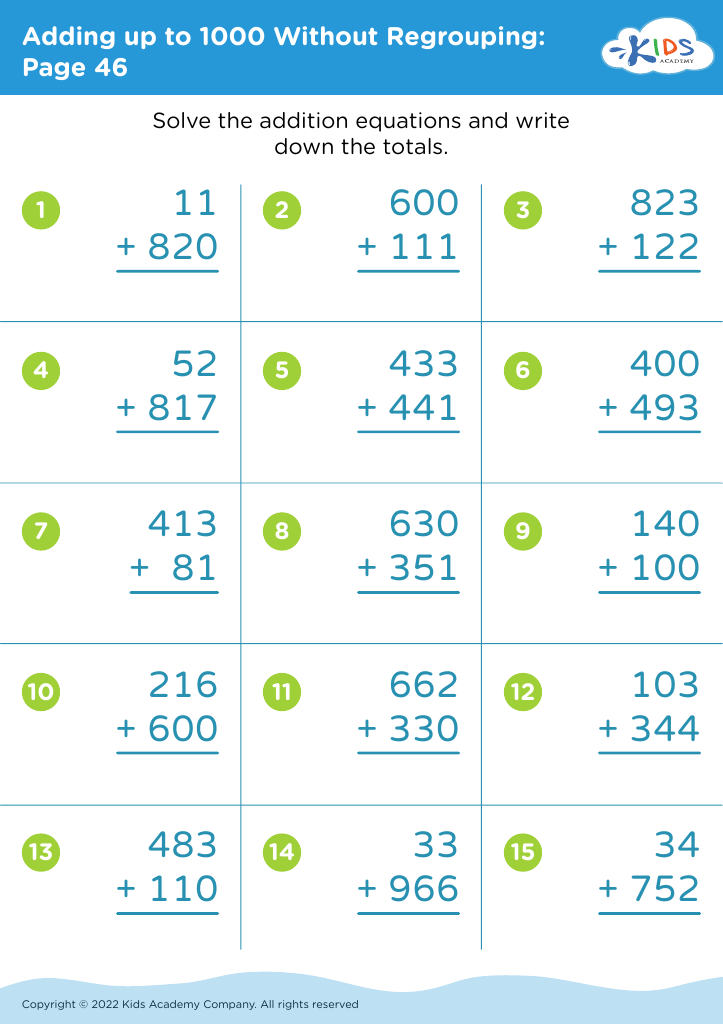
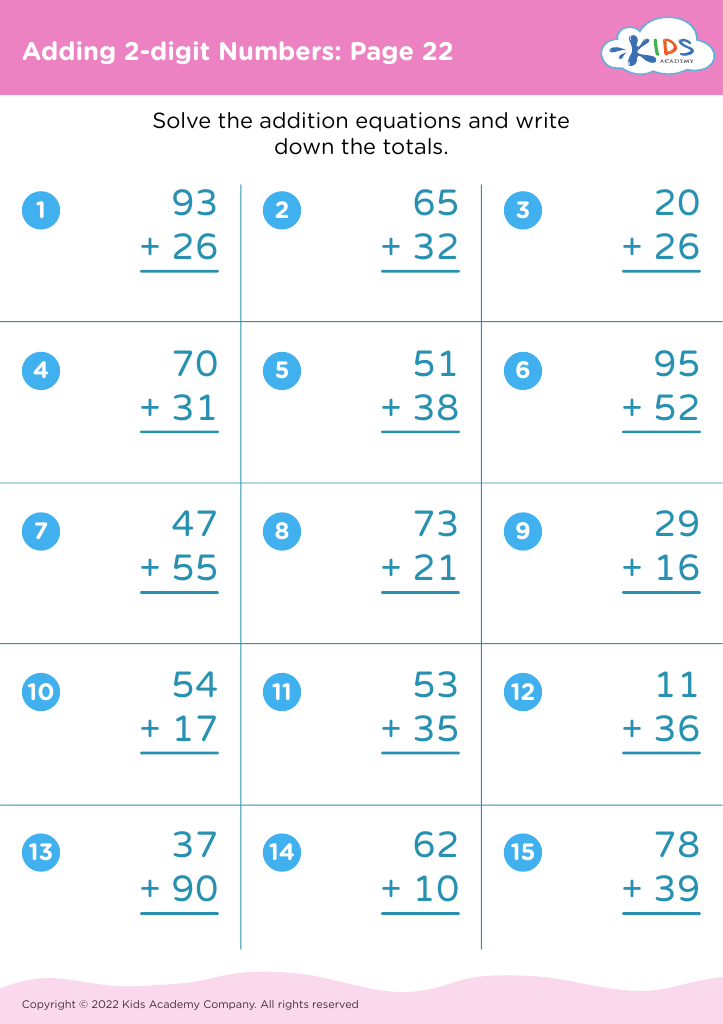
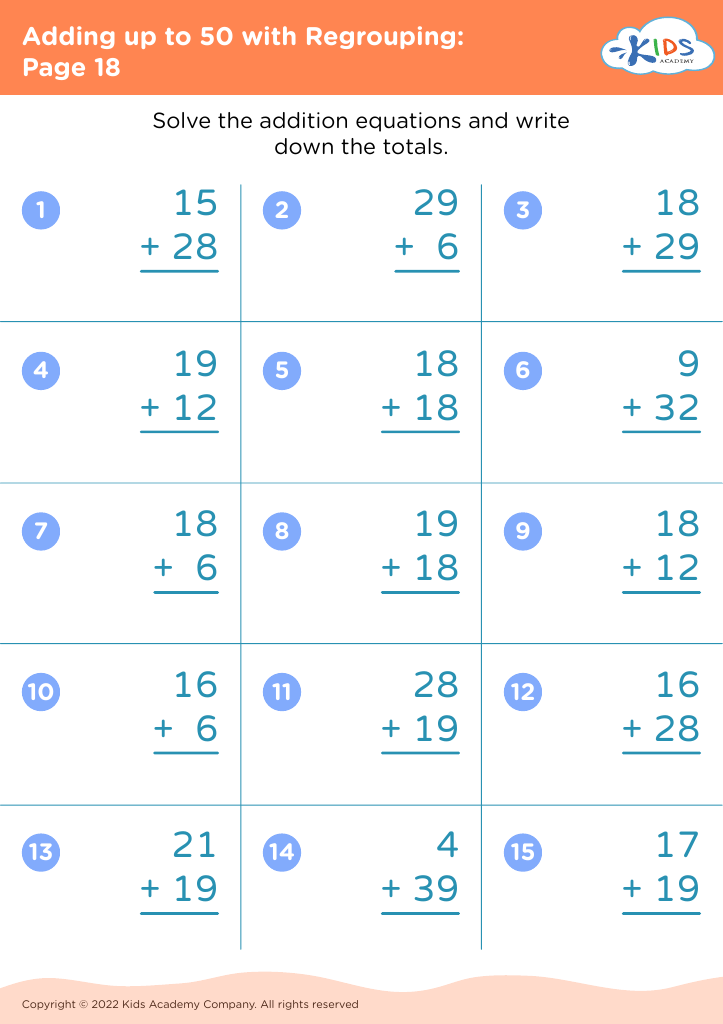
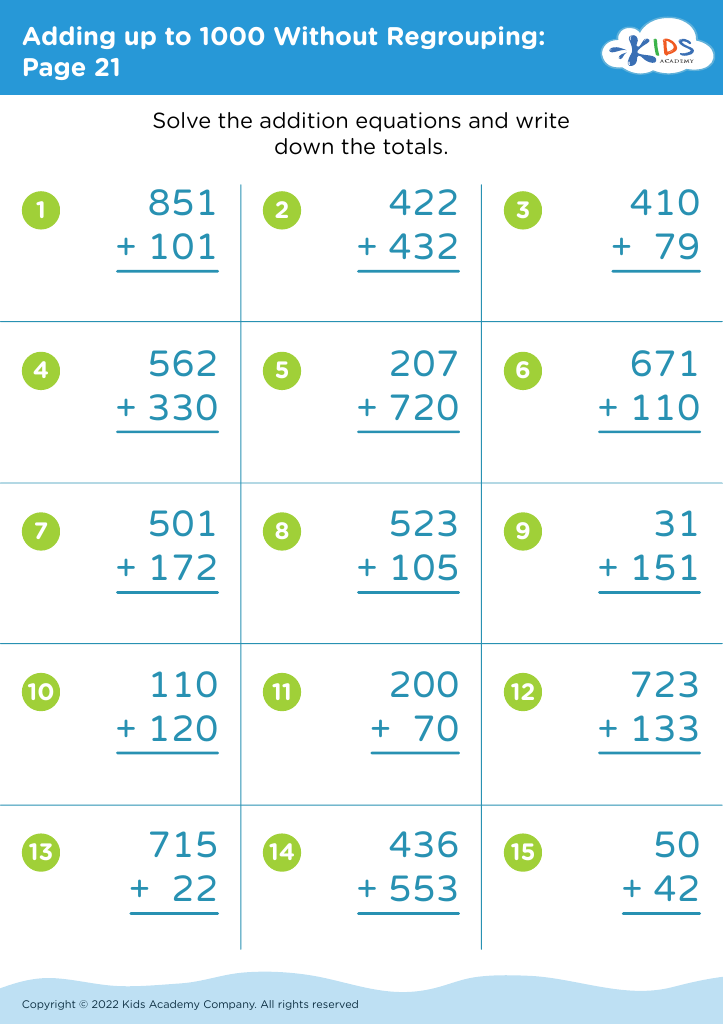






Developing counting skills for children aged 7-9 is critical and lays the foundation for advanced mathematical understanding. At this stage, children start to grasp more complex mathematical concepts beyond simple counting, such as addition, subtraction, multiplication, and division. Mastery of counting enables smoother transition to these operations since children can easily understand and process number relationships and patterns.
For parents and teachers, focusing on counting skills helps facilitate a child's cognitive development and problem-solving capabilities. Counting also supports logical reasoning and the ability to make connections between different sets of numbers. These skills are useful not only in math but also in everyday tasks, building a child's confidence and ability to tackle real-world situations.
Furthermore, children at this age are at a peak period for acquiring new knowledge. Introducing counting effectively ensures they build a strong numeric base early in life, making subsequent learning less intimidating. Studies show that children who excel in early math skills are more likely to achieve academic success in later years. For educators and parents, nurturing these skills can transform potentially challenging subjects into enjoyable learning experiences, instilling a lifelong interest in mathematics and critical thinking. Thus, prioritizing counting is an investment in a child’s overall academic journey.








