
Numeracy skills Math Worksheets for Ages 7-9
8 filtered results
Difficulty Level
Grade
Age
-
From - To
Subject
Activity
Standards
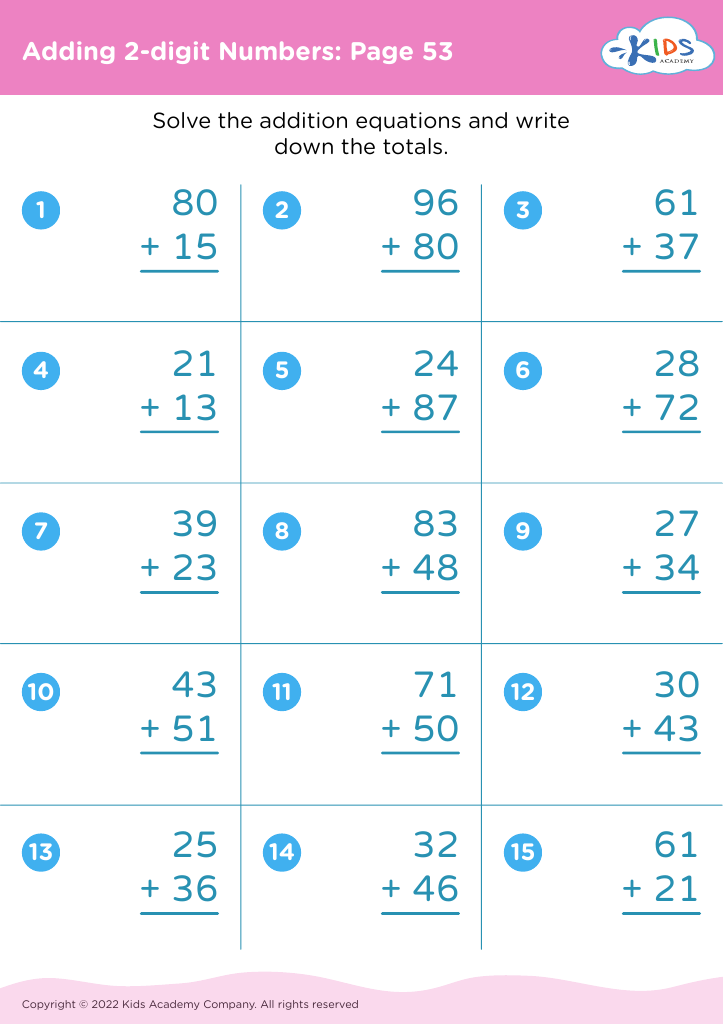
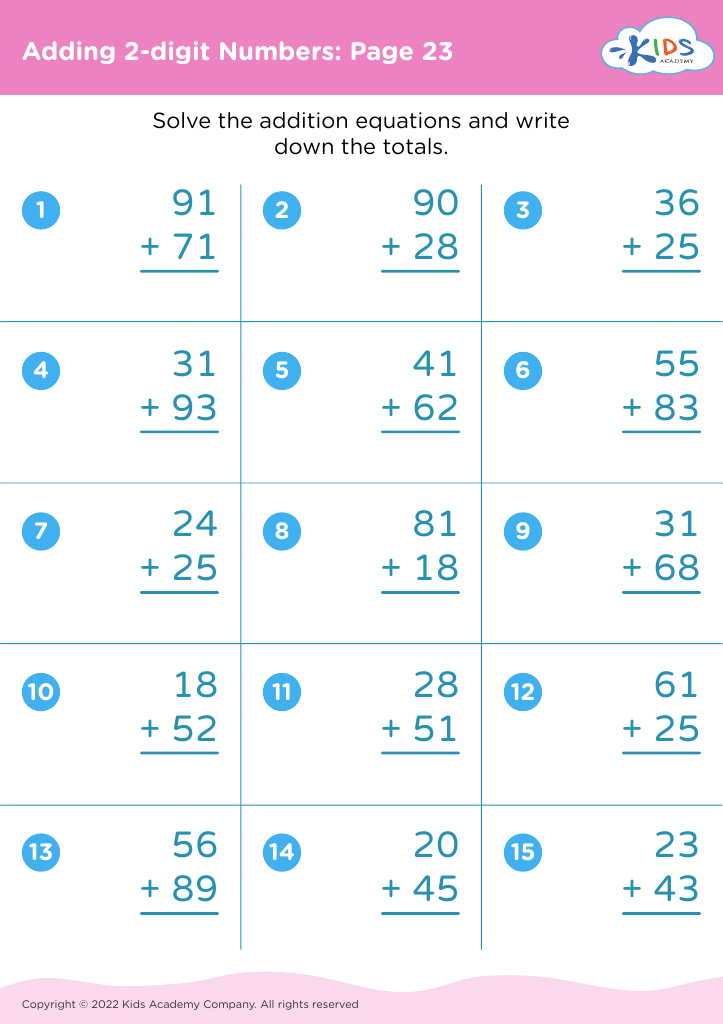
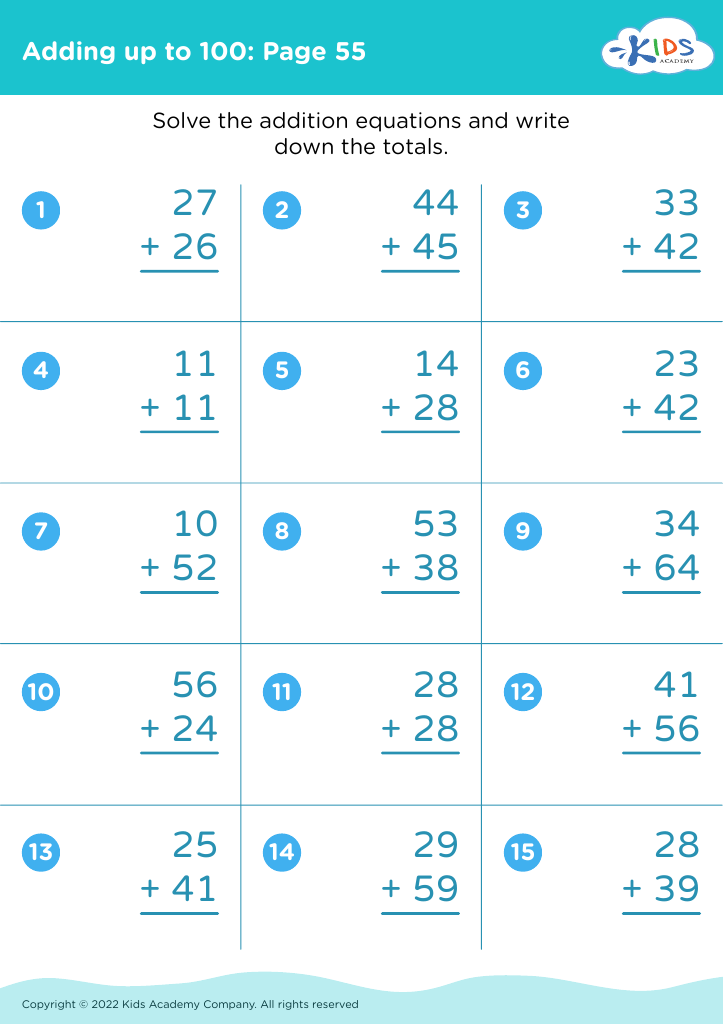
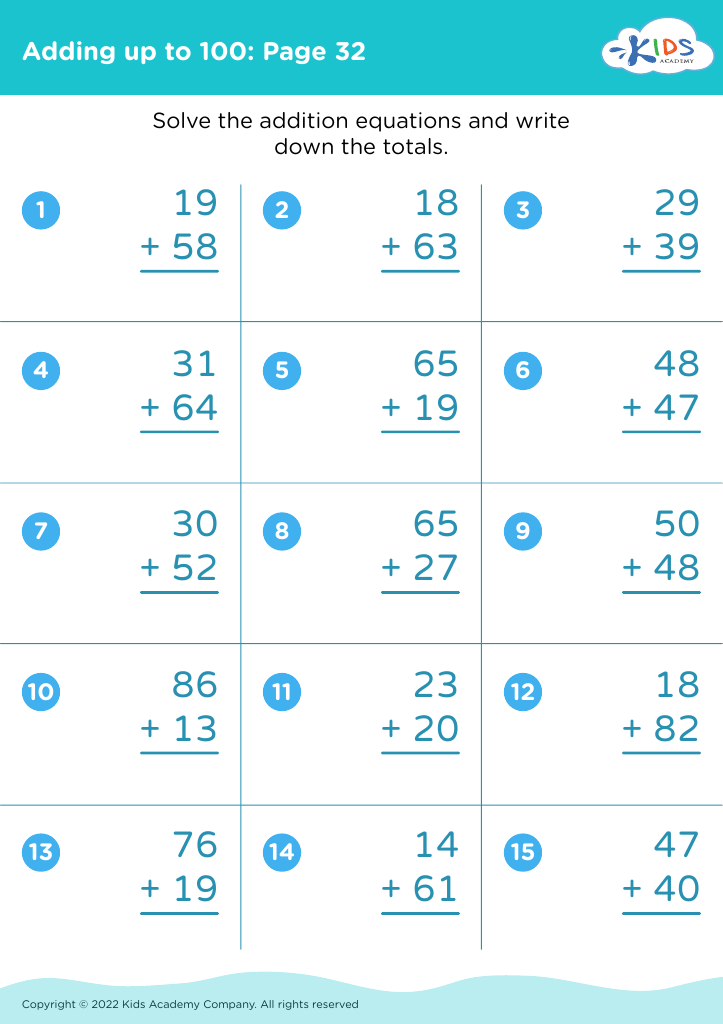
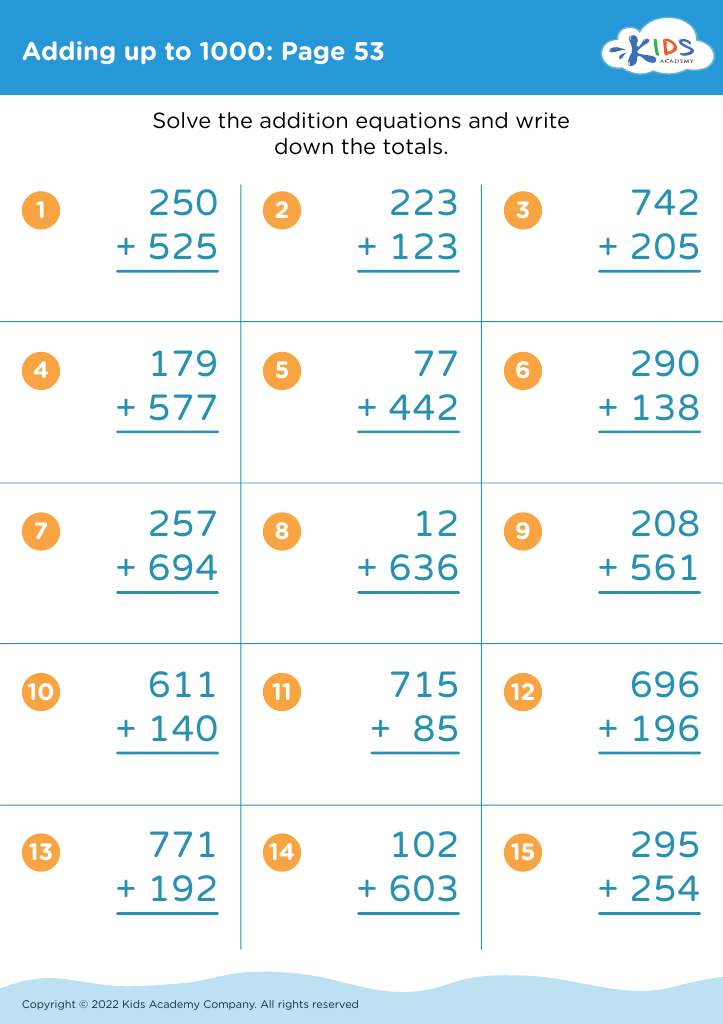
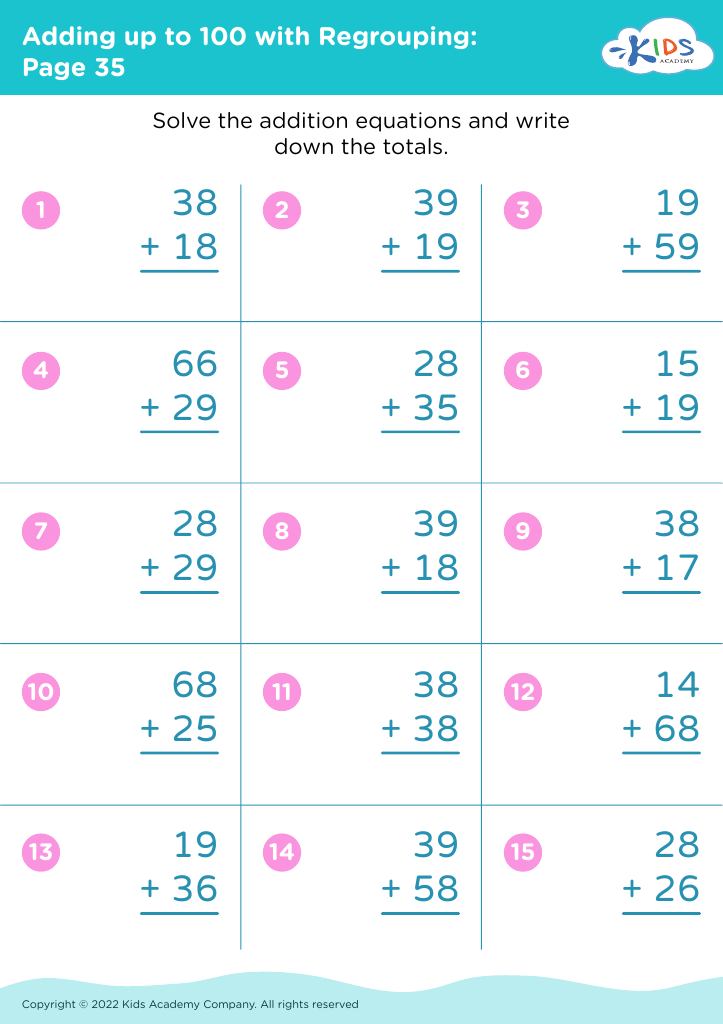
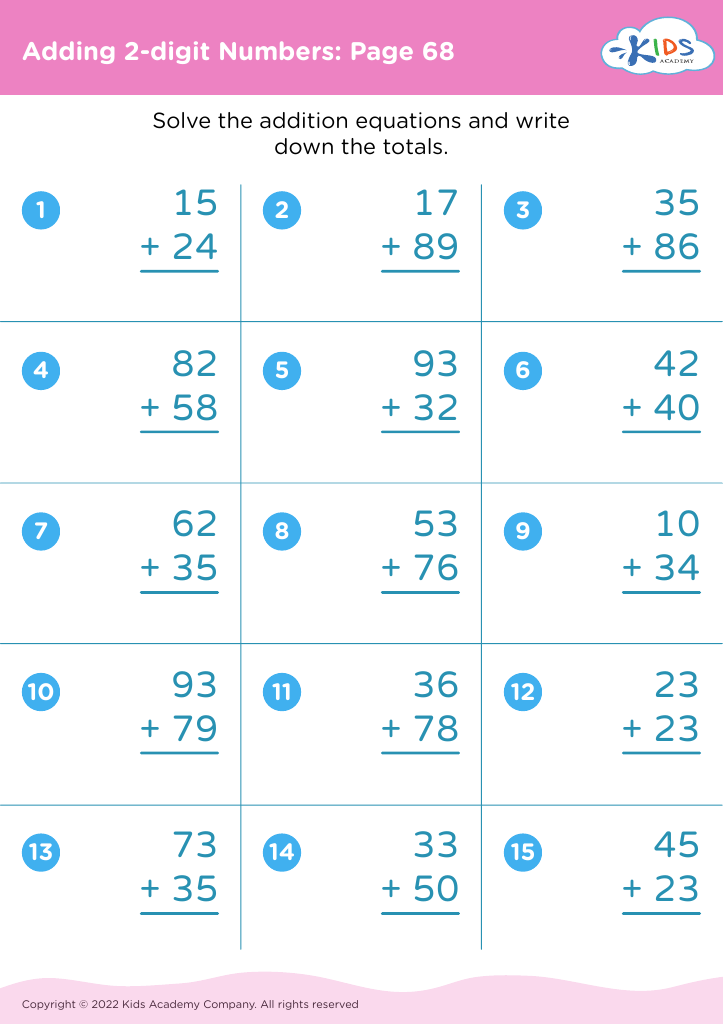
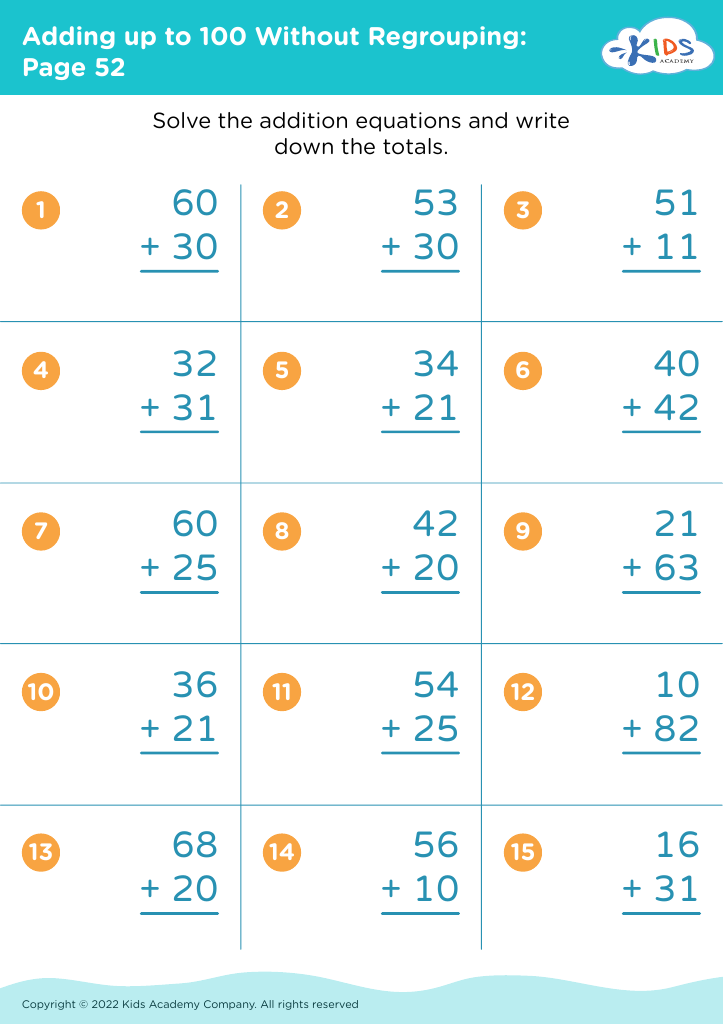
Boost your child's confidence in math with our engaging Numeracy Skills Math Worksheets for Ages 7-9! Tailored to reinforce fundamental arithmetic concepts, these worksheets cover essential topics such as addition, subtraction, multiplication, and division. Designed to make learning fun, our printable resources incorporate colorful visuals and interactive exercises that capture young learners' interest. Each worksheet aims to promote critical thinking and problem-solving abilities, paving the way for future success in mathematics. Ideal for home practice or classroom use, our numeracy worksheets offer a comprehensive, accessible approach to mastering essential math skills. Start your child’s math journey with us today!
Favorites
With answer key
Interactive
Join Kids Academy for Free
Who is primarily going to use this learning content?








Numeracy skills are crucial for children between the ages of 7-9, as this stage serves as a foundational period in their mathematical development. At this age, children begin to grasp essential concepts such as addition, subtraction, simple multiplication, and division. By fostering strong numeracy skills, parents and teachers help children develop analytical thinking, problem-solving capabilities, and the ability to make sense of quantitative information.
Improving numeracy also enhances children's confidence in their academic abilities, which directly impacts their motivation and engagement in school. Strong numeracy skills not only support success in math but also benefit other subjects, as students learn to interpret data in science, understand patterns in reading, and navigate financial literacy in everyday life.
Additionally, numeracy skills are closely linked to real-world applications, from managing finances to making informed decisions based on statistics and data. By caring about numeracy, parents and teachers can instill a lifelong appreciation for mathematics and its relevance, paving the way for successful learning experiences and future career opportunities. Ultimately, nurturing numeracy during these formative years sets the stage for academic achievement and helps children build a solid foundation for critical thinking in an increasingly complex world.








