Handwriting practice Alphabet Worksheets for 7-Year-Olds - Page 2
33 filtered results
-
From - To
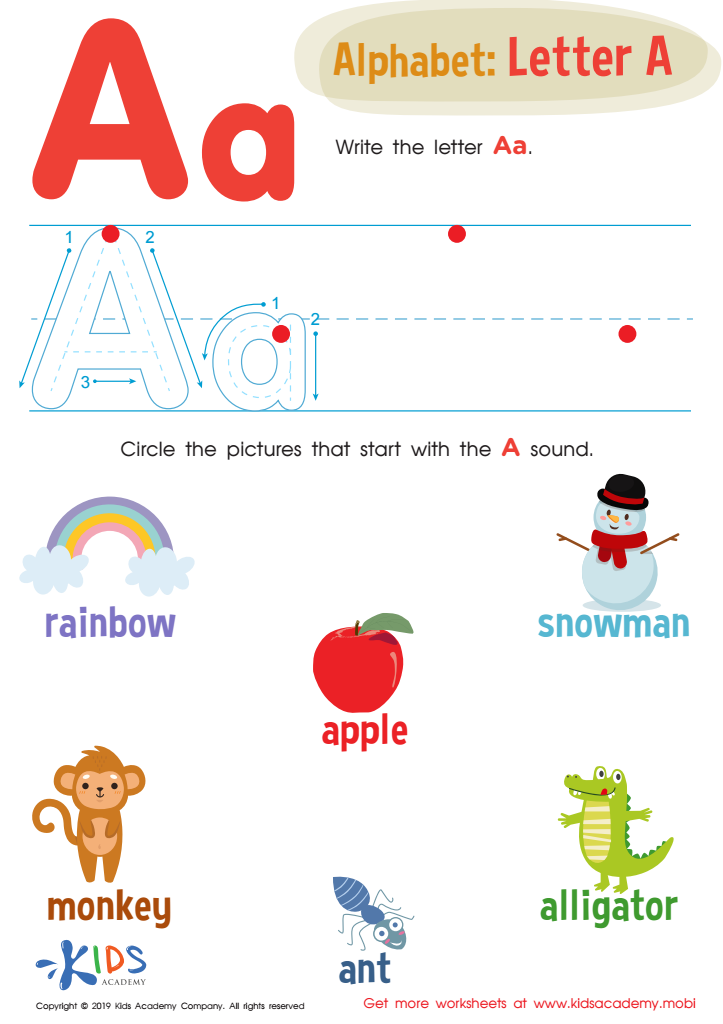
Letter A Tracing Worksheet
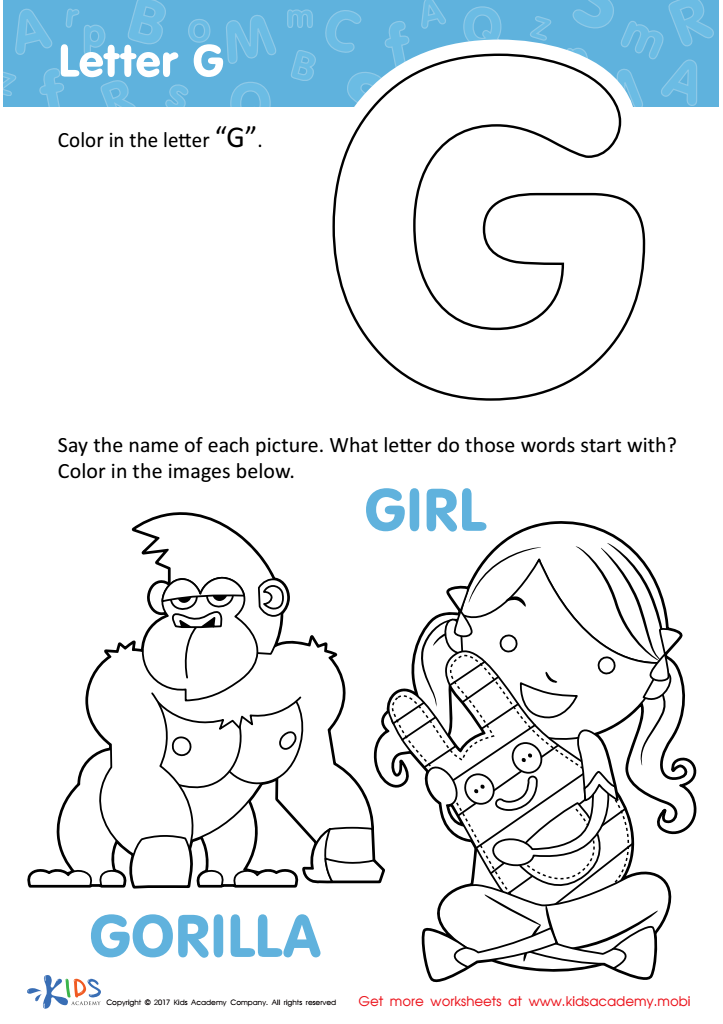
Letter G Coloring Sheet
 Assign to My Students
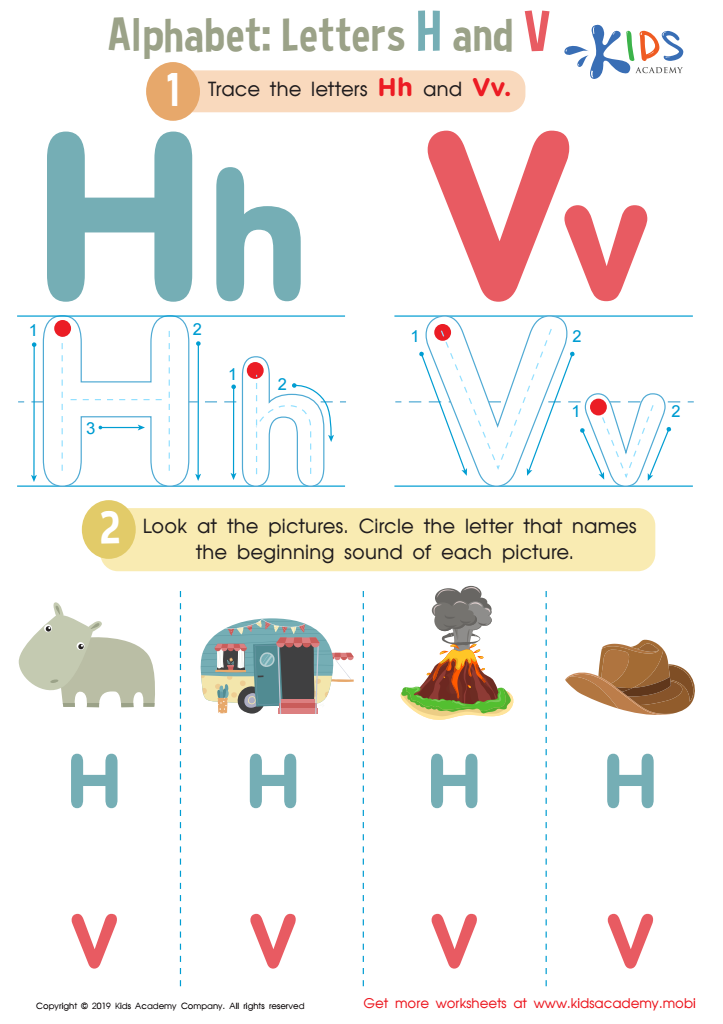
Letters H and V Tracing Worksheet
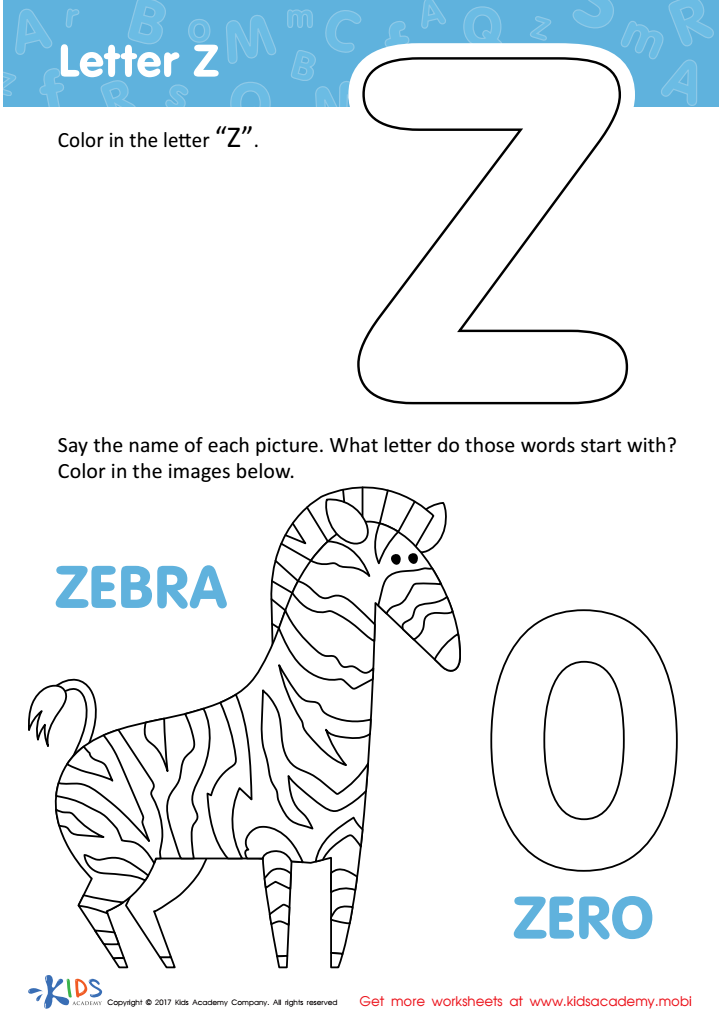
Letter Z Coloring Sheet
Assign to My Students

Letter J Coloring Sheet
Assign to My Students
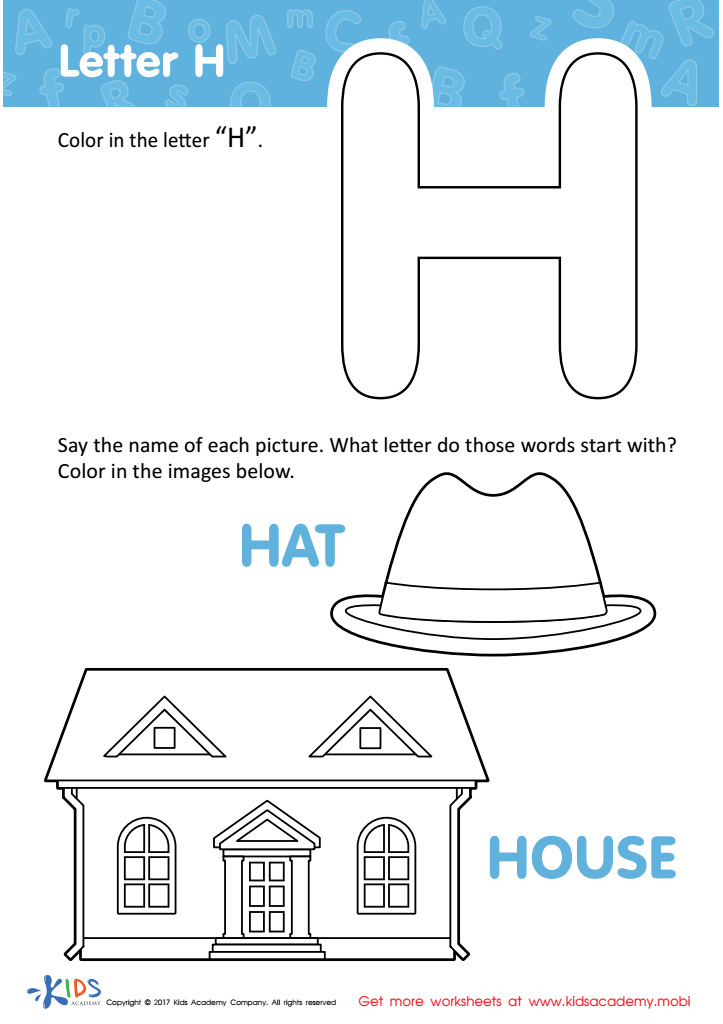
Letter H Coloring Sheet
Assign to My Students
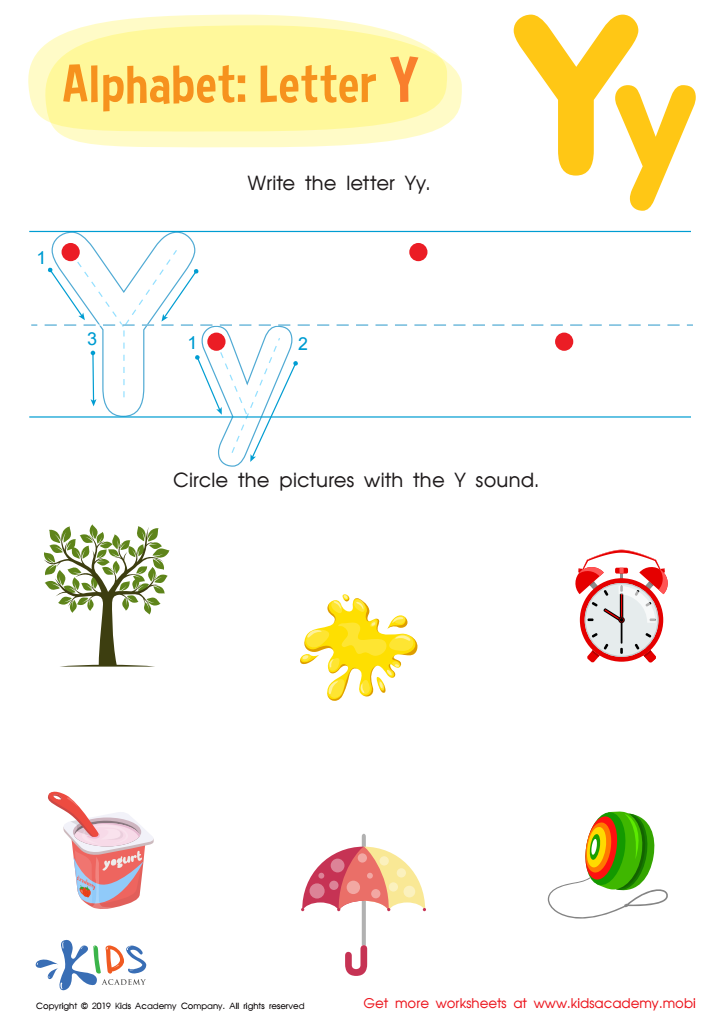
Letter Y Tracing Worksheet
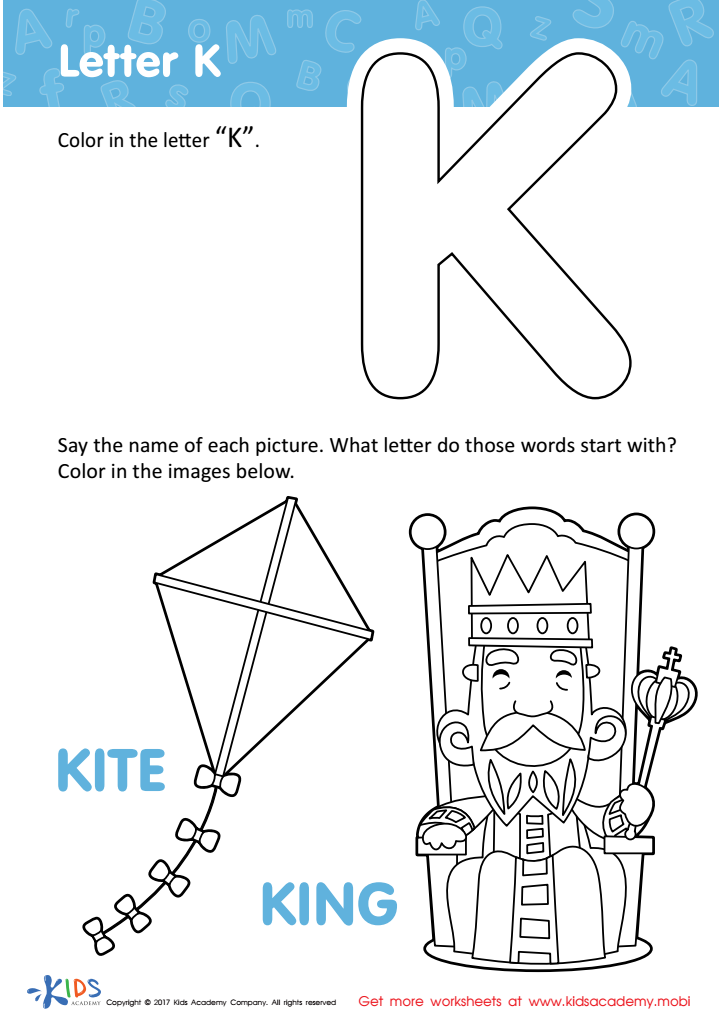
Letter K Coloring Sheet
Assign to My Students
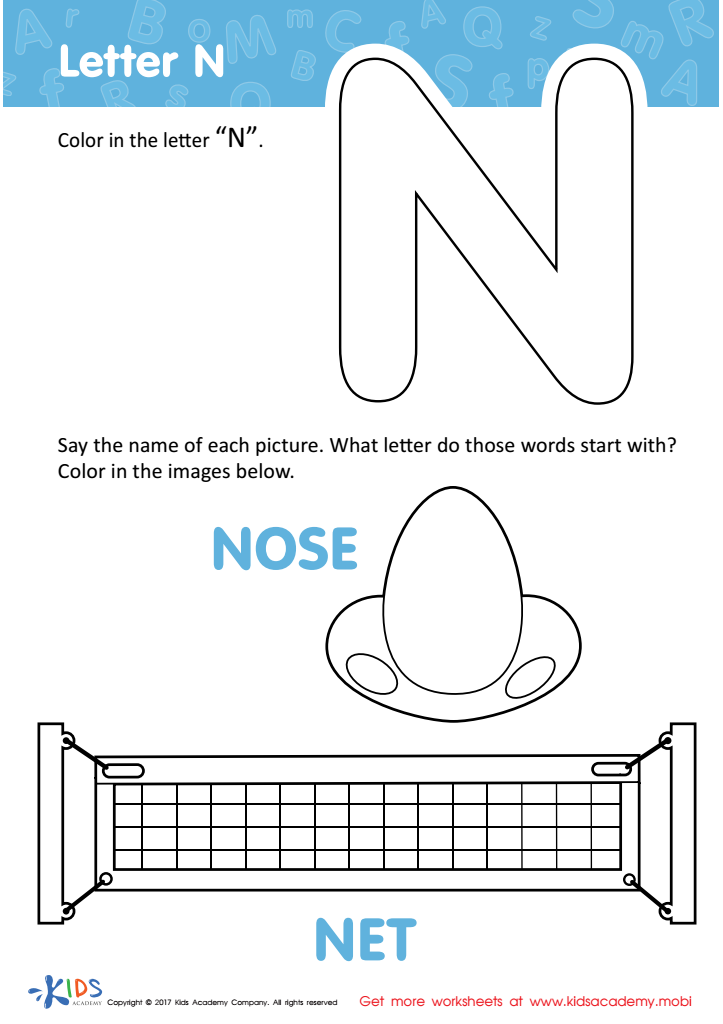
Letter N Coloring Sheet
Assign to My Students




.jpg)
Handwriting practice is crucial for 7-year-olds as it lays the foundation for literacy and overall academic success. At this age, children are transitioning from basic letter formation to more fluent writing skills. Practicing the alphabet helps reinforce letter recognition, enabling children to read and write more efficiently. This skill is essential for all school subjects, from math to reading comprehension.
Moreover, handwriting practice enhances fine motor skills. Holding a pencil and controlling it across the paper advances hand-eye coordination and strengthens the small muscles in the hand. These skills are not only crucial for writing but also for daily tasks like buttoning clothes and using utensils.
Handwriting also contributes to cognitive development. The act of forming letters and words on paper aids in memory retention and cognitive association. This practice can significantly improve a child's ability to express thoughts and ideas clearly.
Beyond academics, handwriting has an emotional and psychological impact. Mastery in handwriting gives young learners a sense of achievement, boosting their confidence and motivation to engage in classroom activities. Additionally, parents and teachers should care because neat handwriting translates to clear communication—a vital skill that extends far beyond elementary education into adult life. Thus, investing time in handwriting practice provides multifaceted benefits crucial for a child’s development.







