
Letter Tracing Practice Alphabet Worksheets for 7-Year-Olds
3 filtered results
Difficulty Level
Grade
Age
-
From - To
Subject
Activity
Standards
Discover engaging "Letter Tracing Practice Alphabet Worksheets for 7-Year-Olds" from Kids Academy! These expertly designed worksheets make mastering the alphabet fun and effective. Your child will develop critical handwriting skills, reinforce letter recognition, and build a solid foundation for reading and writing. Perfectly tailored for seven-year-olds, the exercises incorporate playful elements to keep young learners motivated and eager to learn. Boost their confidence and transform learning into an exciting adventure. Visit Kids Academy to explore a variety of printable worksheets and help your child thrive through enjoyable, hands-on practice!
Favorites
With answer key
Interactive
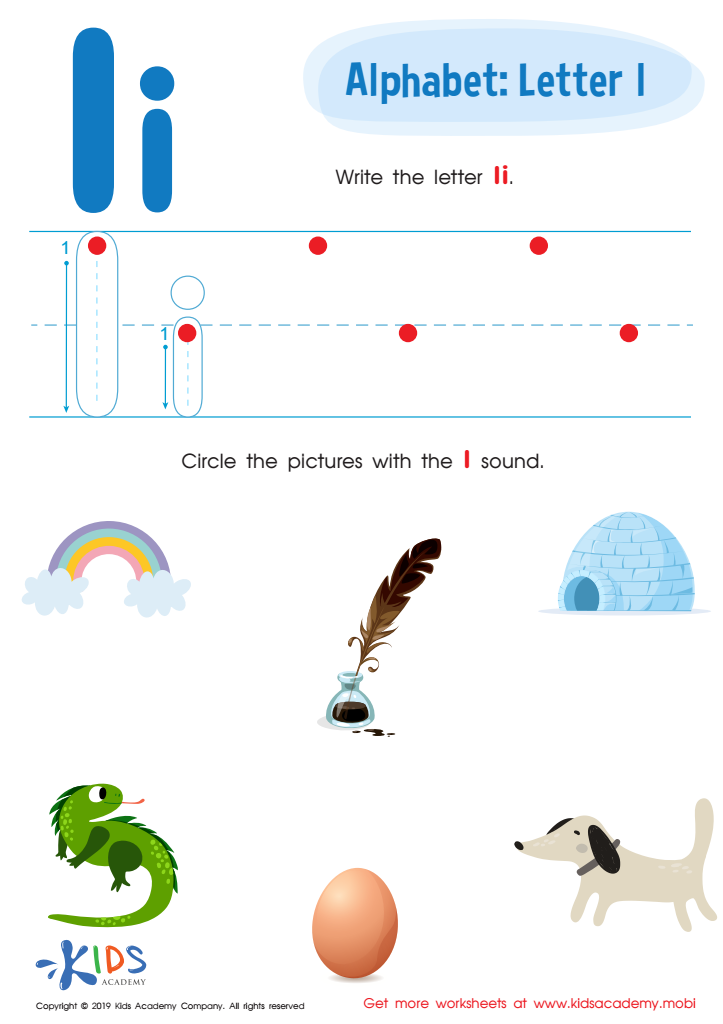
Letter I Tracing Worksheet
Kids can hone tracing, writing and identifying skills for the letter 'I' with this worksheet. Whether visual or reading/writing learners, every child can benefit from the tasks - tracing, writing and circling objects beginning with 'I'. This free sheet will soon get preschoolers confident with the 'I' letter!
Letter I Tracing Worksheet
Worksheet
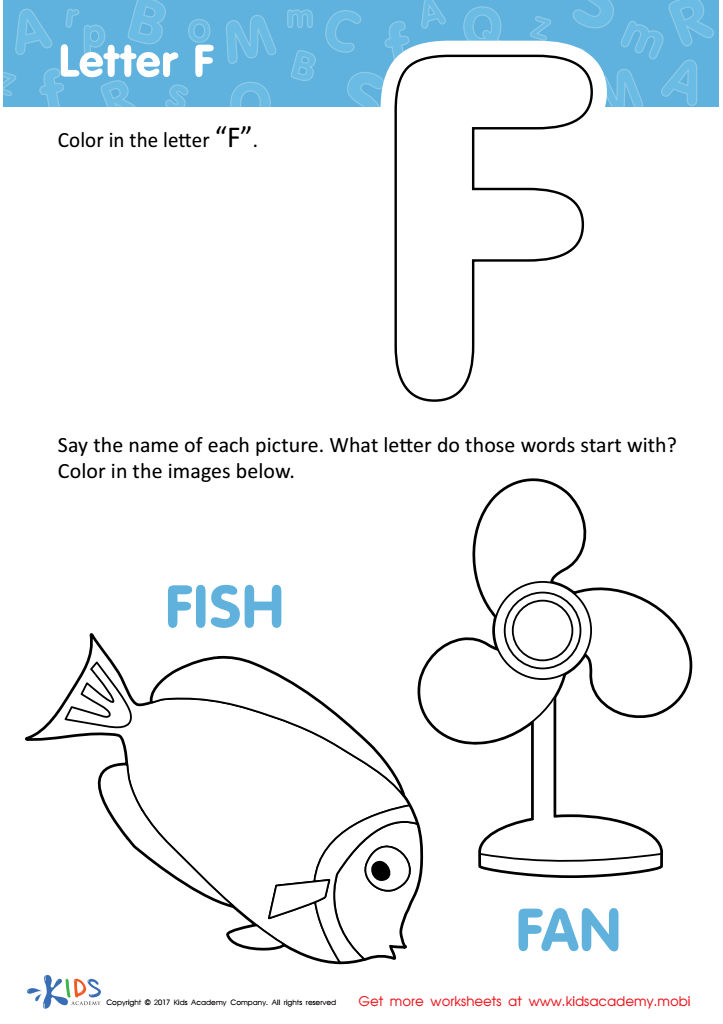
Letter F Coloring Sheet
Coloring pages help kids learn to recognize letters and sounds. Our "F" page has kids color a fish and a fan. It's a great way to introduce them to the letter "F" using words they already know.
Download (PDF)
 Assign to My Students
Assign to My Students
Letter F Coloring Sheet
Worksheet
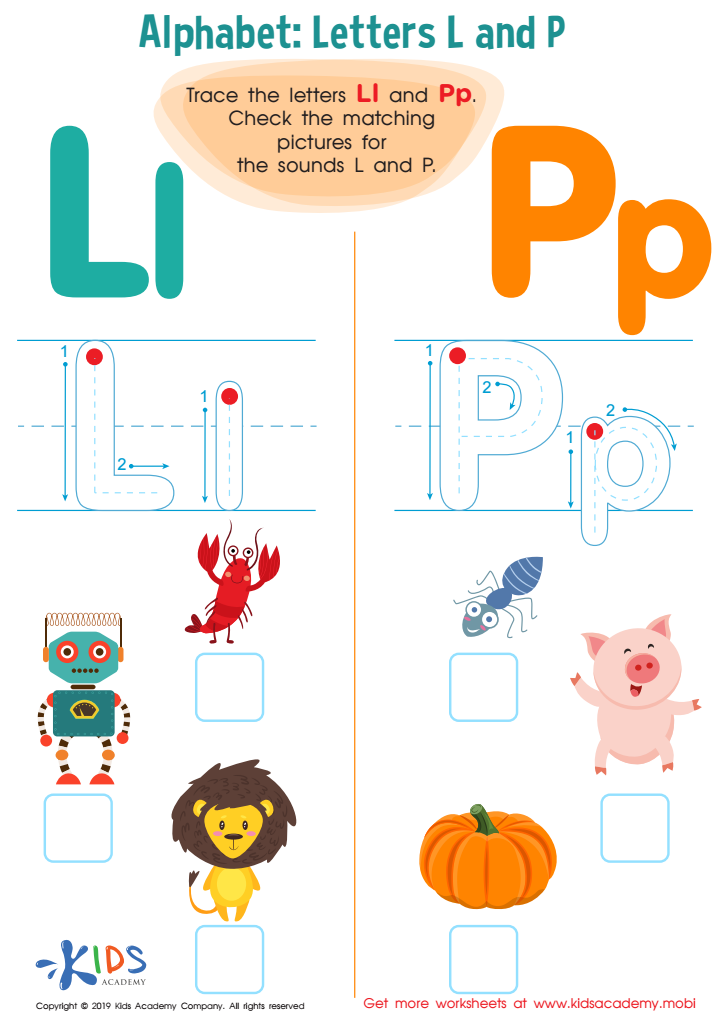
Letter L and P Tracing Worksheet
This traceable worksheet can motivate your students to learn and practice core skills. They'll trace the letters 'L' and 'P' and identify the pictures next to them. With this exercise, they'll unlock their learning abilities and excel in the subject!
Letter L and P Tracing Worksheet
Worksheet
Join Kids Academy for Free
Who is primarily going to use this learning content?



.jpg)




Letter tracing practice is a fundamental activity that benefits 7-year-olds in several critical ways, making it a priority for parents and teachers. At this developmental stage, children are honing their fine motor skills, which are essential for tasks like writing, drawing, and even tying shoelaces. Tracing letters provides an excellent opportunity to strengthen these muscles in their fingers and hands, leading to better dexterity and control.
By practicing letter tracing, children also reinforce their ability to recognize both uppercase and lowercase letters. Recognition is a crucial foundational skill for reading and writing fluency. As children trace, they engage in a multi-sensory learning experience, which research shows can improve memory retention. This combines the tactile feeling of writing, visual recognition of letters, and sometimes even auditory feedback when letters are practiced verbally.
Additionally, letter tracing helps instill a sense of structure and discipline in young learners. It teaches them the correct formation of letters, reducing bad habits in writing development and paving the way for legible handwriting, an important skill throughout their academic and adult lives.
Given these critical developmental benefits, teachers and parents should prioritize letter-tracing practice to support children’s overall literacy and fine motor skills, setting a strong foundation for future educational success.







