Motor skills development Alphabet Worksheets for 7-Year-Olds
5 filtered results
-
From - To
Boost your child's motor skills and alphabet recognition with our engaging Motor Skills Development Alphabet Worksheets for 7-year-olds. Designed to enhance fine motor abilities while learning letters, these worksheets combine fun activities like tracing, matching, and coloring. They promote hand-eye coordination, grip strength, and dexterity while fostering a love for learning. Easy to print and perfect for home or classroom use, each worksheet encourages independent practice and reinforces letter recognition. Watch as your child gains confidence in their writing and academic skills through playful learning experiences. Start the journey to seamless skill development today with our thoughtfully crafted worksheets!

Letter H Tracing Page
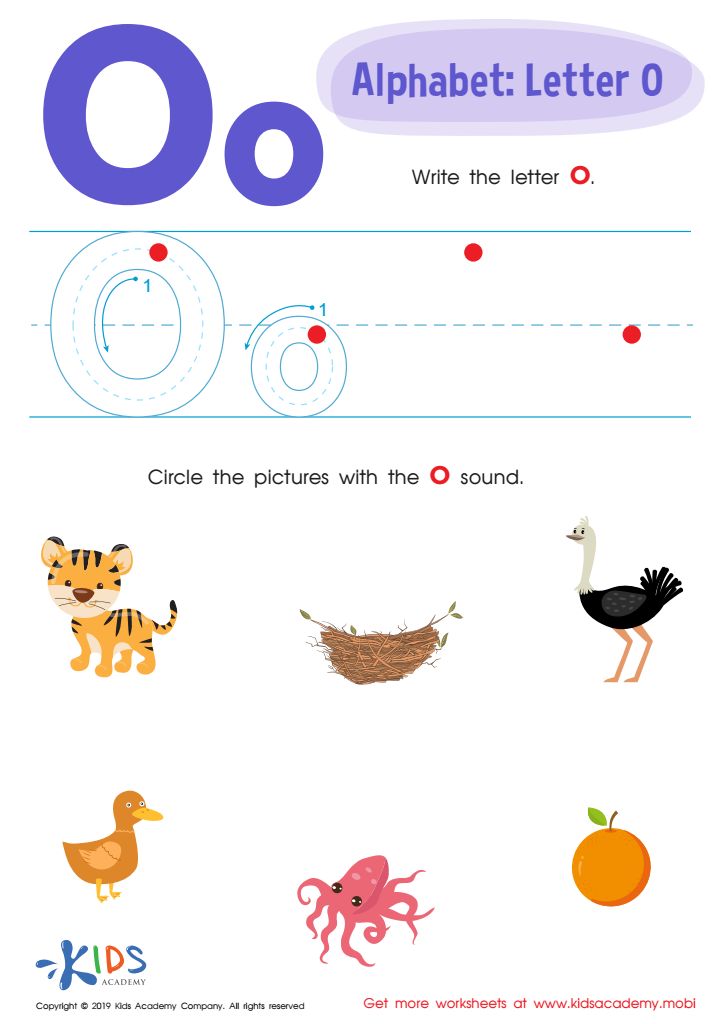
Letter O Tracing Worksheet
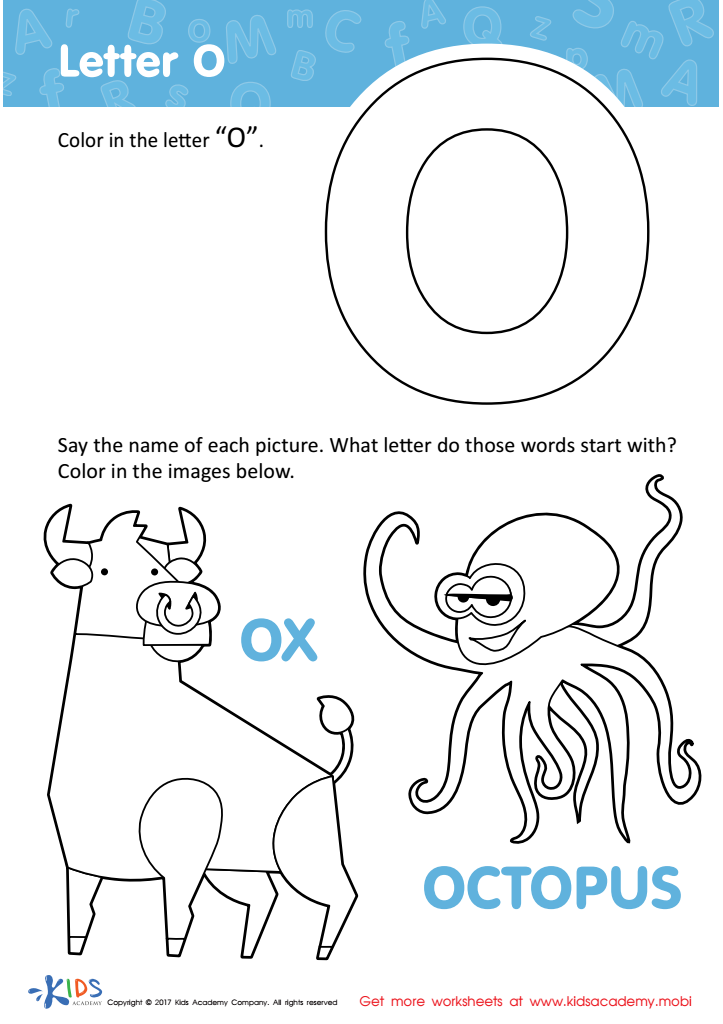
Letter O Coloring Sheet
 Assign to My Students
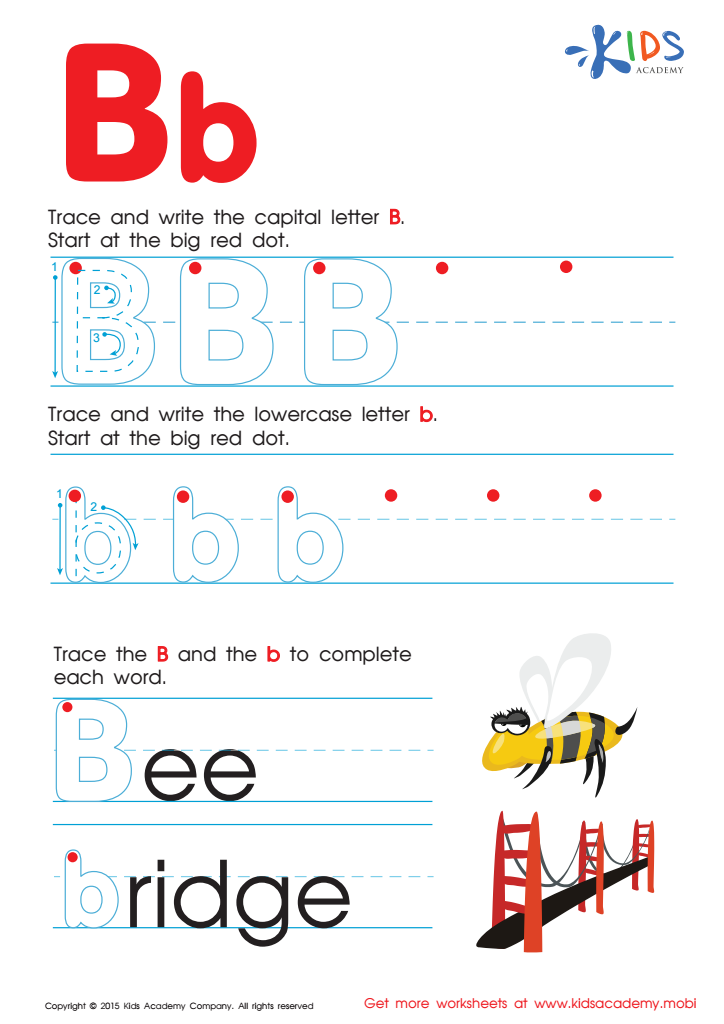
Letter B Tracing Page
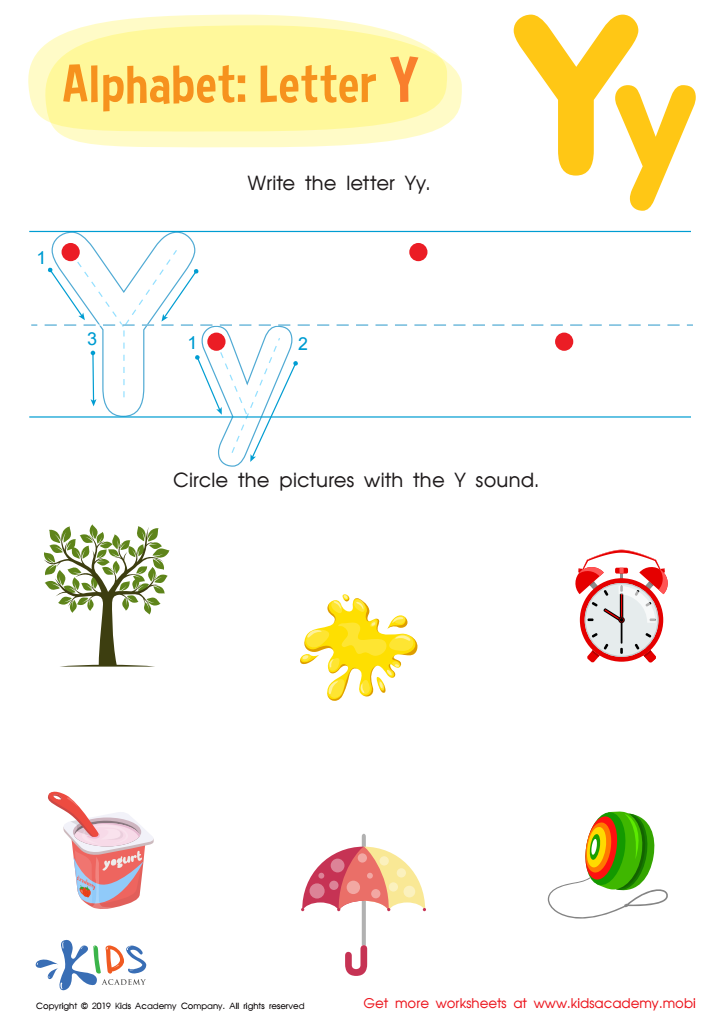
Letter Y Tracing Worksheet






Motor skills development is crucial for 7-year-olds as it significantly impacts their overall growth, learning, and daily functioning. At this age, children refine both fine and gross motor skills, which are essential for tasks such as writing, tying shoelaces, playing sports, and engaging in social activities. Parents and teachers should prioritize this development as it lays the groundwork for academic success and physical health.
Strong motor skills enhance a child's ability to learn and develop cognitive abilities. For instance, fine motor skills are used in writing and drawing, which helps with literacy and creativity. Gross motor skills aid in physical education and recreational activities, promoting teamwork and communication among peers.
Moreover, proficient motor skills can boost a child's self-esteem and confidence. Mastering these skills allows children to participate in age-appropriate activities, fostering social interactions and friendships. Lack of motor skills can lead to challenges in school and social environments, potentially resulting in frustration or decreased motivation.
In summary, a focus on motor skills development at this age is essential for fostering a child's confidence, independence, and readiness for future challenges. By nurturing these skills, parents and teachers equip children for lifelong learning and healthier lifestyles.







