Motor skills development Letter Recognition Worksheets for 7-Year-Olds
5 filtered results
-
From - To
Enhance your 7-year-old's motor skills and letter recognition with our engaging worksheets! Designed specifically for young learners, these activities promote fine motor development while introducing them to the alphabet. Through fun and interactive exercises, children will practice their handwriting and improve hand-eye coordination as they trace and recognize letters. Our worksheets are crafted to captivate their interest, providing the perfect blend of learning and play. By incorporating motor skills development into letter recognition exercises, your child will build a strong foundation for reading and writing. Explore our collection to make learning a joyful journey for your 7-year-old!
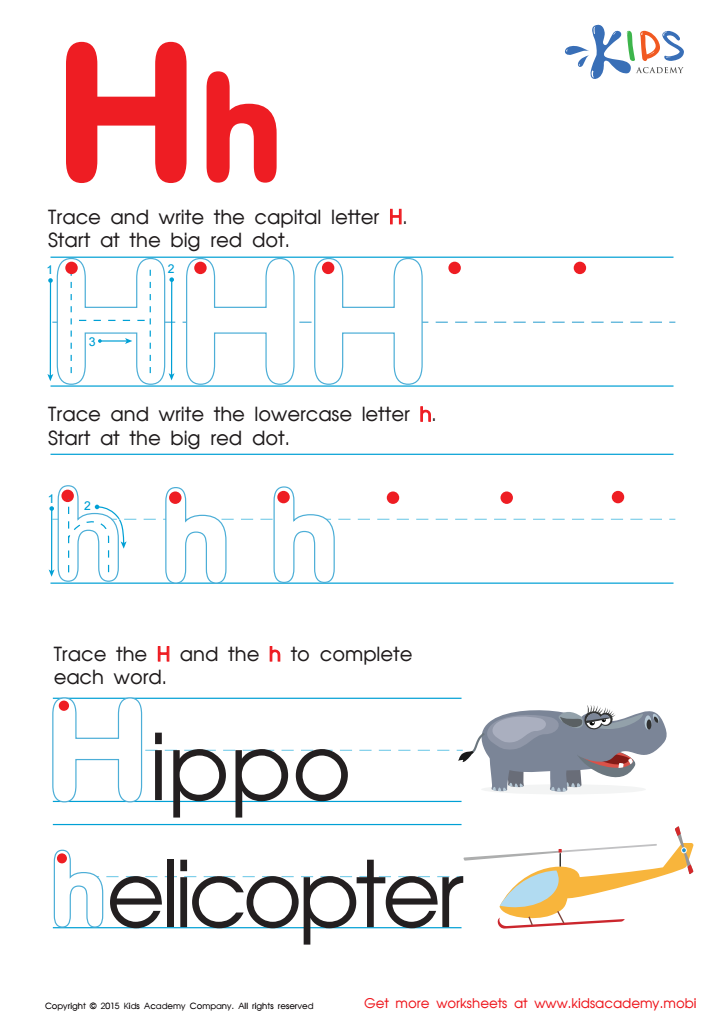
Letter H Tracing Page
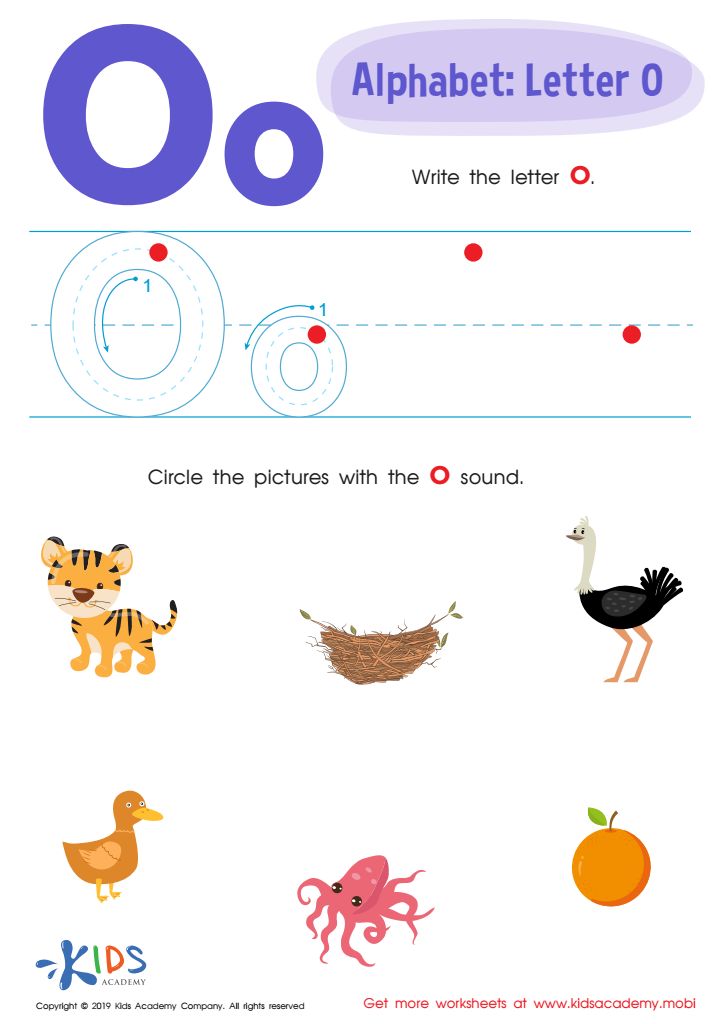
Letter O Tracing Worksheet
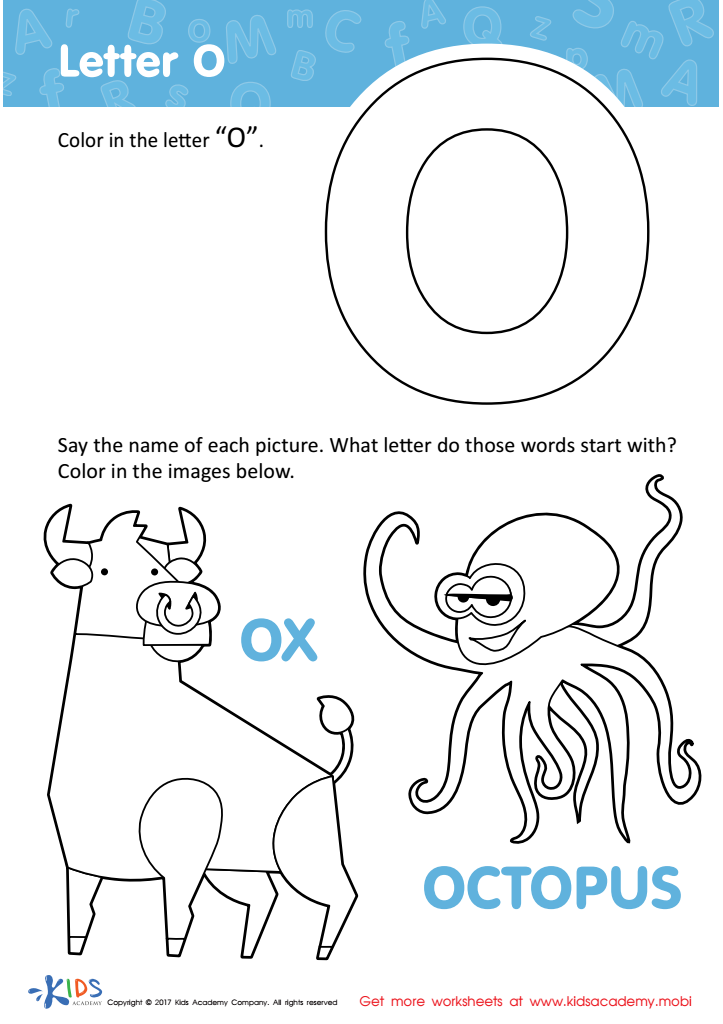
Letter O Coloring Sheet
 Assign to My Students
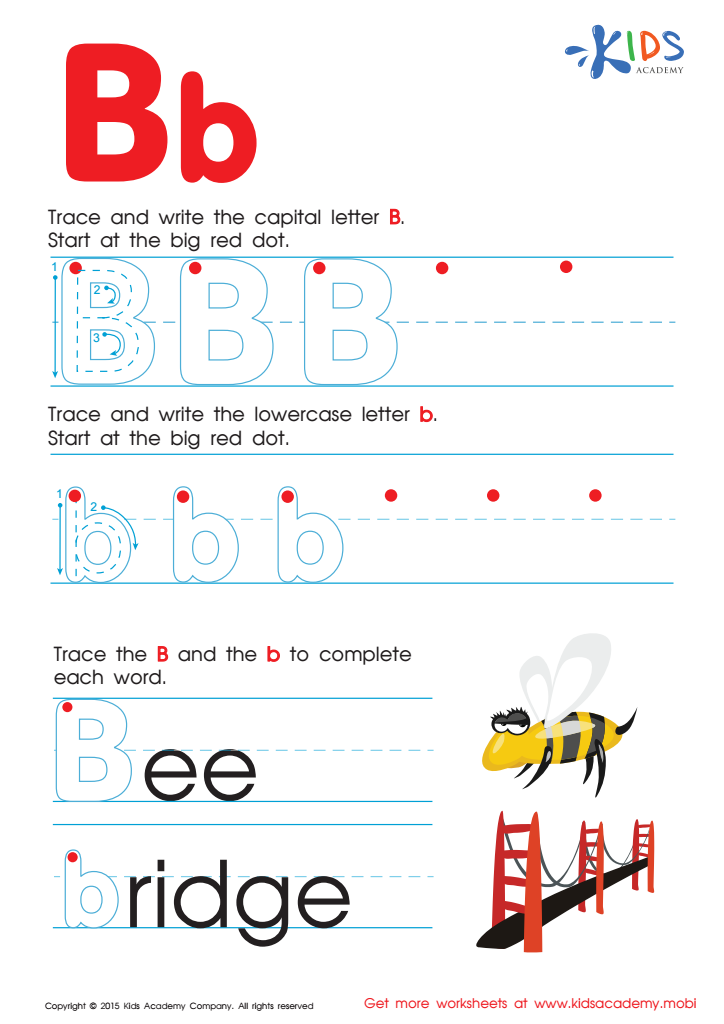
Letter B Tracing Page
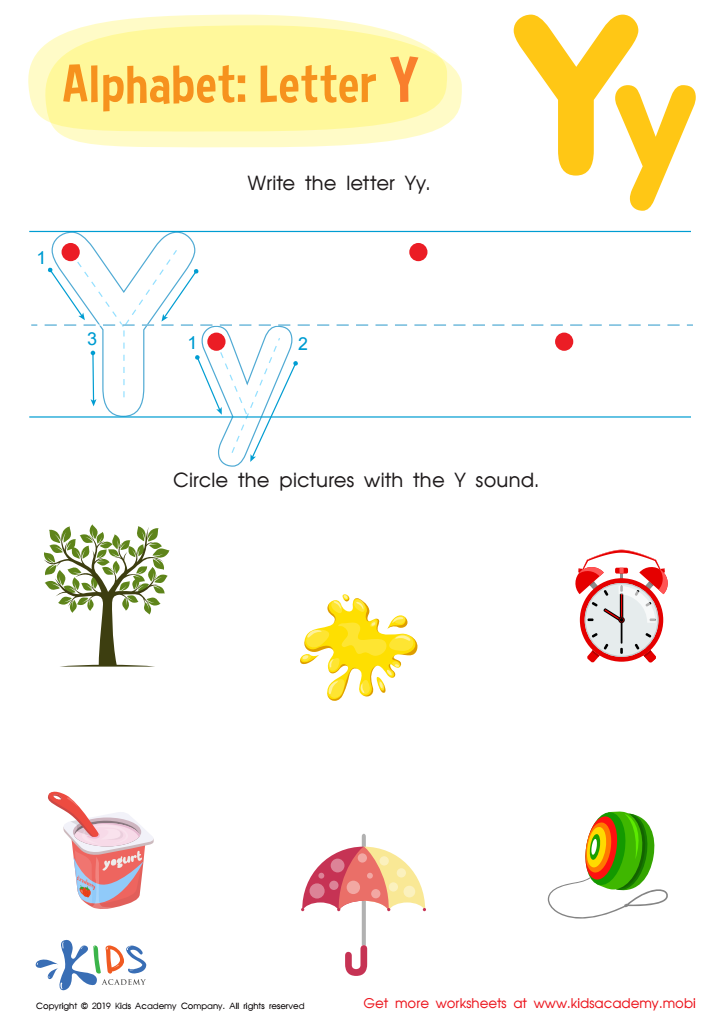
Letter Y Tracing Worksheet








Motor skills development and letter recognition are crucial components of a 7-year-old's early education. At this age, children are transitioning from foundational literacy to more advanced reading and writing skills. Well-developed fine motor skills enable them to write letters clearly, which impacts their ability to convey ideas and communicate effectively. Consequently, parents and teachers should prioritize activities that strengthen hand-eye coordination, dexterity, and control.
Letter recognition plays a vital role as it forms the backbone of reading proficiency. When children can easily identify letters, they can better understand phonetics and begin to decode words, leading to improved reading fluency. This, in turn, enhances their overall academic performance and encourages a love of learning.
Moreover, competence in these areas fosters self-esteem and confidence in children. Struggling with writing or reading due to motor skill challenges or poor letter recognition can lead to frustration and a negative attitude toward school. By providing supportive learning environments and incorporating fun, engaging activities that enhance motor skills and literacy, parents and teachers can create a robust foundation for lifelong learning and communication skills in their children, setting them up for success in both academic and social realms.







