Letter-sound association Tracing Letters Worksheets for 7-Year-Olds
4 filtered results
-
From - To
Enhance your 7-year-old’s reading and writing skills with our Letter-Sound Association Tracing Letters Worksheets. These engaging printables offer a fun and structured way for children to practice tracing letters while reinforcing the connection between letters and their sounds. By focusing on both uppercase and lowercase alphabets, the worksheets help solidify early literacy foundations essential for fluent reading. Each activity is designed to boost fine motor skills, phonemic awareness, and confidence in young learners. Perfect for both classroom and home use, these worksheets make learning an enjoyable adventure for all budding readers and writers.
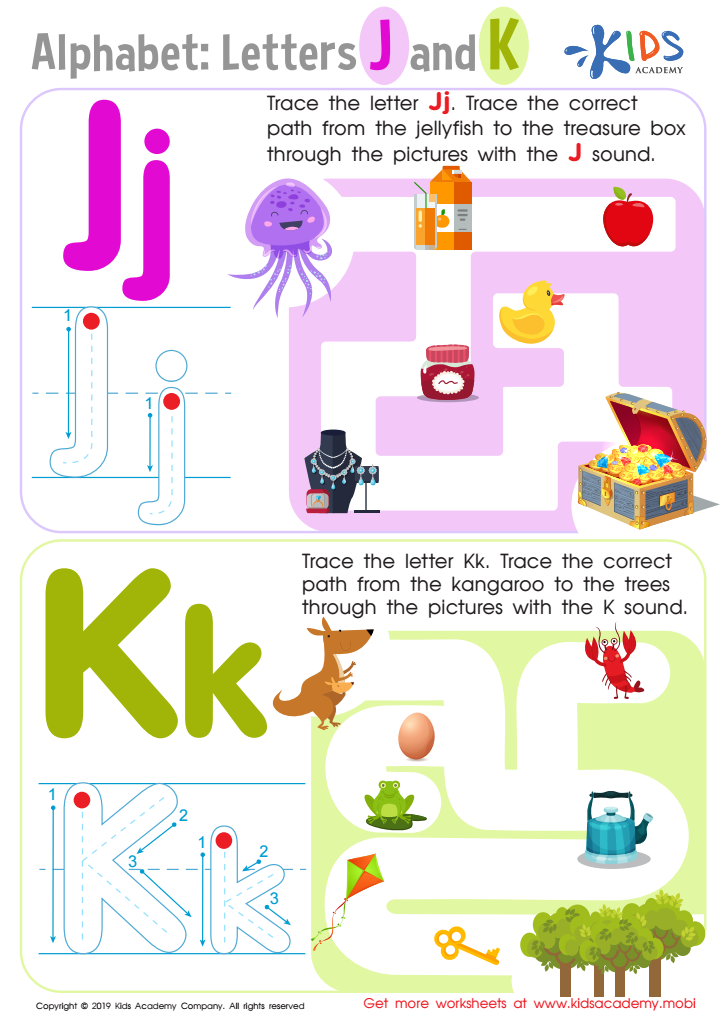
Letters J and K Tracing Worksheet
 Assign to My Students
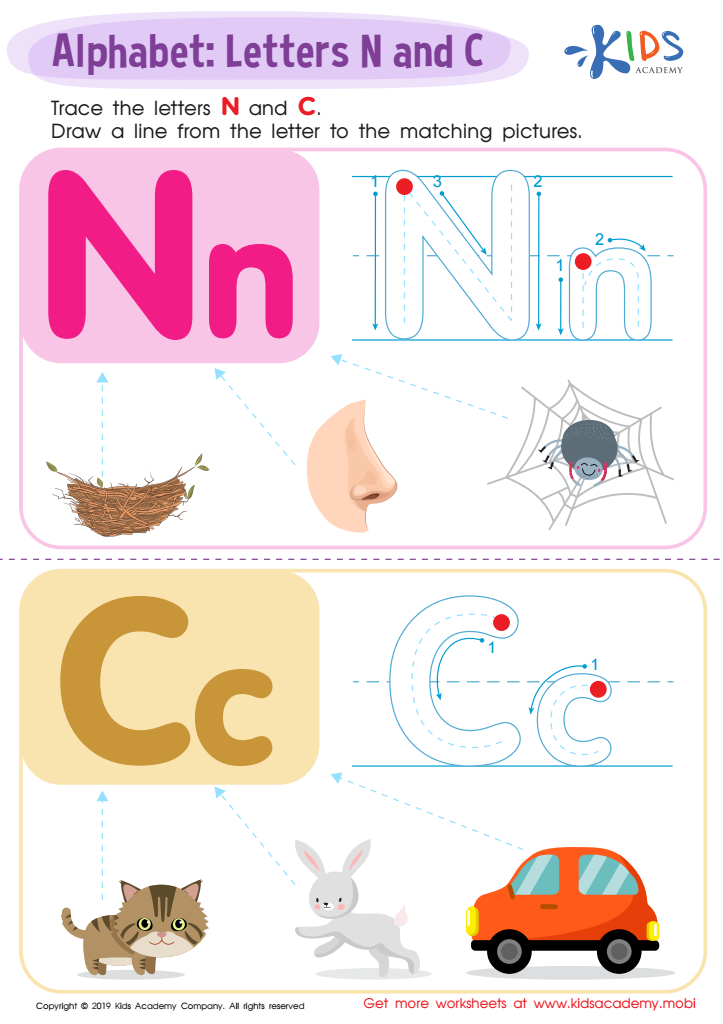
Letter N and C Tracing Worksheet
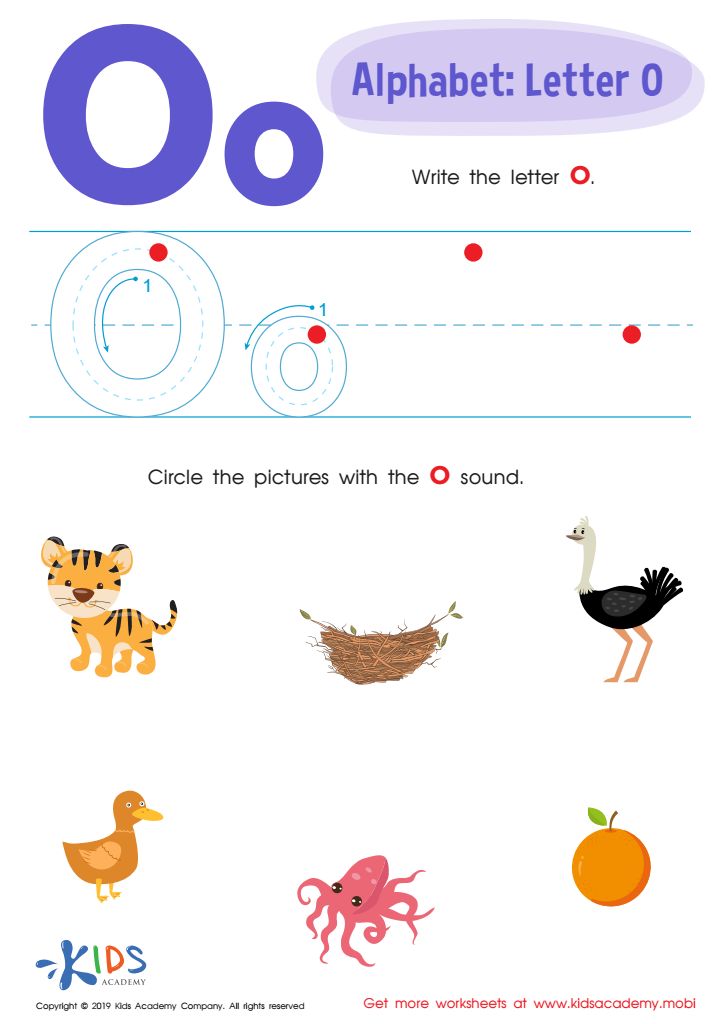
Letter O Tracing Worksheet
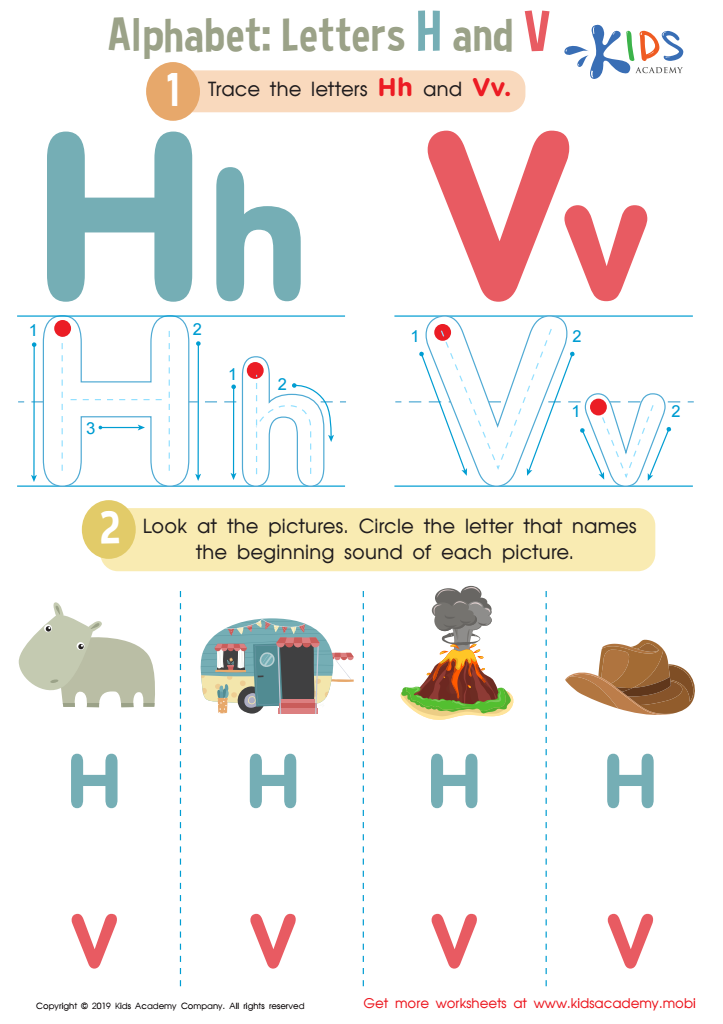
Letters H and V Tracing Worksheet








Letter-sound association and tracing letters are foundational skills essential for 7-year-olds as they form the building blocks of literacy. At this developmental stage, children are transitioning from recognizing letters to reading and writing words. Understanding letter-sound associations enables kids to decode new words, fostering reading fluency and comprehension. This skill is crucial for developing confidence in reading, which is essential for all future learning.
Tracing letters, on the other hand, strengthens fine motor skills and reinforces the brain’s connection between the visual symbol of a letter and its sound. This multi-sensory activity engages different learning pathways in the brain, making it easier for children to remember and retrieve this information. Additionally, the tactile feedback from tracing enhances children’s ability to differentiate between letters, which is vital for accurate reading and writing.
For parents and teachers, focusing on these skills means laying a strong literacy foundation. Early literacy skills are predictive of later academic success, so emphasizing letter-sound association and tracing letters at age 7 sets the stage for proficient reading and writing in later grades. Essentially, these activities not just build educational skills but also cultivate a love for learning, an inquisitive mind, and confidence in young children.








