Comparing Fractions Worksheets for 7-Year-Olds
108 filtered results
-
From - To
Unlock the fundamentals of math with our engaging "Comparing Fractions Worksheets for 7-Year-Olds"! These specially designed worksheets help young learners grasp the concept of fractions easily. With colorful visuals and interactive activities, children can compare different fractions through a variety of exercises, including numbers and visual representations. Tailored to enhance critical thinking and problem-solving skills, these worksheets offer practice with greater, lesser, and equal fractions. Perfect for home or classroom use, they provide the ideal support for your child’s learning journey. Download now and watch your little one become confident in comparing fractions while enjoying the learning process!
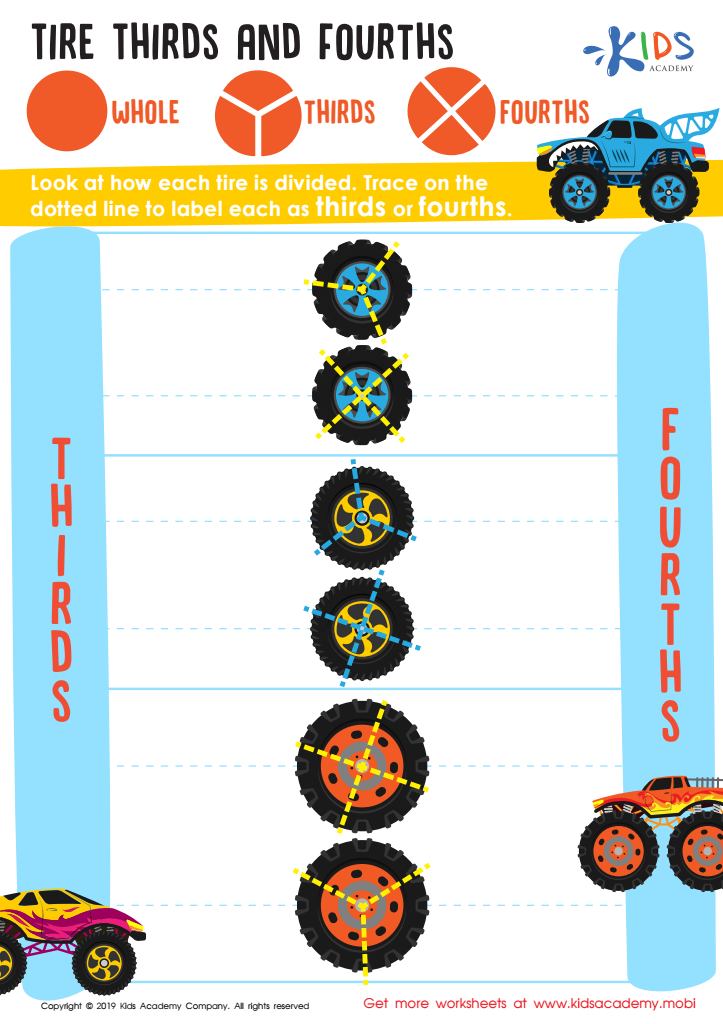
Tire Thirds and Fourths Worksheet
 Assign to My Students
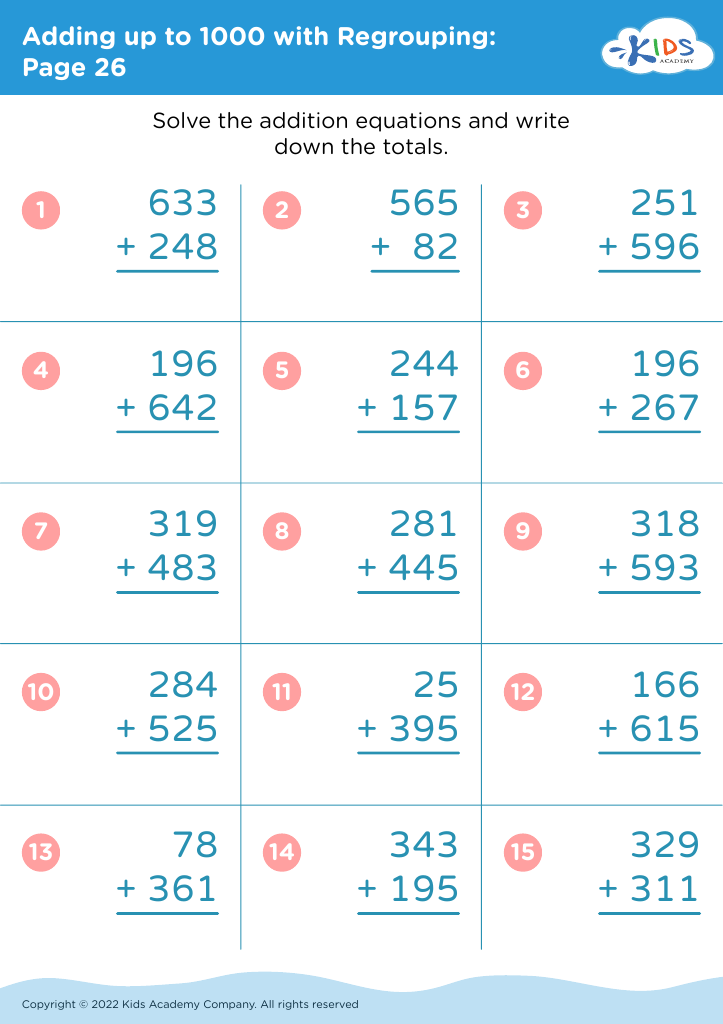
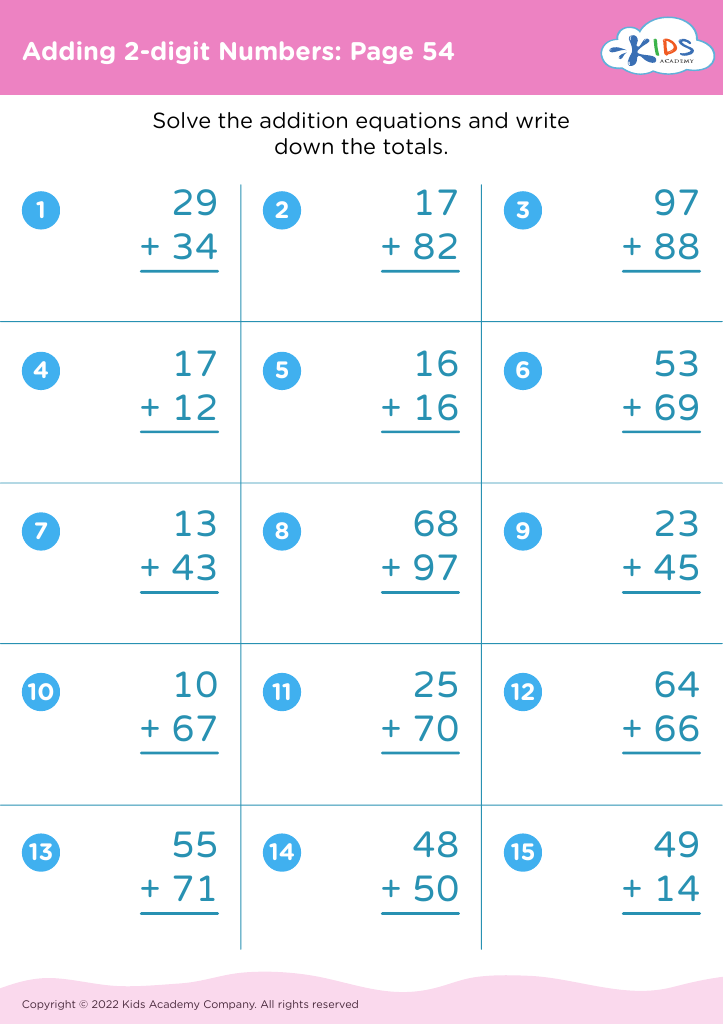
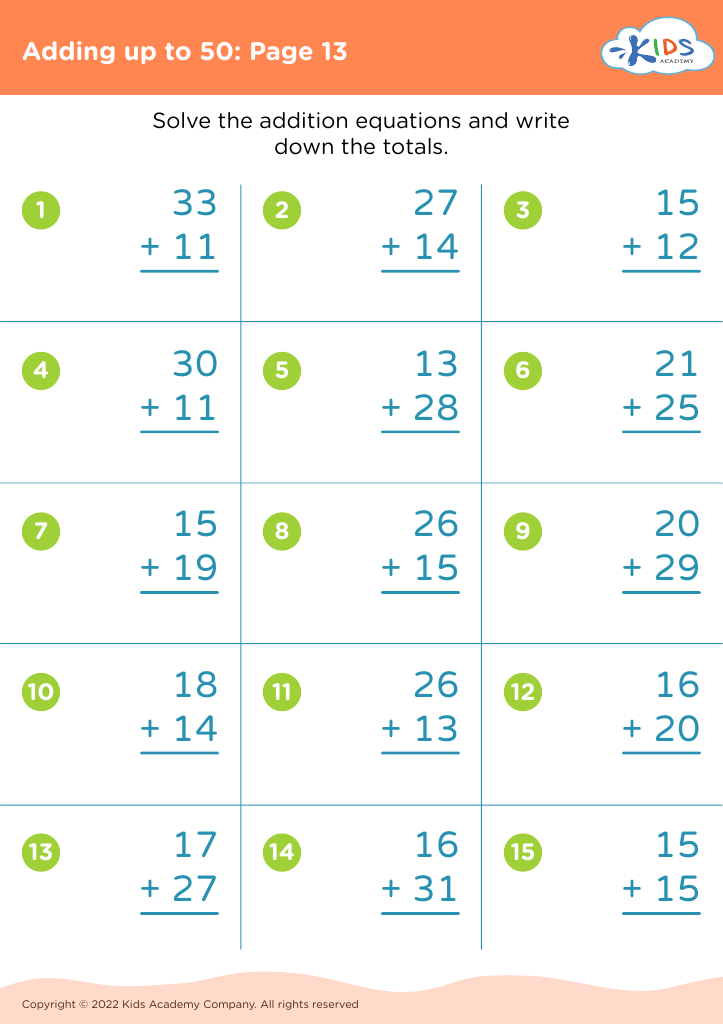
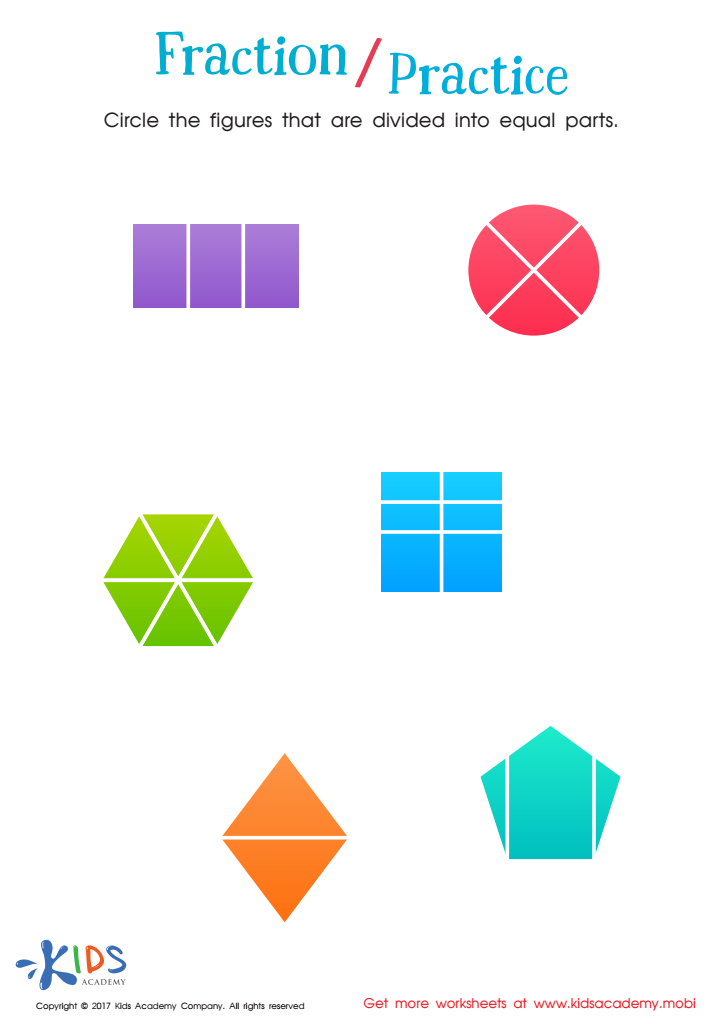
Fractions: Shapes Worksheet
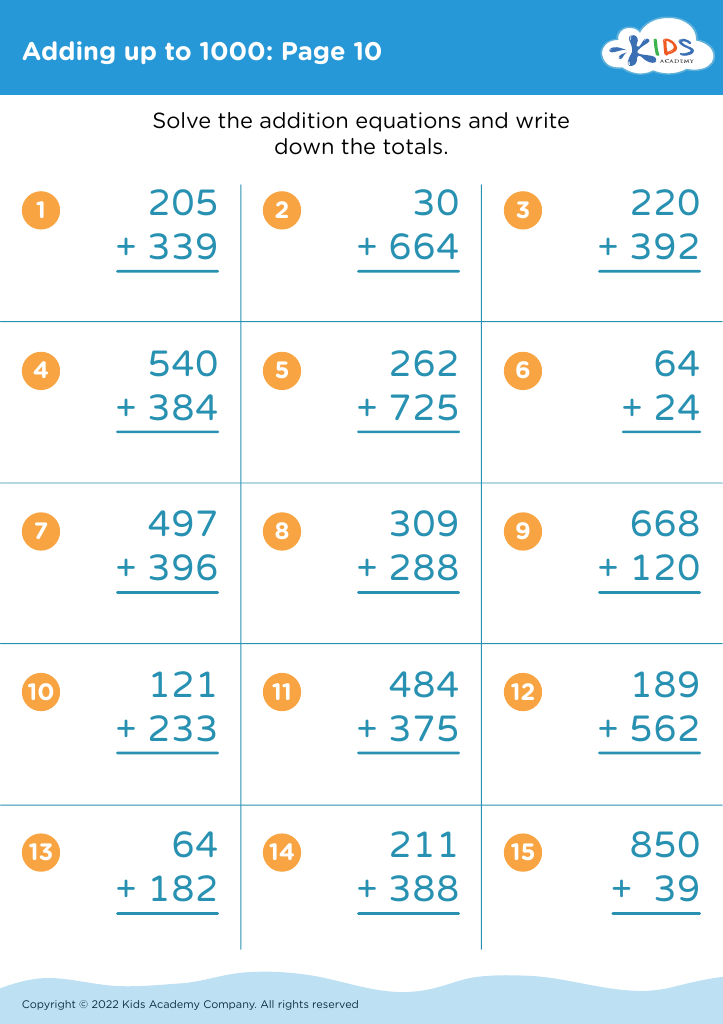
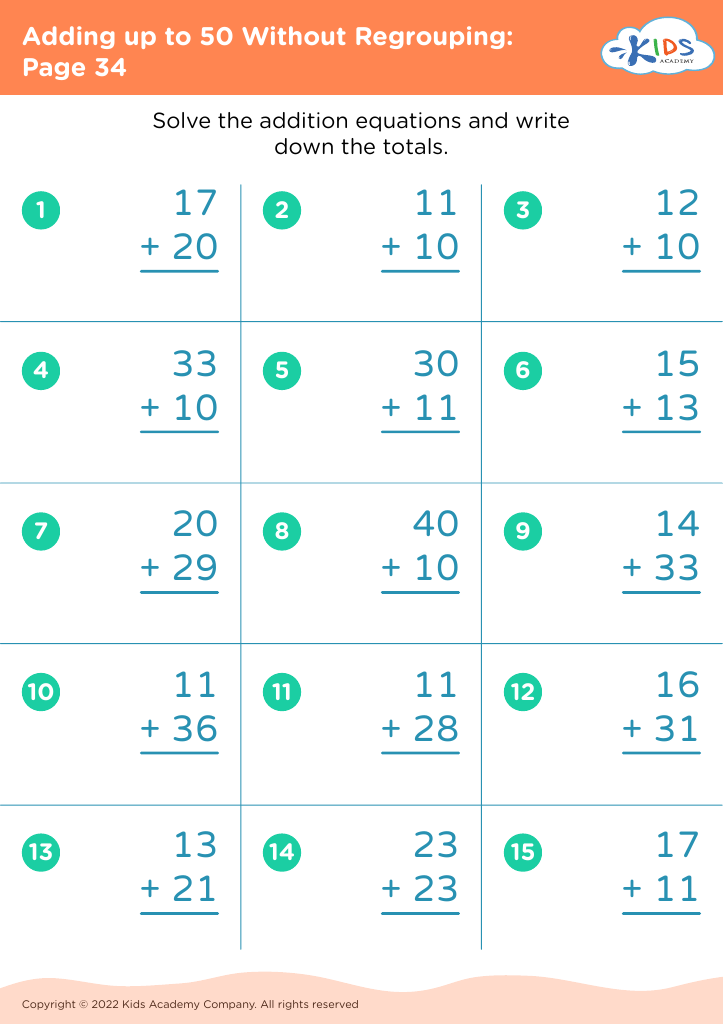
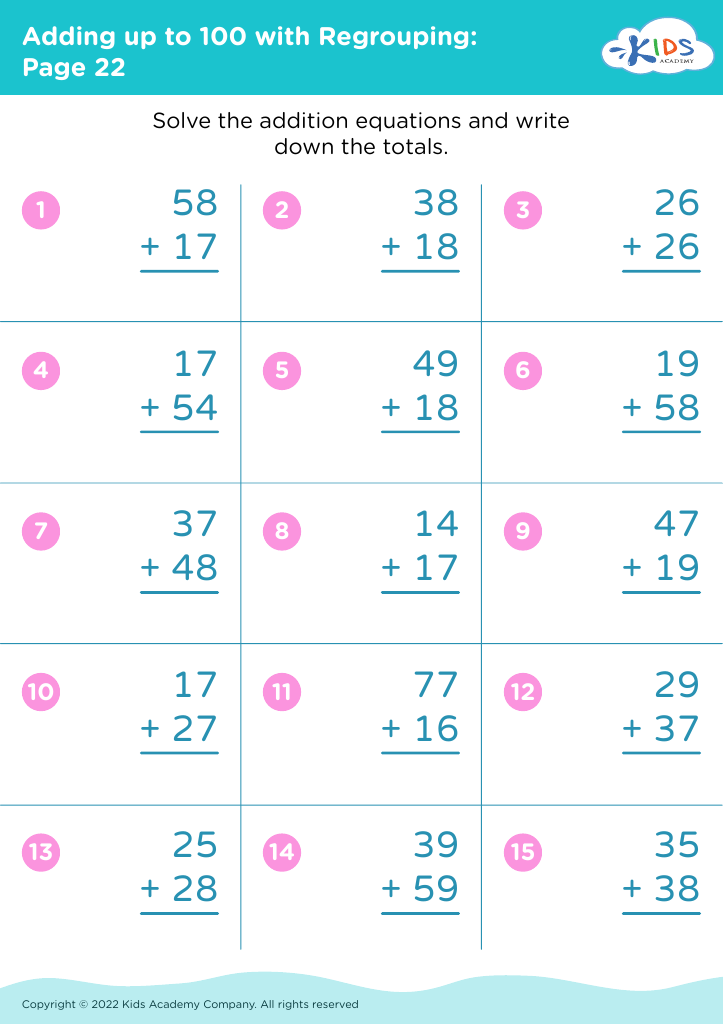
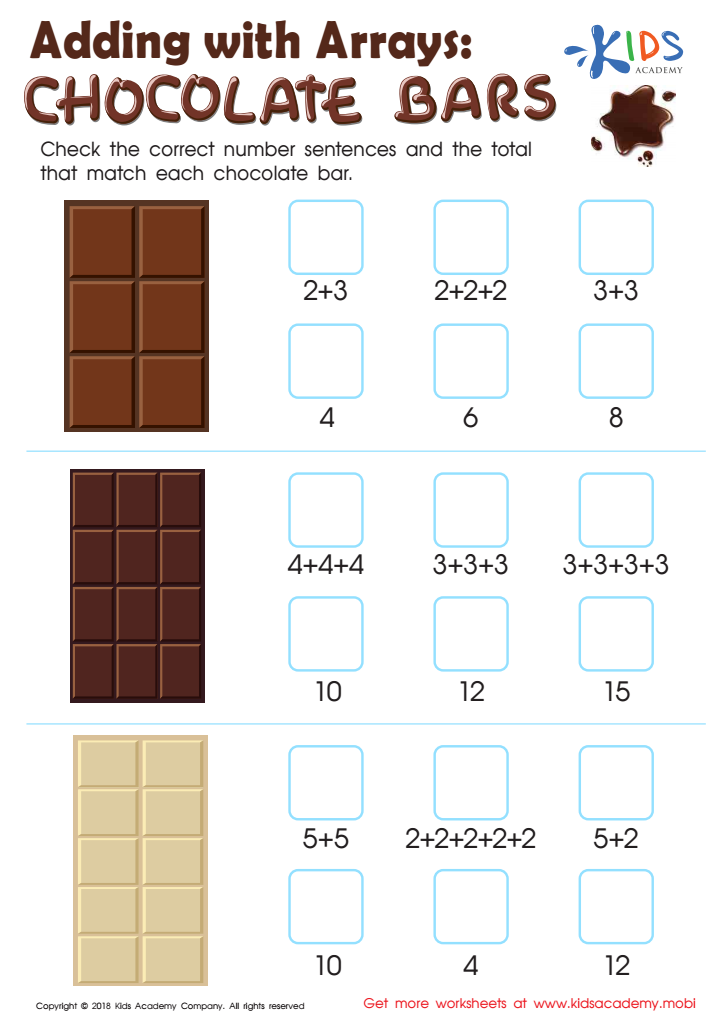
Adding with Arrays: Chocolate Bars Worksheet





Understanding how to compare fractions is an essential skill for 7-year-olds, and parents or teachers should prioritize this learning for several reasons.
First, comparing fractions lays the groundwork for mathematical reasoning. It encourages children to develop critical thinking skills as they learn to evaluate sizes, quantity, and value. For instance, distinguishing between which is larger, 1/4 or 1/2, enhances their ability to make informed decisions, which is a skill that extends into real-life scenarios.
Second, mastering fraction comparison helps children grasp more complex mathematical concepts in the future, such as addition, subtraction, and even algebra. Early exposure to fractions makes transitioning into these topics smoother and less intimidating.
Additionally, understanding fractions is fundamental in everyday life—whether they’re sharing pizza slices or measuring ingredients for a recipe. When children can compare fractions, they acknowledge their significance in real-world applications, which enhances the practicality of math education.
Finally, encouraging fraction comparison fosters resilience in problem-solving when children face challenging tasks. Supporting this skill not only contributes to their academic growth but also boosts confidence, promoting a positive attitude toward learning math. For these reasons, both parents and teachers play an essential role in guiding children through this foundational mathematical concept.








