Counting money Worksheets for 7-Year-Olds
3 filtered results
-
From - To
Welcome to our "Counting Money Worksheets for 7-Year-Olds"! These engaging and interactive worksheets are designed to help young learners develop essential money counting skills. Each activity introduces various coins and bills, encouraging children to recognize, add, and compare values. With colorful images and fun exercises, our worksheets make learning about money enjoyable and effective. Perfect for classroom or home practice, these resources aim to build confidence in financial literacy from an early age. Help your child master counting money while enhancing their math skills with our comprehensive collection of worksheets. Start their journey toward money management today!
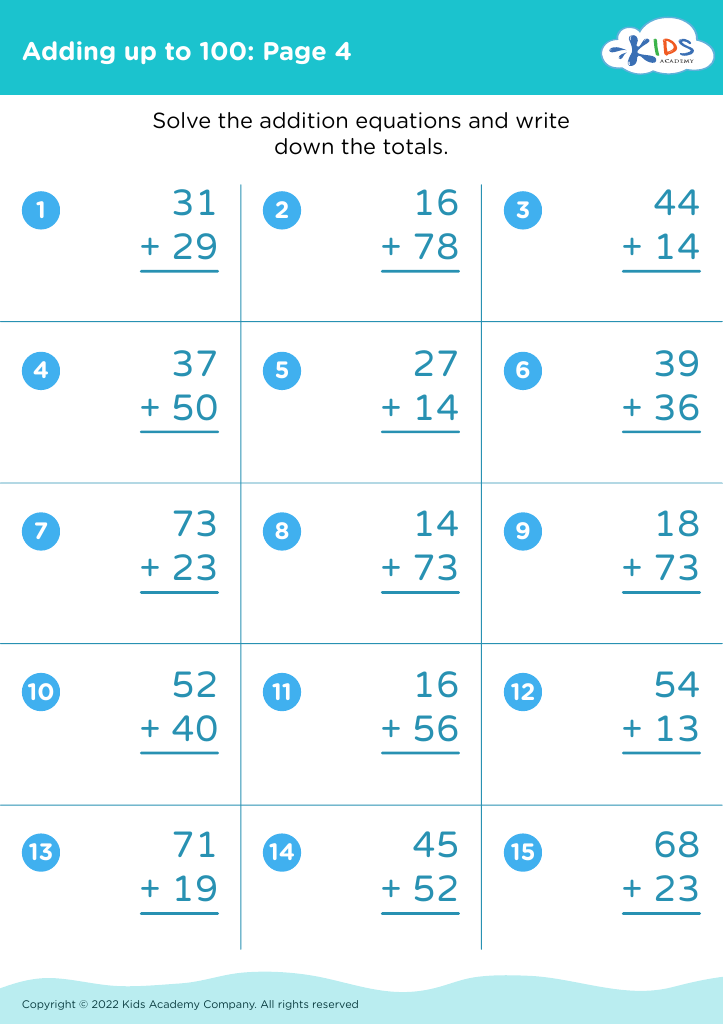
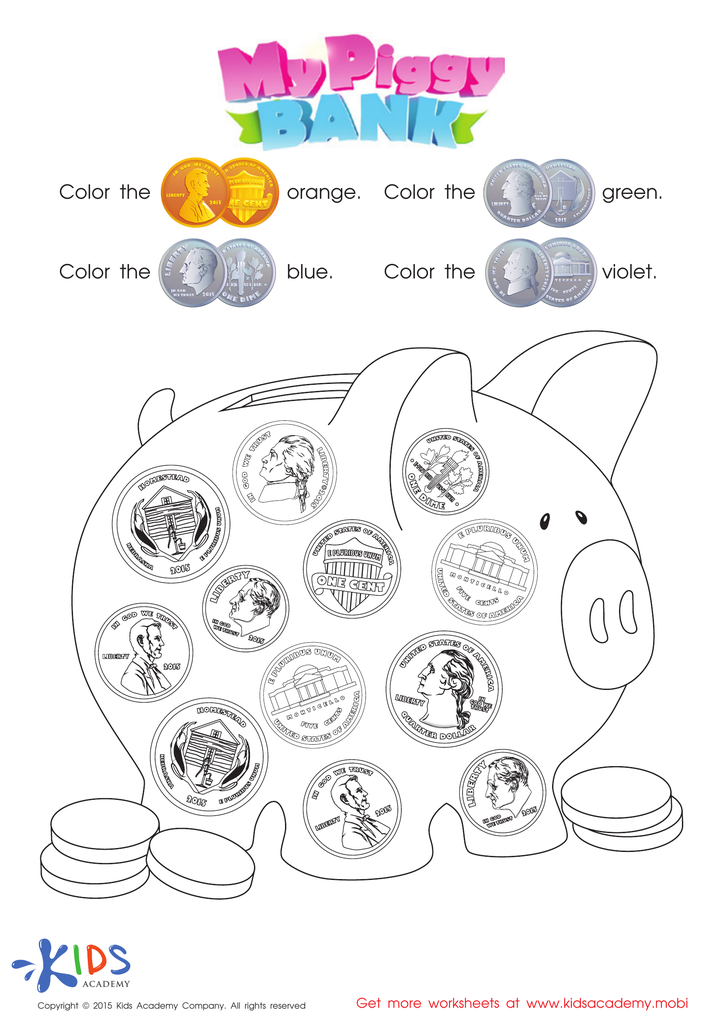
Recognizing Money Money Worksheet
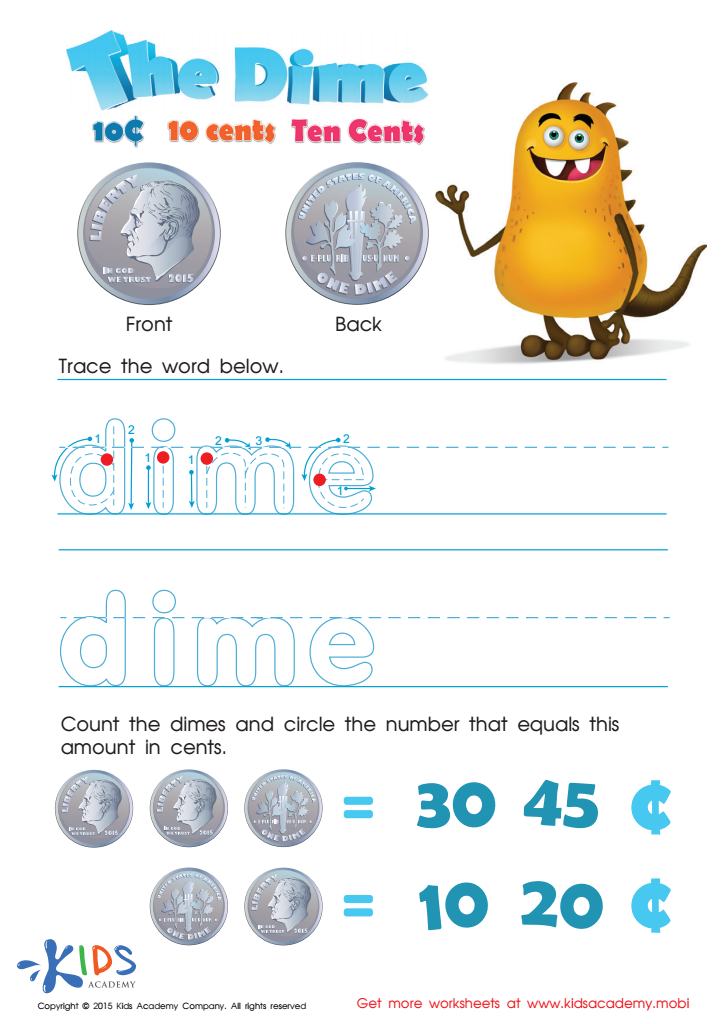
Ten Cents or the Dime Money Worksheet
 Assign to My Students







Teaching 7-year-olds to count money is crucial for several reasons. First, it equips them with essential life skills they will use throughout their lives. Understanding money early on helps children grasp the value of goods and services, fostering financial literacy from a young age. This knowledge aids them in making informed decisions about spending and saving, laying the foundation for responsible financial behavior in adulthood.
Moreover, counting money enhances mathematical skills. It helps children practice basic arithmetic operations, such as addition and subtraction, critical for their overall mathematical development. Through real-life experiences of handling coins and bills, students can also strengthen their problem-solving abilities.
Additionally, learning to manage money boosts confidence and independence. When children learn to budget, save, and strategize their spending, they gain a sense of accomplishment and ownership over their choices. Parents and teachers play a vital role in facilitating these lessons through interactive games, everyday scenarios, and practical experiences.
Lastly, as society evolves, financial literacy becomes increasingly vital. By caring about and teaching money management skills, parents and teachers provide children with the tools they need to navigate future economic landscapes successfully. Ultimately, counting money is more than a task; it’s a stepping stone towards smart financial habits.








