Cultural Understanding Worksheets for 7-Year-Olds
3 filtered results
-
From - To
Explore our engaging and educational Cultural Understanding Worksheets designed specifically for 7-year-olds! These printable resources promote awareness and appreciation of diverse cultures, encouraging children to celebrate differences while fostering empathy and understanding. With fun activities that include identifying cultural symbols, comparing traditions, and exploring global celebrations, these worksheets make learning about the world enjoyable. Perfect for classroom use or at-home activities, they help young learners develop crucial social skills and respect for others. Nurture curiosity and inclusivity in your child with our easy-to-use Cultural Understanding Worksheets and build a foundation for global citizenship.
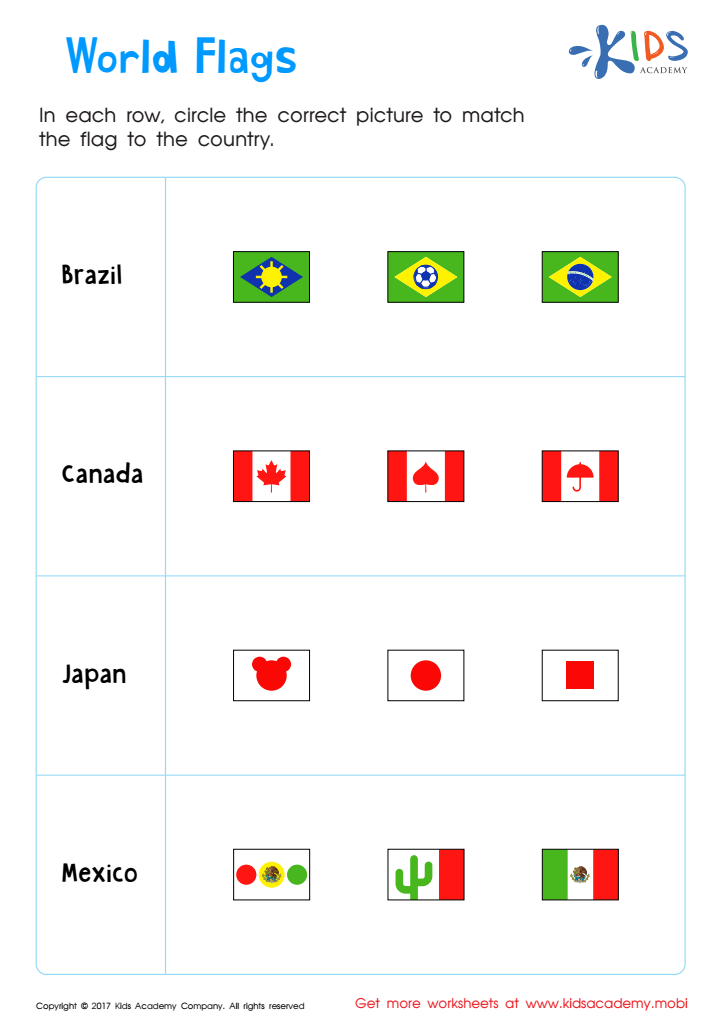
World Flags Printable
 Assign to My Students
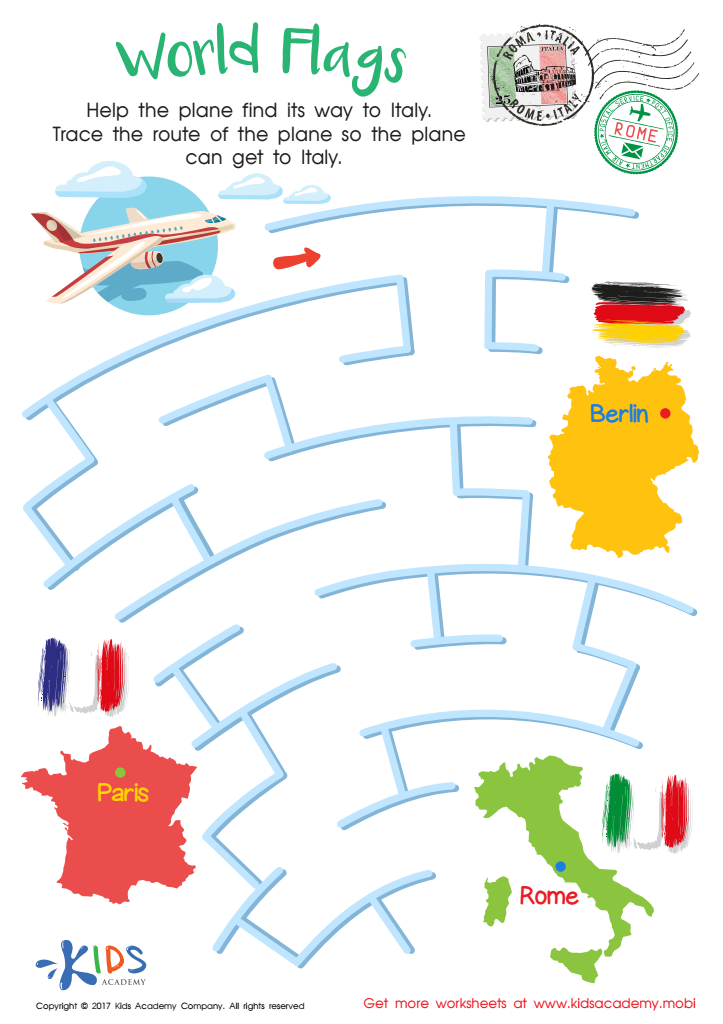
World Flags Maze Worksheet







Cultural understanding is crucial for 7-year-olds as it fosters respect, empathy, and inclusivity. At this age, children are exceptionally curious and sensitive to their environments. Teaching them about different cultures helps to broaden their perspectives, encouraging them to appreciate diversity and recognize the unique qualities of individuals from various backgrounds.
When parents and teachers prioritize cultural understanding, they equip children with essential social skills that promote cooperation and conflict resolution. These skills are vital in a multicultural society where children encounter diverse peers in school and community settings. Understanding cultural differences can help reduce stereotypes and bias, fostering a more harmonious environment.
Additionally, exposure to various cultural traditions, languages, and histories enriches a child's educational experience. It opens doors to creativity and critical thinking and fosters a sense of belonging, making children feel valued in a diverse world.
As role models, parents and teachers play a pivotal role in instilling these values, promoting a climate of acceptance and kindness. Ultimately, nurturing cultural understanding in young children prepares them to become compassionate, knowledgeable citizens who appreciate the rich tapestry of human experience. This investment in their development benefits not only the individuals but society as a whole.








