Develop analytical thinking Worksheets for 7-Year-Olds
4 filtered results
-
From - To
Enhance your 7-year-old's analytical thinking skills with our engaging worksheets! These carefully designed activities encourage critical thinking, problem-solving, and logical reasoning. Our worksheets feature fun puzzles, pattern recognition tasks, and observational exercises that make learning enjoyable. As children navigate through various challenges, they develop essential skills necessary for academic success and everyday situations. Perfect for home practice or classroom integration, these resources adapt to different learning styles and pace. Explore our diverse collection and give your child the tools to think critically and analytically, setting a strong foundation for their educational journey. Start fostering their analytical skills today!
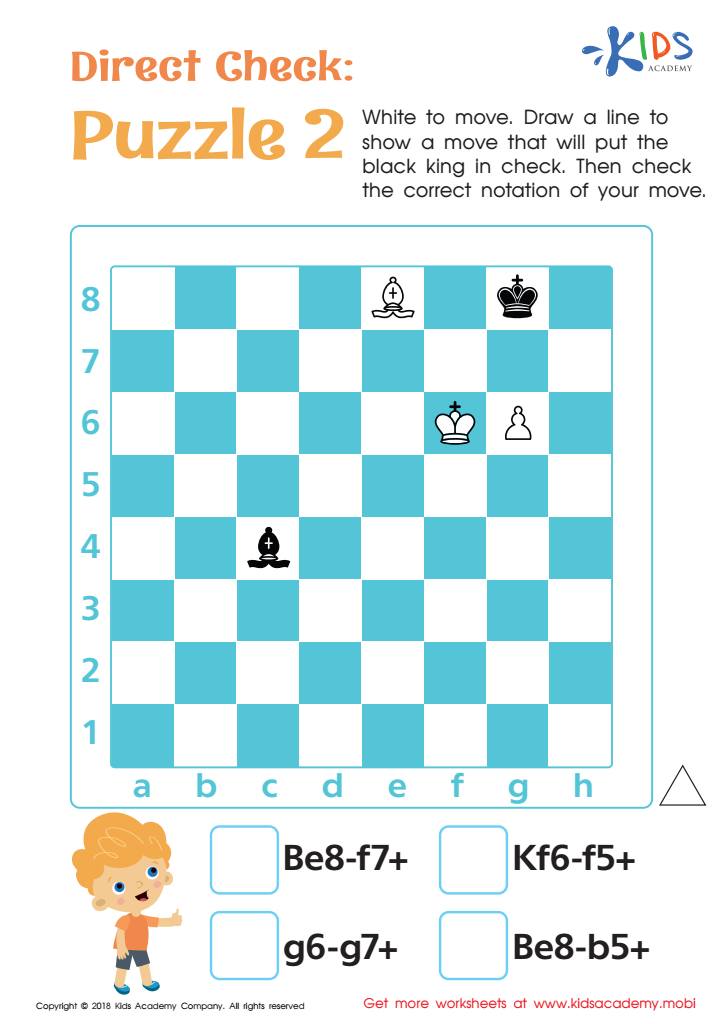
Direct Check: Puzzle 2 Worksheet
 Assign to My Students
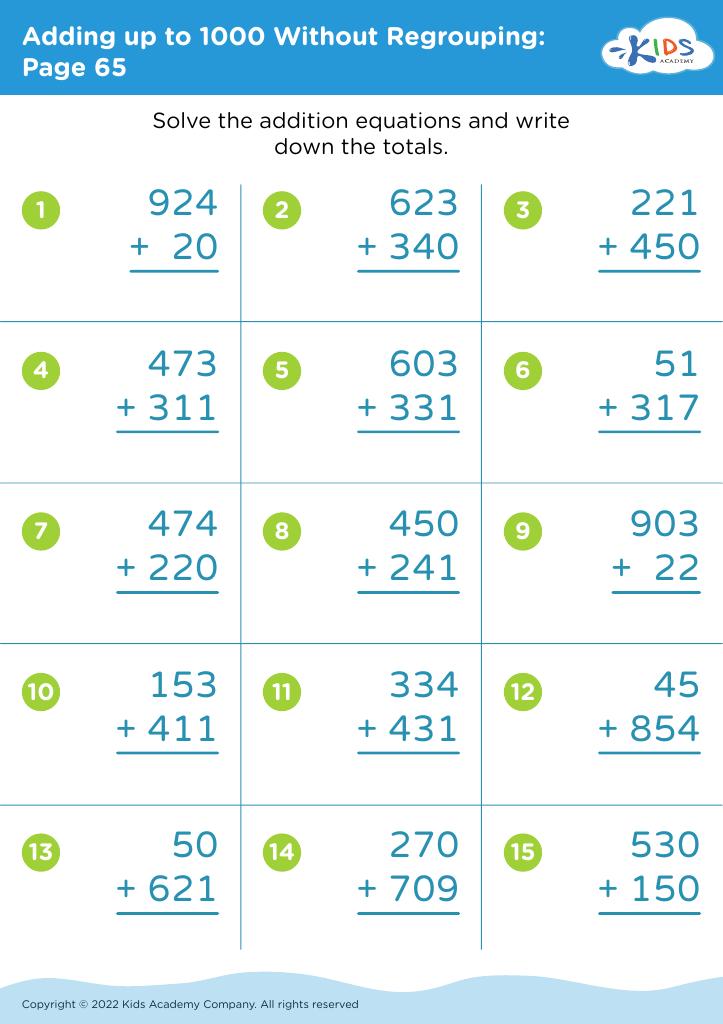
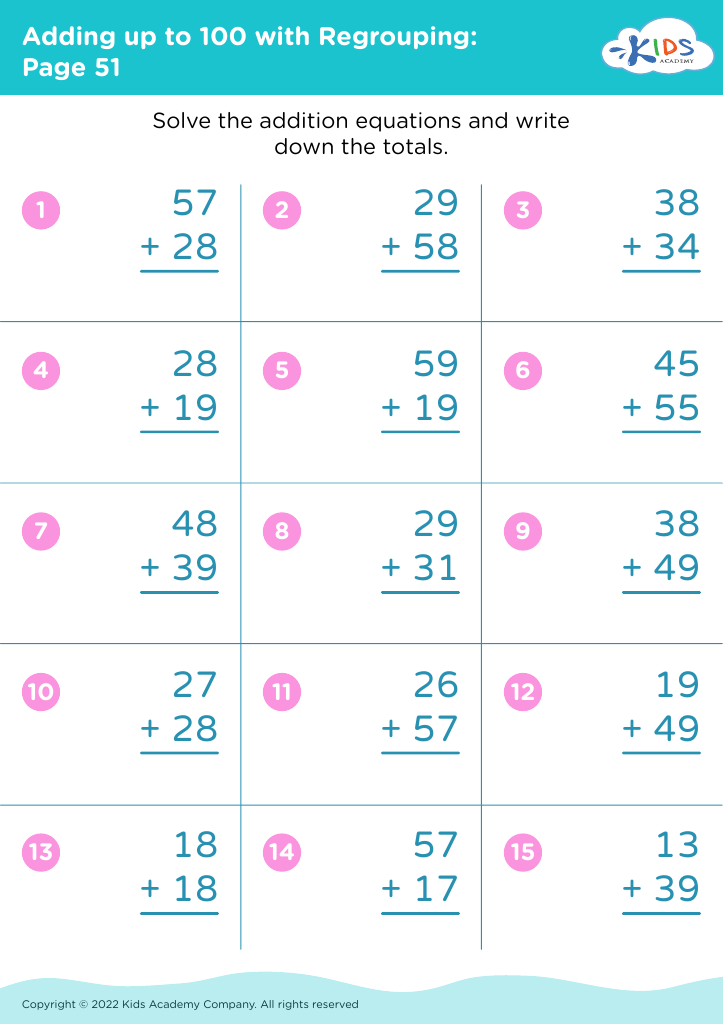
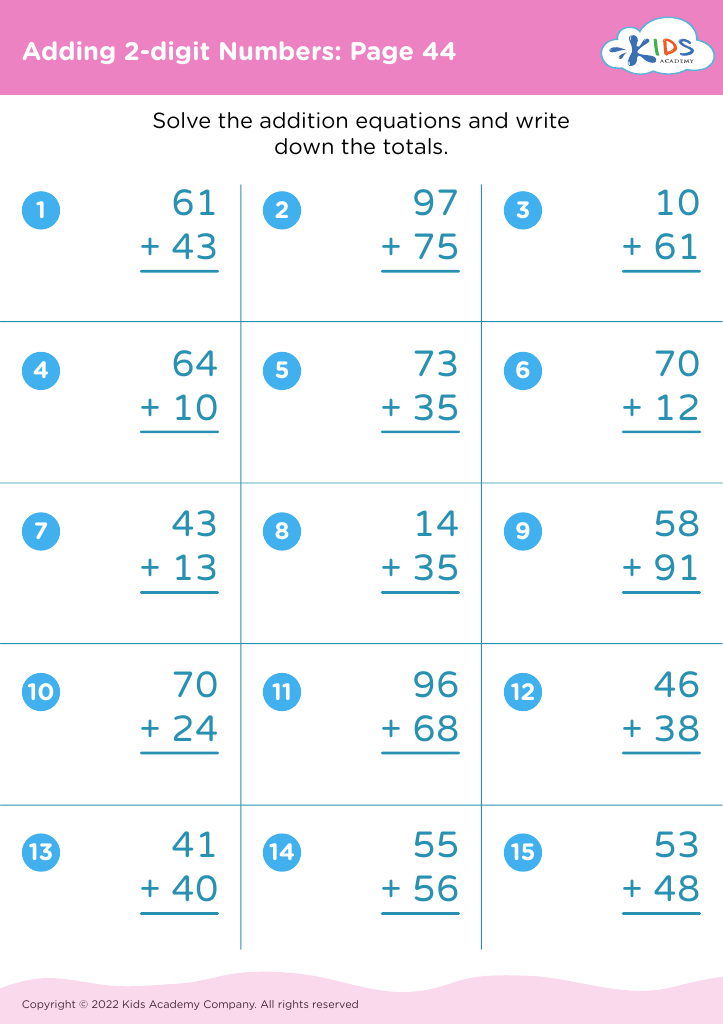







Developing analytical thinking skills in 7-year-olds is crucial for their overall cognitive growth and future success. At this age, children are naturally curious and eager to explore the world around them. Encouraging analytical thinking nurtures their ability to question, evaluate, and reason, which forms the foundation for critical problem-solving skills.
Teachers and parents should prioritize these skills because they enhance comprehension across subjects. For instance, in math, analytical thinking helps kids understand patterns, make predictions, and approach problems strategically. In reading and science, it fosters the ability to draw conclusions based on evidence, promoting deeper understanding and engagement.
Additionally, strong analytical skills support emotional and social development. Children learn to weigh options and consider consequences, which aids in decision-making and conflict resolution. This skillset also fosters independence and confidence as they tackle challenges rather than seeking immediate answers from adults.
Moreover, in a rapidly changing world, the ability to think critically and analytically equips children with the tools to adapt, innovate, and thrive, both personally and professionally in the future. Ultimately, investing in analytical thinking at a young age sets the stage for lifelong learning and success.








