Enhances number recognition Worksheets for 7-Year-Olds
5 filtered results
-
From - To
Discover our engaging number recognition worksheets designed specifically for 7-year-olds! These resources are tailored to enhance children's ability to identify, read, and write numbers through fun and interactive activities. Your child will enjoy a variety of exercises, including tracing, matching, and games that promote numerical understanding. Perfect for classroom use or homeschooling, these worksheets provide a solid foundation in early math skills. By incorporating colorful visuals and age-appropriate challenges, we ensure learning is both effective and enjoyable. Help your child build confidence in their number recognition abilities with our expertly crafted worksheets, making math a fun adventure for them!
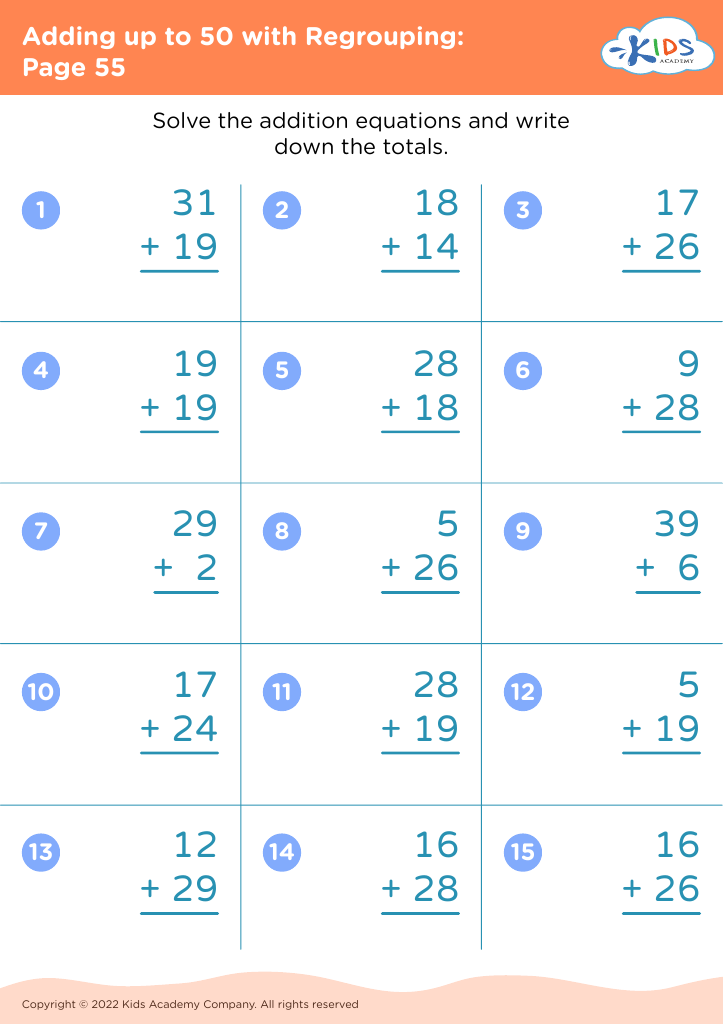
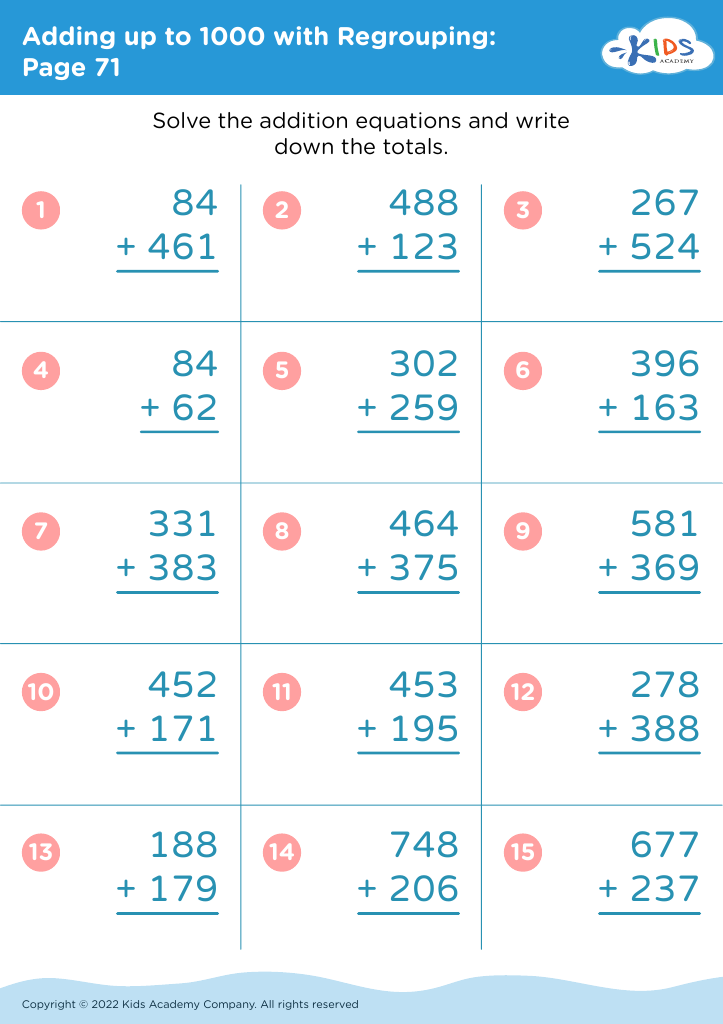
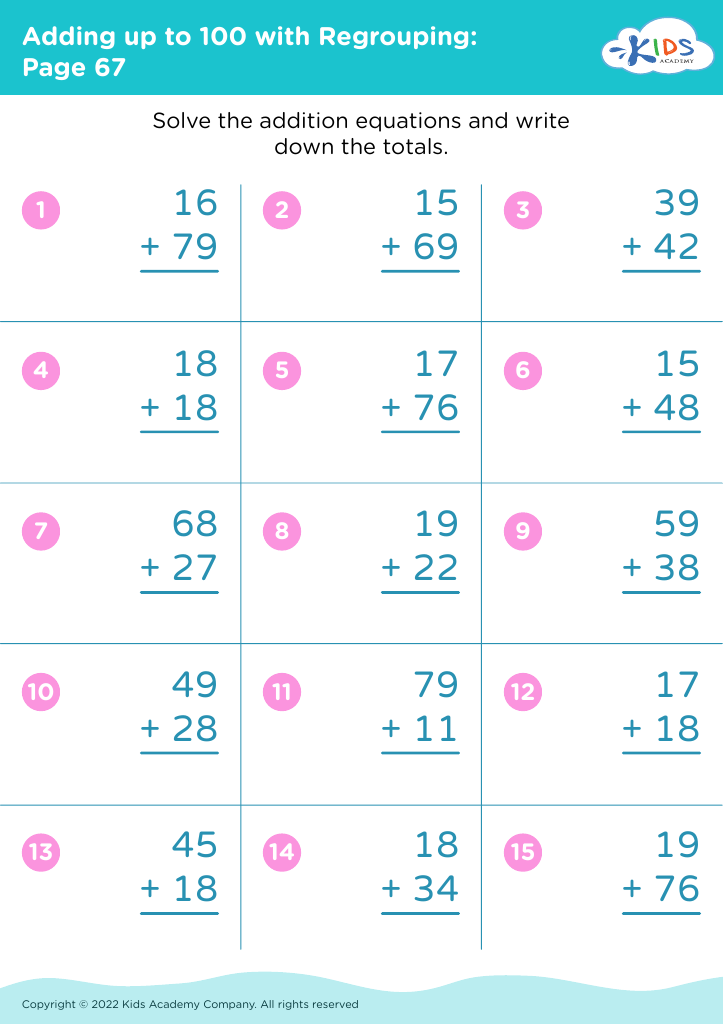
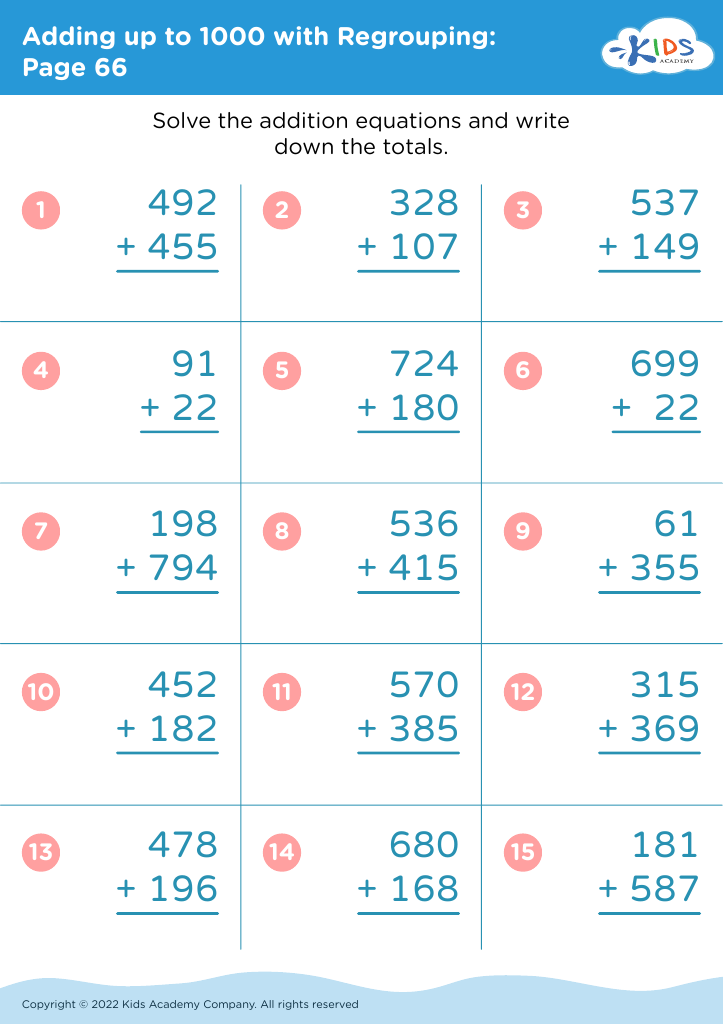







Enhancing number recognition in 7-year-olds is crucial for several reasons that resonate with both parents and teachers. At this age, children are transitioning from basic counting to more complex arithmetic concepts, making solid number recognition foundational for their mathematical development. Recognizing numbers enables them to understand quantity, perform calculations, and develop problem-solving skills, which are essential for future academic success.
Strong number recognition also builds confidence in a child's abilities, encouraging them to engage more actively in maths-related activities and lessons. This engagement can foster a positive attitude towards learning, helping mitigate math anxiety that some children experience. Understanding numbers is not only important for academic purposes but also for everyday life skills, like telling time, understanding money, and managing simple measurements.
Moreover, children with robust number recognition skills are better prepared to explore more advanced concepts in middle and higher grades. Investing time and resources in guiding children's math skills can set them up for lifelong learning and health in numeracy. Parents and teachers should collaborate to create enriching environments, ensuring every child develops strong foundational mathematical skills that will serve them throughout their educational journey and beyond.








