Following directions Worksheets for 7-Year-Olds
3 filtered results
-
From - To
Discover our engaging Following Directions Worksheets for 7-year-olds, designed to enhance listening and comprehension skills in a fun way. These worksheets provide a variety of activities that challenge children to read and follow instructions carefully, reinforcing critical thinking and attention to detail. Perfect for home or classroom use, our resources help students practice following directions through colorful visuals and interactive prompts. Ideal for developing essential skills, our worksheets encourage creativity while boosting confidence in learning processes. Download these printable worksheets today and watch your child flourish as they gain confidence in their ability to follow directions accurately!
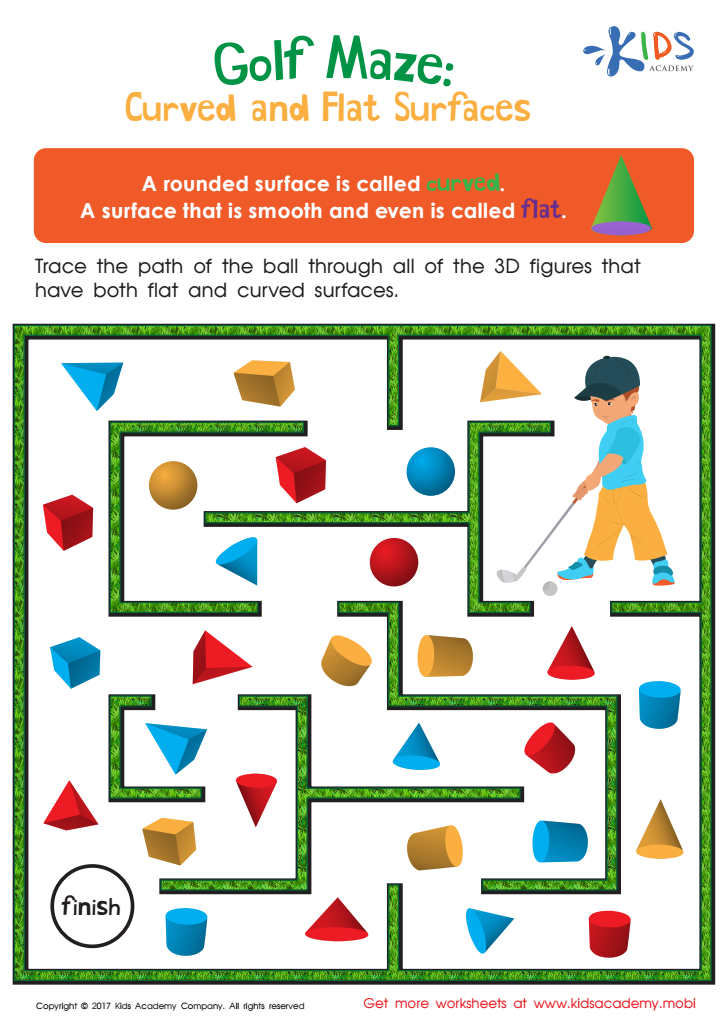
Golf Maze: Curved and Flat Surfaces Worksheet
 Assign to My Students
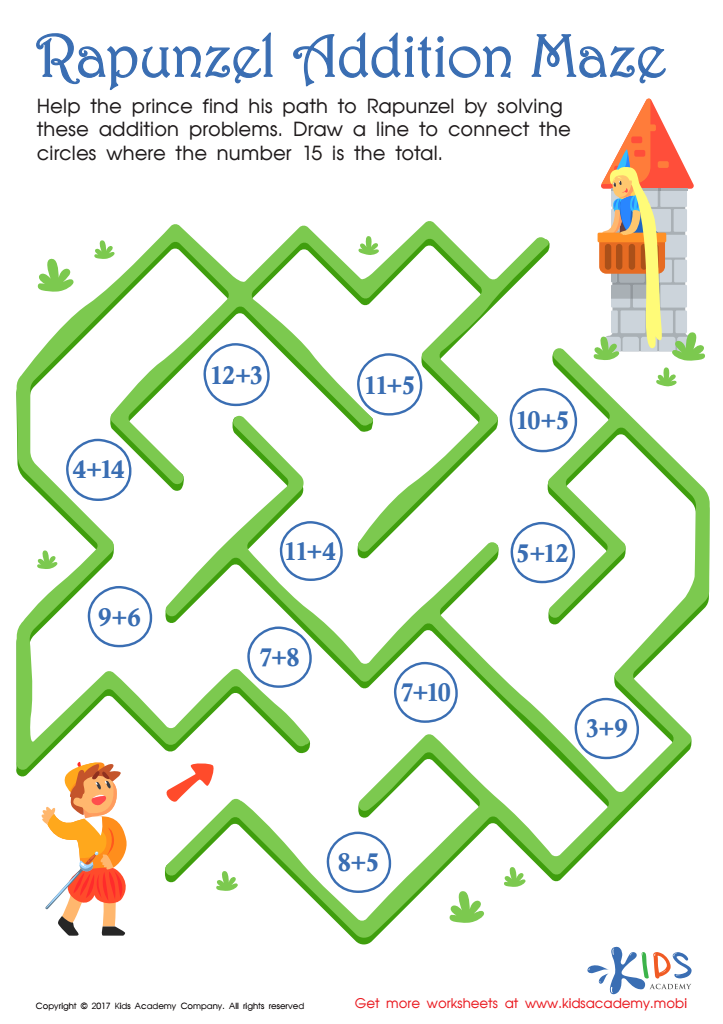
Rapunzel Addition Maze Worksheet







Following directions is a crucial skill for 7-year-olds, as it lays the foundation for their academic and personal development. At this age, children are transitioning from basic understanding to more complex processing, making it vital for them to grasp the importance of listening and adhering to instructions.
Practicing this skill fosters independence and responsibility. By following directions in school, children learn how to complete assignments, engage in group activities, and manage their time effectively. This not only enhances their academic performance but also cultivates a sense of accountability.
Additionally, understanding how to follow directions helps children navigate social interactions and friendships. When they adhere to guidelines in games or collaborative projects, it nurtures teamwork and respect for others, essential traits for social development.
Moreover, mastering the ability to follow directions helps in building cognitive skills such as critical thinking and problem-solving. Children learn to process information, ask questions for clarification, and think logically.
For teachers and parents, instilling this skill cultivates an environment where expectations are clear, which can reduce frustration and behavioral issues. By prioritizing the ability to follow directions, adults empower children to become confident, capable learners, ready to take on new challenges both in and out of school.








