Check out this FREE "Improve counting skills" Trial Lesson for age 7!

H

Favorites
With answer key
Interactive
  • 7
  • Improve counting skills
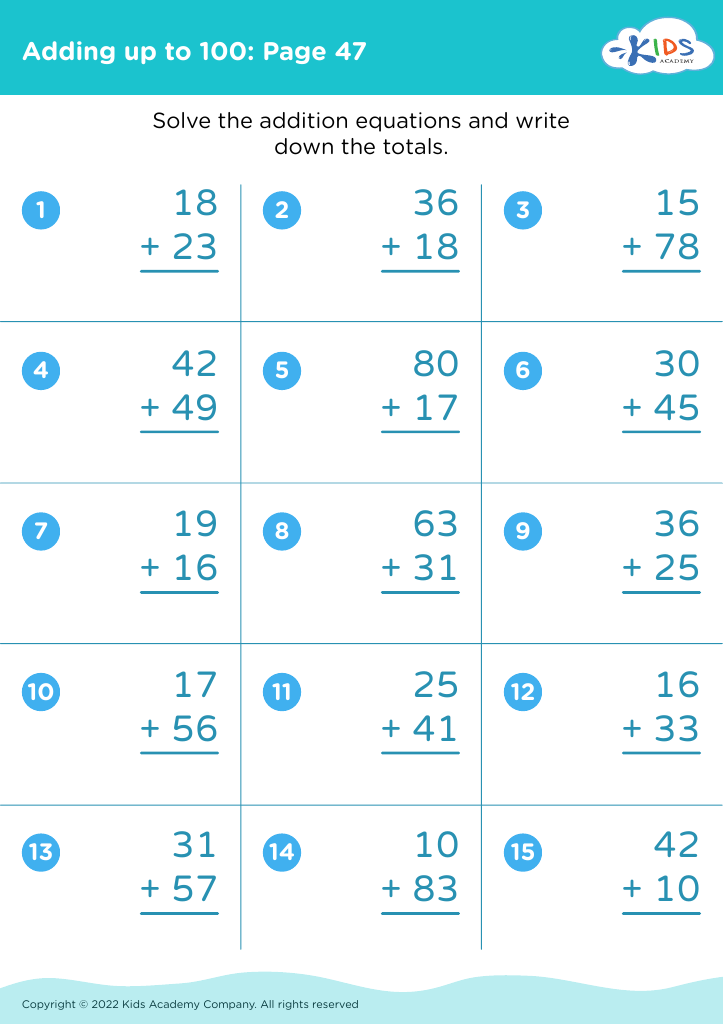
Adding up to 100: Page 47

Adding up to 100: Page 47

Adding up to 100: Page 47
Worksheet
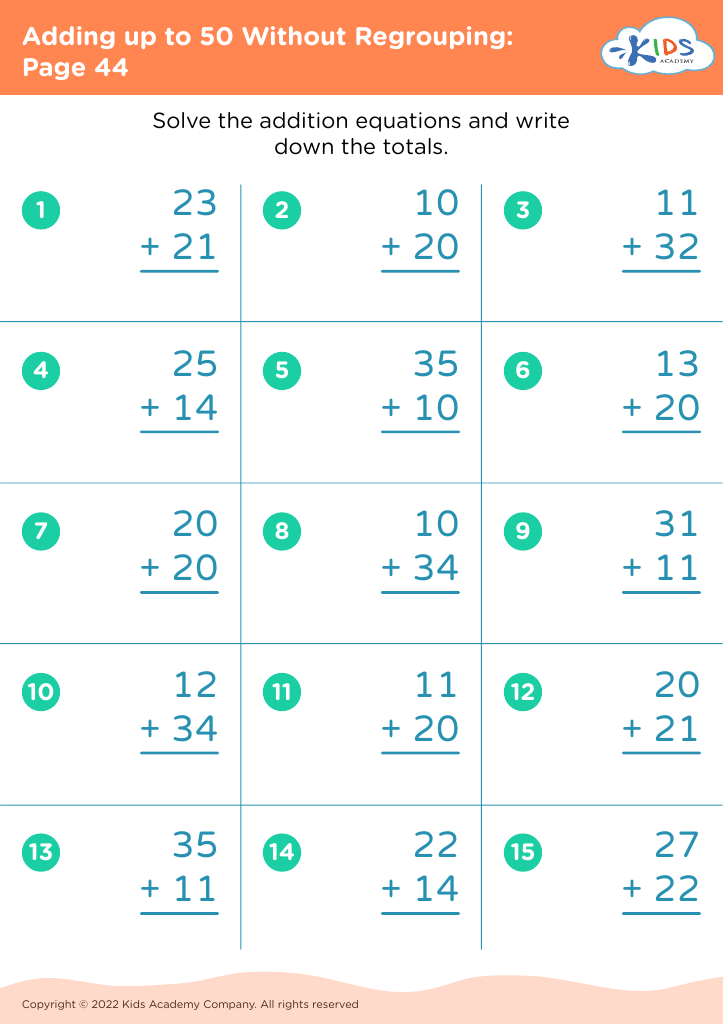
Adding up to 50 Without Regrouping: Page 44
Worksheet
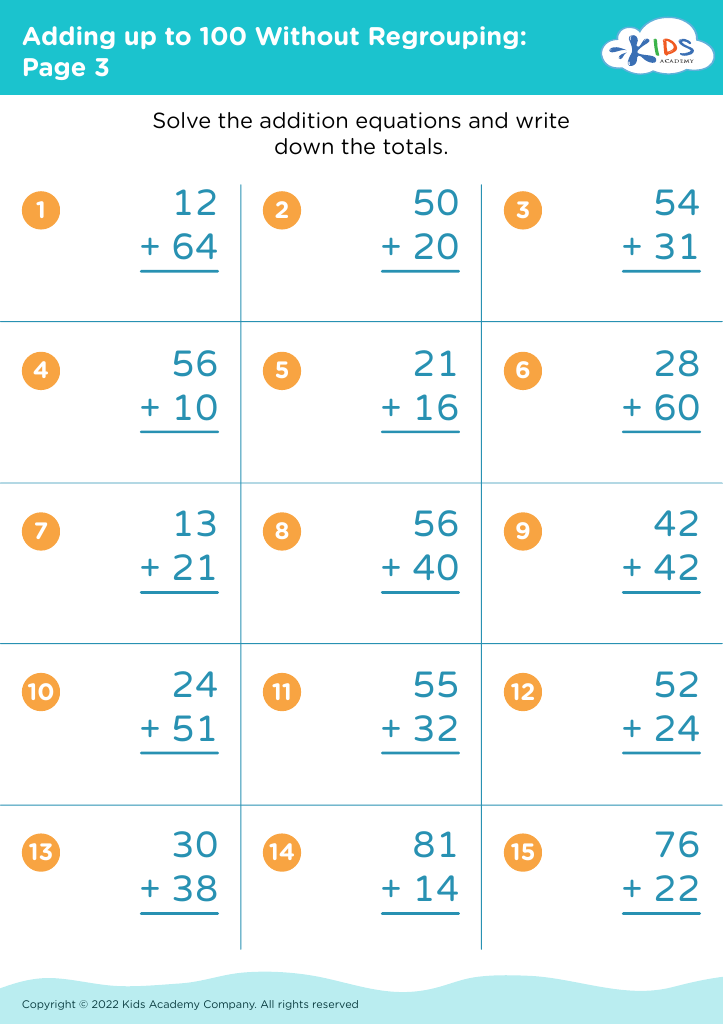
Adding up to 100 Without Regrouping: Page 3
Worksheet
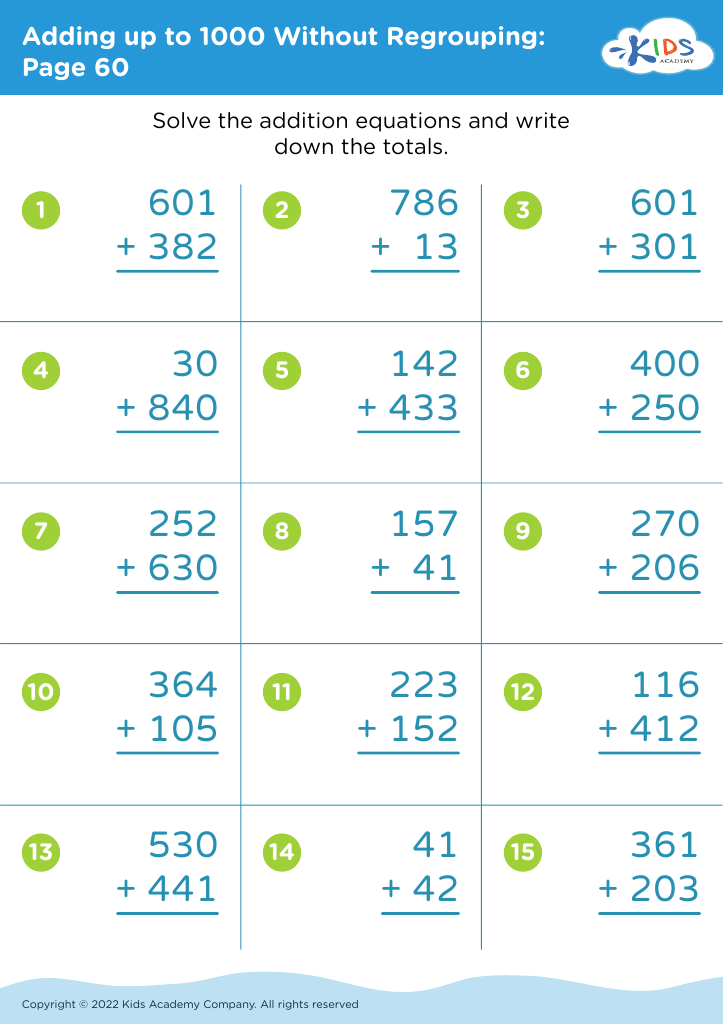
Adding up to 1000 Without Regrouping: Page 60
Worksheet
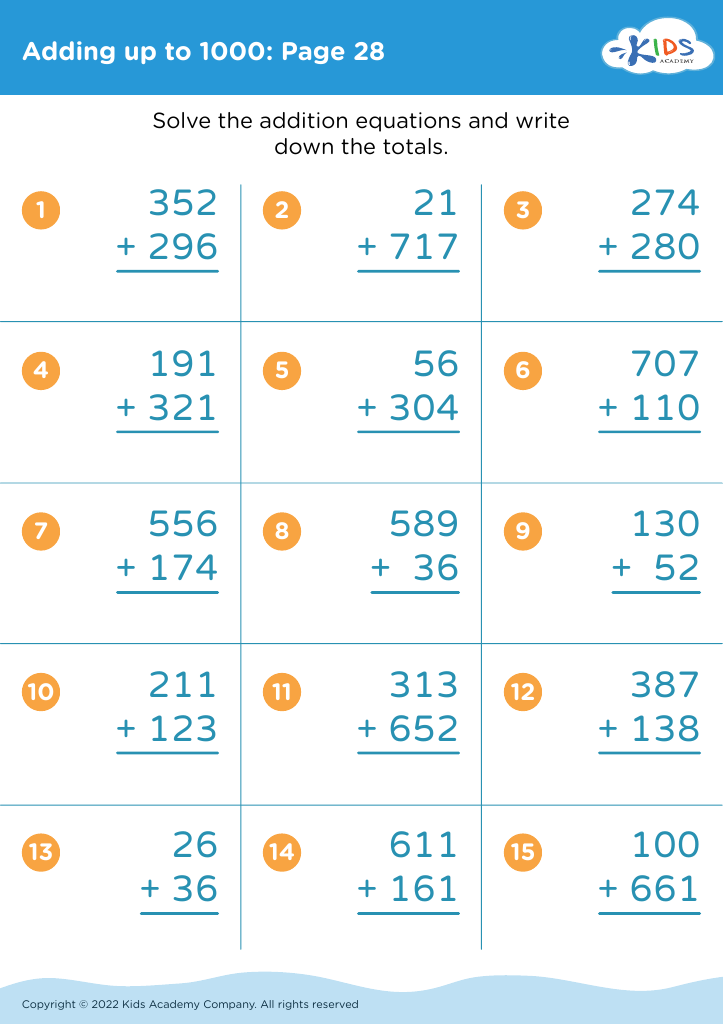
Adding up to 1000: Page 28

Adding up to 1000: Page 28

Adding up to 1000: Page 28
Worksheet
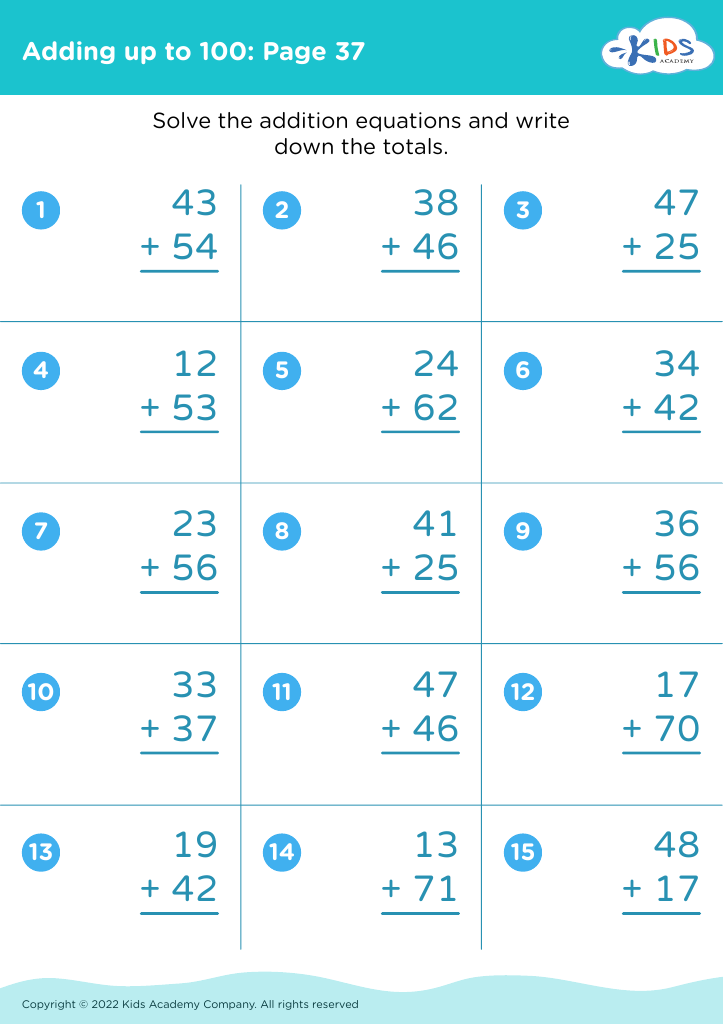
Adding up to 100: Page 37

Adding up to 100: Page 37

Adding up to 100: Page 37
Worksheet
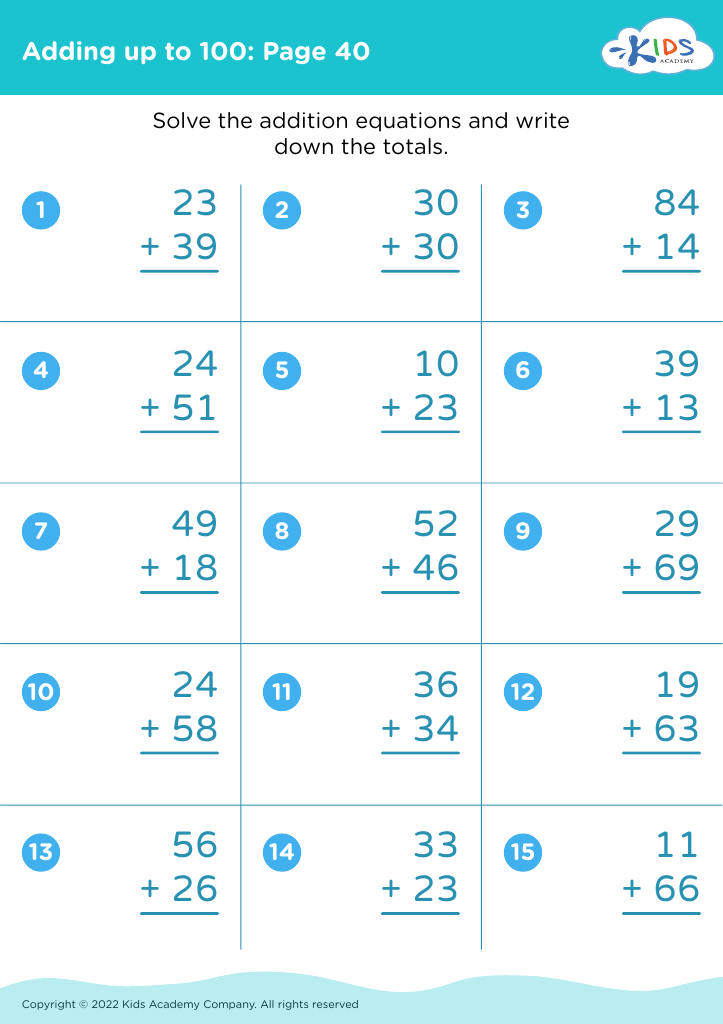
Adding up to 100: Page 40

Adding up to 100: Page 40

Adding up to 100: Page 40
Worksheet
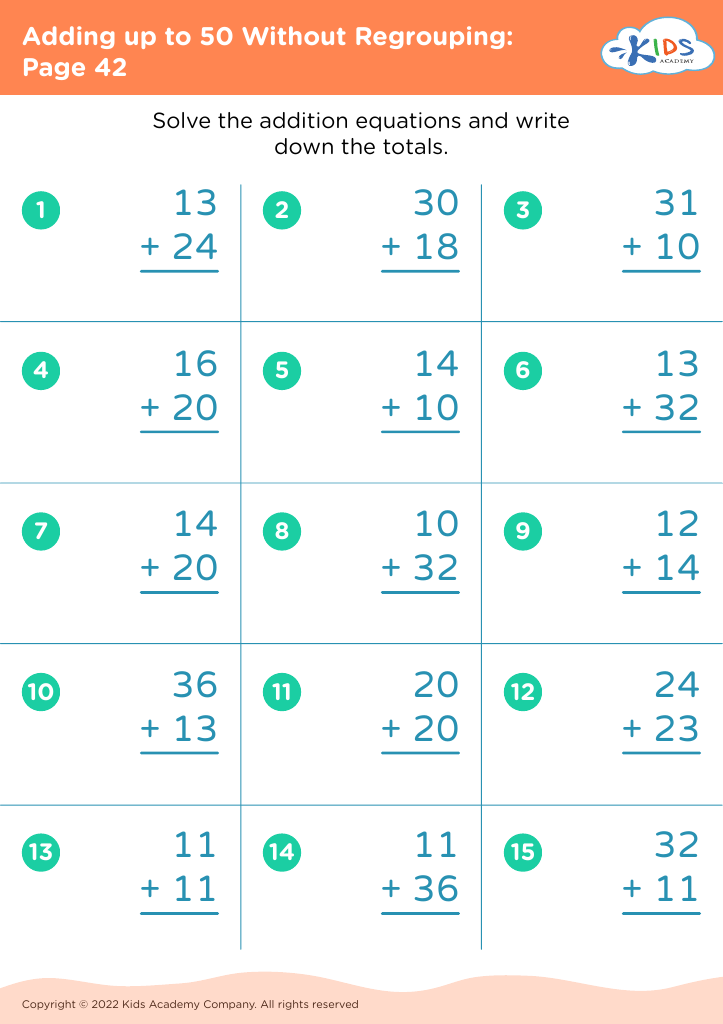
Adding up to 50 Without Regrouping: Page 42
Worksheet
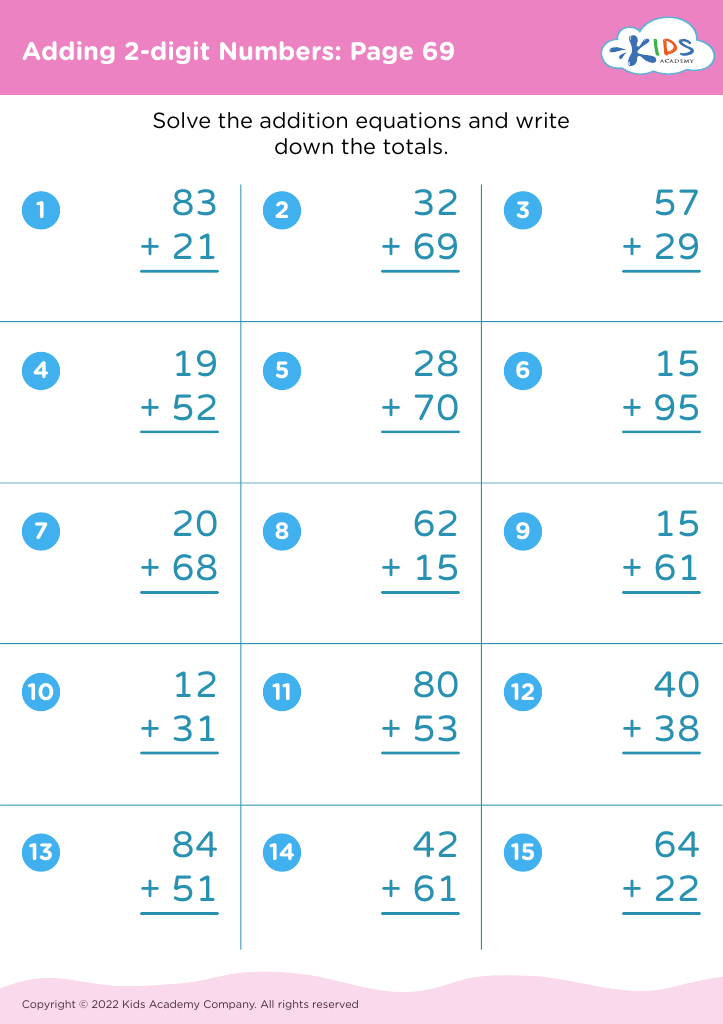
Adding 2-digit Numbers: Page 69

Adding 2-digit Numbers: Page 69

Adding 2-digit Numbers: Page 69
Worksheet
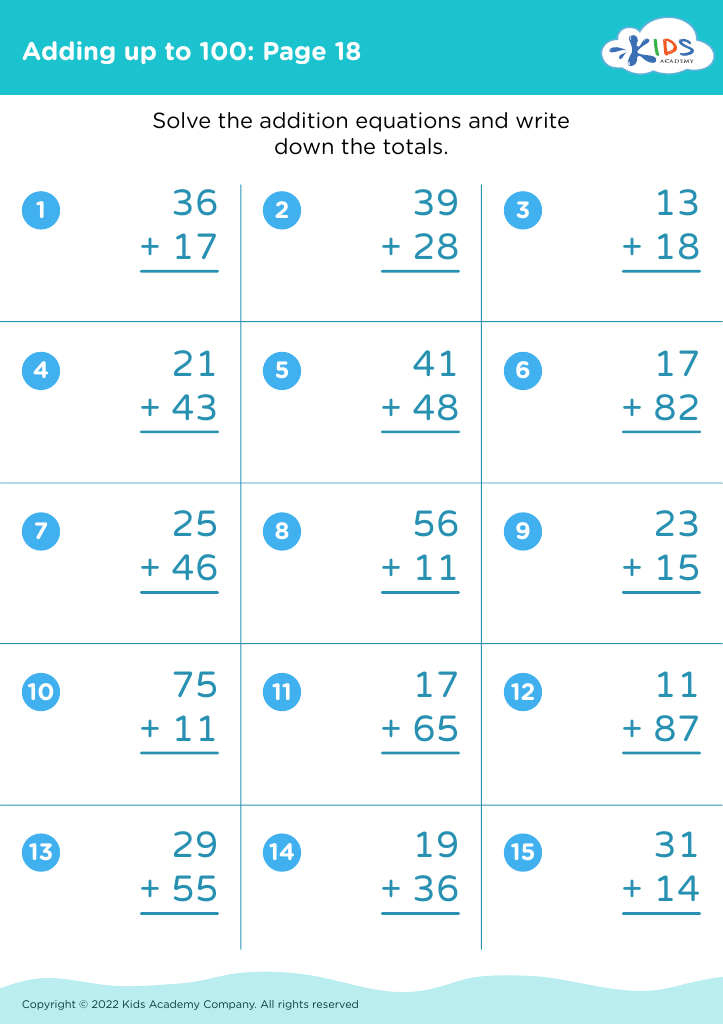
Adding up to 100: Page 18

Adding up to 100: Page 18

Adding up to 100: Page 18
Worksheet
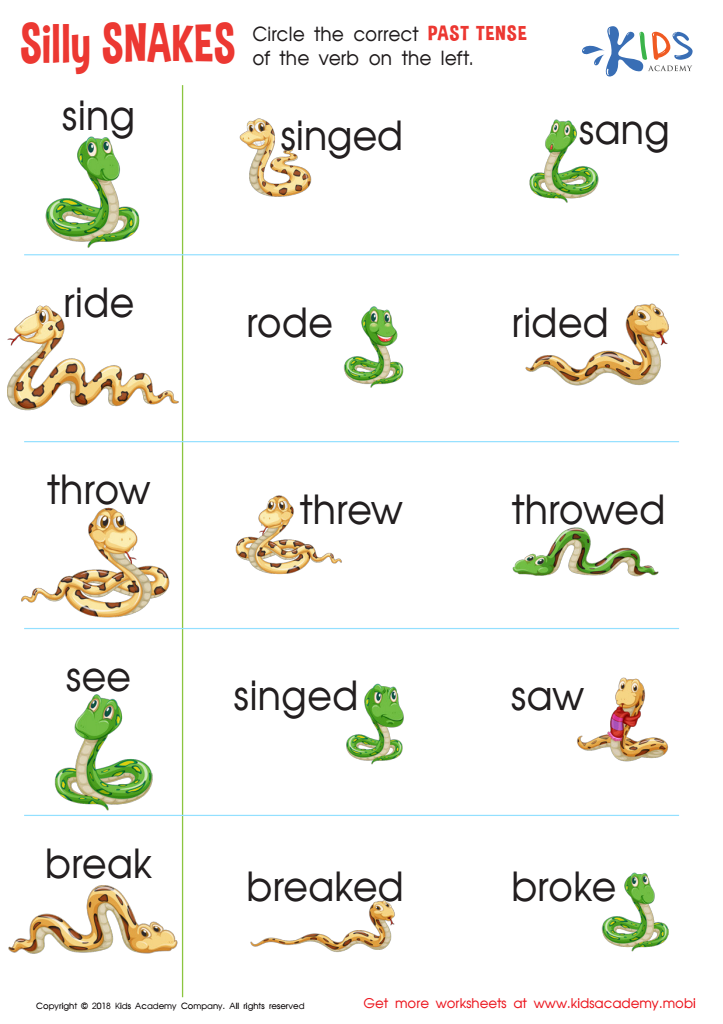
Silly Snakes Worksheet

Silly Snakes Worksheet

Kids will get a giggle out of these silly snakes! They're helping to find past tense verbs in this fun worksheet. Have your child look at each snake in the left column and read the word. Then, choose the correct past tense verb from the two options in each row.
Silly Snakes Worksheet
Worksheet
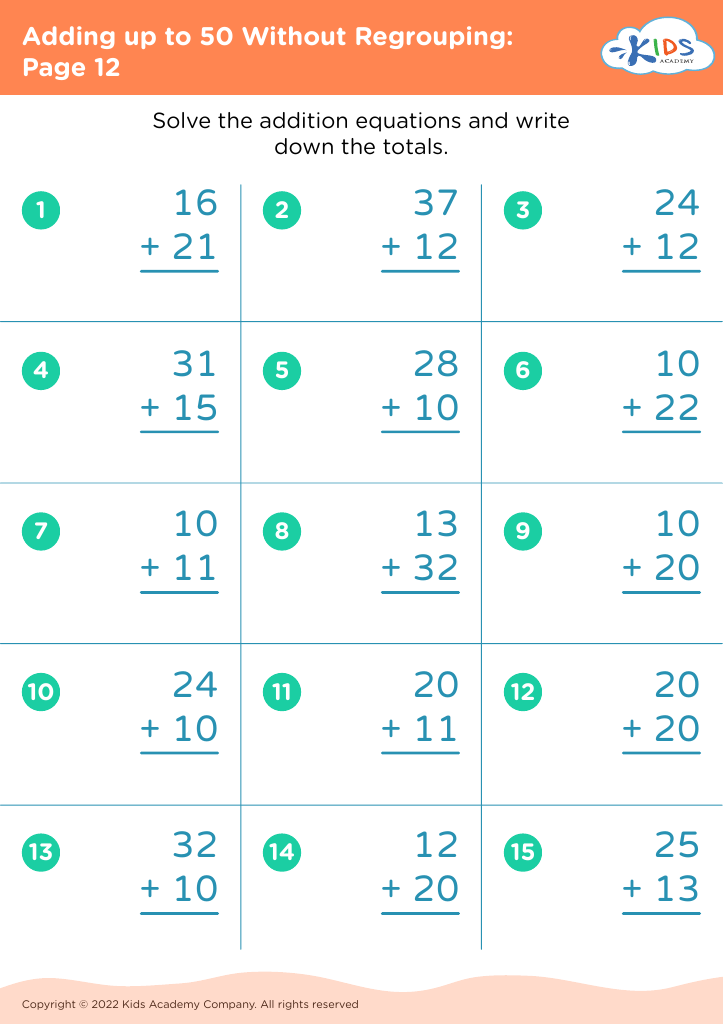
Adding up to 50 Without Regrouping: Page 12
Worksheet
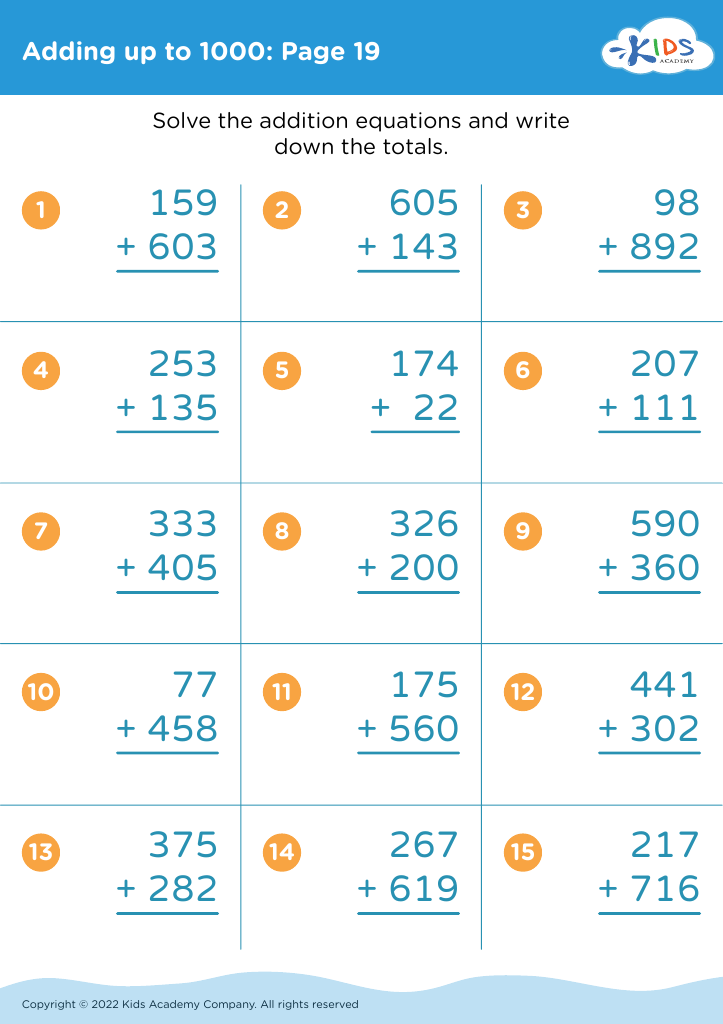
Adding up to 1000: Page 19

Adding up to 1000: Page 19

Adding up to 1000: Page 19
Worksheet
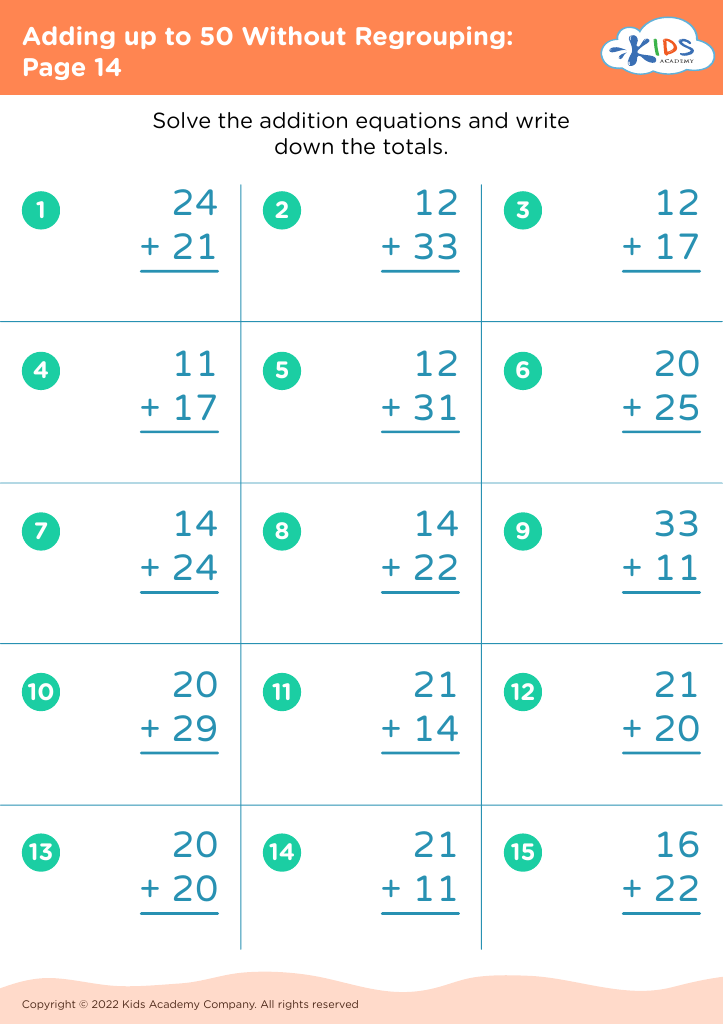
Adding up to 50 Without Regrouping: Page 14
Worksheet
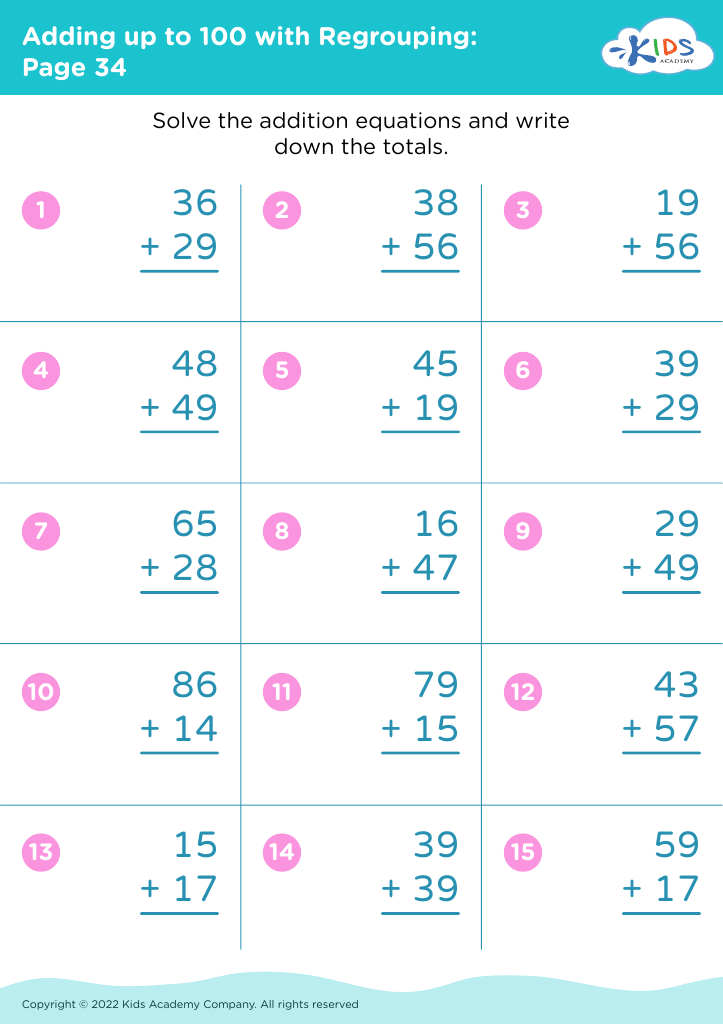
Adding up to 100 with Regrouping: Page 34
Worksheet
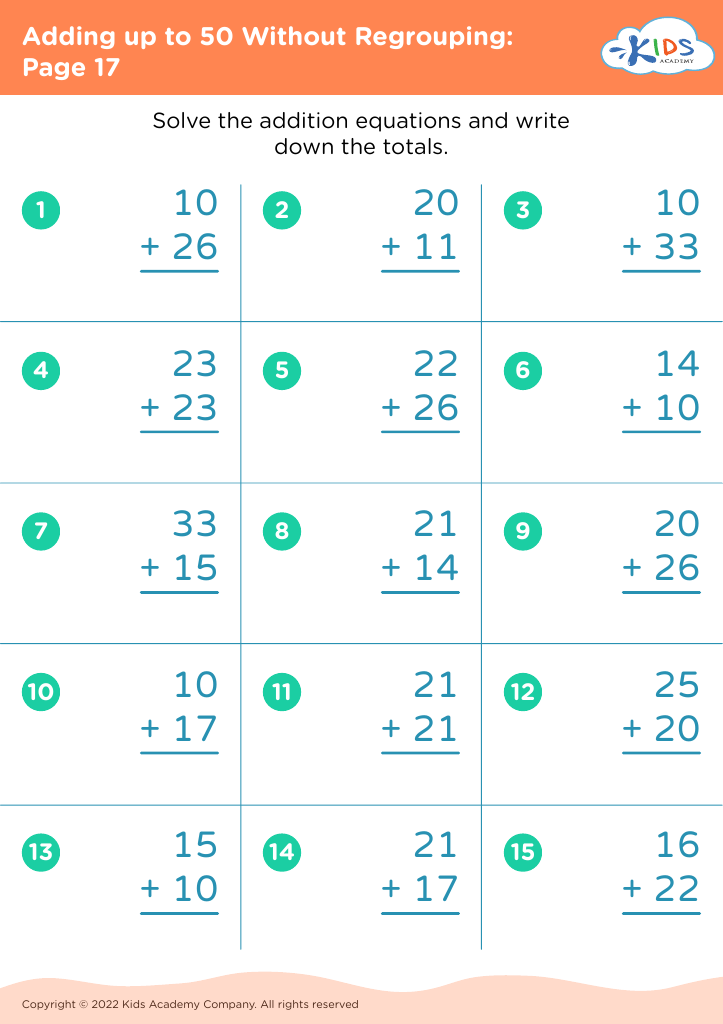
Adding up to 50 Without Regrouping: Page 17
Worksheet
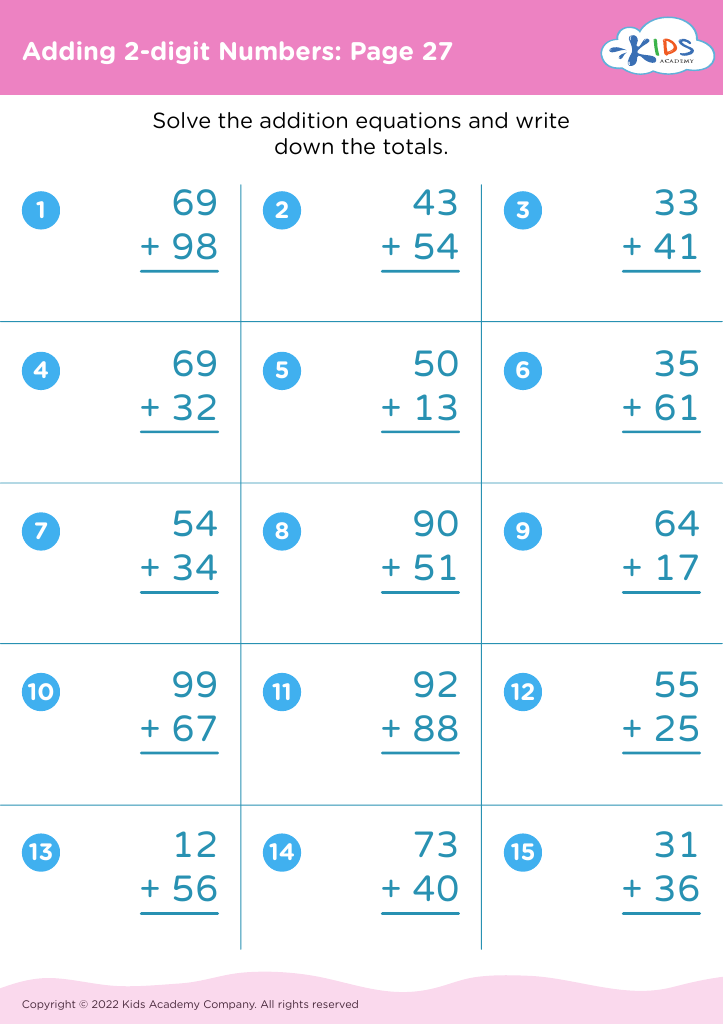
Adding 2-digit Numbers: Page 27

Adding 2-digit Numbers: Page 27

Adding 2-digit Numbers: Page 27
Worksheet
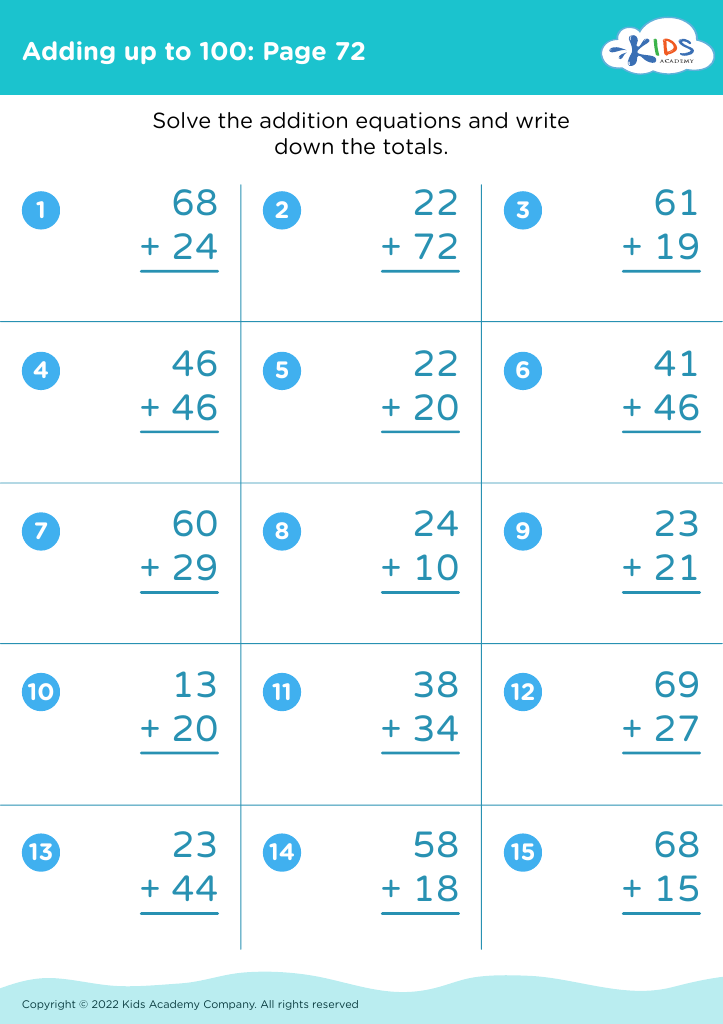
Adding up to 100: Page 72

Adding up to 100: Page 72

Adding up to 100: Page 72
Worksheet
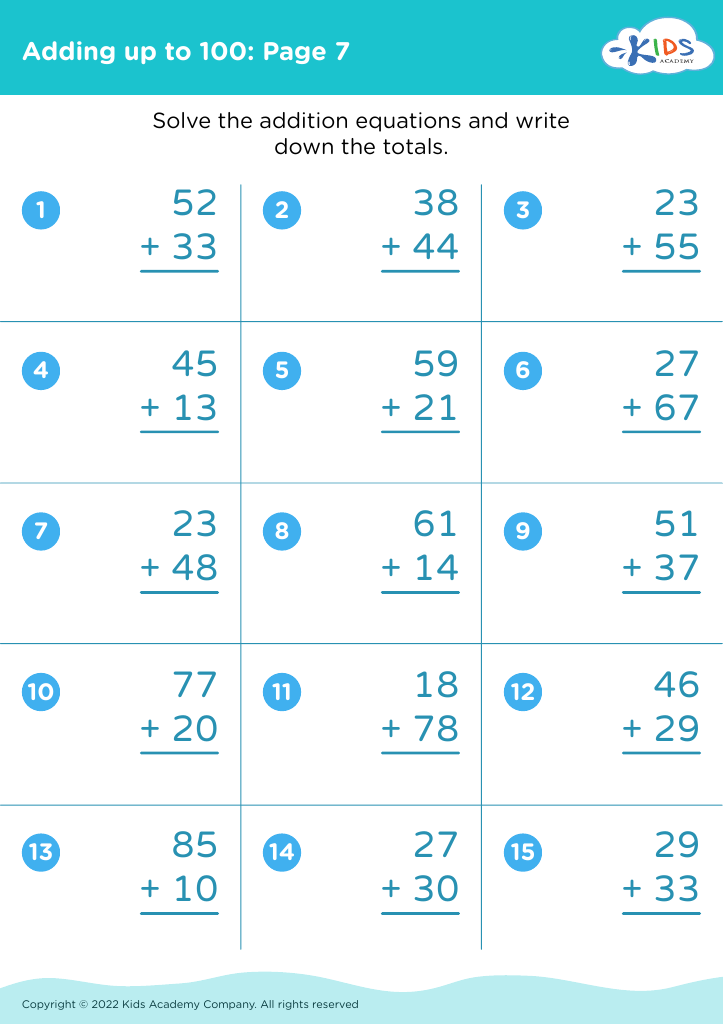
Adding up to 100: Page 7

Adding up to 100: Page 7

Adding up to 100: Page 7
Worksheet
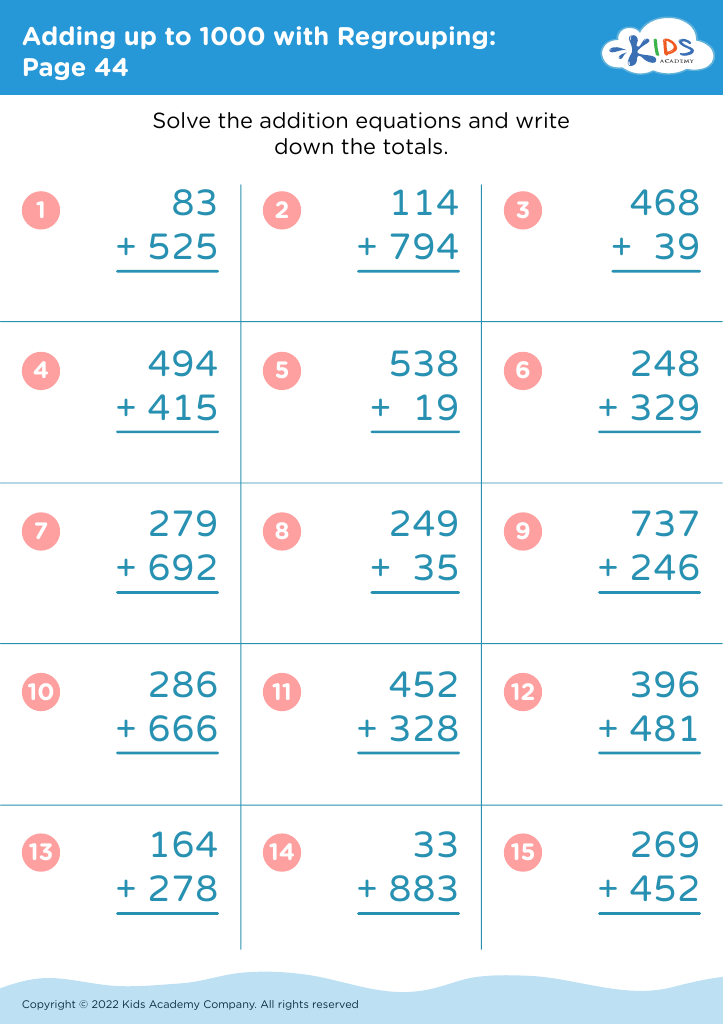
Adding up to 1000 with Regrouping: Page 44
Worksheet
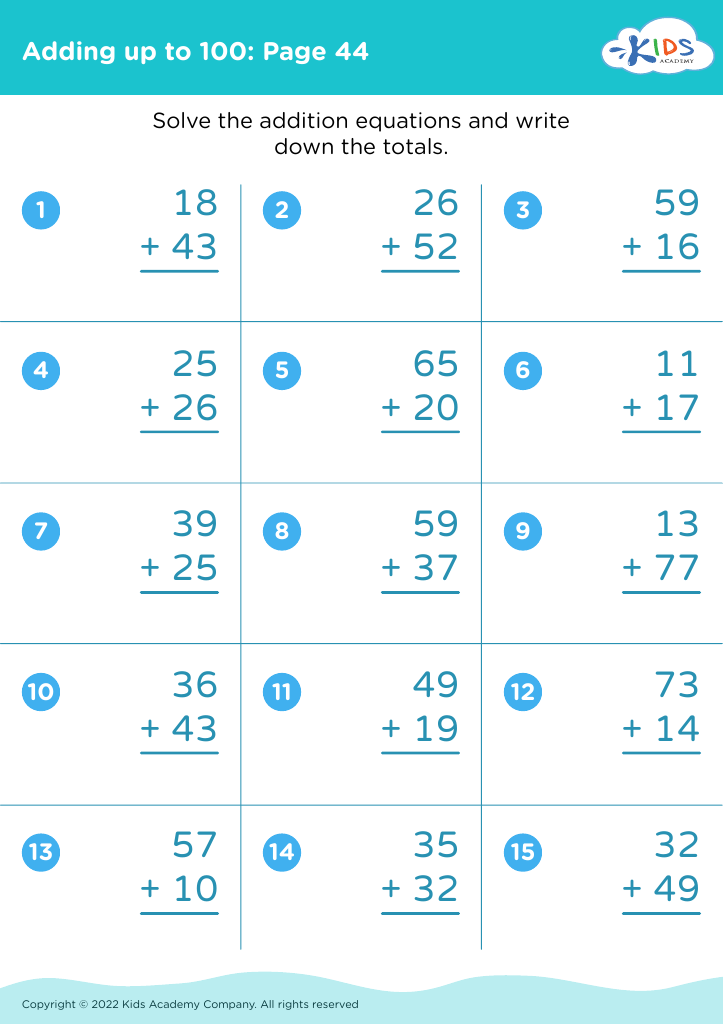
Adding up to 100: Page 44

Adding up to 100: Page 44

Adding up to 100: Page 44
Worksheet
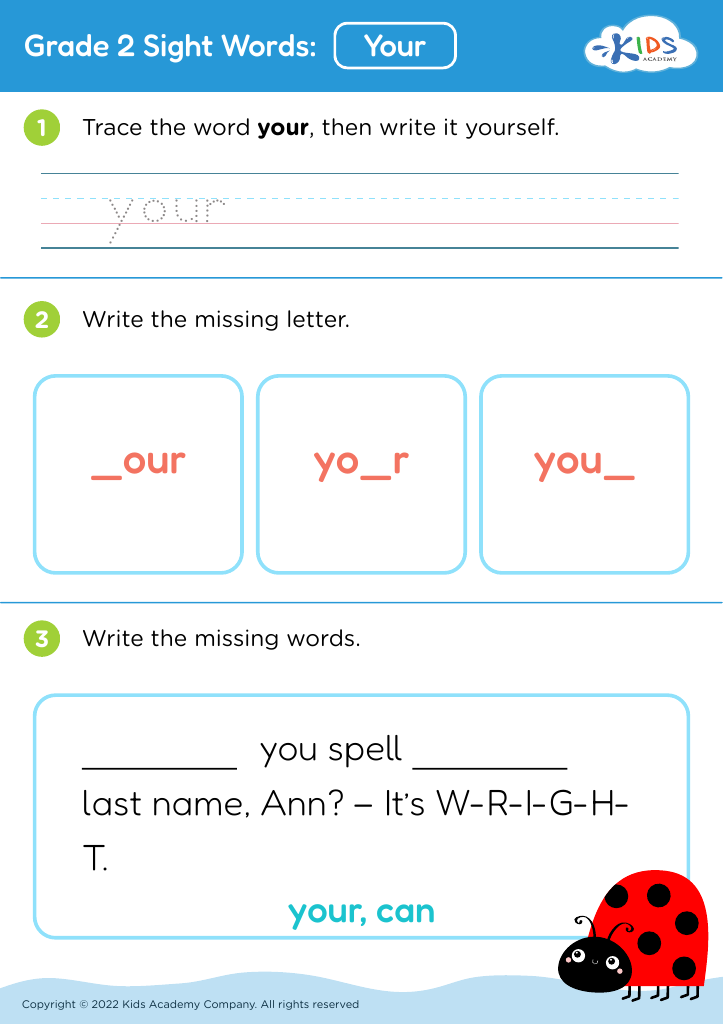
Grade 2 Sight Words: Your

Grade 2 Sight Words: Your

Grade 2 Sight Words: Your
Worksheet
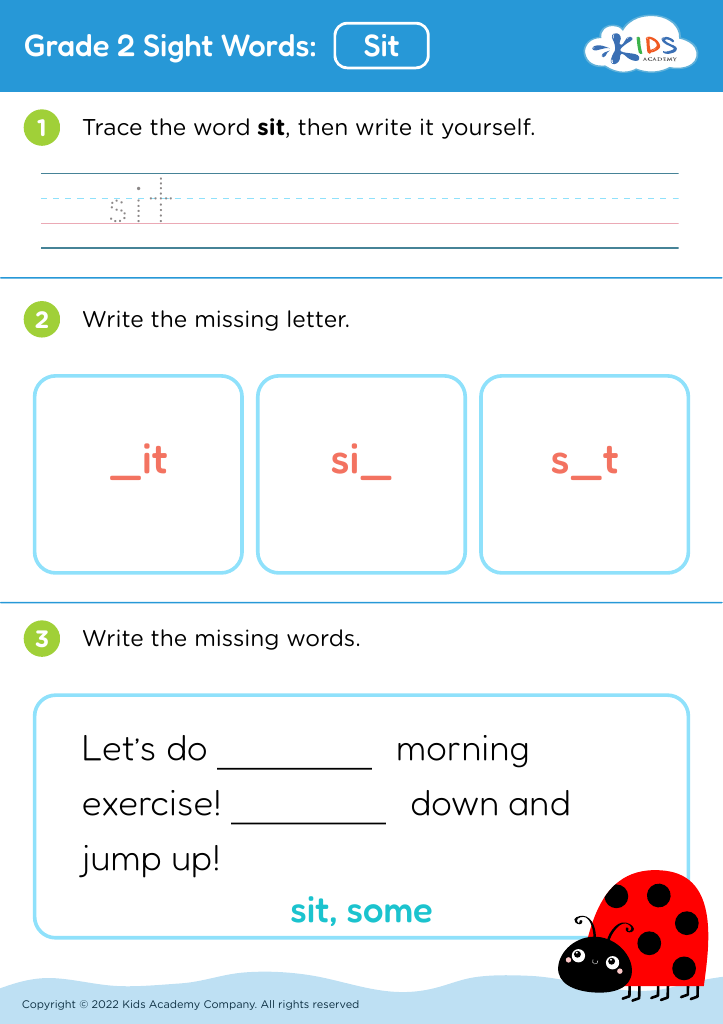
Grade 2 Sight Words: Sit

Grade 2 Sight Words: Sit

Grade 2 Sight Words: Sit
Worksheet


Improving counting skills for 7-year-olds is crucial for their overall academic and cognitive development. At this age, many children are transitioning from simple, rote counting to more complex numerical operations, which form the foundation for future mathematical learning. Having solid counting skills not only helps them perform basic arithmetic but also enhances problem-solving abilities and logical thinking.

For parents and teachers, focusing on counting skills ensures that children can engage more confidently with their coursework and classroom activities, fostering a positive attitude towards learning and education in general. Numeracy skills are as fundamental as literacy; they prepare kids not just for math classes but for understanding practical, everyday activities like measuring ingredients for a recipe or telling time.

Furthermore, improving counting skills at a young age can support the development of other cognitive skills such as memory, attention to detail, and pattern recognition. These skills are transferable and can aid in other subject areas, increasing overall academic performance. As societal and technological demands grow, having a strong mathematical foundation early on will make it easier for children to adapt and excel in future academic pursuits and real-world scenarios. Therefore, prioritizing the improvement of counting skills for 7-year-olds equips them with essential life skills.