Learn subtraction Worksheets for 7-Year-Olds
4 filtered results
-
From - To
Help your 7-year-old master subtraction with our engaging worksheets! Designed specifically for children, these printable activities enhance math skills while making learning enjoyable. Each worksheet offers a variety of problems that cater to different subtraction levels, ensuring your child builds a solid foundation. Our interactive format encourages critical thinking and enhances problem-solving abilities. With colorful illustrations and relatable scenarios, kids will be motivated to tackle each problem with enthusiasm. Ideal for both home and classroom settings, these learn subtraction worksheets promote independent learning and reinforce classroom lessons. Download now and watch your child's confidence soar as they excel in subtraction!
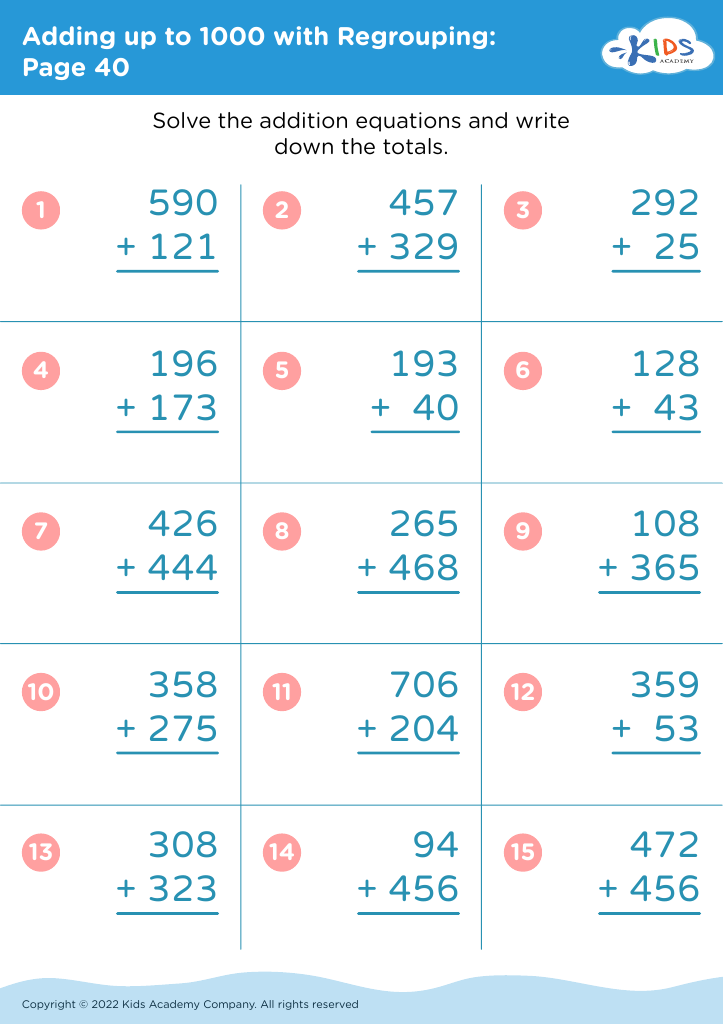
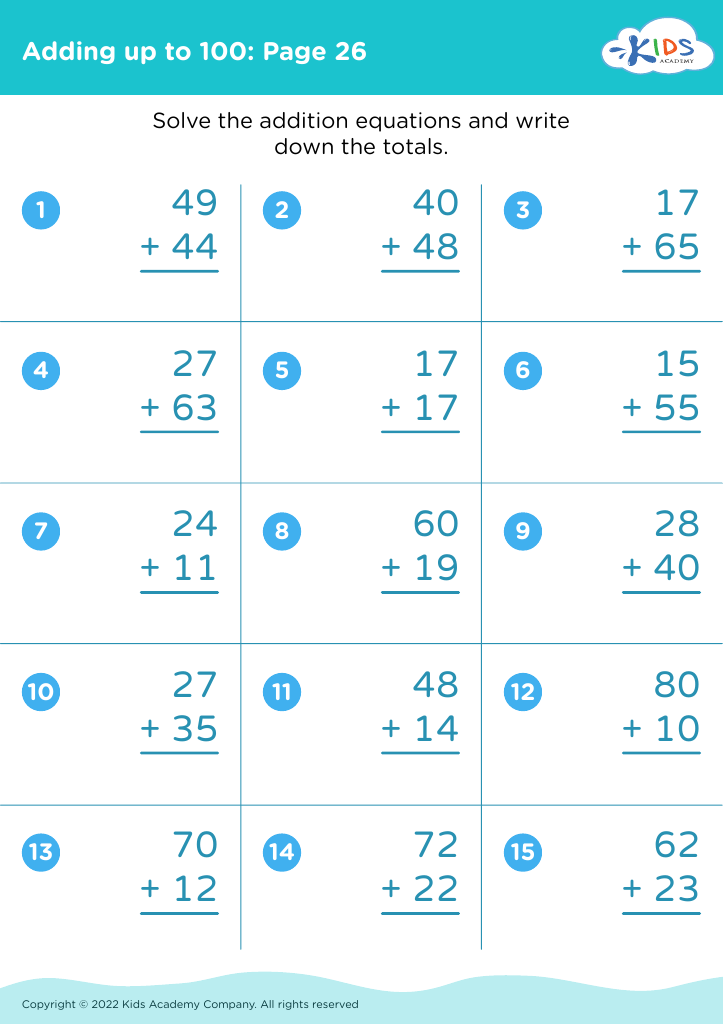
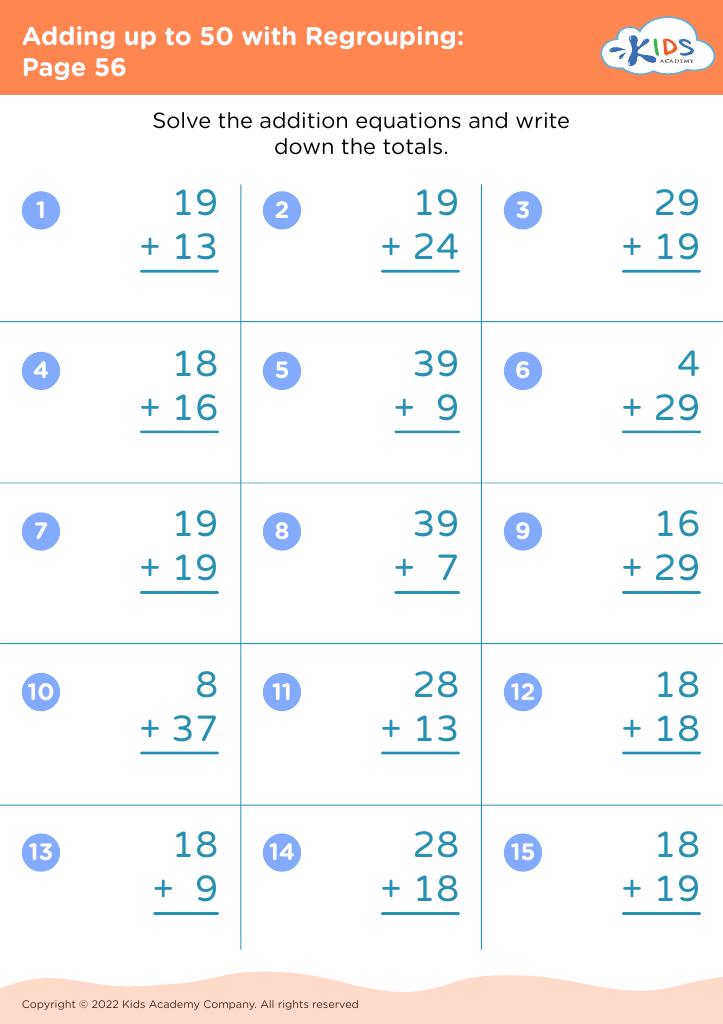
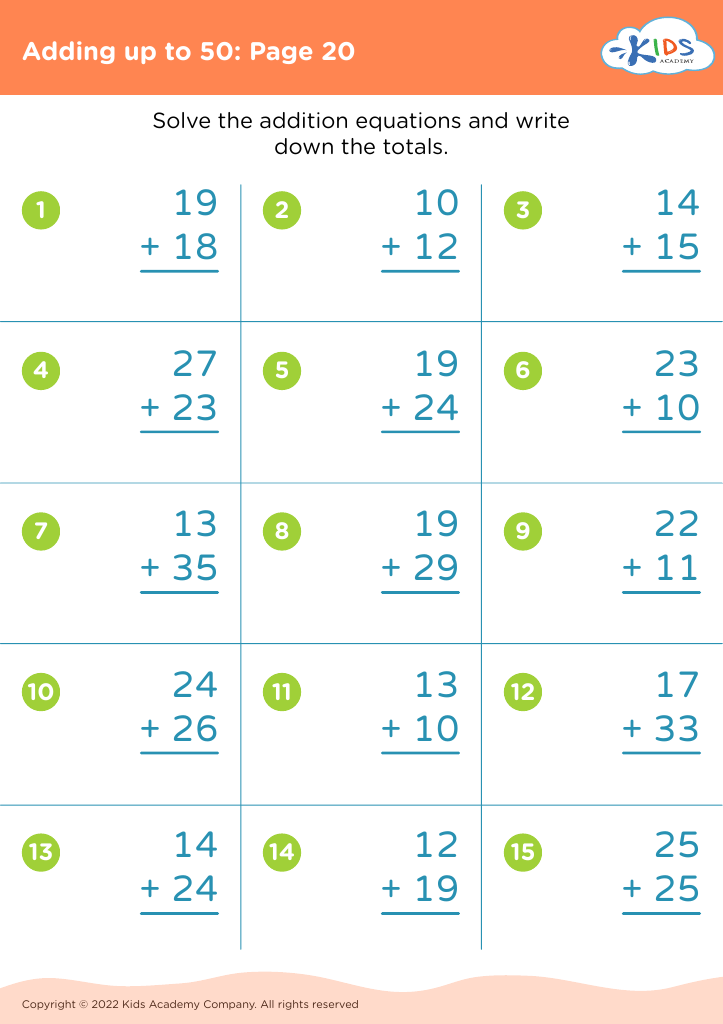








Parents and teachers should prioritize teaching subtraction to 7-year-olds because it serves as a foundational skill for their mathematical development and everyday problem-solving. At this age, children are transitioning from basic number recognition to more complex mathematical concepts. Mastering subtraction enhances their ability to understand addition, as both operations are interconnected. It equips them with critical thinking skills necessary for navigating real-world situations, such as budgeting and measuring.
Additionally, developing subtraction skills fosters confidence in young learners. As they conquer this essential skill, students build a positive math mindset, reducing anxiety and promoting a love for learning. Subtraction is also pivotal in academic success, assisting in subjects such as science and economics, where analytical skills are required.
Moreover, subtraction practice promotes persistence and resilience. Children learn the importance of effort and problem-solving through challenges associated with mastering this skill. Engaging, interactive methods of teaching subtraction, such as games and visual aids, make learning enjoyable, helping to maintain their interest.
In summary, understanding subtraction at a young age lays the groundwork for overall cognitive development, enriches daily life, and shapes a positive attitude towards learning math, making it essential for both parents and educators to prioritize.








