Letter identification Worksheets for 7-Year-Olds
3 filtered results
-
From - To
Help your 7-year-olds master letter identification with our engaging worksheets! Tailored specifically for young learners, these resources make learning fun and interactive. Each worksheet features vibrant images and activities that encourage children to recognize, trace, and differentiate between letters. As kids complete the exercises, they build essential literacy skills that set the foundation for reading and writing success. With various difficulty levels, our worksheets cater to diverse learning needs. Plus, they provide parents and teachers with valuable tools to track progress. Explore our collection and watch your child's confidence grow as they become proficient in letter recognition!
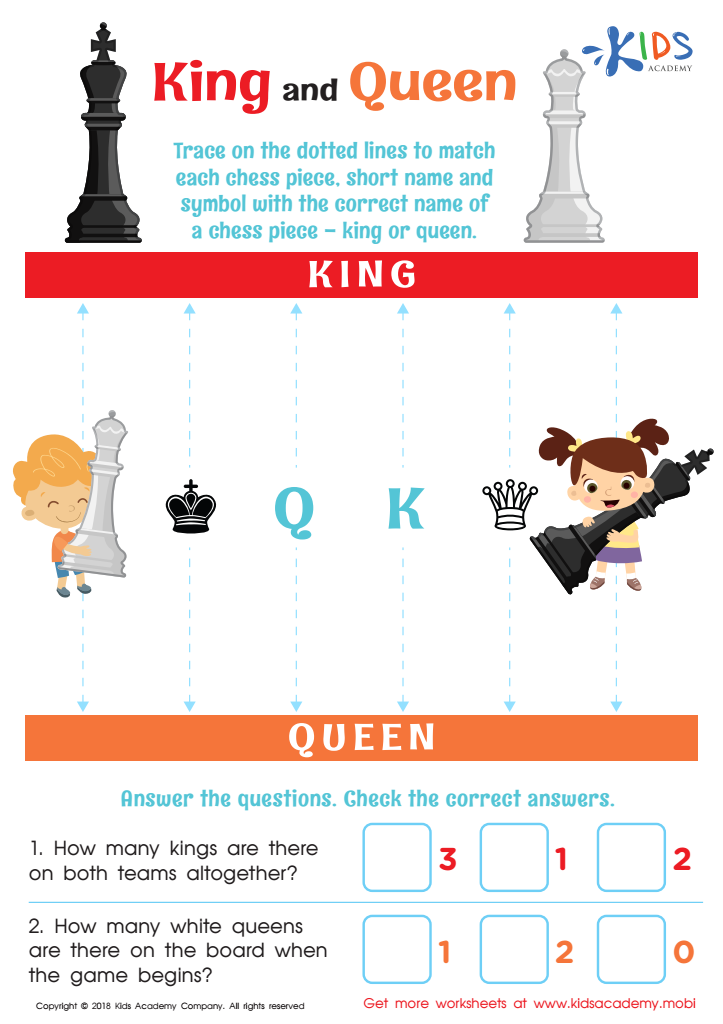
King and Queen Worksheet
 Assign to My Students
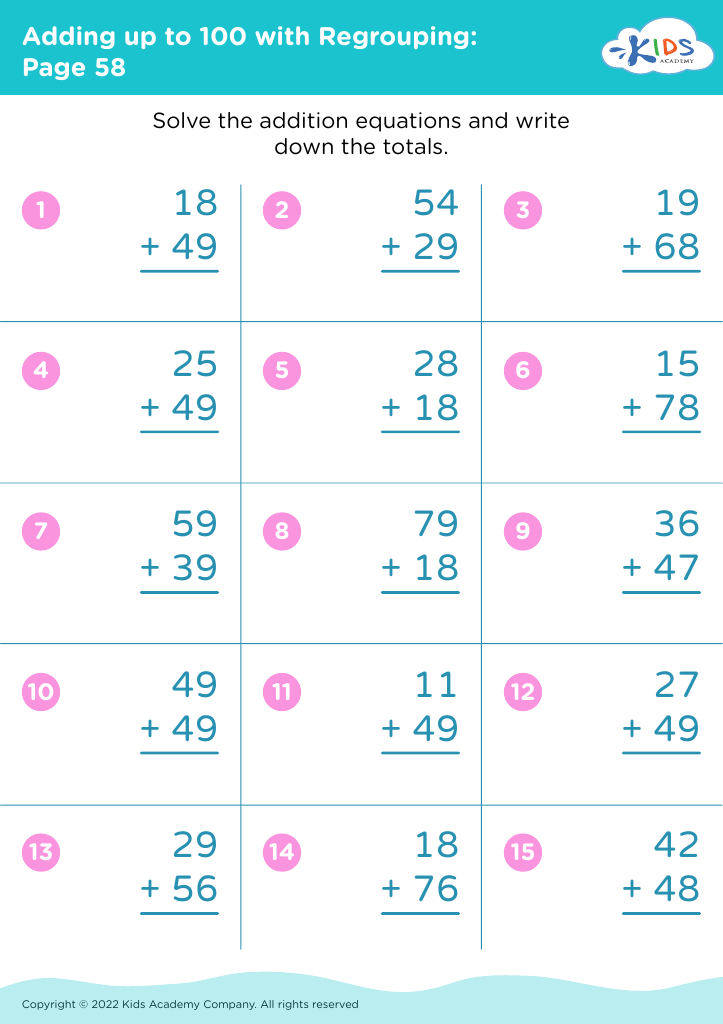
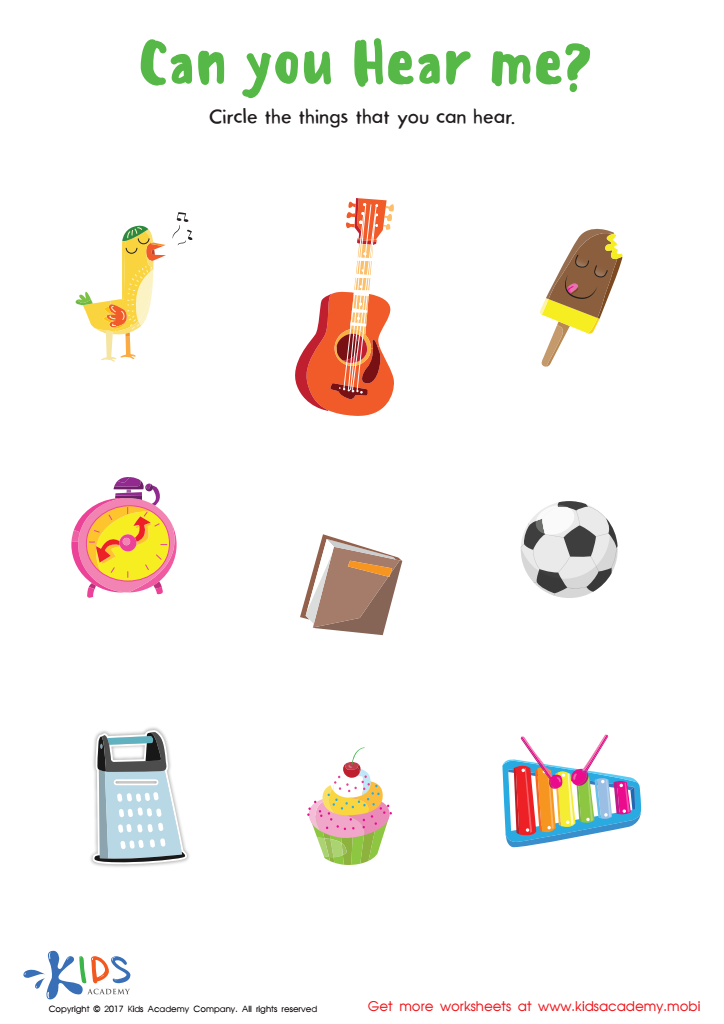
Can You Hear Me Worksheet







Letter identification is a crucial skill for 7-year-olds as it lays the foundation for successful reading and writing. At this age, children are transitioning from learning to read to reading to learn, making it essential for them to recognize letters quickly and accurately. Mastery of letter identification enhances their phonemic awareness, which is fundamental for decoding words. When children know their letters, they can begin to tackle more complex language skills, such as spelling and comprehension.
Moreover, letter identification is linked to overall academic success. Children who struggle with recognizing letters may experience difficulties across subjects, leading to frustration and decreased motivation. Parents and teachers can support skill development by encouraging practice through engaging activities, such as games, flashcards, and hands-on learning experiences.
Additionally, fostering letter identification can promote confidence and self-esteem in young learners. As children find success in recognizing letters and reading simple texts, they are more likely to express a love for literacy and learning. Overall, supporting letter identification not only equips children with vital academic skills but also nurtures a lifelong enthusiasm for reading and communication, which will benefit them throughout their educational journey and beyond.








