Moral understanding Worksheets for 7-Year-Olds
5 filtered results
-
From - To
Discover our engaging Moral Understanding Worksheets designed specifically for 7-year-olds! These printable resources aim to help young learners grasp essential life lessons and develop empathy, fairness, and responsible decision-making. Featuring fun illustrations and relatable scenarios, our worksheets encourage children to think critically about their choices while reinforcing positive values. Through interactive activities, kids will explore themes like kindness, honesty, and respect, building a strong moral foundation for their future. Ideal for classroom use or at-home learning, these worksheets inspire meaningful discussions about right and wrong, fostering emotional intelligence in young minds. Start nurturing compassionate global citizens today!
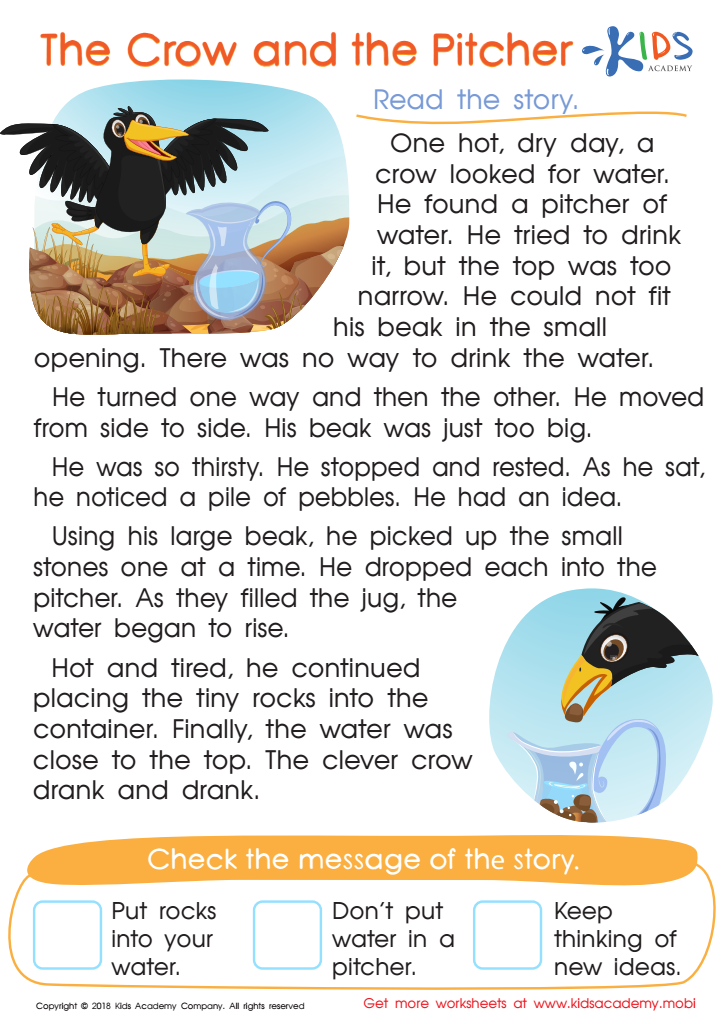
The Crow and the Pitcher Worksheet
 Assign to My Students
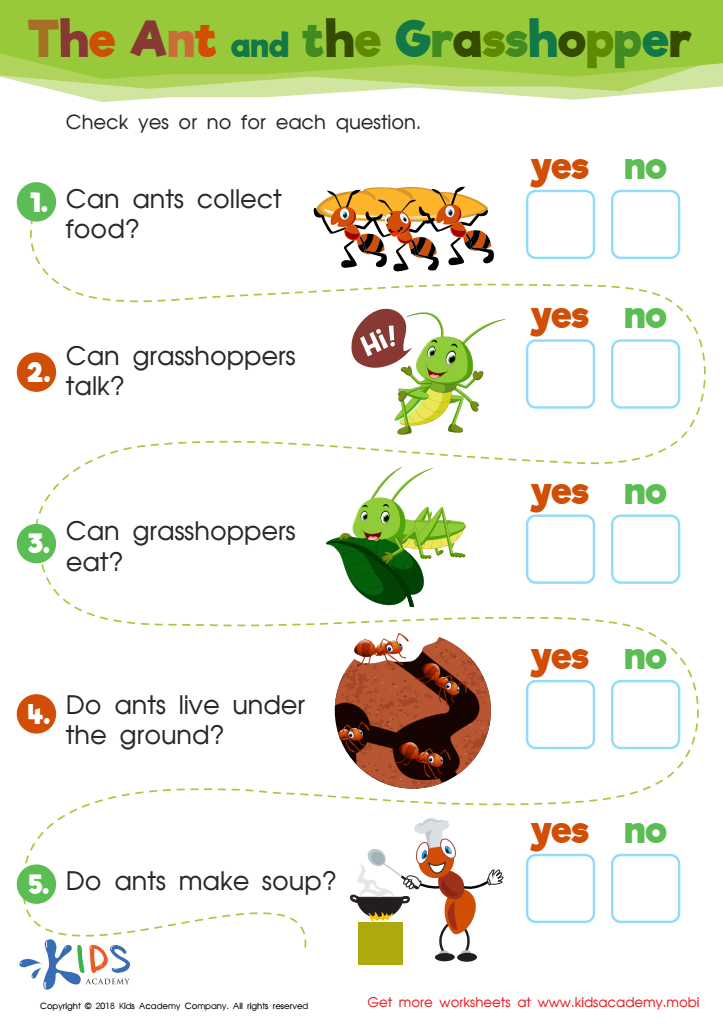
The Ant and The Grasshopper Worksheet
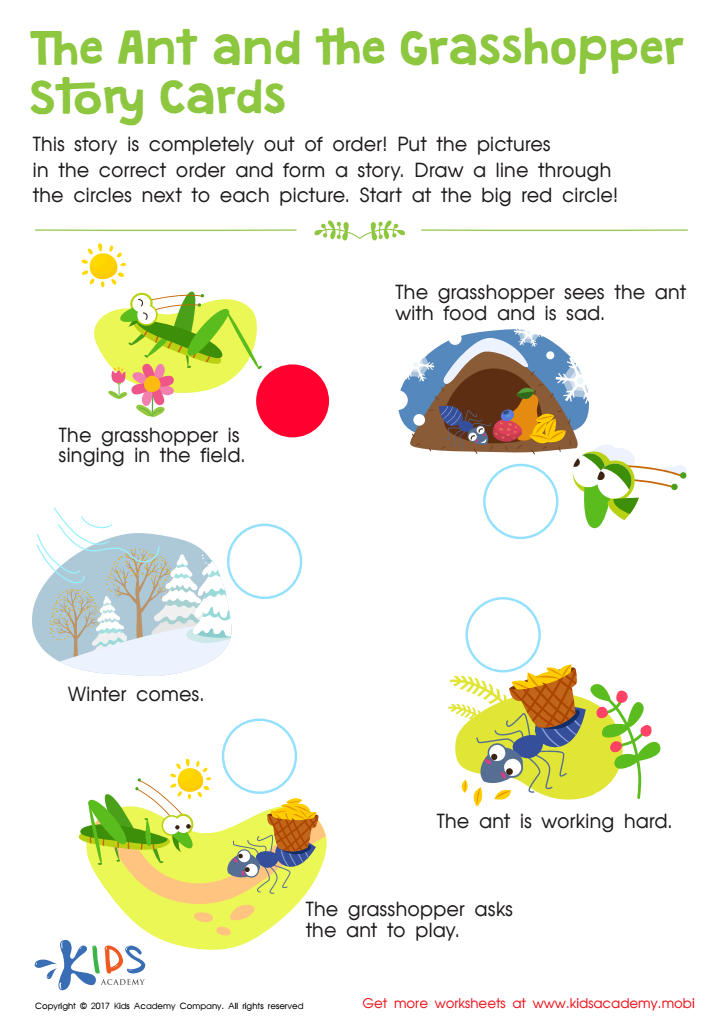
The Ant and The Grasshopper Worksheet
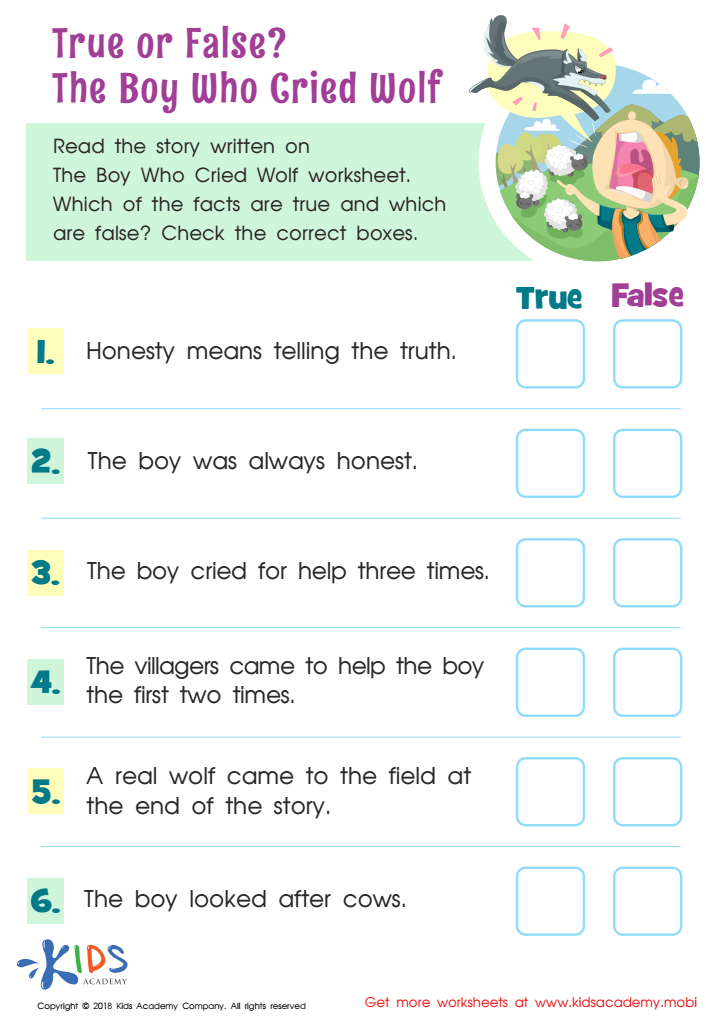
True or False? The Boy Who Cried Wolf Worksheet
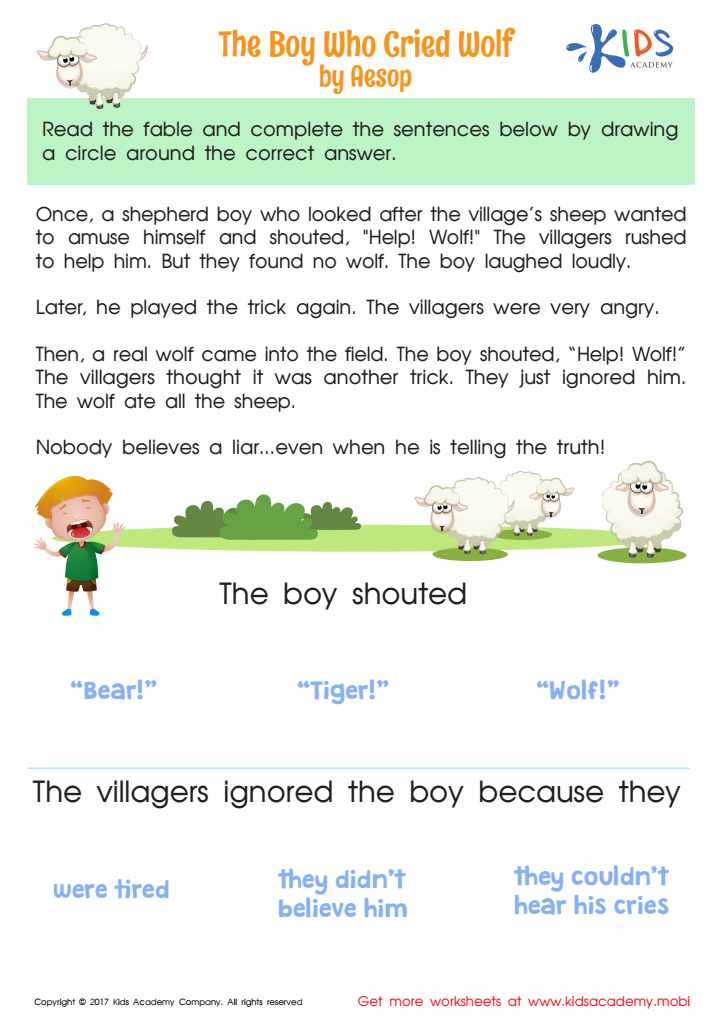
The Boy Who Cried Wolf Worksheet




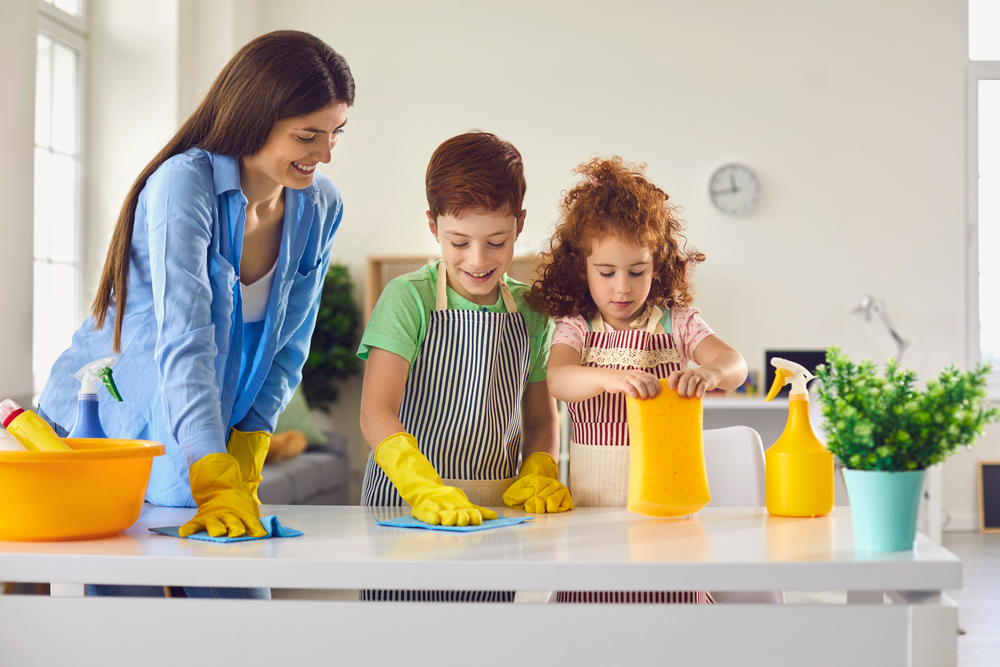


Moral understanding is crucial for 7-year-olds as it lays the foundation for their development into empathetic, responsible individuals. At this age, children are beginning to grasp concepts of right and wrong, fairness, and empathy. Caring about their moral development helps guide them through complex social interactions and relationships with peers and adults.
Teachers and parents play pivotal roles in nurturing a child’s moral compass. Engaging in discussions about ethics, justice, and empathy can enhance their ability to understand others’ feelings and perspectives. This awareness fosters a respectful school and home environment, leading to reduced conflicts and bullying, ultimately promoting social harmony.
Moreover, instilling moral values encourages children to take responsibility for their actions, boosting their self-esteem and decision-making skills. It also helps them navigate challenges they may face as they grow.
By bolstering moral understanding, parents and teachers equip children with the tools to become kind, respectful, and thoughtful members of society. Supporting their moral education paves the path for lifelong social skills that are crucial in personal and professional relationships, creating conscientious citizens who contribute positively to their communities.








