Practice inference skills Worksheets for 7-Year-Olds
4 filtered results
-
From - To
Enhance your 7-year-old's critical thinking with our Practice Inference Skills Worksheets. Specifically designed to develop crucial reasoning abilities, these engaging and fun activities challenge young minds to read between the lines and draw conclusions based on provided information. Our worksheets incorporate a range of enticing exercises tailored for young learners, ensuring they grasp the concept of making inferences in a methodical and enjoyable manner. As kids explore these pages, they learn to connect clues, improve comprehension, and build a solid foundation for advanced reading skills. Give your child the tools to excel academically with these essential practice worksheets.
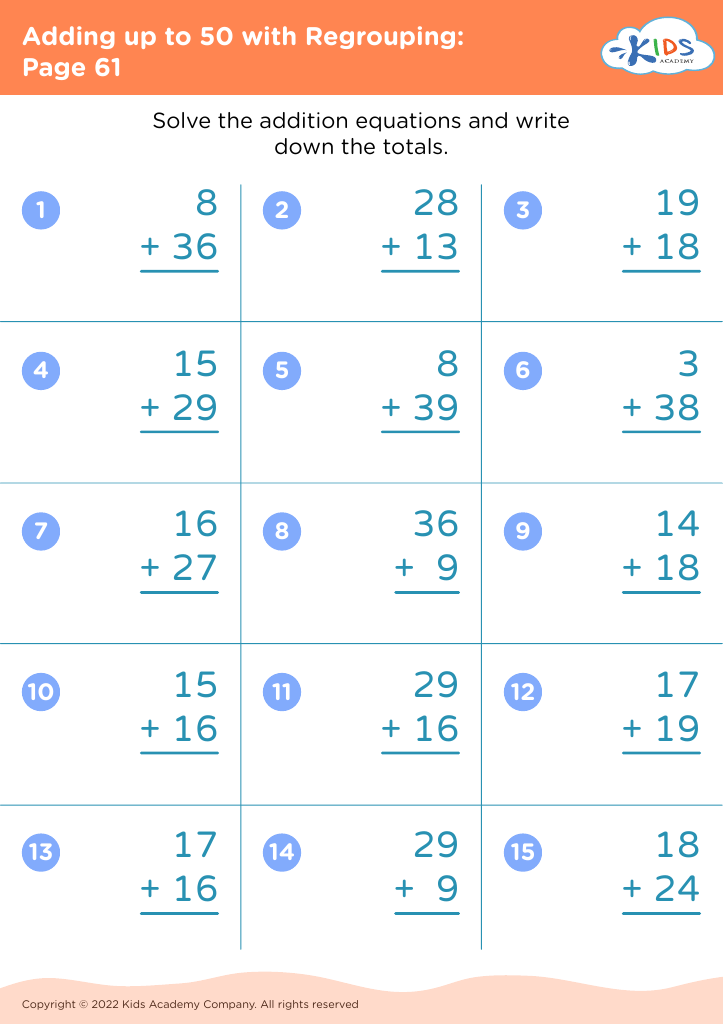
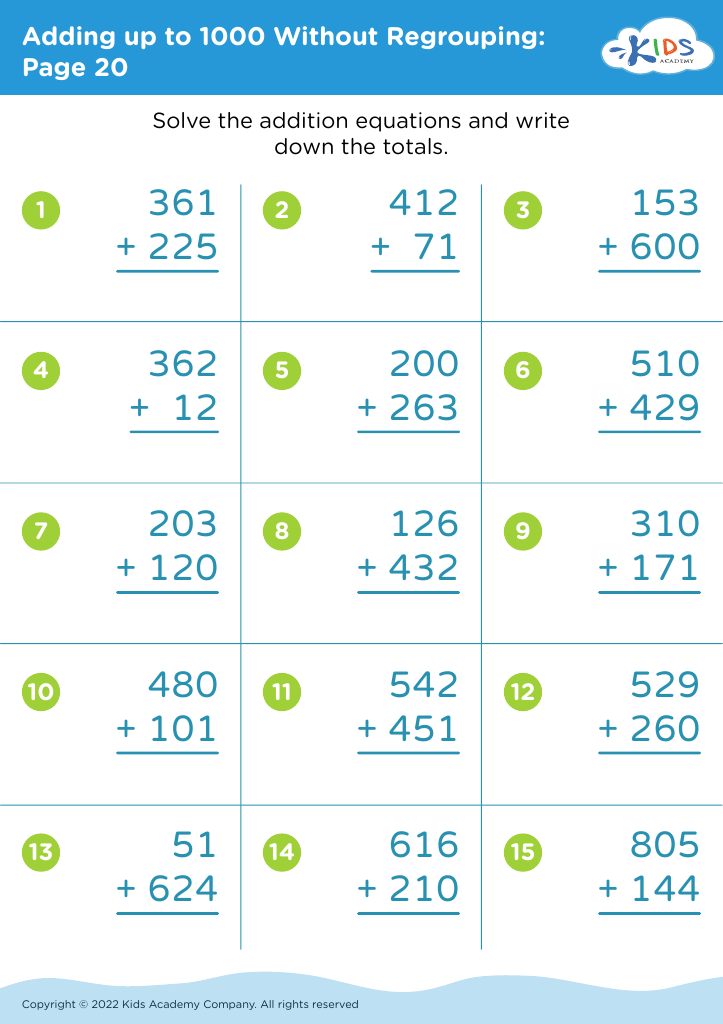
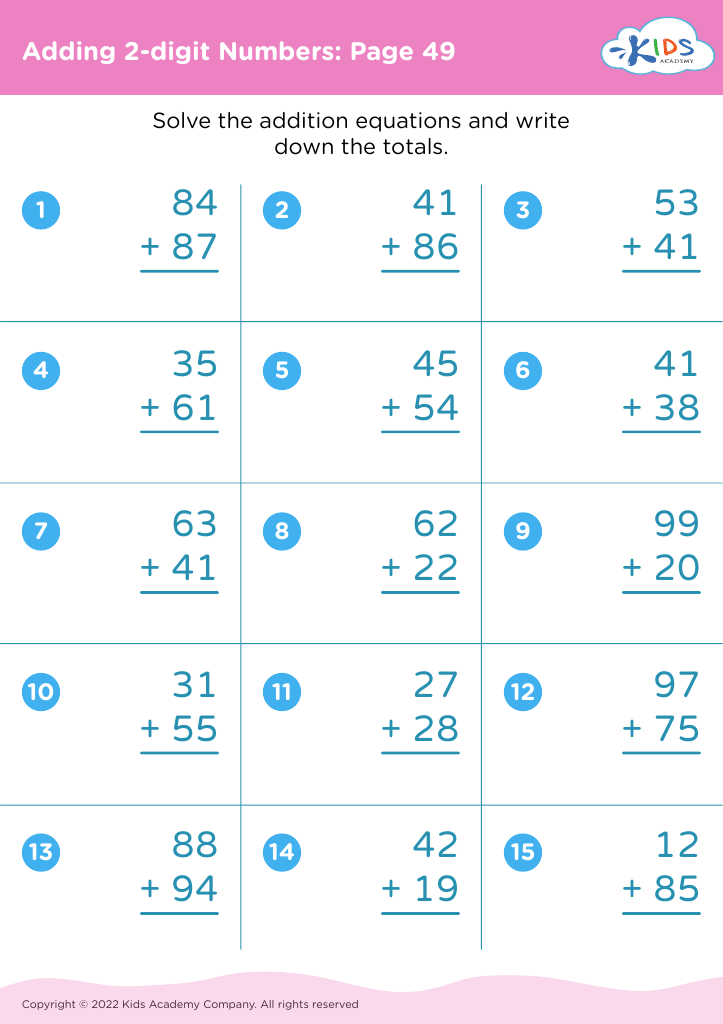
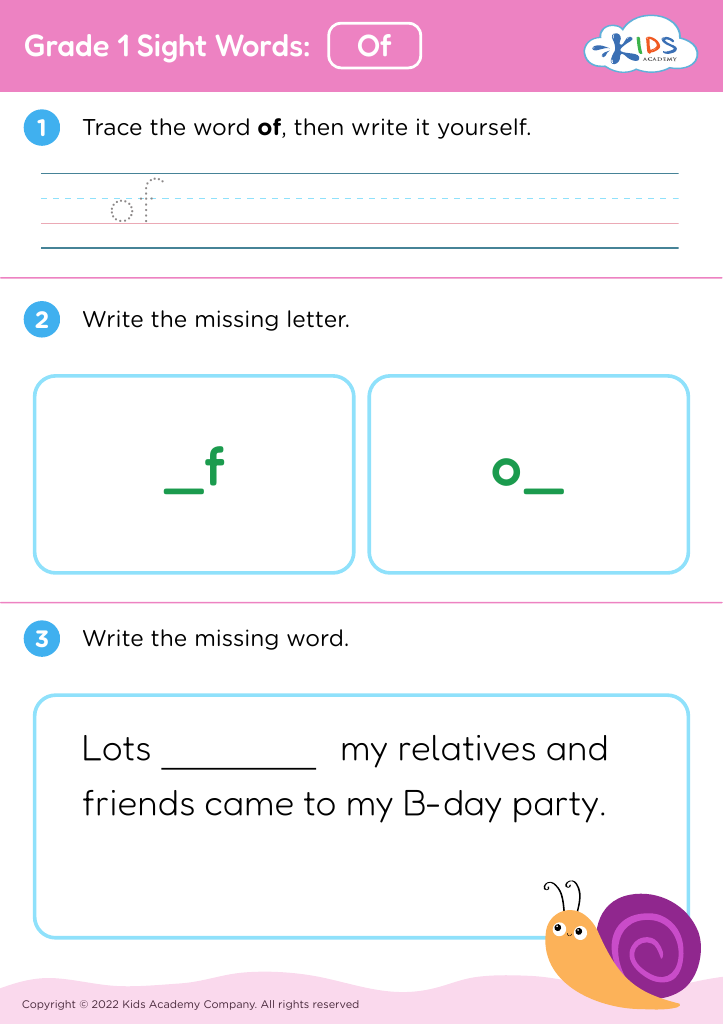







Practicing inference skills is crucial for 7-year-olds as it significantly enhances their cognitive development and reading comprehension. When children practice making inferences, they learn to read between the lines and extract meaning that is not explicitly stated. This skill is fundamental for understanding complex narratives, solving problems, and making connections between different ideas.
For parents and teachers, fostering these skills can help young learners improve their critical thinking abilities and their capacity to understand and interpret various contexts. This becomes particularly useful in academic environments, where comprehension and analytical thinking are essential for learning across subjects. Practice inferences can also aid in social development, as children who can read emotions and intentions become better at navigating relationships and social situations.
Moreover, enhancing inference skills at a young age sets a foundation for lifelong learning and intellectual curiosity. As children become adept at asking questions and seeking answers beyond the obvious, they cultivate a habit of deeper thinking and engagement. In fostering these skills, parents and teachers play a vital role in empowering children to become more effective and enthusiastic learners, equipped to handle various challenges both in school and in life.








