Recognizing equivalent fractions Worksheets for 7-Year-Olds
4 filtered results
-
From - To
Explore our "Recognizing Equivalent Fractions Worksheets for 7-Year-Olds" designed to enhance your child's math skills in a fun and engaging way. These worksheets provide a variety of activities that help young learners identify and understand equivalent fractions through colorful visuals and interactive exercises. With clear explanations and diverse practice problems, children will develop confidence in their fraction knowledge. Perfect for classroom use or home study, our resources support the curriculum and foster essential skills in a joyful learning environment. Help your child succeed in math with our thoughtfully crafted worksheets that make mastering equivalent fractions easy and enjoyable!
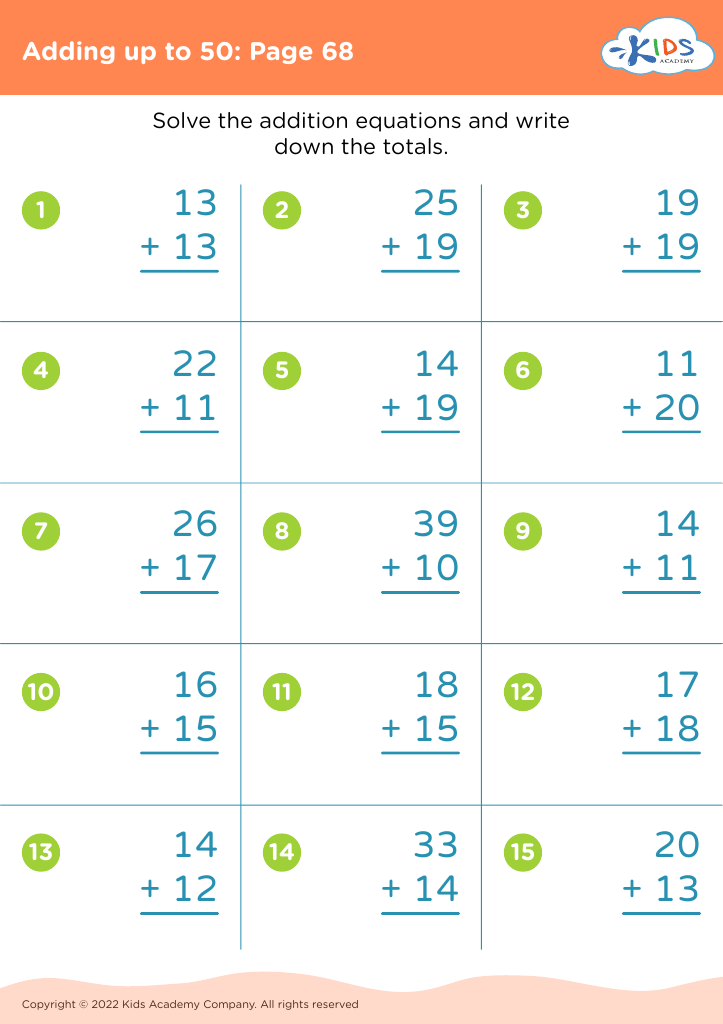
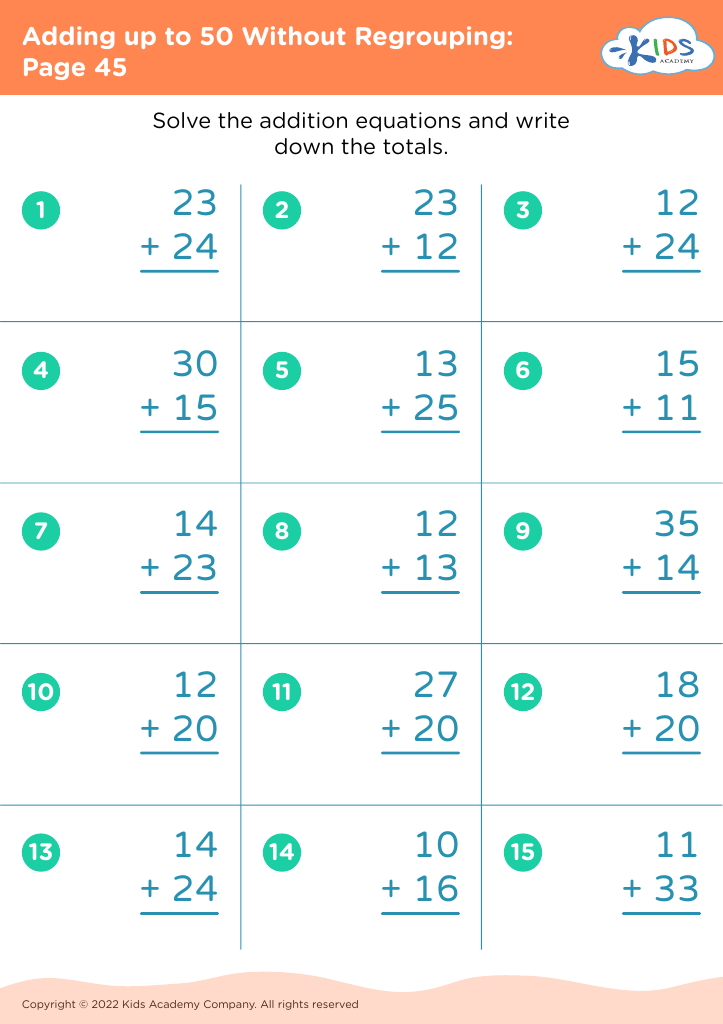
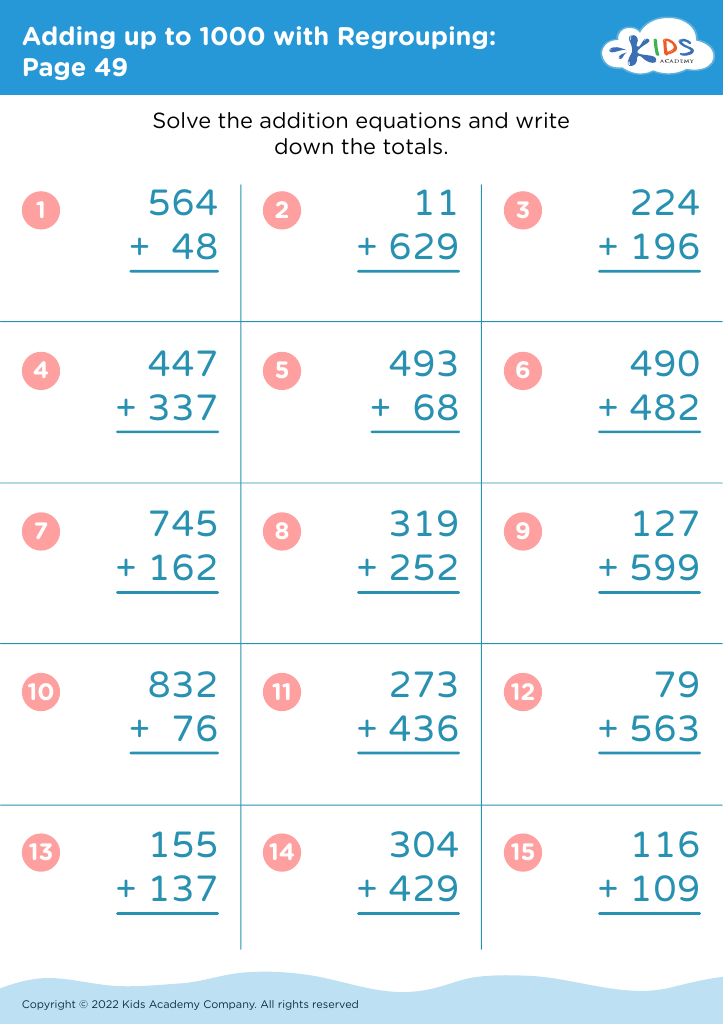
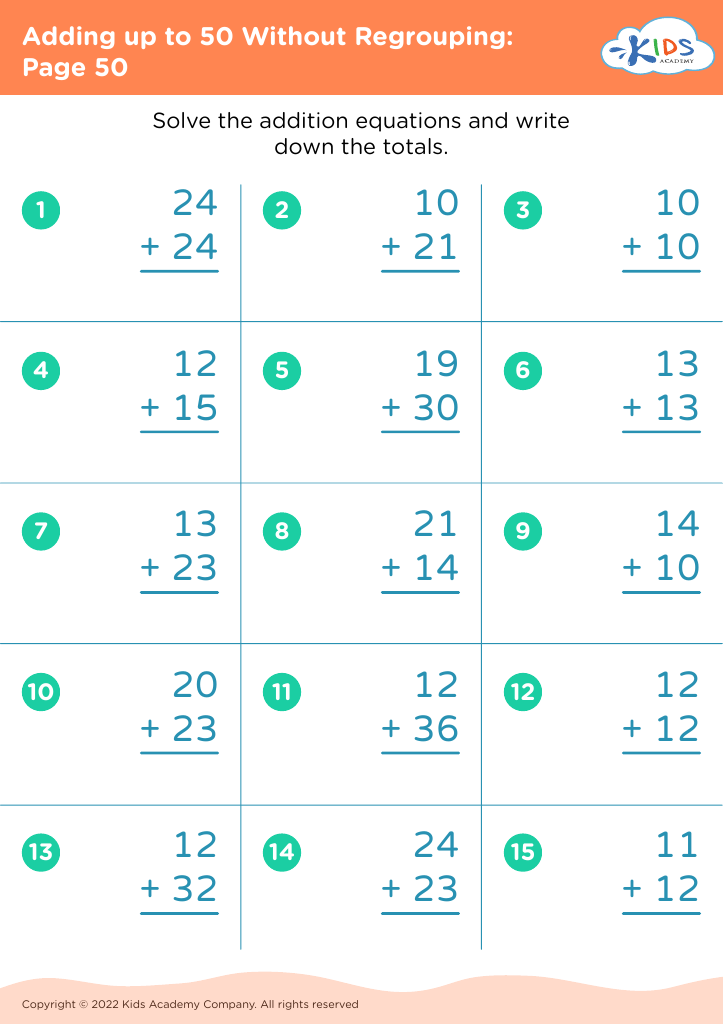




.jpg)

Recognizing equivalent fractions is an essential math skill for 7-year-olds, as it forms a foundational understanding of fractions that supports future mathematical learning. By grasping this concept, children can develop greater confidence in their abilities to work with numbers and problem-solving.
One key reason parents and teachers should prioritize this skill is that it fosters critical thinking. Recognizing equivalent fractions requires children to analyze, compare, and manipulate numbers, enhancing their cognitive development. This skill not only improves their understanding of fractions but also enhances their overall numeracy.
Additionally, understanding equivalent fractions aids children in everyday situations, such as cooking or sharing, where fractions are commonly used. It helps them appreciate the concept of parts of a whole, fostering practical life skills.
Moreover, when students understand equivalent fractions, they can easily perform operations such as addition and subtraction with fractions, setting them up for success in higher math. This early introduction to foundational concepts creates a smoother transition into more complex topics, ensuring students are well-prepared for future grade levels.
Ultimately, by fostering a strong grasp of equivalent fractions, parents and teachers can help instill a love for math, encourage curiosity, and lay the groundwork for lifelong math skills.








