Spatial Orientation Worksheets for 7-Year-Olds
4 filtered results
-
From - To
Discover our engaging Spatial Orientation Worksheets designed specifically for 7-year-olds! These worksheets are perfect for helping young learners develop essential spatial awareness skills, enhancing their ability to understand and navigate their environments. Your child will enjoy fun activities that encourage them to recognize position, direction, and movement through hands-on exercises and illustrations. Each worksheet is created to cater to varying educational needs, ensuring every child can thrive. Explore our extensive collection from simple tasks to more complex challenges, helping to build confidence and competence in spatial reasoning. Foster essential skills that benefit their learning journey in a playful, supportive way!
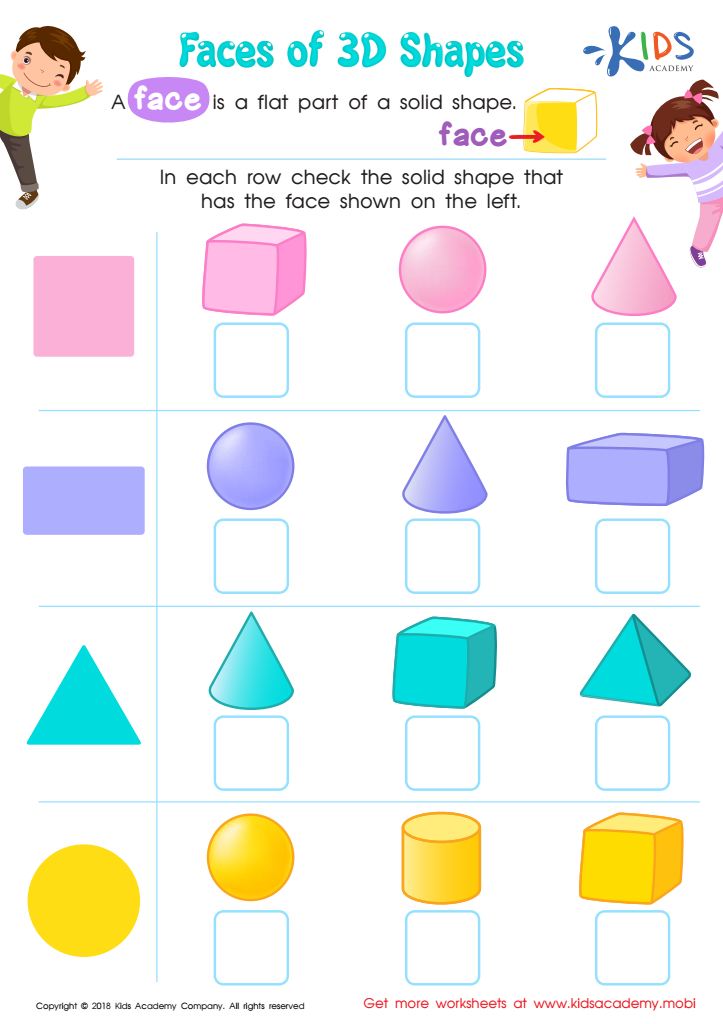
Faces of 3D Shapes Worksheet
 Assign to My Students
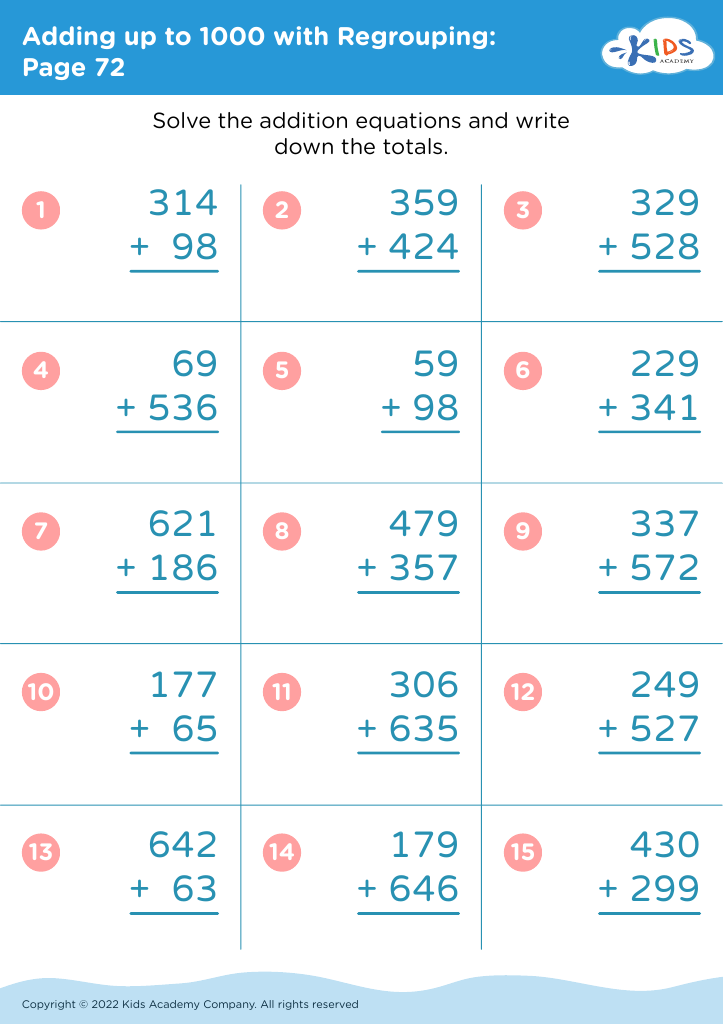
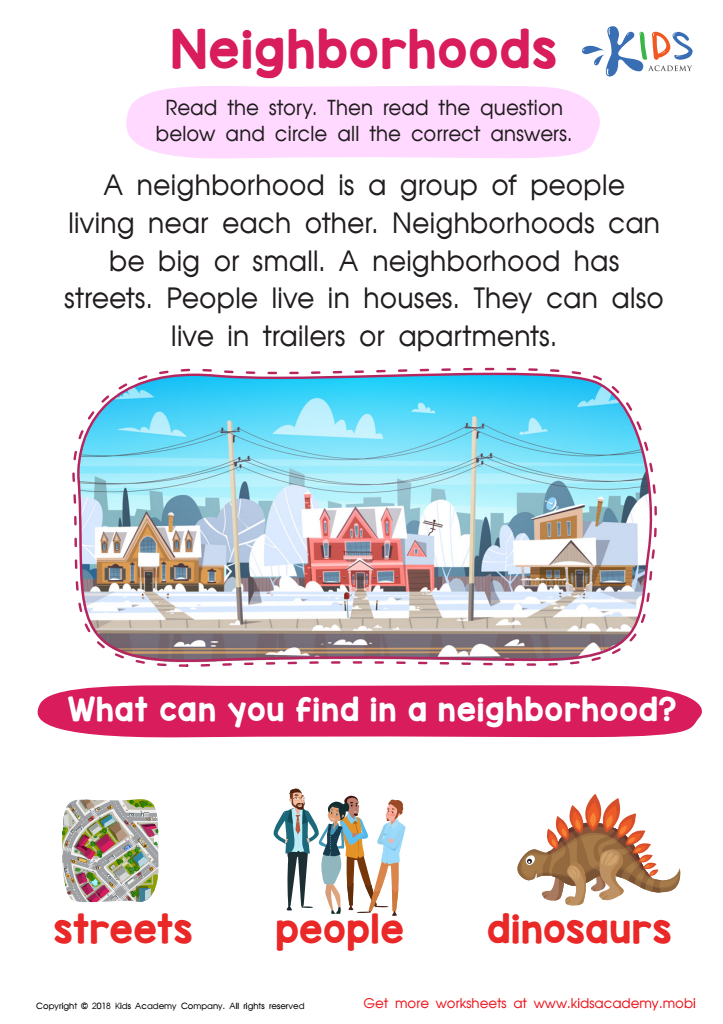
Neighborhoods Worksheet
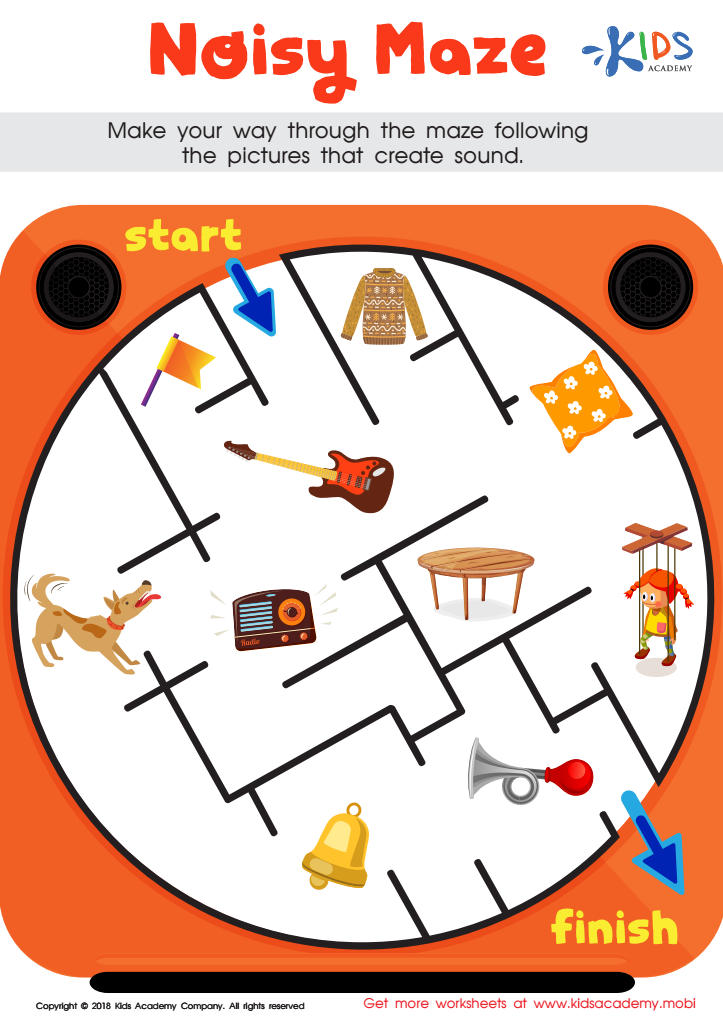
Noisy Maze Worksheet







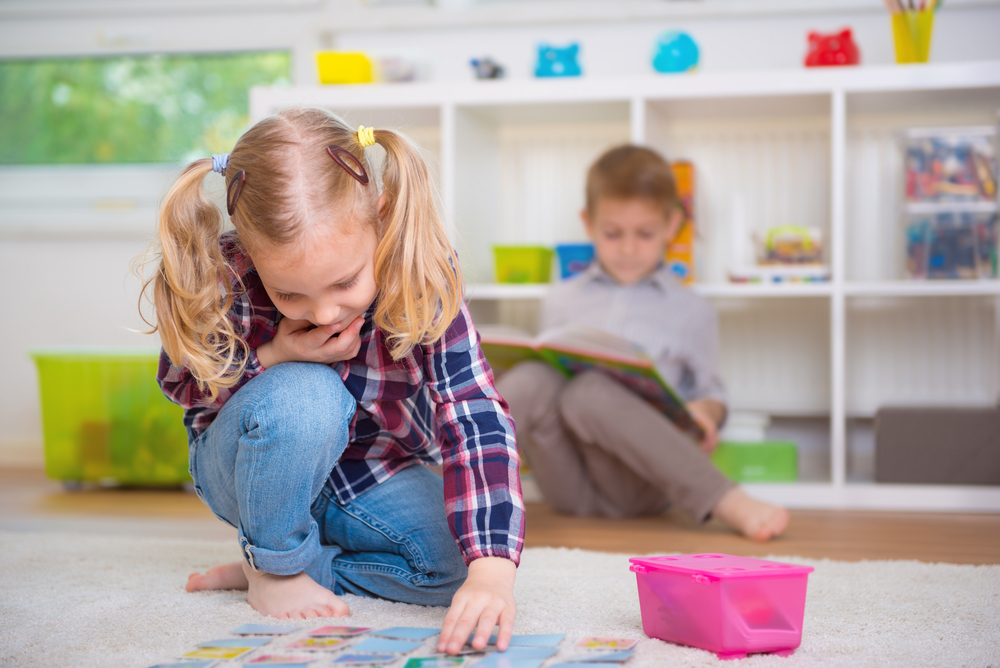
Spatial orientation is the ability to understand and navigate the space around us. For 7-year-olds, this skill is crucial as it underpins many learning areas, including mathematics, reading, and physical activities. Parents and teachers should care about spatial orientation because it fosters critical cognitive skills such as problem-solving, reasoning, and creativity. Children with strong spatial awareness can better visualize and manipulate objects mentally, which enhances their ability to understand complex concepts in geometry and measurement.
Moreover, spatial orientation is linked to success in subjects like science and engineering, where understanding the relationships between different elements is vital. Encouraging activities such as puzzles, map reading, and building with blocks can significantly improve a child's spatial skills. These activities also promote fine motor skills and spatial memory.
Furthermore, spatial awareness contributes to social development; children learn to navigate their environment during play, leading to more interaction and collaboration with peers. In essence, fostering spatial orientation not only supports academic growth but also aids developmental milestones that are essential for social skills, self-confidence, and emotional intelligence. By emphasizing its importance, parents and teachers can provide children with a strong foundation for lifelong learning and success.








