Check out this FREE "Understanding fractions" Trial Lesson for age 7!

Short and Long Vowel Sort

Favorites
With answer key
Interactive
  • 7
  • Understanding fractions
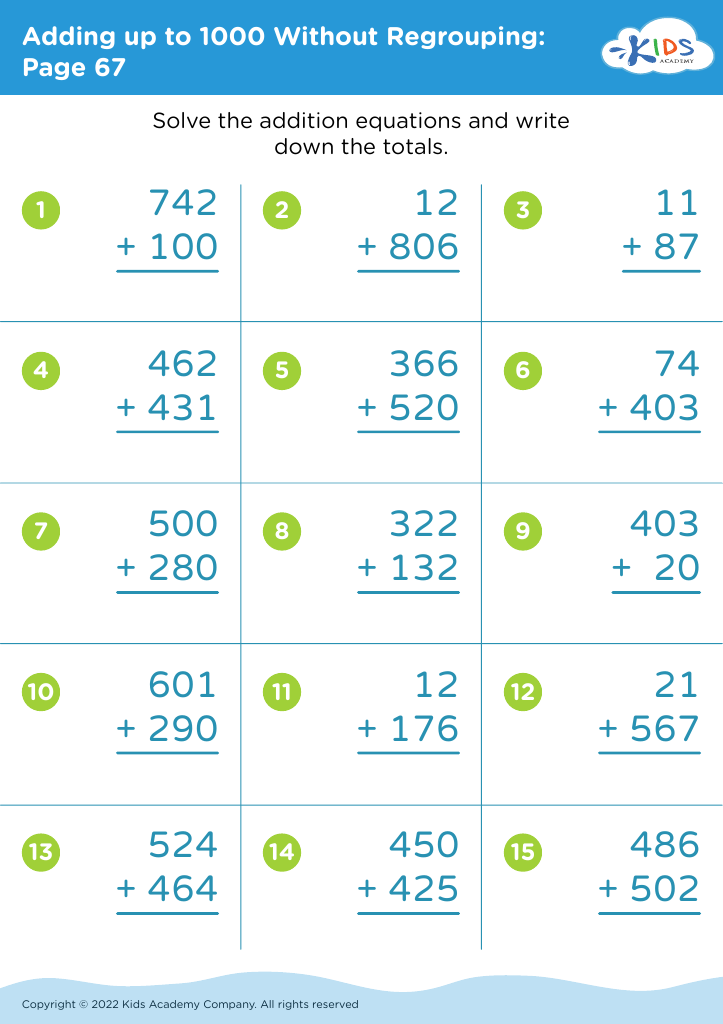
Adding up to 1000 Without Regrouping: Page 67
Worksheet
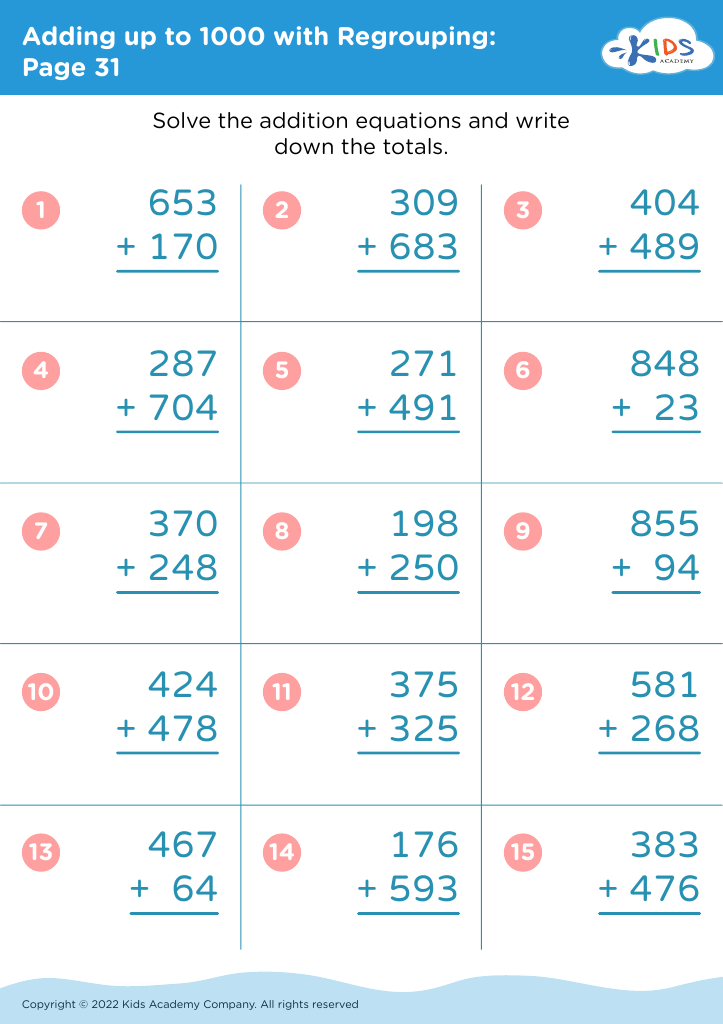
Adding up to 1000 with Regrouping: Page 31
Worksheet
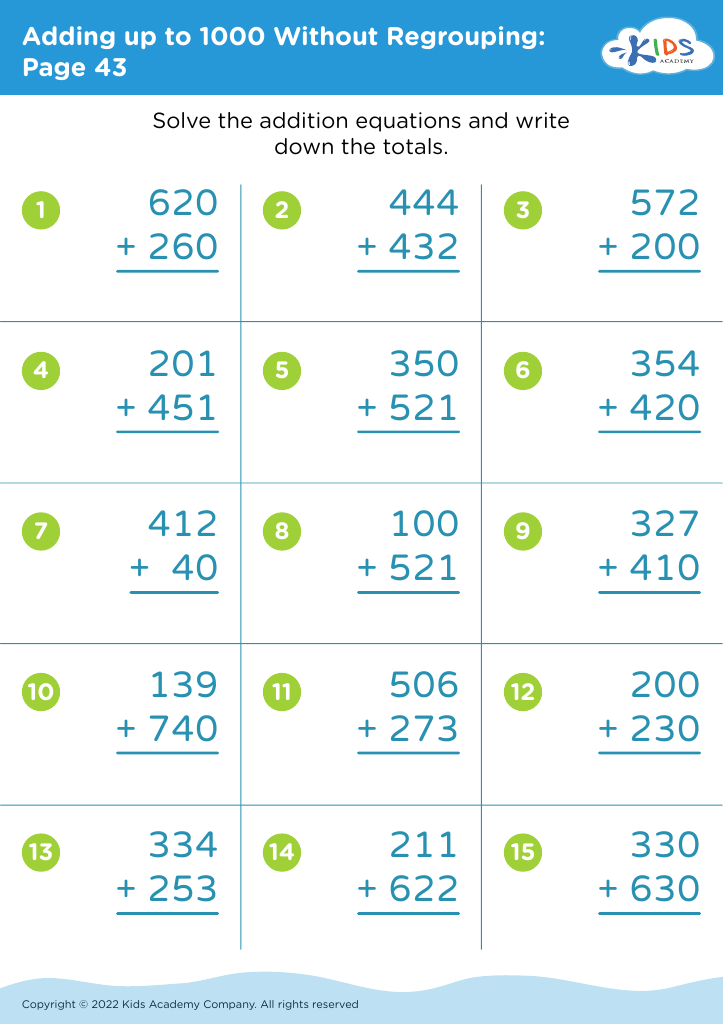
Adding up to 1000 Without Regrouping: Page 43
Worksheet
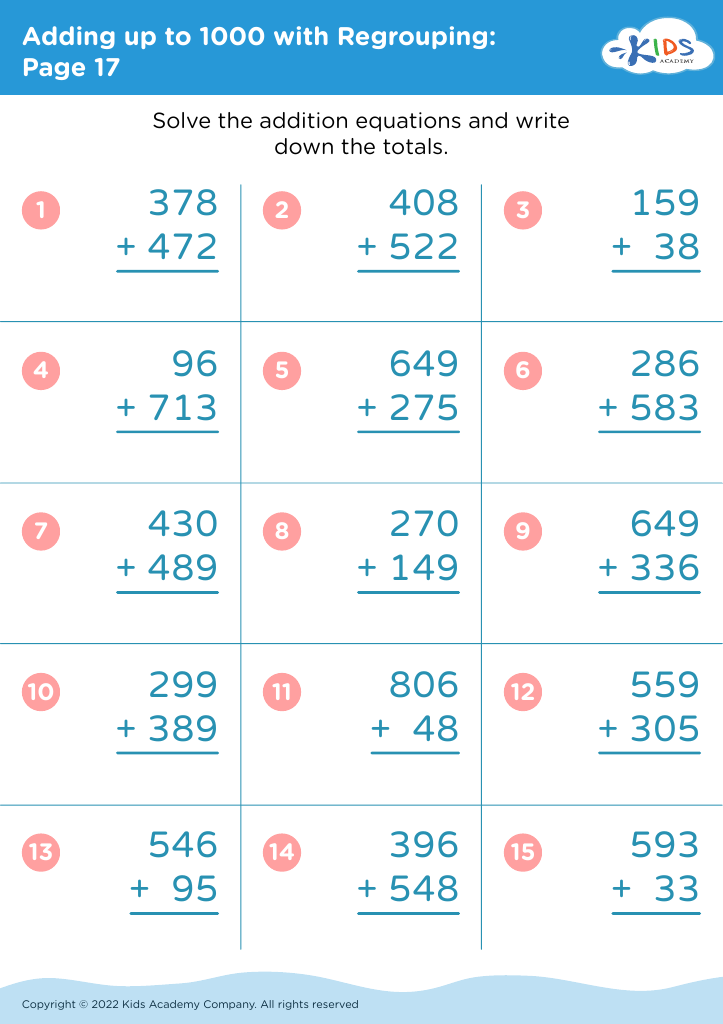
Adding up to 1000 with Regrouping: Page 17
Worksheet
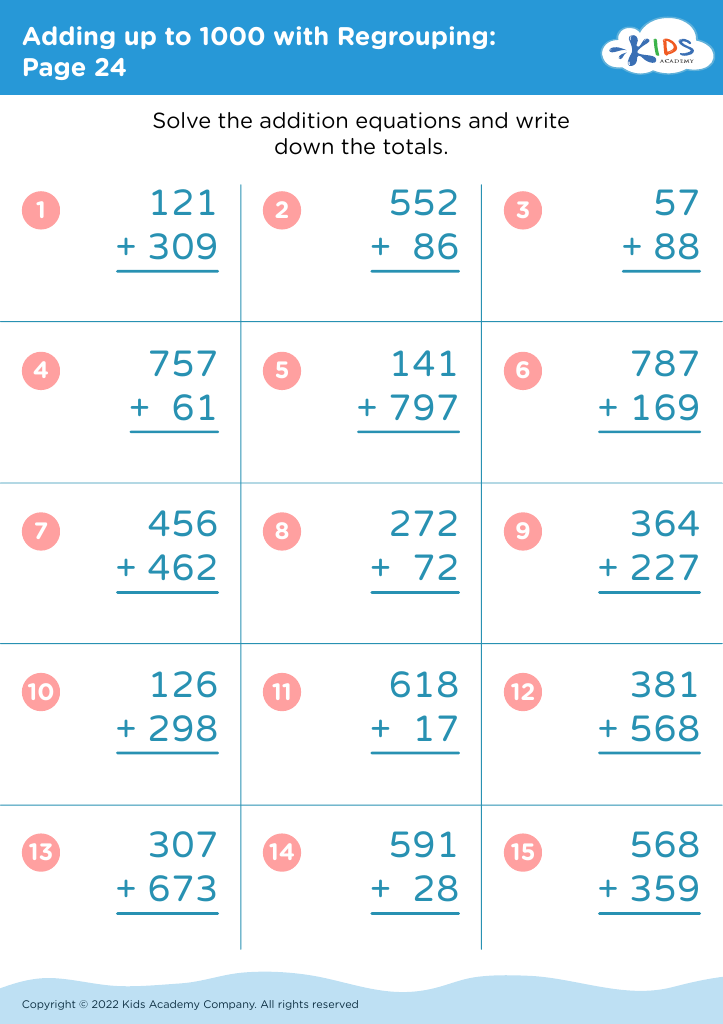
Adding up to 1000 with Regrouping: Page 24
Worksheet
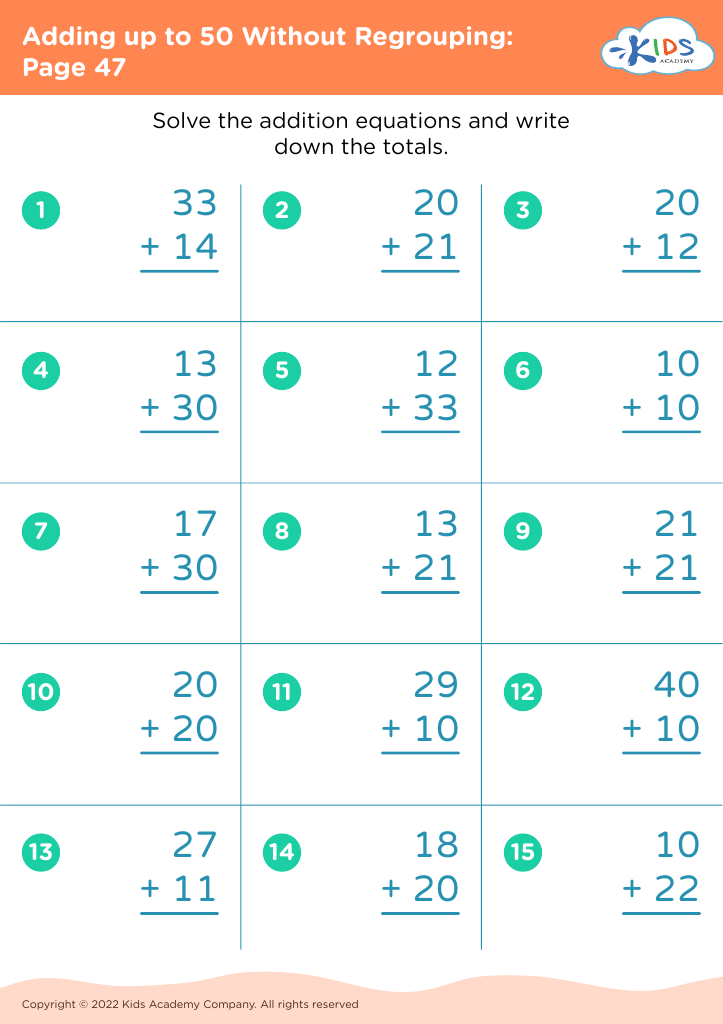
Adding up to 50 Without Regrouping: Page 47
Worksheet
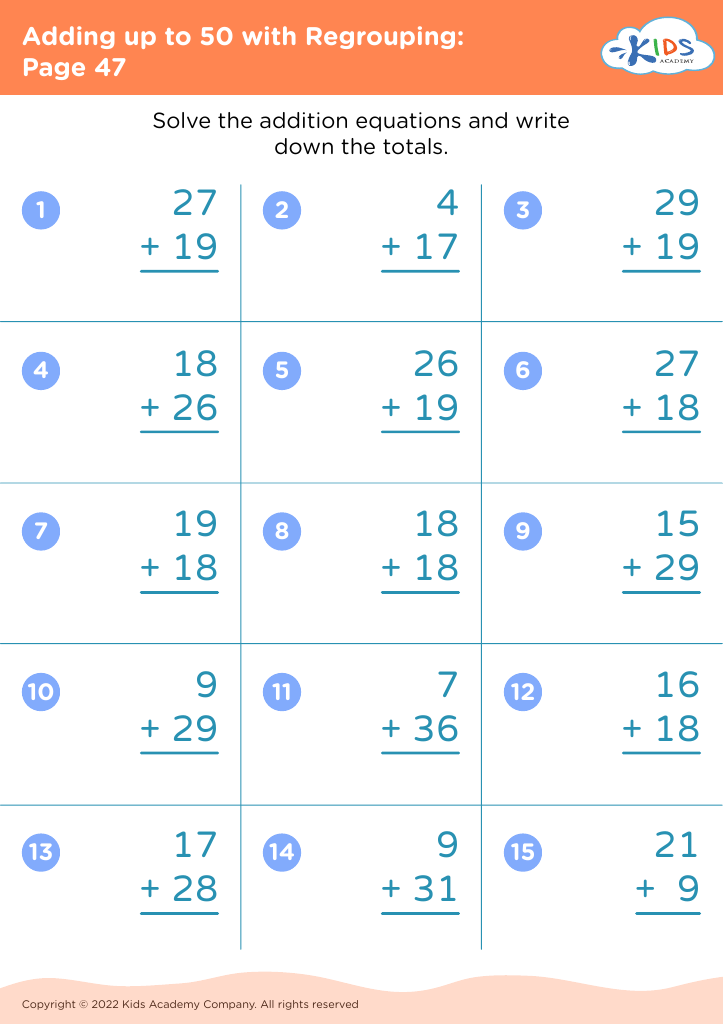
Adding up to 50 with Regrouping: Page 47
Worksheet
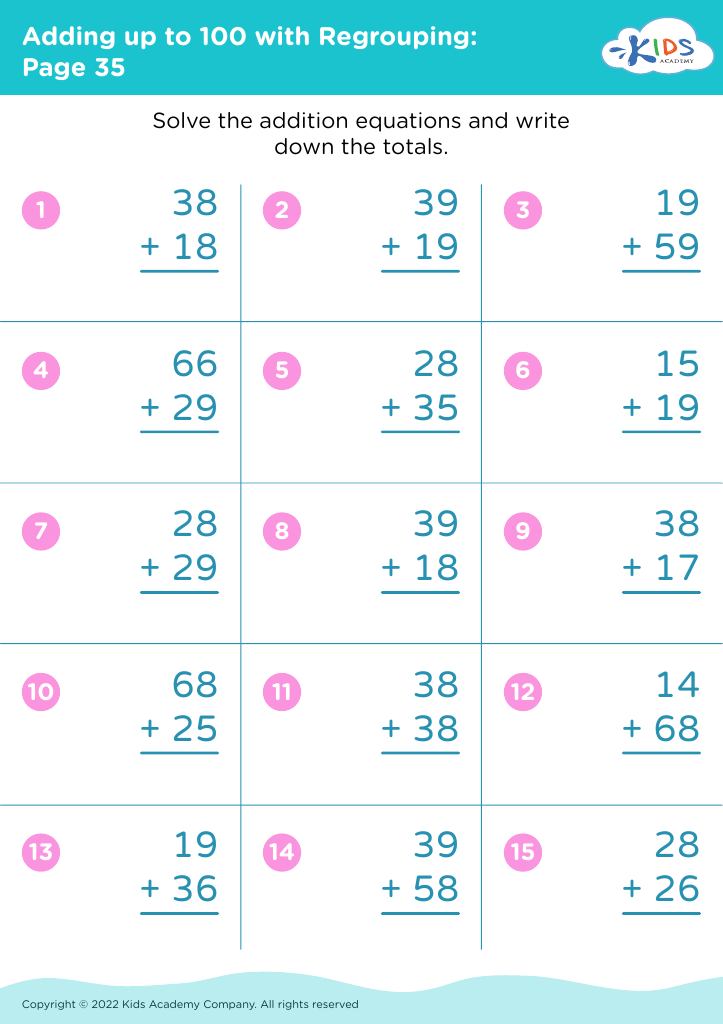
Adding up to 100 with Regrouping: Page 35
Worksheet
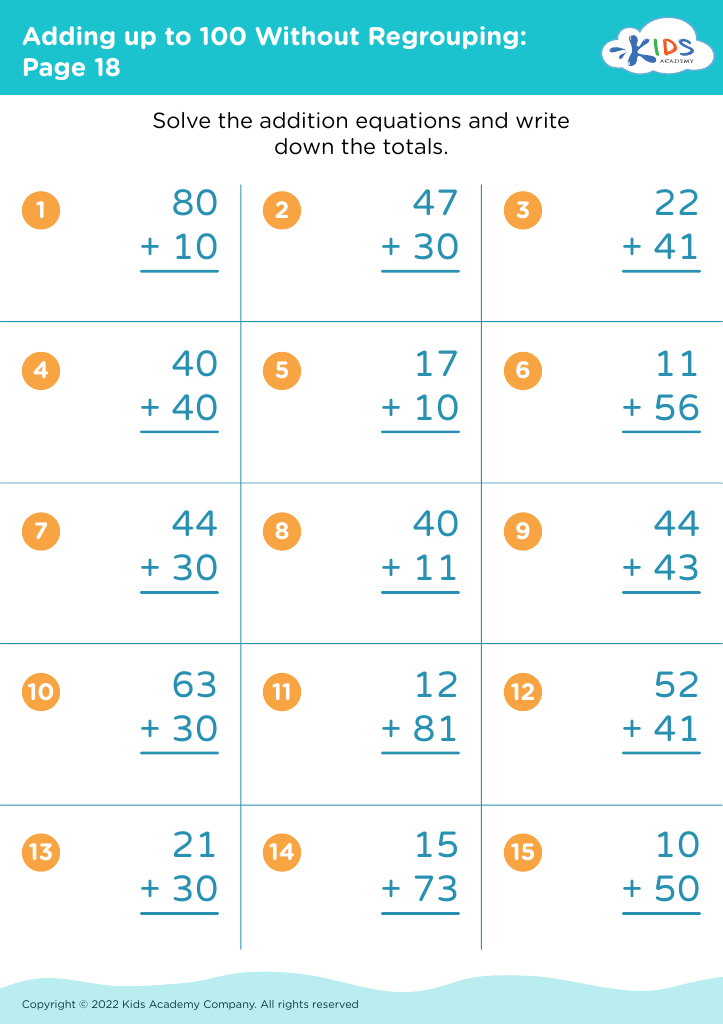
Adding up to 100 Without Regrouping: Page 18
Worksheet
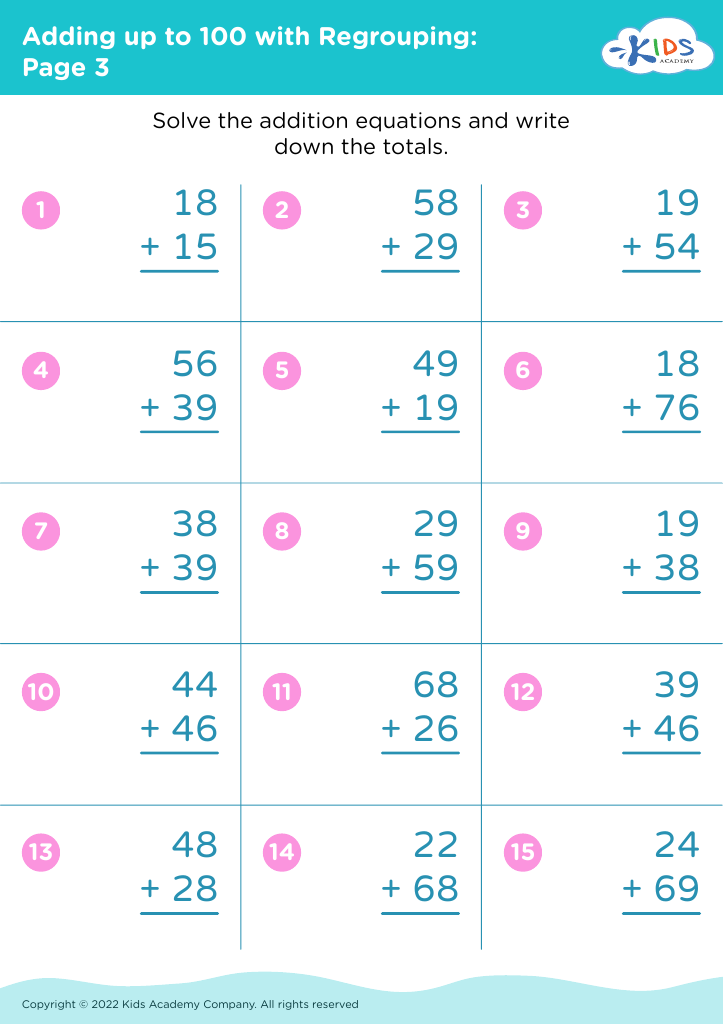
Adding up to 100 with Regrouping: Page 3
Worksheet
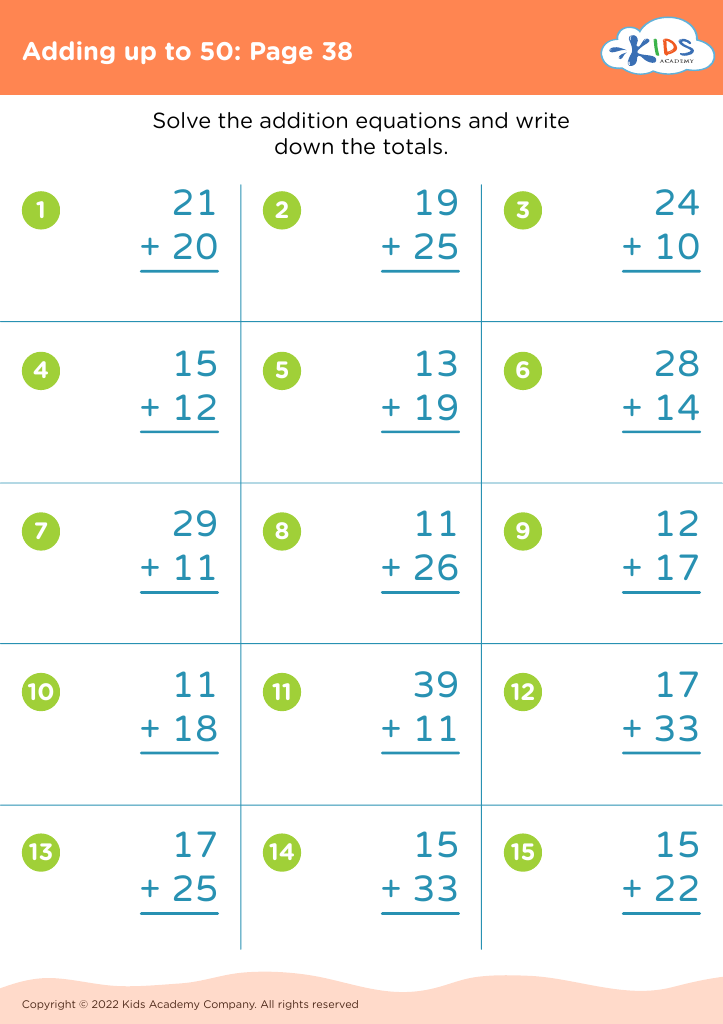
Adding up to 50: Page 38

Adding up to 50: Page 38

Adding up to 50: Page 38
Worksheet
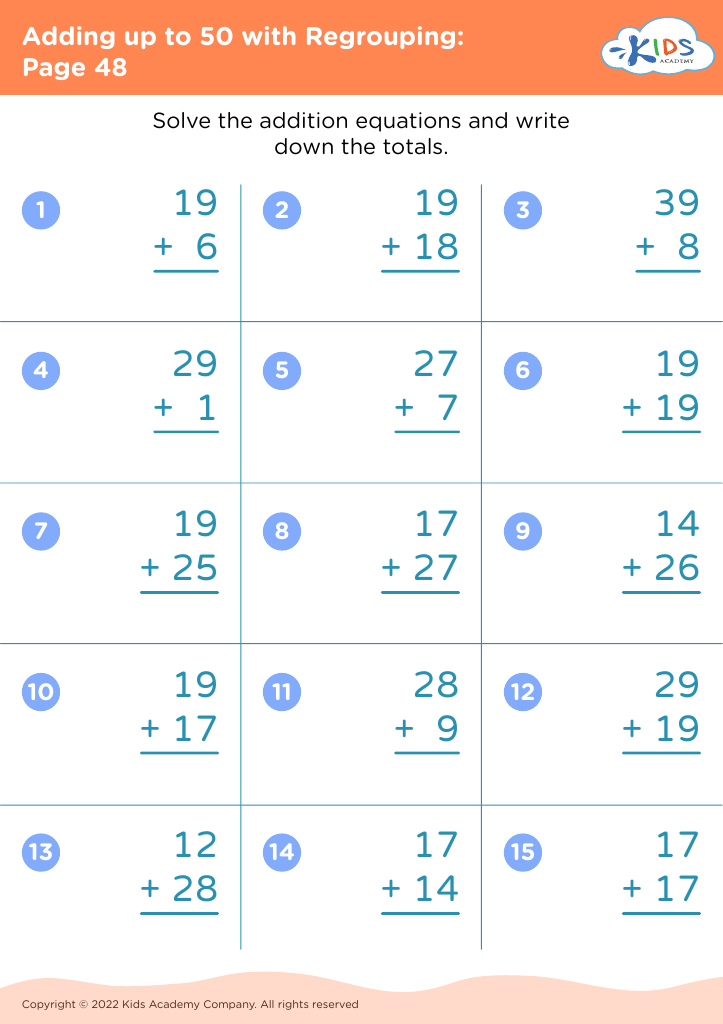
Adding up to 50 with Regrouping: Page 48
Worksheet
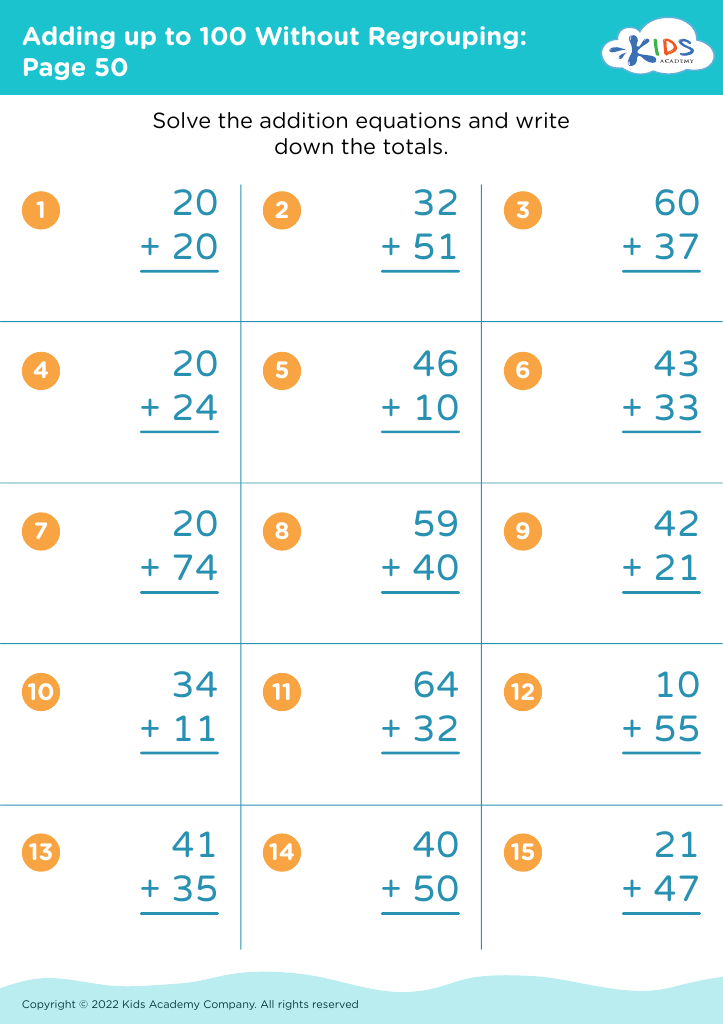
Adding up to 100 Without Regrouping: Page 50
Worksheet
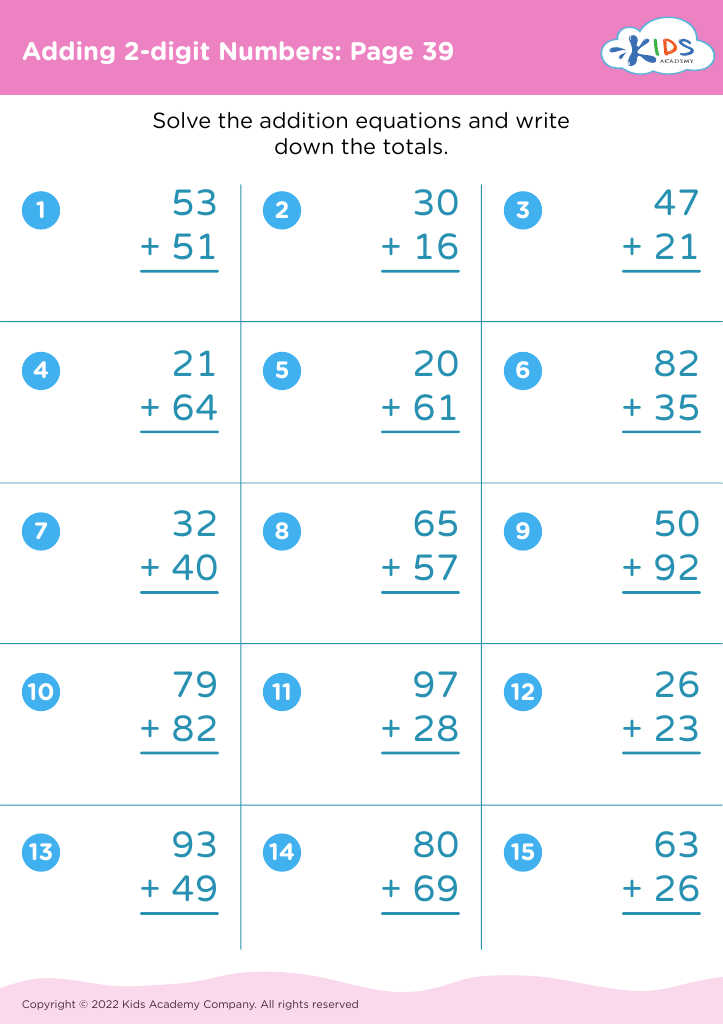
Adding 2-digit Numbers: Page 39

Adding 2-digit Numbers: Page 39

Adding 2-digit Numbers: Page 39
Worksheet
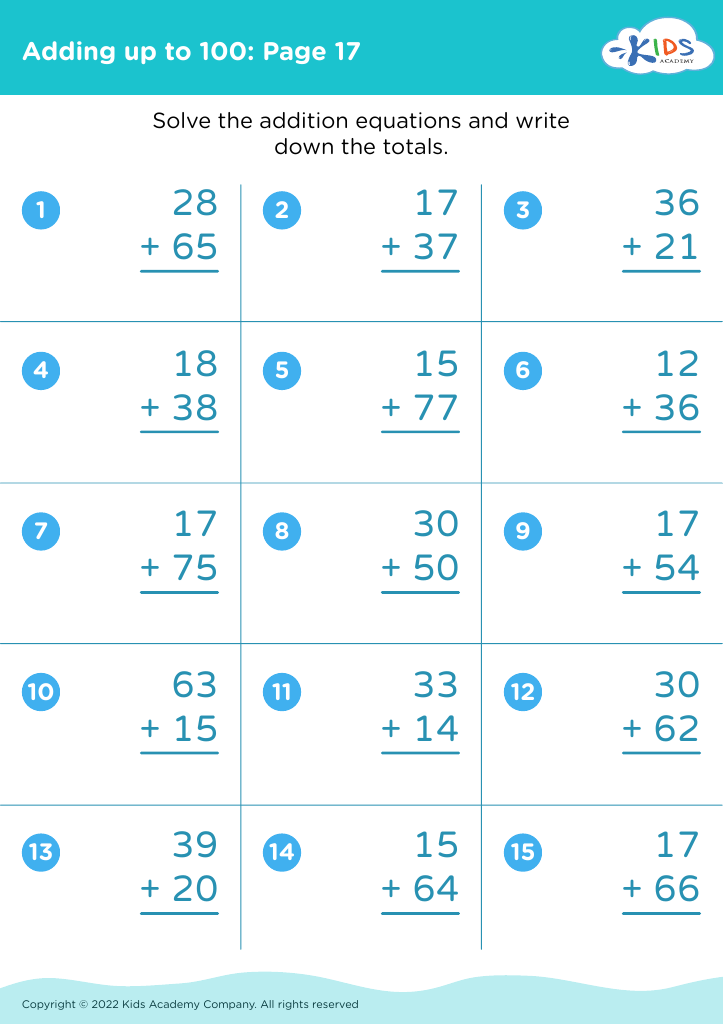
Adding up to 100: Page 17

Adding up to 100: Page 17

Adding up to 100: Page 17
Worksheet
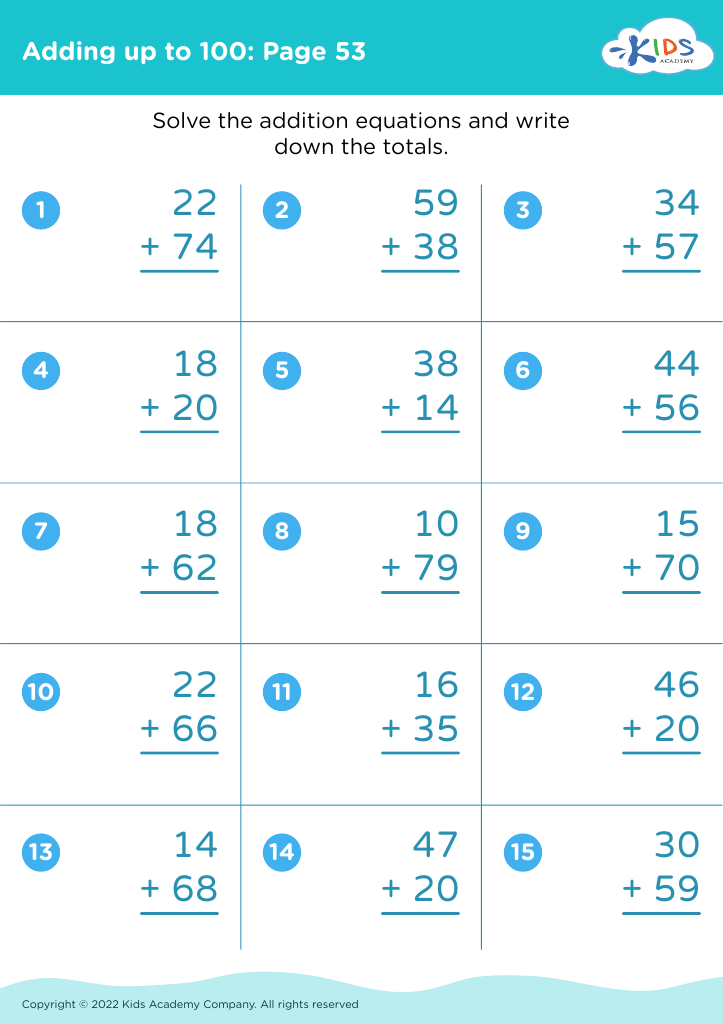
Adding up to 100: Page 53

Adding up to 100: Page 53

Adding up to 100: Page 53
Worksheet
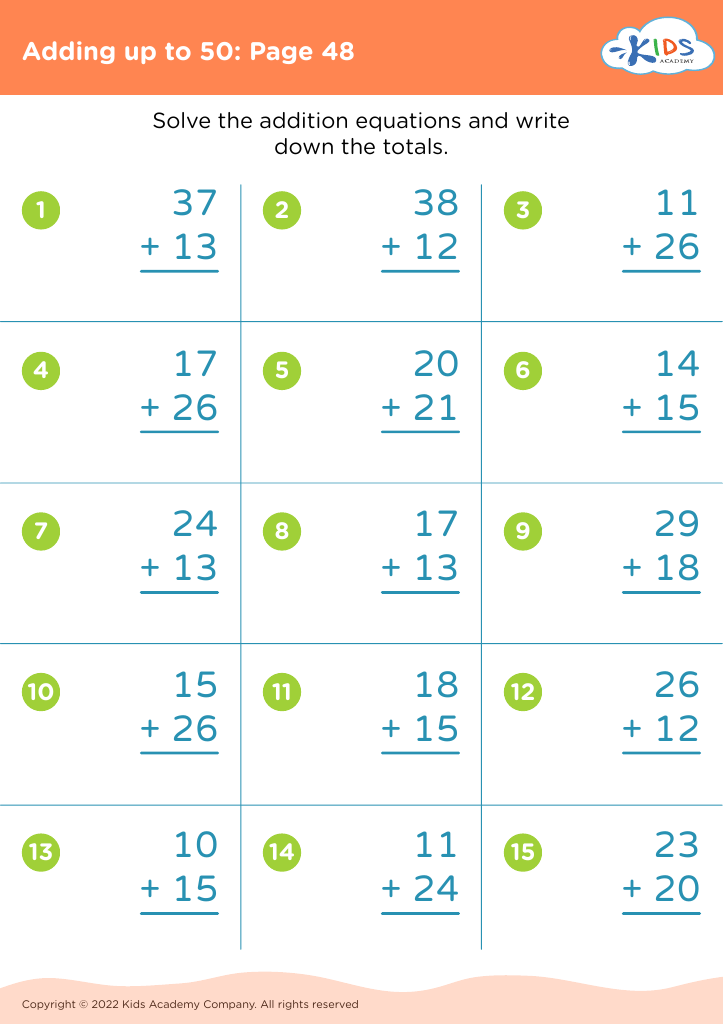
Adding up to 50: Page 48

Adding up to 50: Page 48

Adding up to 50: Page 48
Worksheet
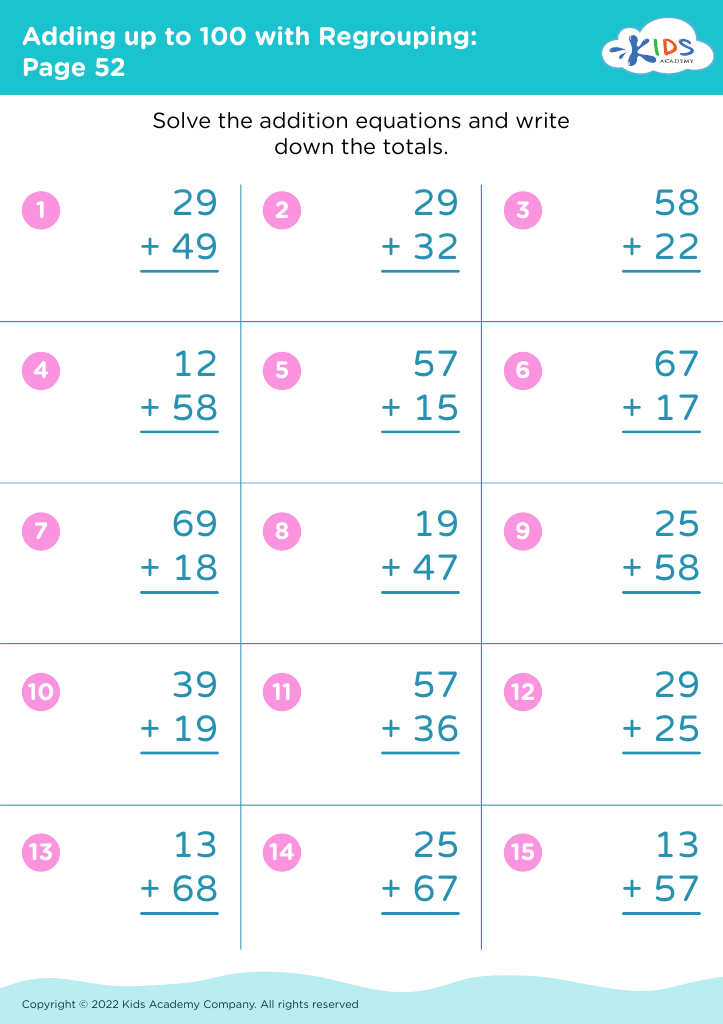
Adding up to 100 with Regrouping: Page 52
Worksheet
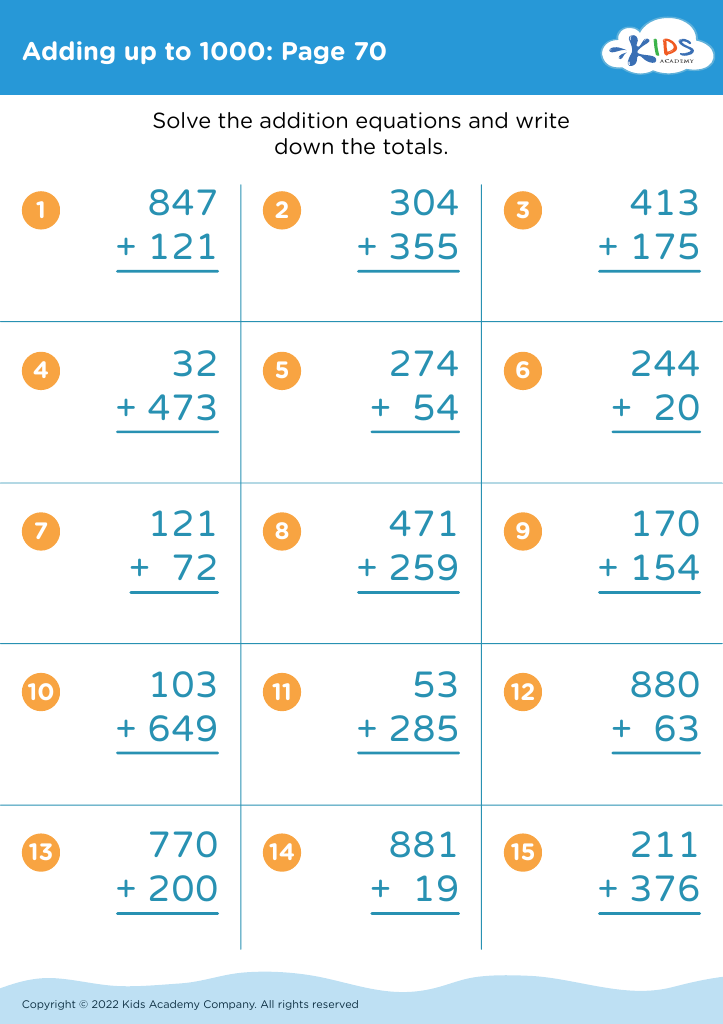
Adding up to 1000: Page 70

Adding up to 1000: Page 70

Adding up to 1000: Page 70
Worksheet
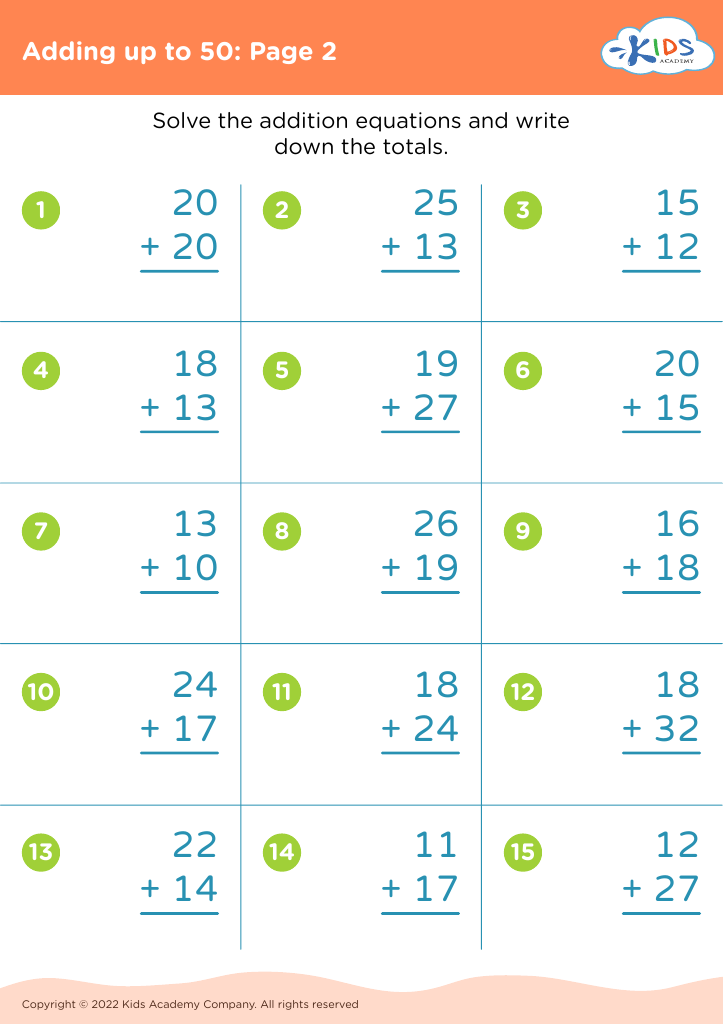
Adding up to 50: Page 2

Adding up to 50: Page 2

Adding up to 50: Page 2
Worksheet
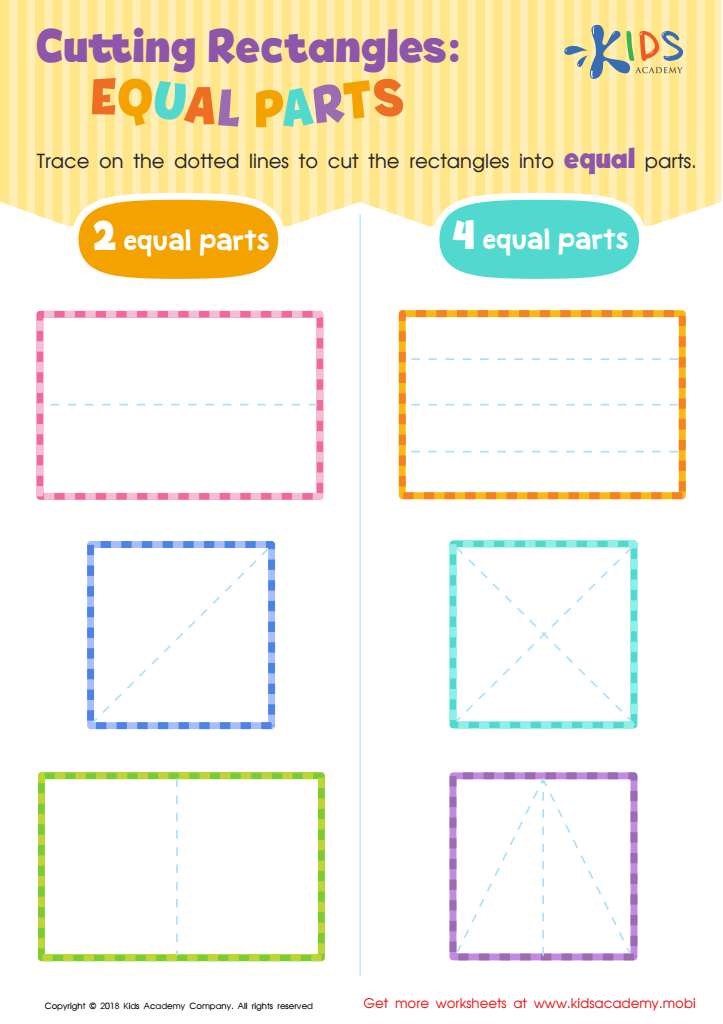
Cutting Rectangles: Equal Parts Worksheet

Cutting Rectangles: Equal Parts Worksheet

Help your child learn to divide shapes into two or four equal parts with this worksheet. It has six rectangles that need to be cut up as directed, following the dotted lines. Show it to your child and watch them gain confidence in mastering this skill.
Cutting Rectangles: Equal Parts Worksheet
Worksheet
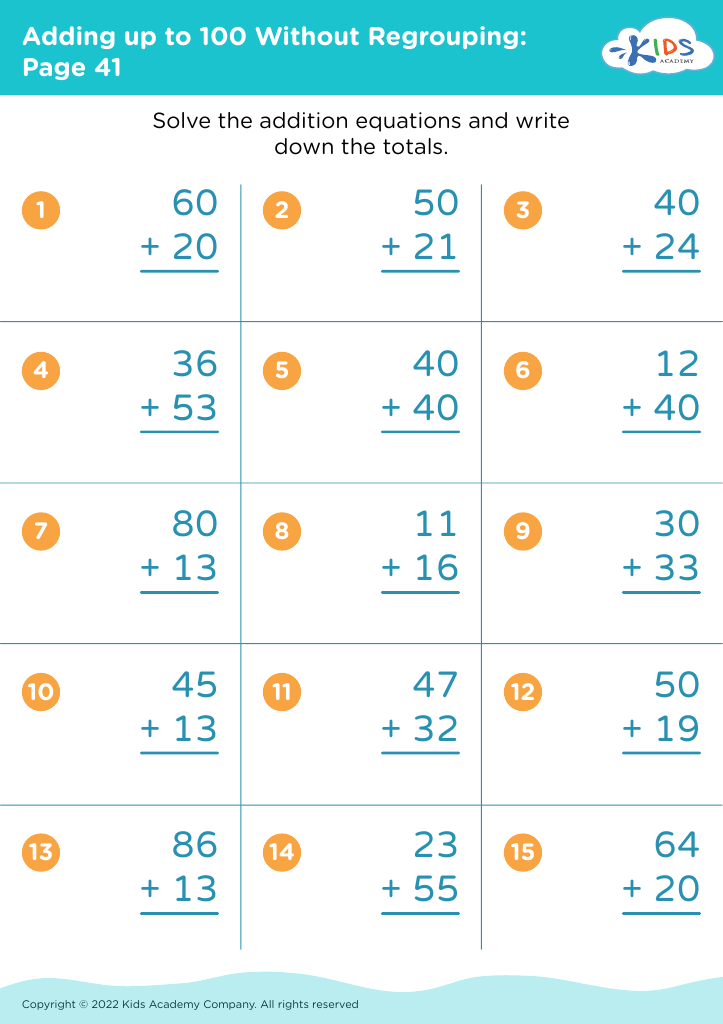
Adding up to 100 Without Regrouping: Page 41
Worksheet
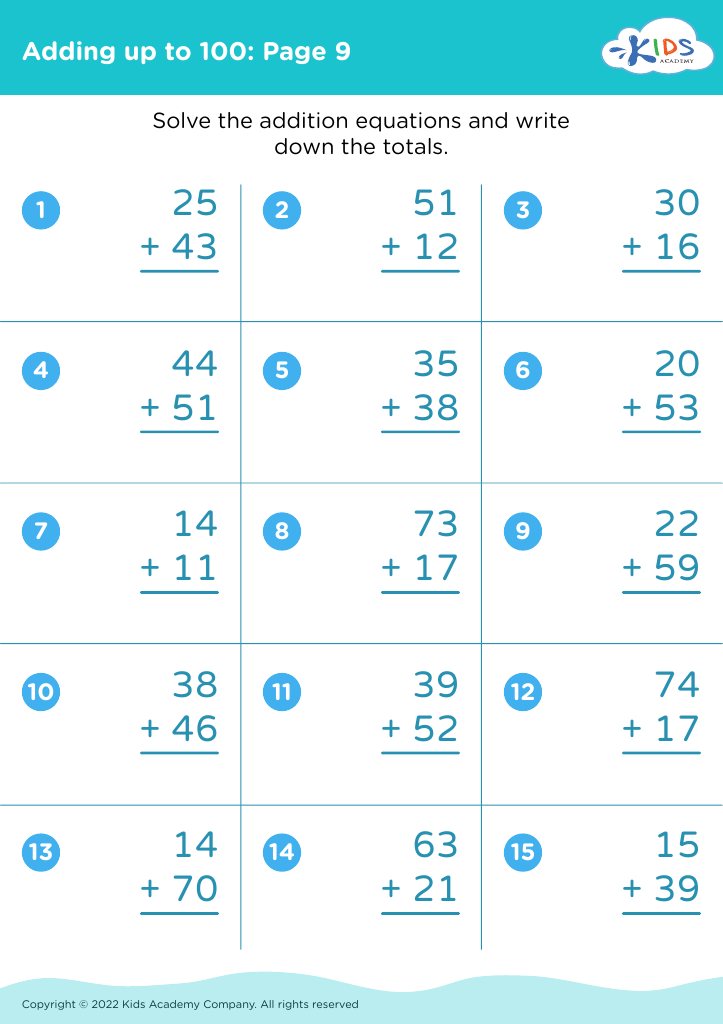
Adding up to 100: Page 9

Adding up to 100: Page 9

Adding up to 100: Page 9
Worksheet
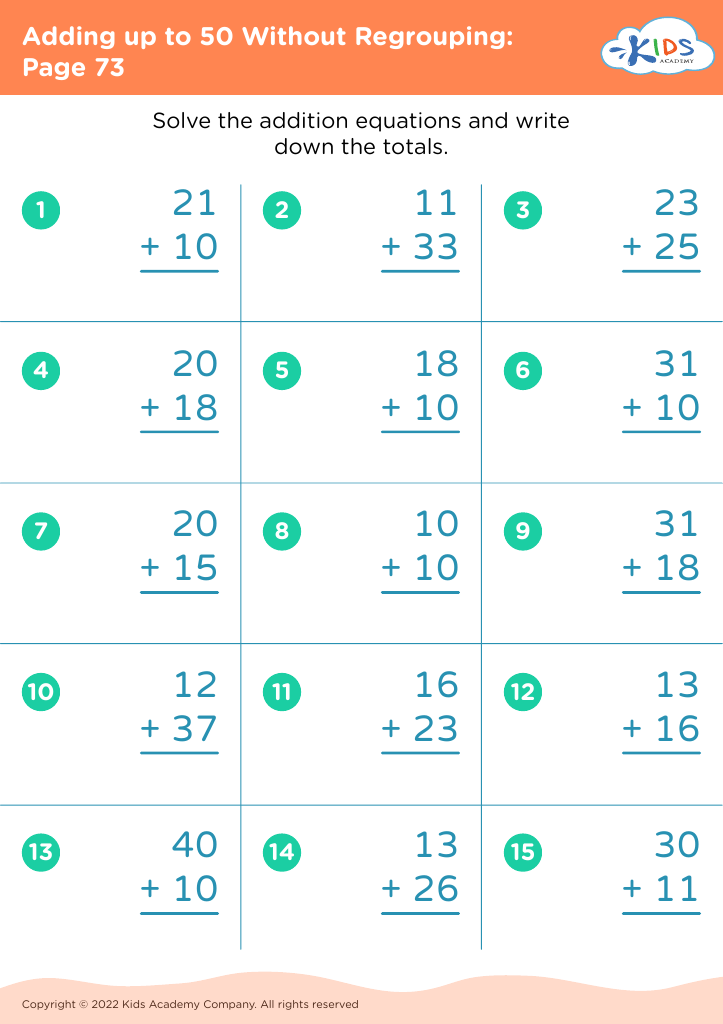
Adding up to 50 Without Regrouping: Page 73
Worksheet


Understanding fractions is crucial for 7-year-olds as it lays the foundation for vital mathematical skills and everyday practicalities. At this age, children's cognitive abilities are blossoming, and introducing fractions enhances their understanding of parts and wholes, a concept they encounter frequently in daily life. From sharing a pizza to measuring ingredients in cooking, recognizing fractions helps kids make sense of the world around them.

For parents and teachers, fostering a strong grasp of fractions is essential, as it promotes critical thinking and problem-solving skills. When children learn to compare, add, and subtract fractions, they develop the ability to work with more complex mathematical concepts in the future, such as decimals and percentages. Moreover, a solid foundation in fractions can boost a child's confidence in math, positively impacting their overall academic performance.

Early engagement with fractions can also encourage positive attitudes towards math, helping to dispel anxiety about the subject. By supporting children's understanding through interactive activities, visual aids, and real-life examples, parents and teachers create enriching learning experiences. Ultimately, nurturing fraction comprehension in young learners prepares them for lifelong mathematical proficiency and everyday decision-making skills.