Welcome to our "Understanding Sequences Worksheets" designed specifically for 7-year-olds! These engaging and interactive activities help young learners develop essential skills in recognizing, predicting, and completing sequences. Through fun illustrations and step-by-step instructions, kids will foster their logical thinking and problem-solving abilities. Our worksheets cover various forms of sequences, including number patterns, shapes, and daily routines. Perfect for classroom or home learning, these resources aim to enhance comprehension and retention while sparking curiosity. Encourage your child's love for learning as they master sequences in a playful, supportive environment. Explore our collection today to boost your child's understanding and confidence!
Check out this FREE "Understanding Sequences" Trial Lesson for age 7!

Short and Long Vowel Sort

Favorites
With answer key
Interactive
  • 7
  • Understanding Sequences
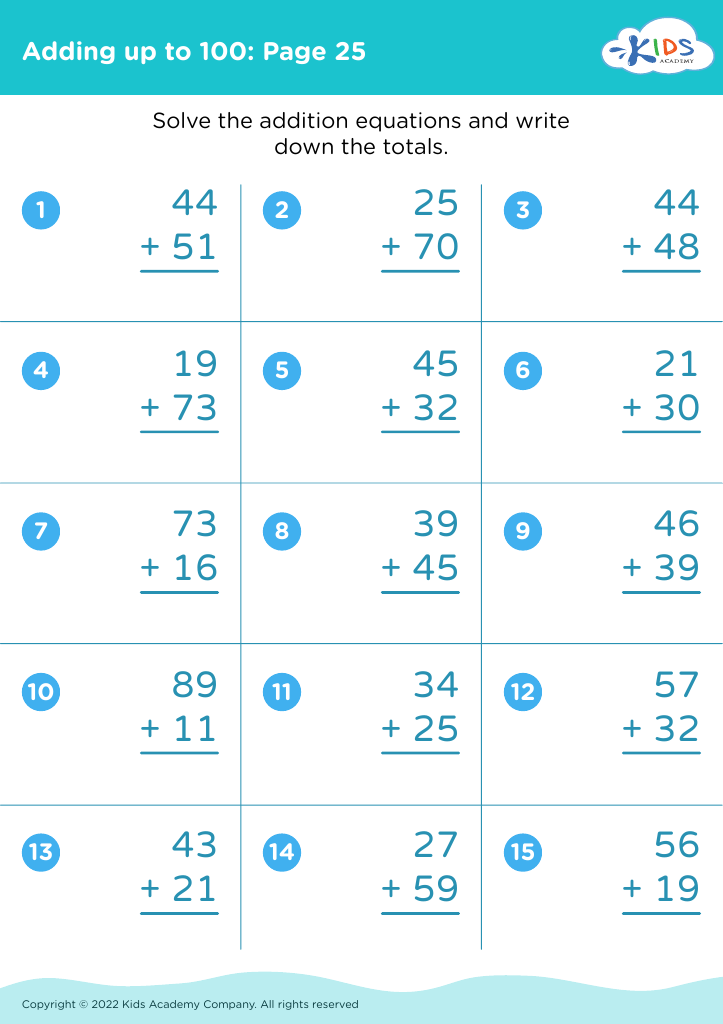
Adding up to 100: Page 25

Adding up to 100: Page 25

Adding up to 100: Page 25
Worksheet
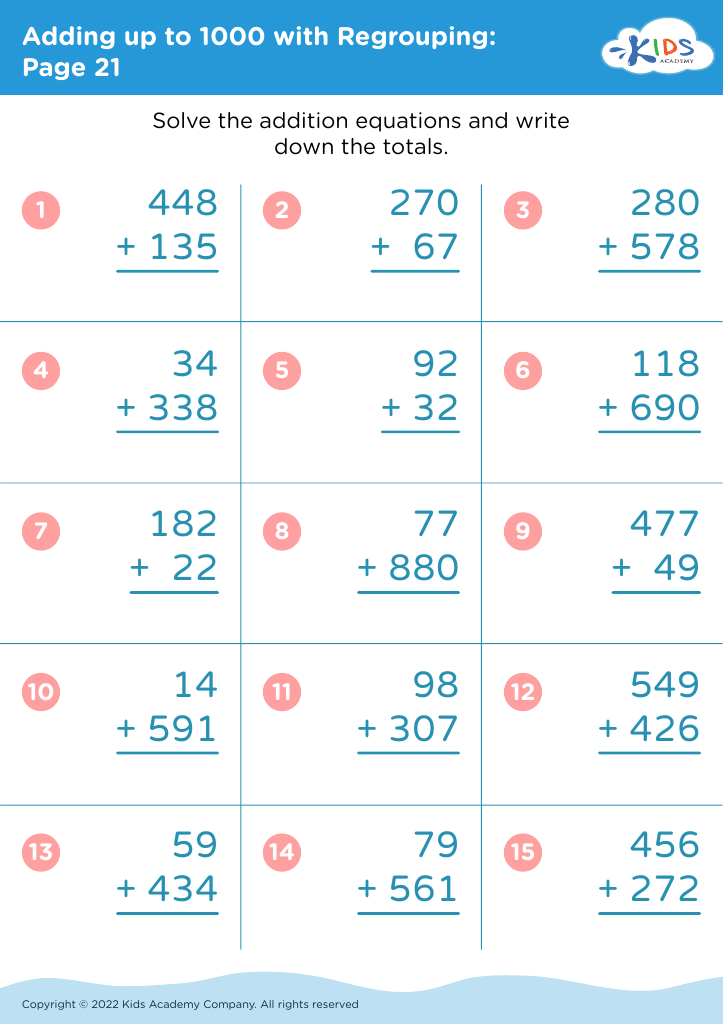
Adding up to 1000 with Regrouping: Page 21
Worksheet
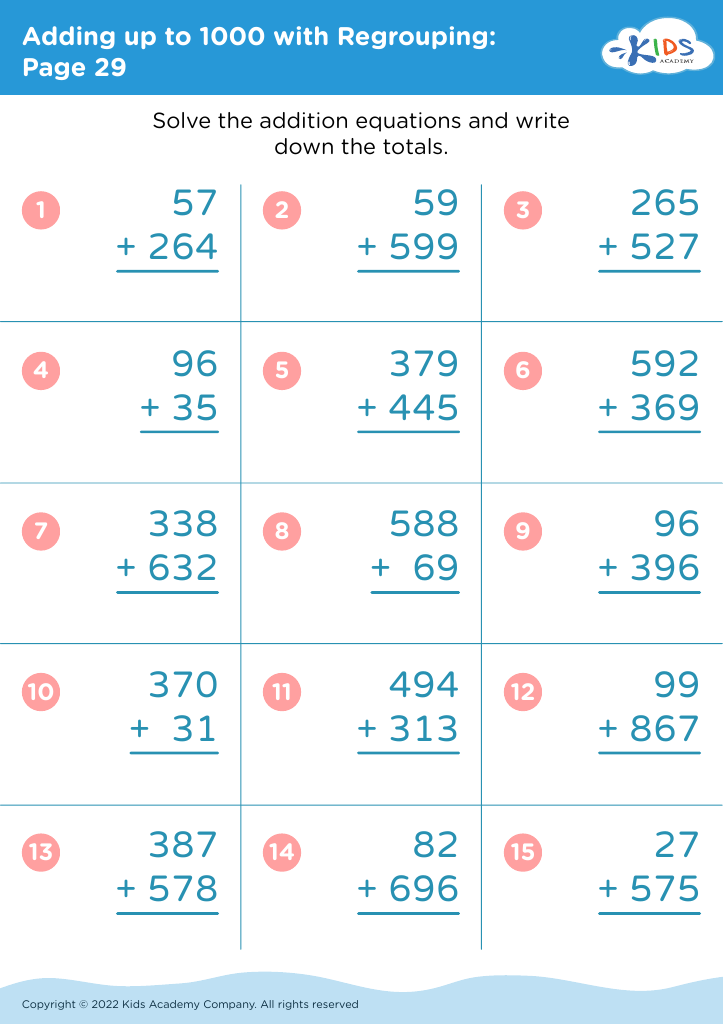
Adding up to 1000 with Regrouping: Page 29
Worksheet
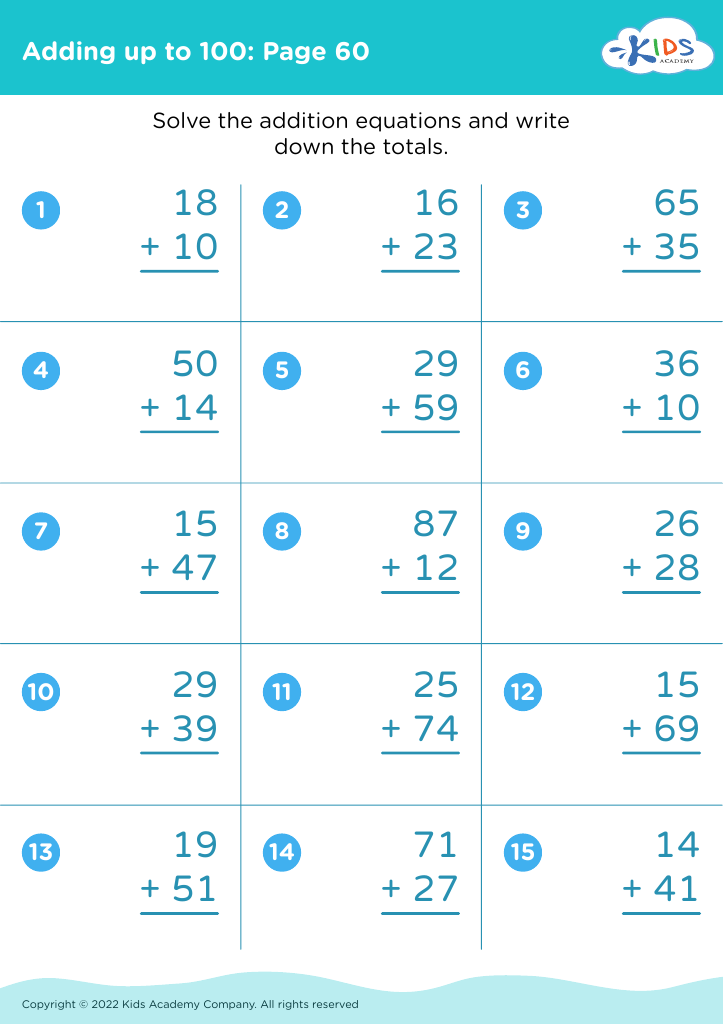
Adding up to 100: Page 60

Adding up to 100: Page 60

Adding up to 100: Page 60
Worksheet
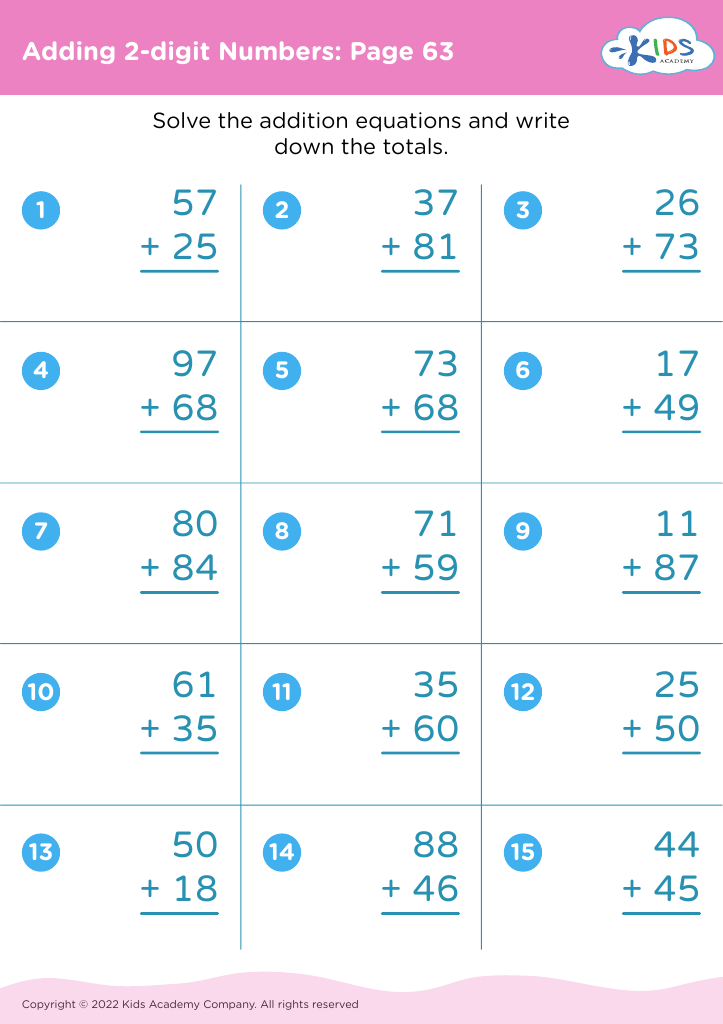
Adding 2-digit Numbers: Page 63

Adding 2-digit Numbers: Page 63

Adding 2-digit Numbers: Page 63
Worksheet
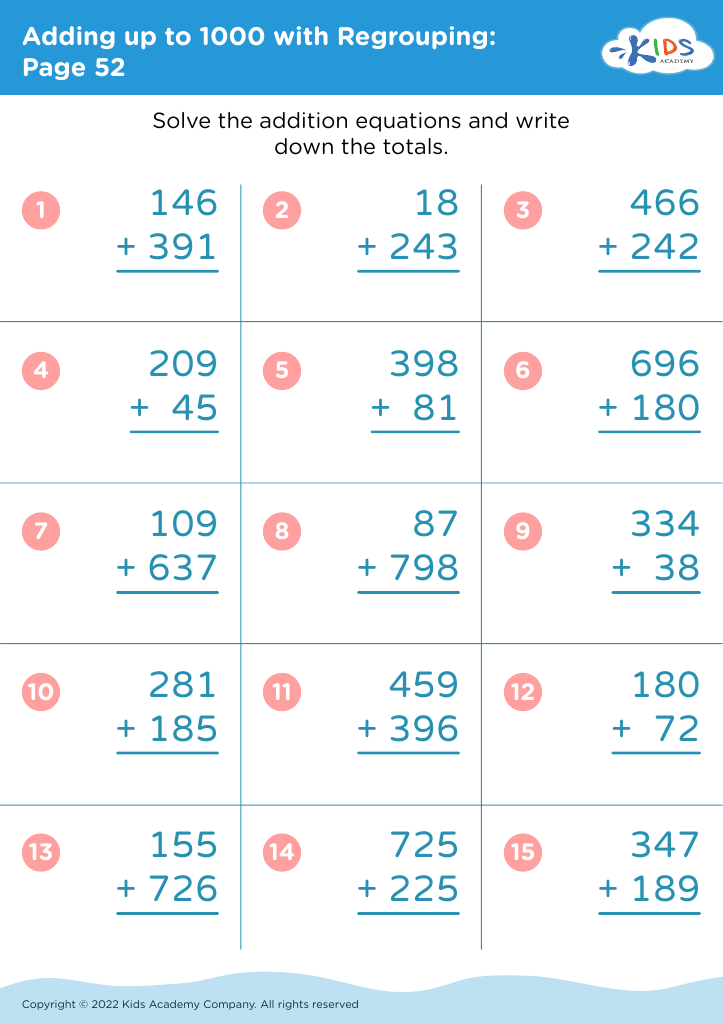
Adding up to 1000 with Regrouping: Page 52
Worksheet
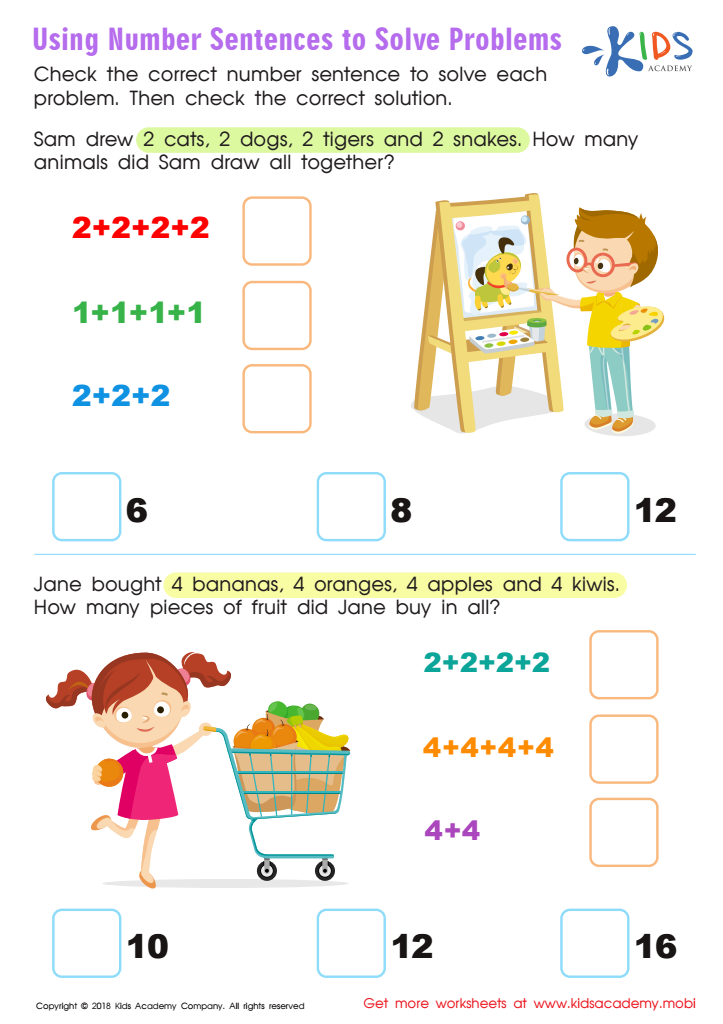
Using Number Sentences to Solve Problems Worksheet

Using Number Sentences to Solve Problems Worksheet

Solving math problems requires an efficient strategy. Picture representation can help young mathematicians with basic addition problems, especially when it involves repeated addends. As they gain confidence, they'll be able to apply their number sentence solving abilities to more complex equations.
Using Number Sentences to Solve Problems Worksheet
Worksheet
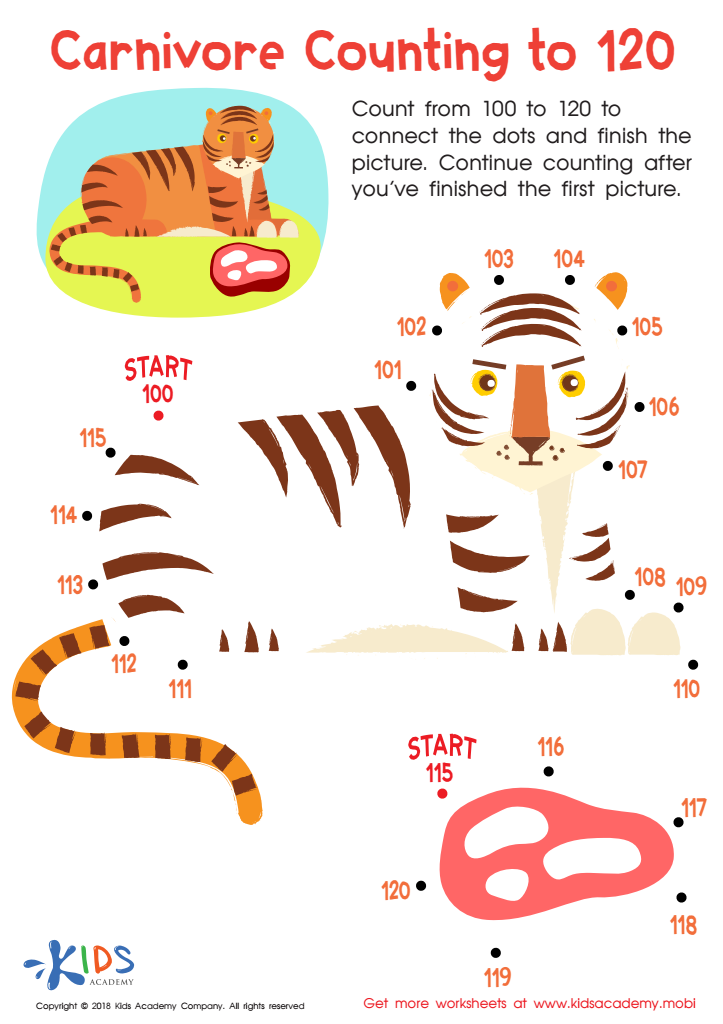
Carnivore Counting to 120 Worksheet

Carnivore Counting to 120 Worksheet

Ask your child to name some popular carnivores. Can they tell you what the animal in the worksheet is? A Tiger? Get them to count from 100 to 120 to connect the dots. After they finish the first picture, keep counting to help them practice!
Carnivore Counting to 120 Worksheet
Worksheet
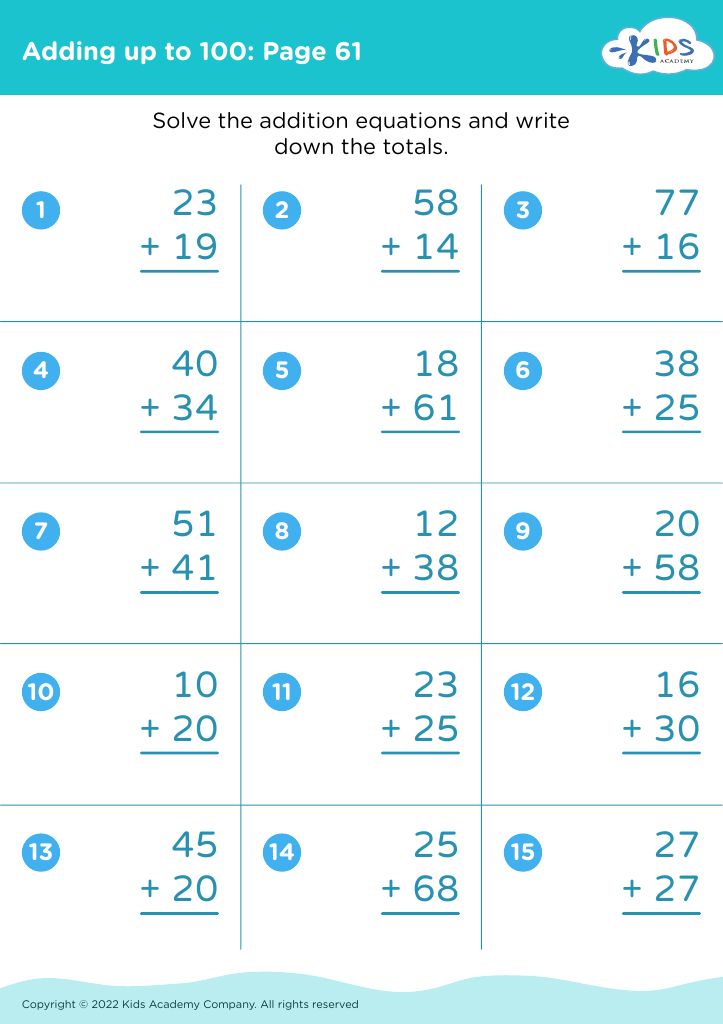
Adding up to 100: Page 61

Adding up to 100: Page 61

Adding up to 100: Page 61
Worksheet
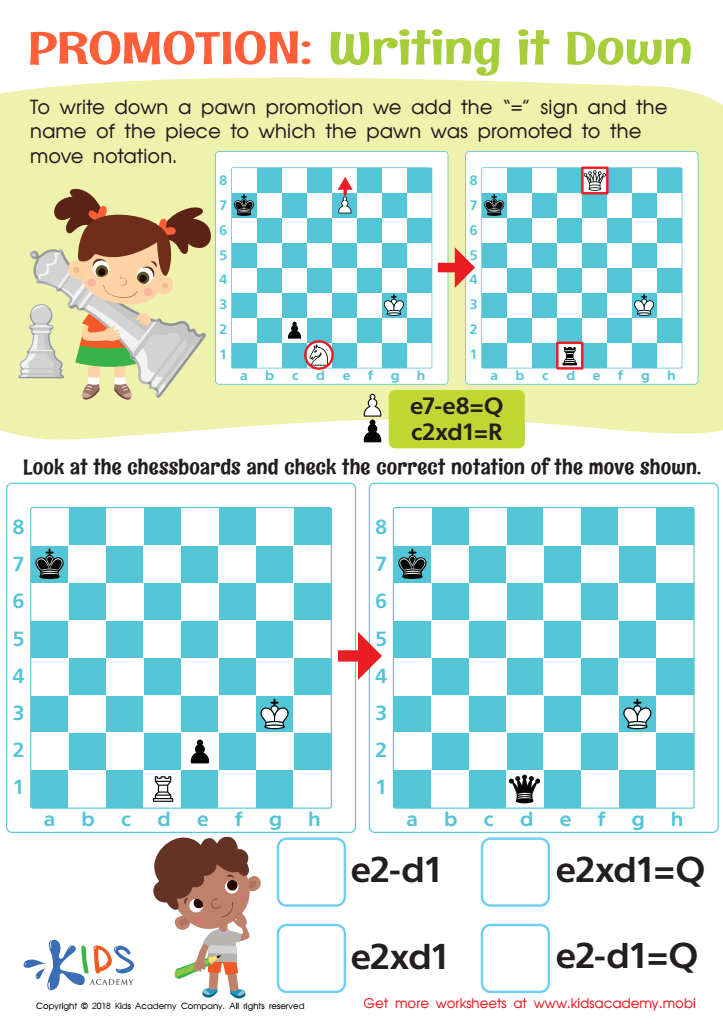
Writing it Down Worksheet

Writing it Down Worksheet

To document pawn promotion, add "=<piece name>" to the move notation. For example: e7-e8=Q. Ask your child to look at the chessboard and take note of the moves. Check the notations are correct. (80 words)
Writing it Down Worksheet
Worksheet
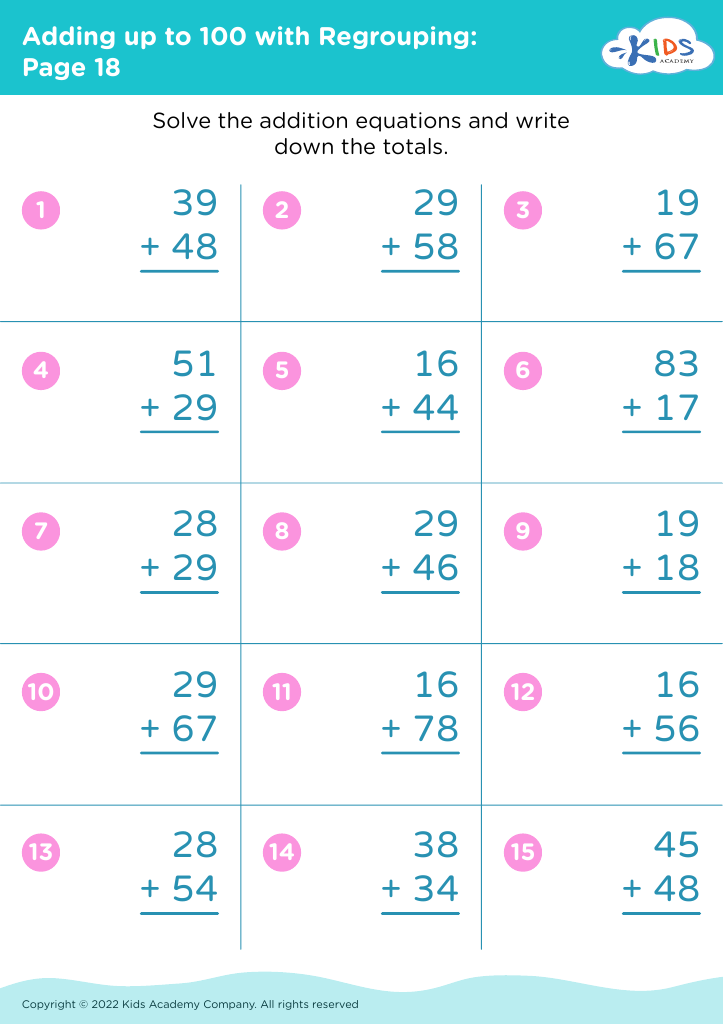
Adding up to 100 with Regrouping: Page 18
Worksheet
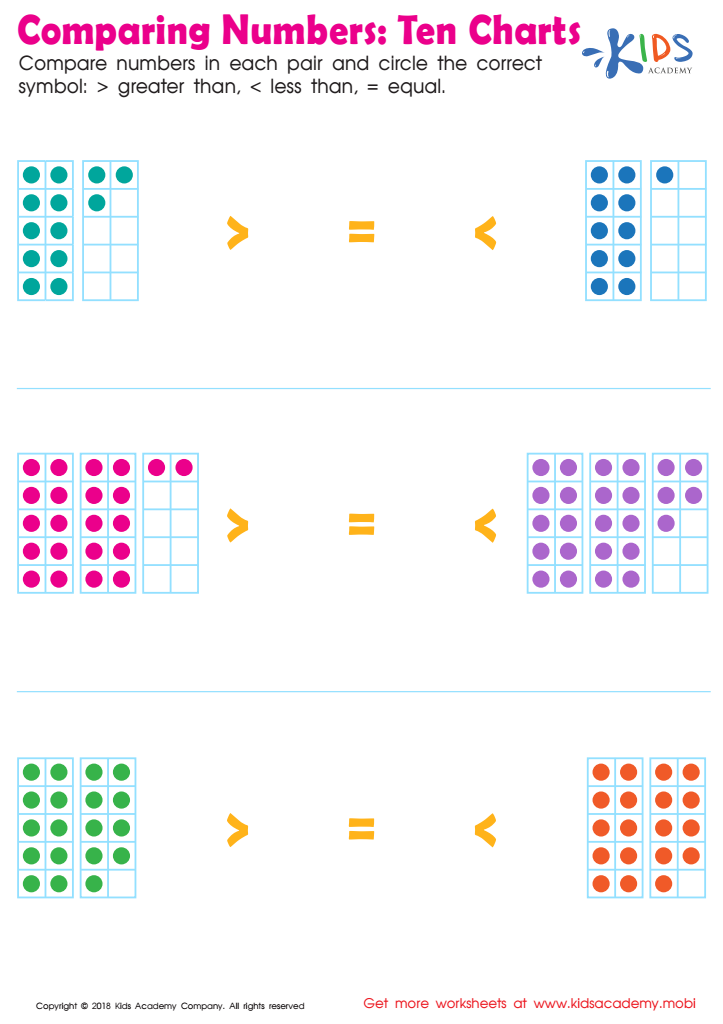
Ten Charts Worksheet


Ten Charts Worksheet

Help your child learn numbers in a creative way using this printable worksheet. They'll learn the difference between numbers, how to add them, and the symbols of "greater than", "less than" and "equals to". They can compare two sides, and identify which is greater, less or equal. Let their maths knowledge bloom!
Ten Charts Worksheet
Worksheet
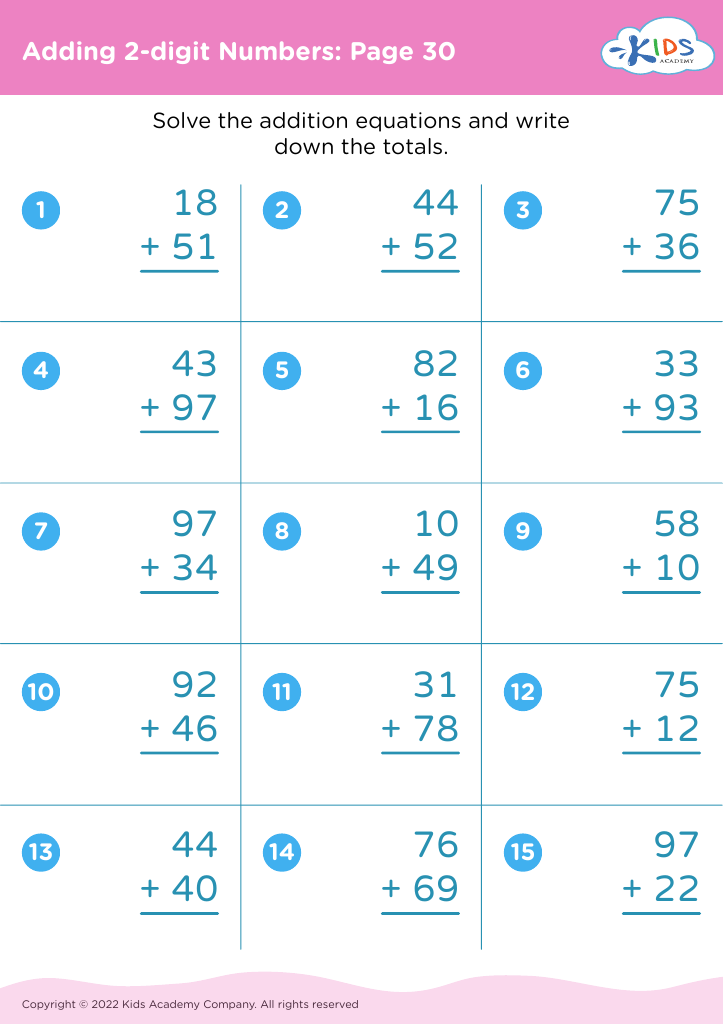
Adding 2-digit Numbers: Page 30

Adding 2-digit Numbers: Page 30

Adding 2-digit Numbers: Page 30
Worksheet
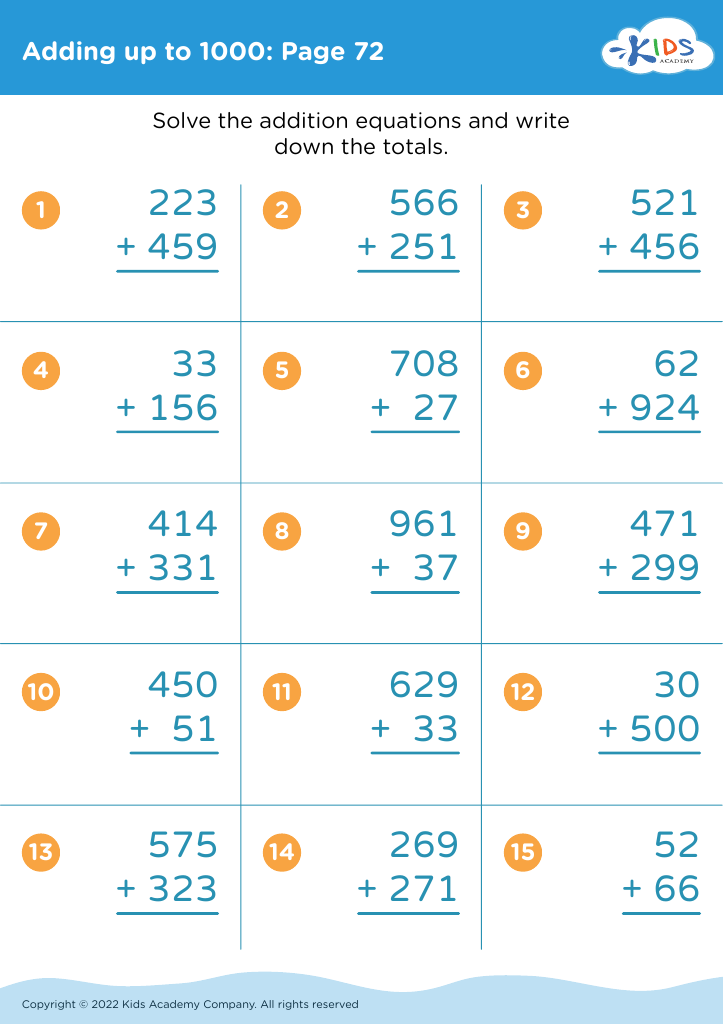
Adding up to 1000: Page 72

Adding up to 1000: Page 72

Adding up to 1000: Page 72
Worksheet
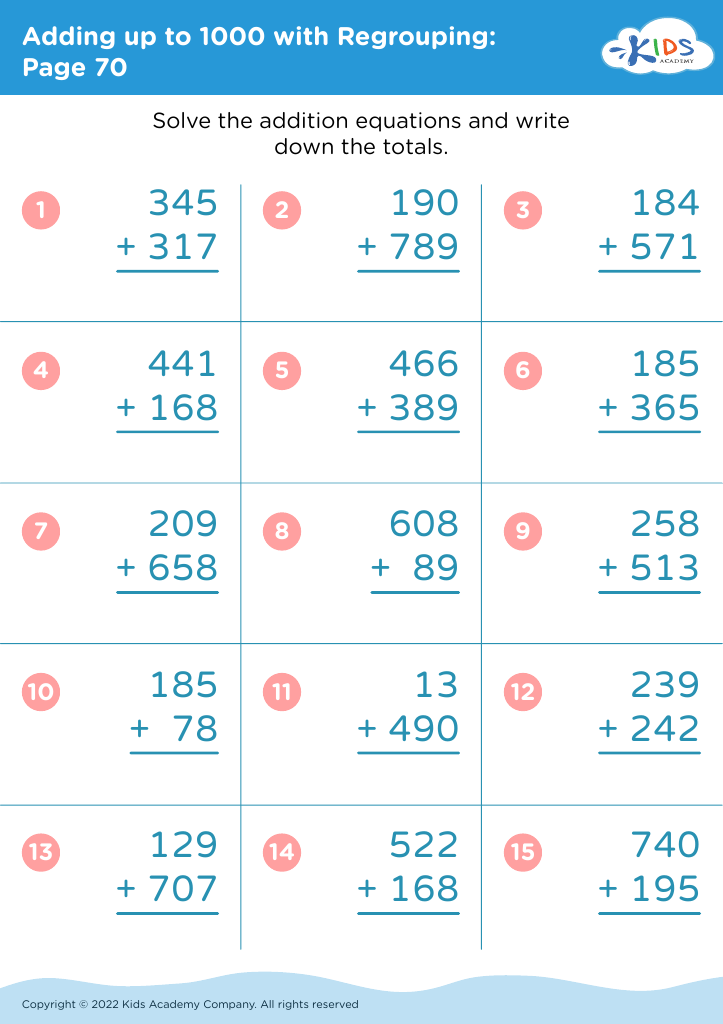
Adding up to 1000 with Regrouping: Page 70
Worksheet
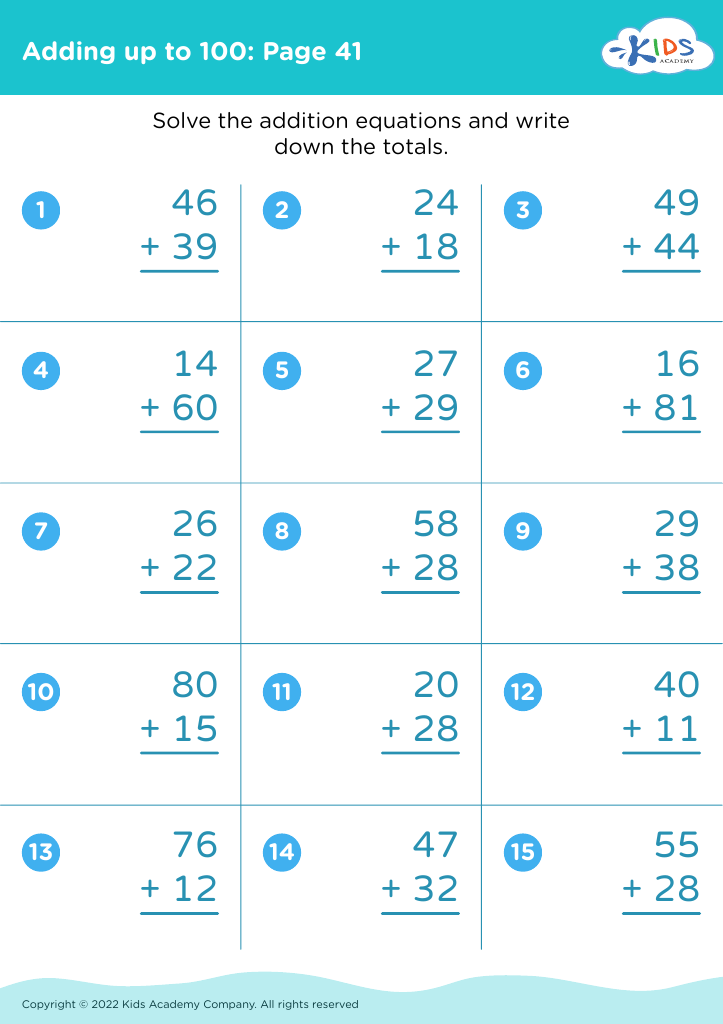
Adding up to 100: Page 41

Adding up to 100: Page 41

Adding up to 100: Page 41
Worksheet
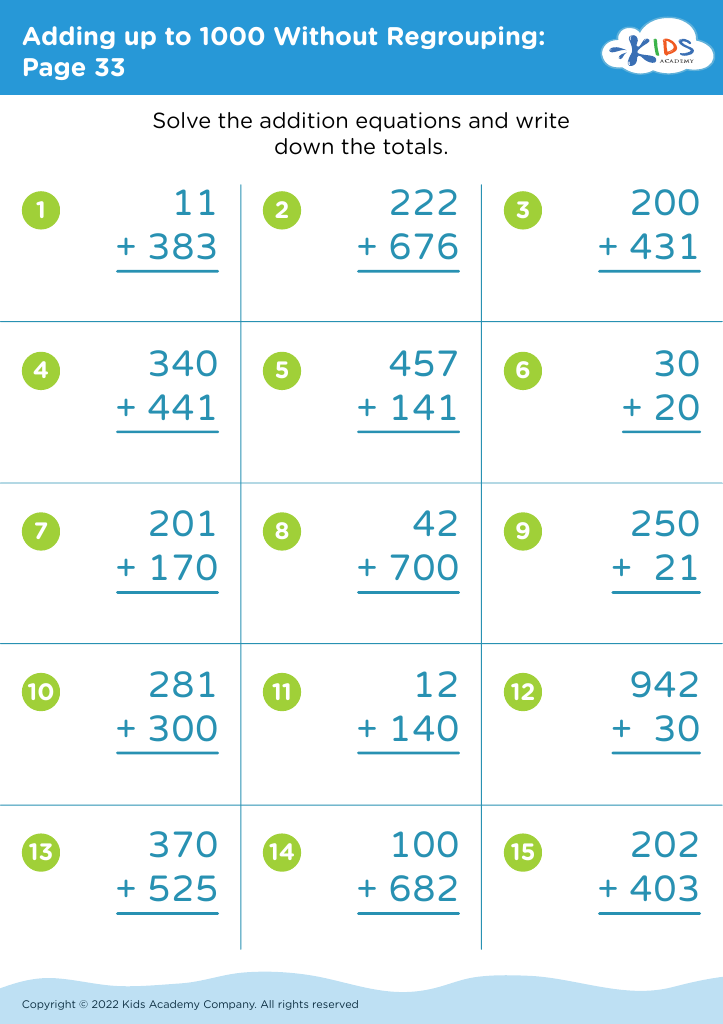
Adding up to 1000 Without Regrouping: Page 33
Worksheet


Understanding sequences is fundamental for 7-year-olds as it lays the groundwork for critical thinking and problem-solving skills. At this age, children are often introduced to patterns in numbers, letters, and everyday life. Recognizing sequences helps them make connections between concepts, promoting logical reasoning and enhancing cognitive development.

For parents and teachers, promoting sequence understanding facilitates better performance in mathematics, literacy, and science. In math, it enables students to grasp concepts such as addition, subtraction, and multiplication, as they learn to predict the next number in a series or identify patterns in their environment. In literacy, sequences aid in narrative comprehension, allowing children to follow and construct stories with clear beginning, middle, and end.

Moreover, these skills foster patience and perseverance, as children learn to work through problems step-by-step. Encouraging children to observe and create sequences through games, stories, or real-life examples nurtures their creativity and adaptability, essential skills in the 21st century. By prioritizing sequence understanding, parents and teachers equip children with the tools to approach challenges logically and confidently, setting a strong foundation for future academic and personal success.