Understanding symmetry Worksheets for 7-Year-Olds - Page 2





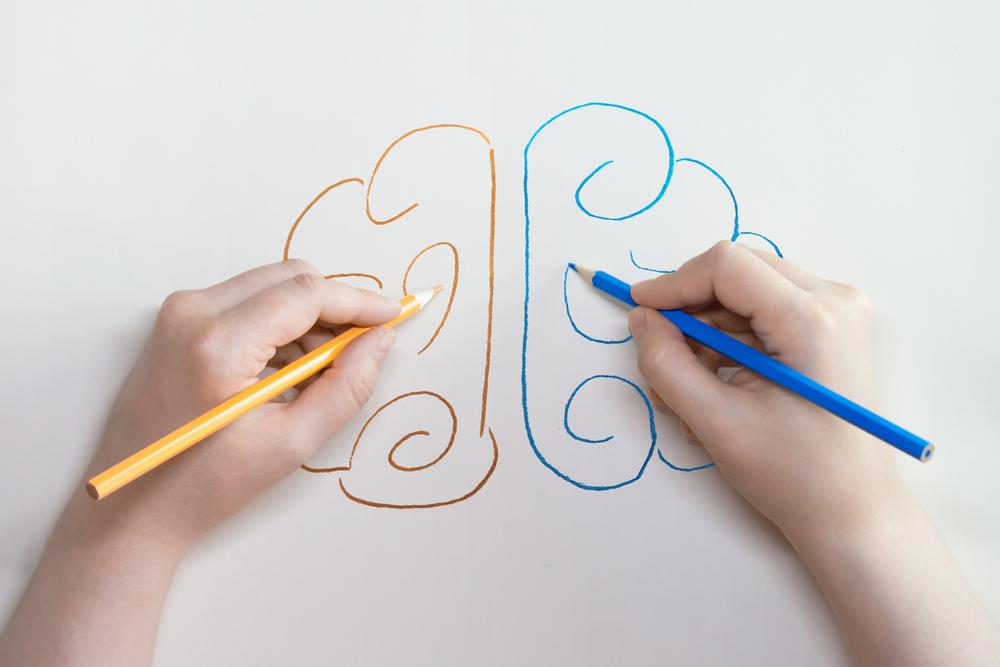
Understanding symmetry is essential for 7-year-olds as it lays a foundational understanding of mathematics and the natural world. At this age, children are naturally curious, and grasping the concept of symmetry can enhance their spatial awareness and critical thinking skills. Recognizing the symmetrical properties in shapes, patterns, and objects helps them develop their problem-solving abilities and encourages them to think visually.
Moreover, symmetry is prevalent in art, nature, and everyday life. By engaging with symmetry, children can explore creativity through pattern making and design, fostering artistic expression while reinforcing mathematical concepts. For parents and teachers, emphasizing symmetry cultivates a cross-disciplinary approach that links mathematics with art and science, making learning more holistic and enjoyable.
Ultimately, when children learn about symmetry, they not only improve their mathematical skills, but also enhance their appreciation for the beauty and order present in the world around them. This understanding can lead to greater confidence in mathematics and a richer, more integrated approach to learning in various subjects. Thus, nurturing a child's comprehension of symmetry at an early age can set the stage for a lifelong love of learning and discovery.








