Visual discrimination skills Worksheets for 7-Year-Olds
3 filtered results
-
From - To
Boost your child’s visual discrimination skills with our engaging worksheets designed specifically for 7-year-olds! These worksheets from Kids Academy enhance a child's ability to recognize differences and similarities in shapes, letters, patterns, and more. Ideal for improving attention to detail and observation skills, these fun and educational activities will capture their interest and support critical early learning goals. Perfect for both classroom use and at-home practice, each worksheet is geared to make learning enjoyable and effective. Help your child excel in visual processing and build a solid foundation for reading, writing, and math.
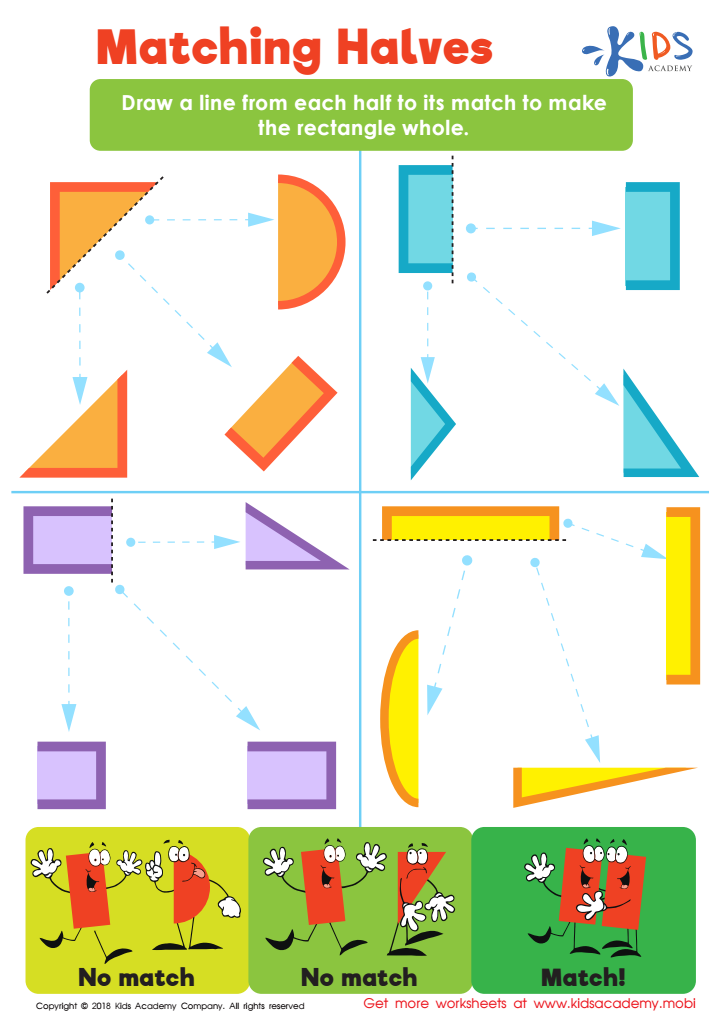
Matching Halves Worksheet
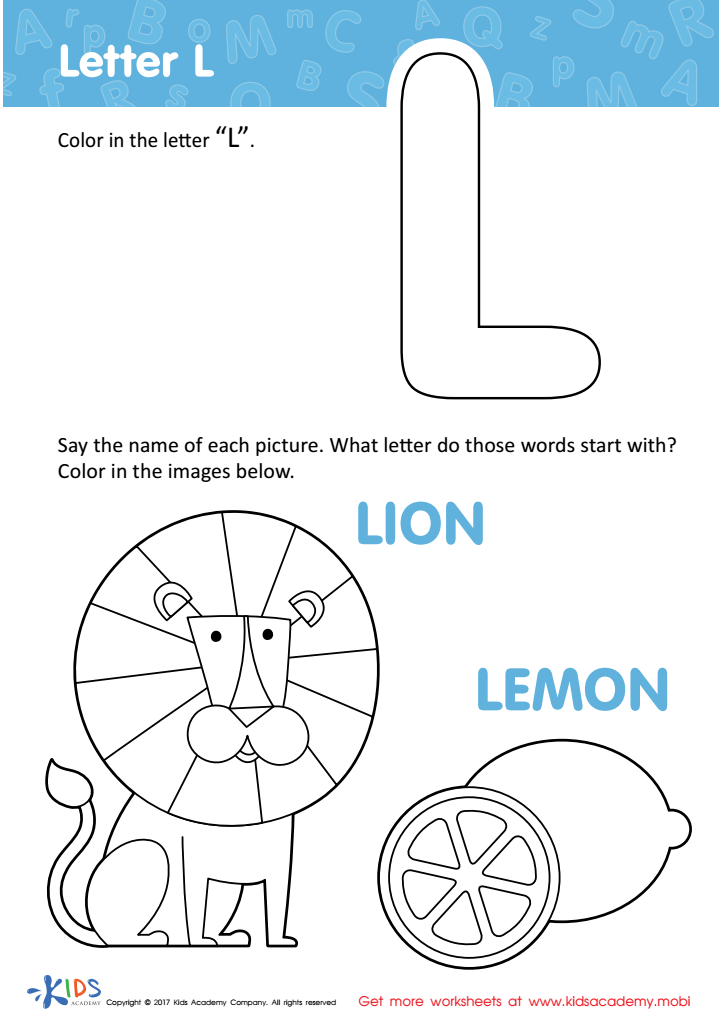
Letter L Coloring Sheet
 Assign to My Students
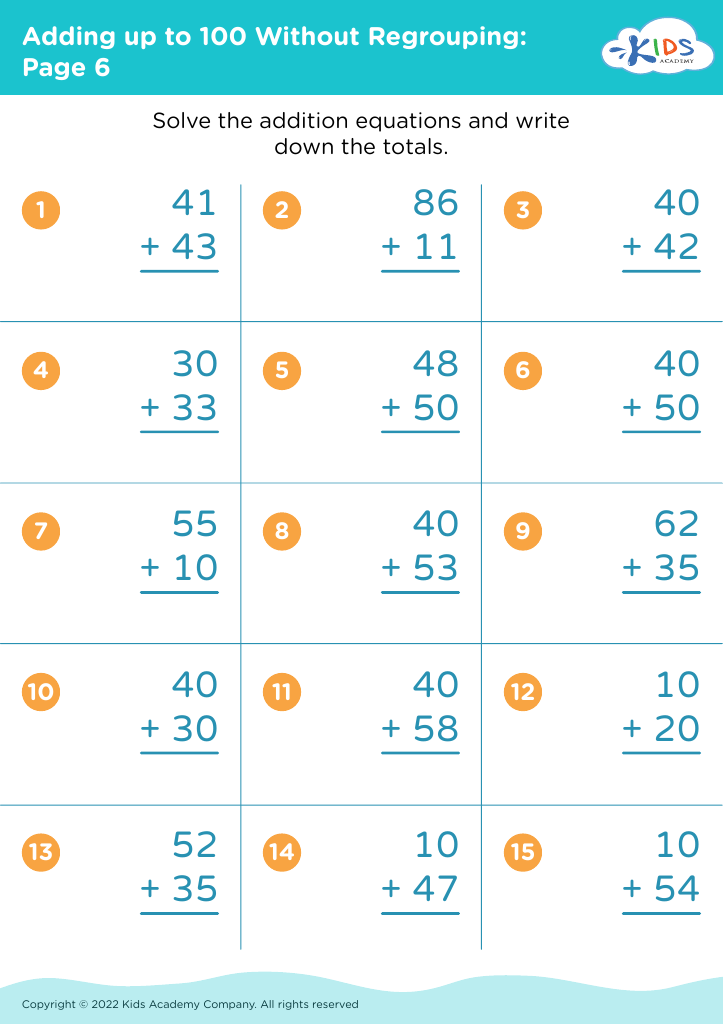








Visual discrimination skills are crucial for 7-year-olds as these abilities form the foundation for effective learning and daily functioning. At this developmental stage, children's brains are primed to refine their visual processing abilities, which directly influence their success in reading, writing, and math. When 7-year-olds can effectively differentiate between shapes, letters, numbers, and patterns, they build essential literacy skills, such as distinguishing between similar letters like 'b' and 'd' or recognizing sight words swiftly.
Moreover, strong visual discrimination skills enhance children's ability to follow classroom instructions and participate in activities confidently. For example, during arts and crafts or observing scientific illustrations, children with well-developed visual skills can better interpret and replicate visual cues, leading to more accurate and engaging work.
Beyond academics, these skills are pivotal in developing life-long organizational and attention-to-detail competencies. Simple tasks, like picking the correct toy or navigating a busy playground, become manageable and confidently executed when visual information is processed correctly.
Parents and teachers should prioritize activities that stimulate visual discrimination development, such as puzzles, matching games, or drawing exercises. By nurturing these skills early on, adults help establish a solid groundwork for children’s overall cognitive, motor, and social development, enabling them to thrive both in school and beyond.








